
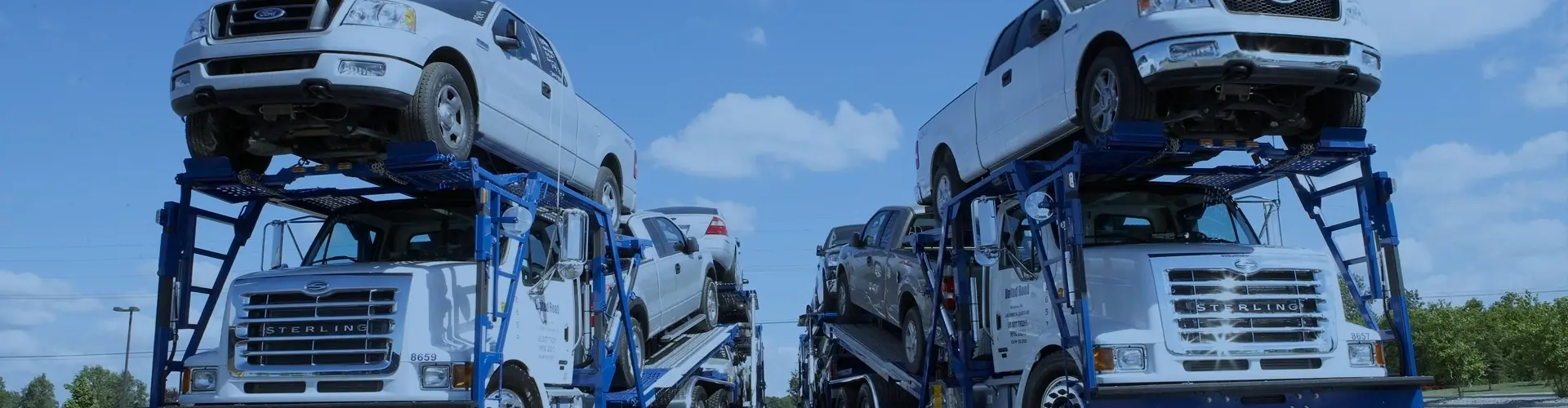
California to West Virginia Car Shipping Route
California to West Virginia car shipping covers roughly 2,800 miles from Los Angeles, with carriers typically running east on I-40 before connecting to I-64 and I-70 through the Appalachian region — a corridor that demands experienced drivers familiar with mountain grades and variable weather. Transit time runs 7–10 days depending on your California origin point, and when you weigh fuel, meals, lodging, and wear on your vehicle, professional transport almost always pencils out ahead of driving it yourself. See how auto transport compares to driving before you commit to either option.
Demand on the CA–WV lane is steadier than most people expect, driven by military personnel cycling through Camp Dawson and the WV Air National Guard at Yeager Airport, students relocating for West Virginia University in Morgantown and Marshall University in Huntington, and workers in the chemical and natural gas sector moving between project sites. That consistent freight base means carriers price this route competitively, but it also means slots fill quickly around peak PCS and semester windows. Avoid the most common booking mistakes so your shipment does not get bumped or delayed.
California to West Virginia Car Shipping Rates

Rates on the California to West Virginia route shift with fuel costs, seasonal carrier availability, and the specific cities involved — a pickup in Fresno destined for Wheeling prices differently than Los Angeles to Charleston. Learn how fuel prices directly affect your CA auto transport quote so you know what is driving any fluctuation you see.
What affects the cost of CA to WV car shipping:
- Vehicle type and size — larger vehicles cost more to ship; aftermarket additions like lift kits, grill guards, extended mirrors, or oversized antennas can add fees
- Open vs. enclosed transport — open carriers are more affordable and more widely available on this route; enclosed costs more but protects the vehicle fully
- Door-to-door vs. terminal service — terminal-to-terminal car shipping typically costs less than door-to-door delivery
- Time of year — peak moving season (May through September) and snowbird season (October through November) push rates higher
- Fuel costs — diesel prices affect what carriers charge, especially on a 2,800-mile haul
- Vehicle condition — non-running vehicles need special loading equipment and cost more to ship
- Payment method — some carriers offer a discount for cash or electronic payment at delivery
| Vehicle Type | Open Car Shipping (Est.) | Enclosed Car Shipping (Est.) |
|---|---|---|
| Sedan | $1,100 – $1,500 | $1,650 – $2,200 |
| SUV / Crossover | $1,200 – $1,650 | $1,750 – $2,350 |
| Pickup Truck | $1,200 – $1,650 | $1,750 – $2,350 |
| Minivan | $1,200 – $1,650 | $1,750 – $2,350 |
| Luxury / Classic Car | $1,300 – $1,800 | $1,850 – $2,500 |
| Non-Running Vehicle | Add $150 – $300 | Add $150 – $300 |
* Estimated ranges based on recent CA to WV shipments. Your actual rate depends on your vehicle, locations, and booking date. Use the form on this page to get up to 10 real quotes from licensed carriers so you can compare actual prices.
Save Money: Go with Open Car Shipping
For the vast majority of standard vehicles making this cross-country run, open transport is the practical choice — the same method dealers use to move new inventory across the country every day. Enclosed makes sense for high-value classics, exotics, or low-clearance vehicles that warrant the extra protection on a 2,800-mile haul. Browse our money-saving tips for California auto transport to find additional ways to trim your shipping cost without cutting corners on service.
How Long Does California to West Virginia Car Shipping Take?
Carriers departing Southern California typically deliver to West Virginia in 7–9 days, while Northern California origins add roughly a day of transit time, putting NorCal shipments at 8–10 days. If your timeline is tighter — a job start date, a lease end, or a military report date — expedited options are available on this corridor. See what expedited California car shipping costs and how it works before assuming standard transit will not fit your schedule.
| Origin (California) | Destination (West Virginia) | Estimated Transit |
|---|---|---|
| Los Angeles | Charleston, WV | 7 – 9 days |
| Los Angeles | Huntington, WV | 7 – 9 days |
| Los Angeles | Morgantown, WV | 8 – 10 days |
| San Diego | Charleston, WV | 7 – 9 days |
| San Diego | Huntington, WV | 7 – 9 days |
| San Francisco | Charleston, WV | 8 – 10 days |
| San Francisco | Morgantown, WV | 8 – 10 days |
| San Jose | Charleston, WV | 8 – 10 days |
| Sacramento | Huntington, WV | 8 – 10 days |
| Fresno | Charleston, WV | 8 – 10 days |
** Estimates based on typical carrier schedules on the I-64 corridor. Actual windows vary based on pickup date, routing, and weather. Door-to-door delivery may add up to one day on each end vs. terminal service.
California to West Virginia Car Shipping Service Area
California Auto Transport ships cars from all major California cities to every West Virginia destination. Door-to-door and terminal-to-terminal service is available statewide on both ends.
California Pickup Locations
- Los Angeles Los Angeles is the highest-volume car shipping origin in California, with carriers dispatching on nearly every lane in the country. Pickups are available throughout the greater LA metro, including the San Fernando Valley, the Westside, Long Beach, and the Inland Empire. Carriers running the I-10 and I-40 corridors east typically make LA their first stop, keeping availability high and rates competitive. Terminal service is also available.
- San Diego San Diego is one of the busiest military car shipping origins in the country, driven by Naval Base San Diego — the largest naval base on the West Coast — and Naval Air Station North Island. PCS orders generate consistent year-round demand on routes heading east and across the country. Pickups cover all of San Diego County, including Chula Vista, El Cajon, and Oceanside.
- San Francisco / Oakland The Bay Area generates strong car shipping volume year-round, with high demand on routes to the Pacific Northwest, Mountain West, and East Coast. Pickups are available from San Francisco, Oakland, Berkeley, Fremont, and the East Bay. Carriers on the I-80 and I-5 corridors include Bay Area stops on their weekly schedules. Book a week ahead for the best door-to-door pickup availability.
- San Jose / Silicon Valley San Jose and the Silicon Valley corridor generate a high volume of luxury and EV shipments, driven by tech industry relocations from companies like Apple, Google, Meta, and Nvidia. EV-ready carriers are available on most lanes out of this market. Pickups cover all of Santa Clara County, including Sunnyvale, Cupertino, Mountain View, and Palo Alto.
- Sacramento Sacramento is the Central Valley's primary car shipping hub, with carriers making regular pickups on the I-5 and I-80 corridors. Government relocations, UC Davis moves, and Air National Guard PCS orders keep demand consistent year-round. Door-to-door service covers the Sacramento metro and surrounding areas including Elk Grove, Roseville, Stockton, and Modesto.
- All California Locations We also arrange pickups from Bakersfield, Fresno, Long Beach, Anaheim, Riverside, Oxnard, Santa Barbara, and every other California city or ZIP code. Call 1-800-590-6492 to confirm door-to-door availability at your address.
West Virginia Delivery Locations
- Charleston As West Virginia's capital and largest city, Charleston generates consistent car shipping demand from state government relocations, energy sector transfers, and military personnel connected to the WV Air National Guard at nearby Yeager Airport. Its central location on I-64 makes it one of the most carrier-accessible destinations in the state.
- Huntington Huntington is a steady destination driven by Marshall University students and faculty relocating from California, as well as healthcare and manufacturing workers moving into the tri-state area. Carriers reach Huntington via I-64 West, making it a natural stop on the same corridor that serves Charleston.
- Morgantown Morgantown's demand is almost entirely shaped by West Virginia University — one of the largest universities in the Appalachian region — which draws students, graduate researchers, and faculty from California every fall and spring semester. Book early for August and January windows, as carrier slots for Morgantown fill faster than almost any other WV destination.
- Parkersburg Parkersburg sits along the Ohio River corridor and serves as a hub for chemical and natural gas industry workers relocating from California's energy sector. Its proximity to I-77 and I-70 gives carriers a reliable routing option when connecting through the mid-Atlantic.
- Wheeling Wheeling is West Virginia's northernmost major city and sits directly on I-70, one of the primary east-west arteries carriers use on the California-to-WV run. It attracts corporate and manufacturing relocations and benefits from strong carrier frequency because of through-traffic heading to Pittsburgh and Ohio.
- All West Virginia Locations We also deliver to Weirton, Martinsburg, Clarksburg, Fairmont, Beckley, and Princeton, as well as every other West Virginia address — including rural routes that require a terminal or flexible delivery arrangement.
Open vs. Enclosed Car Shipping: California to West Virginia
Both options use licensed, insured carriers and deliver door to door. The right choice depends on your vehicle and your budget. For a full breakdown, read the pros and cons of open vs. enclosed car shipping.
Open Car Shipping
Most Popular- Lower cost — the affordable option for most vehicles
- More carriers available on the CA to WV lane
- Faster dispatch from booking to pickup
- Works well for sedans, SUVs, trucks, and minivans
- Vehicle rides on an open multi-car carrier
- Cargo insurance required on all licensed carriers
Estimated cost: $1,100 – $1,500
Enclosed Car Shipping
Premium Protection- Full protection from weather, debris, and road grime
- Best for luxury, exotic, and classic vehicles
- Recommended for low-clearance and custom-built cars
- Wheel-net or soft-tie systems prevent contact damage
- Higher cargo coverage — commonly $500,000 per load
- White-glove handling by experienced operators
Estimated cost: $1,650 – $2,200
Not sure which is right for your car? Call 1-800-590-6492 and we'll point you in the right direction. Also worth reading: the top 10 questions to ask any car shipping company before you commit.
How to Prepare Your Car for Shipping to West Virginia
A little prep before pickup protects you if there's ever a dispute about the vehicle's condition. This checklist is from our full guide on preparing your car for transport:
- Remove all personal belongings from the interior and trunk
- Leave only a quarter tank of fuel — enough to load and unload
- Take date-stamped photos of the full exterior and interior
- Remove or disable toll transponders (FasTrak, E-ZPass, etc.)
- Retract or remove roof racks, spoilers, antennas, and bike mounts
- Make sure the battery is charged and tires are properly inflated
- Tell the carrier about any existing leaks or mechanical issues
- Deactivate the car alarm before the carrier arrives
- Write down the mileage on the Bill of Lading at pickup
- Fold in side mirrors if the vehicle is wider than standard
Personal items: Most carriers won't cover belongings left in the car. Read the full rules on shipping personal items in your vehicle. Also review our Bill of Lading guide so you know exactly what to check at pickup and delivery.
When to Ship Your Car from California to West Virginia
California to West Virginia auto transport runs year-round, but rates and availability shift noticeably by season — summer military PCS orders and fall college move-ins push carrier demand to its peak, while winter on the I-64 mountain corridor through the Appalachians can introduce weather-related delays. Planning your shipment around these patterns will save you money and reduce wait times. Read about how winter conditions affect auto transport scheduling and routing before booking a December through February move.

Summer (Jun – Sep)
Summer is the busiest period on the California to West Virginia lane, with military PCS orders, college move-ins at WVU and Marshall, and general relocation activity all competing for the same carrier slots. Book at least 2–3 weeks out during June through August to avoid paying surge pricing or facing a delayed pickup window. Carriers running this route regularly are often committed 10–14 days in advance by mid-July.
Fall (Oct – Nov)
Fall sees a moderate dip in volume after the August college rush, making October and early November one of the better windows to find competitive pricing on this route. End-of-year corporate relocations tied to West Virginia's energy and chemical sectors keep demand from dropping too far, so rates remain steady rather than falling sharply.
Winter (Dec – Feb)
Winter offers the lowest base rates of the year on the CA–WV corridor, but the trade-off is real — I-64 through the Appalachians sees snow, ice, and occasional closures between December and February that can add one to three days to transit time. If your vehicle and schedule can absorb a potential weather delay, winter is a solid time to lock in savings; just build buffer time into your delivery expectation.
Spring (Mar – May)
Spring brings a steady ramp-up in bookings as military PCS orders for summer report dates begin to circulate and college students plan end-of-semester moves back to California or onward to West Virginia for internships and summer programs. Book 10–14 days ahead in April and May to stay ahead of the summer surge that follows.
Military PCS Season
Camp Dawson in Kingwood and the WV Air National Guard at Yeager Airport in Charleston generate a defined PCS cycle that overlaps heavily with the national June–July military moving window. If you are PCSing to or from one of these installations, confirm your report date and book transport at least three weeks in advance — and ask about military discounts, which most reputable carriers on this route honor.
College Move-In (August)
West Virginia University in Morgantown and Marshall University in Huntington both see large influxes of students from California in late July and early August, making this the single most congested booking window for WV-bound shipments. Carriers serving Morgantown in particular fill up quickly — if you are shipping for fall semester, get your booking confirmed by early July to guarantee a slot at the rate you quoted.
How to Choose a California to West Virginia Car Shipping Company
Getting multiple quotes is step one — knowing what to look for in those quotes matters just as much. Our guide on how to select a car shipping company covers the full process. Here are the six things that matter most:
FMCSA Registration
Every carrier or broker must hold a valid MC number. Verify any company at FMCSA SAFER before you book.
Proof of Insurance
Ask for a current certificate of insurance. Open carriers typically carry $100,000 to $250,000 per load; enclosed commonly $500,000 or more. Learn what auto transport insurance covers.
All-In Pricing
Your quote should be a final number with no fees added after booking. Know the difference between brokers and carriers and confirm what the quote covers before you agree.
Bill of Lading
A complete Bill of Lading is filled out at pickup and delivery. Our Bill of Lading guide explains what to check. Never sign an incomplete one.
Real Reviews
Check Google and the BBB. Look at how they handled complaints and damage claims — that tells you more than a 5-star average from happy customers.
Route Experience
A carrier who dispatches on the California to West Virginia corridor regularly understands the timing nuances of I-64 through the Appalachians, knows which mountain segments are prone to winter slowdowns, and can give you a realistic delivery window rather than a generic estimate. When you speak with a carrier or broker, ask specifically how often they move vehicles on this lane — a dispatcher who handles this route weekly will give you far more accurate scheduling guidance than one treating it as an occasional long-haul.
California to West Virginia Car Shipping — FAQ
How much does it cost to ship a car from California to West Virginia?
Shipping a standard sedan from California to West Virginia on an open carrier typically runs $1,100 – $1,500, while enclosed transport for the same vehicle ranges from $1,650 – $2,200; SUVs, trucks, and specialty vehicles price higher. Factors like your exact pickup city, current fuel costs, seasonal demand, and how quickly you need the vehicle all move the final number. Compare multiple CA to WV quotes to make sure you are seeing the real market rate before booking.
How long does California to West Virginia car shipping take?
Carriers departing Southern California — Los Angeles, San Diego, or the Inland Empire — typically deliver to West Virginia in 7–9 days, while Northern California origins such as San Francisco, Sacramento, or Fresno add a day, putting transit at 8–10 days. If your schedule is tighter than that, expedited shipping options are available on this route and can shave two to three days off standard transit time.
Is my car insured during shipping from California to West Virginia?
Yes — every carrier operating legally on this route is required by the FMCSA to carry cargo insurance that covers your vehicle while it is in their custody, from pickup in California through delivery in West Virginia. Before you hand over your keys, verify the carrier's active insurance certificate and understand the claims process. Learn how to file a damage claim and understand exactly what auto transport insurance covers so there are no surprises at delivery.
Should I choose open or enclosed car shipping from California to West Virginia?
Open transport is the right call for most standard vehicles on this 2,800-mile run — it costs less, carrier availability is broader, and the vast majority of vehicles arrive without any road exposure issues. Enclosed makes sense if you are shipping a classic, exotic, low-clearance sports car, or a luxury vehicle where paint and mechanical protection justifies the premium. Read a detailed comparison of open vs. enclosed auto transport to decide which fits your vehicle and budget.
Do I have to be there at pickup and delivery?
You do not have to be present personally — you can designate a trusted proxy, such as a family member, friend, or property manager, to release or accept the vehicle on your behalf at either end of the shipment. Whoever receives the car must inspect it carefully and sign the bill of lading, so make sure they know what to look for. Understand the bill of lading process before you finalize pickup and delivery arrangements.
Can I put stuff in my car when it's being shipped?
Most carriers allow a small amount of personal items in the trunk — generally up to 100 lbs — but those items are not covered by the carrier's cargo insurance and travel entirely at your own risk. Avoid loose items in the cabin, valuables of any kind, and anything that could shift and cause interior damage during the haul across multiple states. Review the full guidelines on shipping personal items in your vehicle before loading anything.
Can I track my car during California to West Virginia shipping?
Most carriers on this lane provide phone and text updates rather than a live GPS portal — you can typically expect a confirmation call when the driver picks up in California, a check-in call somewhere in the Arizona or New Mexico corridor, another update as the carrier crosses into the Ohio Valley region, and a delivery window call 12–24 hours before arrival in West Virginia. Keeping your contact information current with the dispatcher is the single best way to stay informed throughout the move. Preparing your vehicle properly also ensures the check-in inspection at pickup goes smoothly so there are no disputes at delivery.
How far in advance should I book California to West Virginia car shipping?
For summer shipments — particularly June through August when military PCS and college move-in volume peaks — book at least 2–3 weeks ahead to secure the carrier and rate you want. Outside of peak season, 7–10 days of lead time is usually sufficient, though booking further out gives you more leverage on pricing and pickup date flexibility.
Ready to Ship Your Car from California to West Virginia?
One form gets you up to 10 free quotes from licensed, insured carriers. Compare costs and transit times and book the best deal for your schedule.