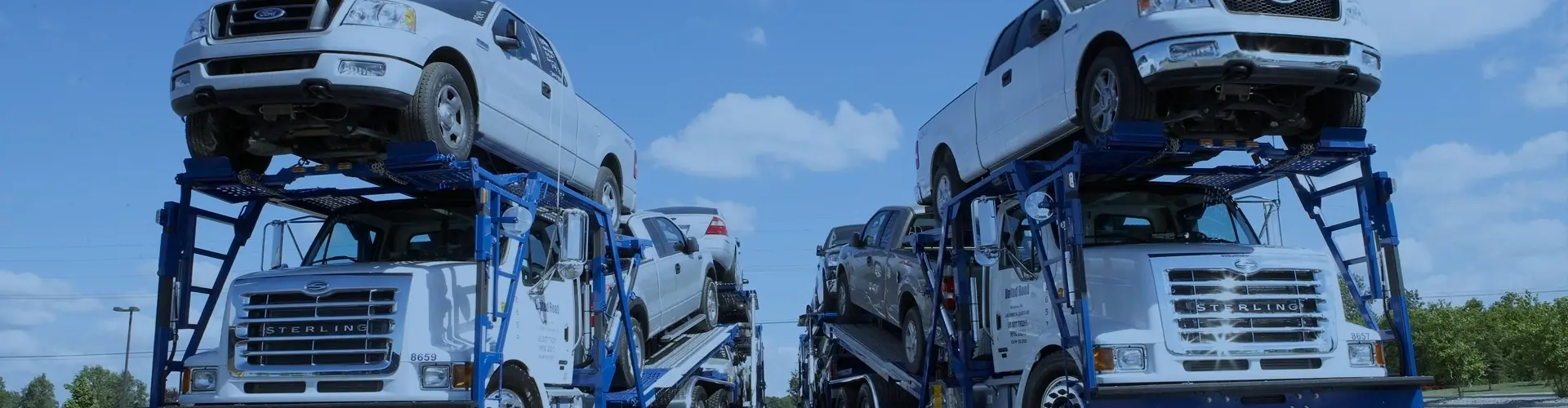
You want your vehicle picked up and delivered with minimum effort. Door to door auto transport brings the truck as close to your address as safety and rules allow. In California, access rules, HOA policies, and street design affect how close a carrier can stage. This guide explains how door to door car shipping works, how pricing and timing change with access, and when a planned meet-up location is the smarter choice. With California Auto Transport, you can compare up to ten free quotes from bonded and insured carriers with years of experience.
What door to door auto transport means
Door to door service means the driver aims to load at your pickup address and unload at your delivery address. A full-size open carrier or enclosed transport trailer is long and tall, so the driver needs room to turn, room to stage ramps, and clear overhead space. If your street supports safe access, the truck will meet you at your curb or driveway. If access is not safe or not legal, the driver will coordinate a nearby meet-up that protects your vehicle and your schedule.
How California access rules affect door service
California cities post truck routes, weight limits, and staging rules. Many HOAs restrict commercial vehicles and loading activity. Hills, narrow streets, low tree branches, tight alleys, and low wires create barriers. Drivers follow posted rules to stay compliant and safe. You still receive door level service, yet the last hundred yards may shift to a nearby wide street or lot if your block cannot support a full-size truck.
What you should expect on a clear access street
On a wide street with clear turns, the driver arrives, sets wheel chocks, stages ramps, and loads or unloads the vehicle. You complete the inspection and sign the Bill of Lading on site. The process is fast and direct. This is the best case for door to door auto transport.
What happens when the truck cannot reach your door
If the driver cannot enter your block, dispatch will call you before arrival. You will set a nearby meet-up with safe access. Good locations include a large retail lot with permission, a public lot with space, or a wide truck-friendly road close to your address. The auto transport insurance coverage and inspection process are the same. The location changes to protect safety and avoid fines.
Get up to 10 free quotes from licensed, insured carriers. One form — compare rates and schedules side by side without calling anyone.
Open carrier or enclosed transport at your address
Open carrier service is the most common and often the lowest price. Enclosed transport protects against weather and road particles and is a strong choice for valuable vehicles. Both service types follow the same access rules. If your street is tight or crowned, an enclosed trailer with a liftgate may need a flat area to operate. In that case, a meet-up keeps the process smooth and prevents equipment issues.
How pricing works for door to door car shipping
Your auto transport quote reflects distance, route density, vehicle size, season, carrier capacity, and fuel. Door to door service typically prices the same as a meet-up when the same truck serves both scenarios. Prices rise if the lane needs smaller equipment for the last mile or if you request expedited shipping with a tight pickup window. Planning ahead helps you control cost and timing.
Pickup and delivery windows you can expect
Standard pickup windows range from one to three days, depending on the lane. Delivery windows depend on distance and route cadence. You will receive estimated dates and driver updates by phone. If you need tighter timing, ask for an expedited pickup or a guaranteed window. Your quotes will show the price change.
What to tell your coordinator about your address
Share details about gates, guard posts, low trees, narrow turns, steep driveways, and HOA rules. Provide gate codes and guard instructions. If your HOA issues fines for commercial vehicles, request a meet-up to avoid penalties. Share a preferred meet-up location near your home. Advance detail reduces the chance of a last-minute change and keeps your handoff on time.
Get up to 10 free quotes from licensed, insured carriers. One form — compare rates and schedules side by side without calling anyone.
How to prepare your vehicle
Wash the car so inspection photos show clear surfaces. Reduce fuel to about a quarter tank. Remove personal items. Secure loose parts and accessories. Disable alarms or share instructions. Confirm the car starts, steers, and brakes. If the vehicle is inoperable, tell dispatch when you request a quote so the carrier assigns the right equipment.
Inspection and documentation
Walk around the car with the driver at pickup. Take time-stamped photos from all sides, including the roof, wheels, and odometer. Repeat the process at delivery. Note any exceptions on the Bill of Lading before you sign. These steps protect you and help resolve issues quickly if they arise. Bonded and insured carriers follow this process on every job.
Door to door in dense California metros
Downtown Los Angeles, San Francisco, and San Diego often require meet-ups because of limited staging space and traffic controls. Expect a planned lot or a wide road near your building. In Oakland, Long Beach, and Santa Monica, city rules often limit where a large truck can stop. Ask your coordinator about the best meet-up options near your address.
Suburban and rural addresses
Suburban streets in Orange County, the Inland Empire, and Sacramento County often support door service. Rural roads in Sonoma, Napa, and the Central Valley can also work if turns and grades are manageable. Confirm bridge limits, seasonal closures, and construction detours. Your driver will choose the safest approach based on current conditions.
Get up to 10 free quotes from licensed, insured carriers. One form — compare rates and schedules side by side without calling anyone.
EVs and special vehicles
For EVs, keep the state of charge in a moderate range. Tell the driver if the car requires a start sequence. For low ground clearance cars, ask about ramp extensions or consider enclosed transport with a liftgate. For lifted trucks and tall vans, confirm height limits and deck placement options.
Why quotes differ between companies
Each carrier runs different routes, uses different equipment, and has different capacity on a lane. One carrier may place a truck in your area daily. Another may run every three days. When you compare up to ten free quotes, you see how each carrier plans to reach your door and what that plan costs.
How communication keeps your timeline on track
Keep your phone on during pickup and delivery windows. Answer driver calls and confirm instructions. Share a map pin if you use a meet-up. Send a photo of the entrance and any landmarks. Small details prevent wrong turns and delays.
When to choose a meet-up over strict door service
Choose a meet-up when your street cannot support a large truck, when your HOA restricts staging, or when events or construction affect access. Choose a meet-up if you want a faster handoff during rush hours in dense metros. A nearby meet-up often achieves a safe, predictable handoff better than a forced approach to a tight block.
Top-load placement on open carriers
If you ship on an open carrier, you can request top-load placement. The top deck reduces exposure to drips from vehicles above and can reduce road spray. It does not replace the protection of an enclosed trailer. If you want the highest protection, choose enclosed transport.
Get quotes and schedule today
Call now at 1-800-590-6492 24 hours a day or complete the form on this page. You will receive up to ten free quotes from trusted auto transport companies. You will see how each carrier plans to reach your door, what the pickup window looks like, and how delivery will work at your address.