
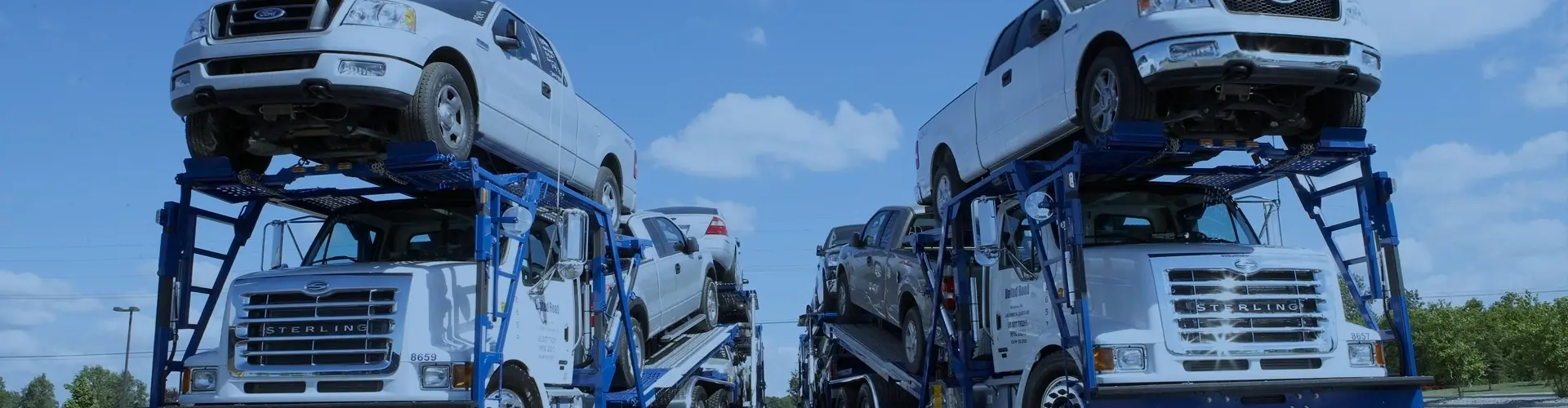
California Auto Shipping Rates: What to Expect
The table below shows estimated price ranges for shipping a standard sedan from California, broken down by distance and transport type. Larger vehicles (SUVs, trucks, minivans) typically run $100–$150 more than sedan rates. Luxury or classic vehicles in enclosed transport add $200–$300 above the enclosed sedan range.
| Distance from California | Example Routes | Open Carrier (Sedan) | Enclosed Carrier (Sedan) |
|---|---|---|---|
| Under 500 miles | CA to Nevada, CA to Arizona | $350 – $650 | $600 – $950 |
| 500 – 1,000 miles | CA to Oregon, CA to Utah, CA to New Mexico | $600 – $900 | $950 – $1,300 |
| 1,000 – 1,500 miles | CA to Colorado, CA to Texas, CA to Oklahoma | $800 – $1,100 | $1,200 – $1,600 |
| 1,500 – 2,000 miles | CA to Illinois, CA to Tennessee, CA to Georgia | $950 – $1,300 | $1,400 – $1,900 |
| Over 2,000 miles | CA to New York, CA to Florida, CA to Virginia | $1,100 – $1,600 | $1,650 – $2,300 |
* Estimated ranges based on recent California shipments for a standard sedan in good running condition. Actual rates depend on your specific vehicle, pickup and delivery locations, booking date, and current carrier availability. Use the form on this page to get real quotes from carriers running your route now.
What Affects Your California Auto Shipping Rate
Eight factors determine what carriers quote for your specific shipment. Understanding each one helps you make smarter decisions about timing, service level, and what to disclose when requesting quotes.
Distance
The single biggest pricing factor. Longer routes cost more in fuel, driver time, and carrier overhead. However, cost per mile decreases with distance — shipping 2,000 miles costs less than twice what 1,000 miles costs, because carriers spread fixed overhead across more miles.
Vehicle Type and Size
Larger vehicles take up more space on the carrier, reducing the number of vehicles that can fit on a single load. A full-size pickup truck or large SUV typically costs $100–$200 more than a standard sedan on the same route. Aftermarket additions like lift kits or oversized mirrors add further cost.
Open vs. Enclosed Transport
Open carriers are the most common and most affordable option. Enclosed carriers provide full weather and debris protection and typically cost 30–40% more than open for the same route. See the full comparison below.
Door-to-Door vs. Terminal Service
Door-to-door delivery costs more because the carrier makes a dedicated stop at your address. Terminal-to-terminal service is typically $50–$150 less, since you drop off and pick up at fixed locations where carriers make regular stops.
Time of Year
Peak moving season (May through September) and snowbird season (October through November on Florida and Southeast routes) drive rates up due to high demand. Winter months — especially January and February — tend to offer the most competitive pricing on most California routes.
Fuel Costs
Diesel fuel is the primary operating cost for auto transport carriers. When diesel prices rise, carriers adjust their rates accordingly. How fuel prices affect your shipping cost explains this relationship and when to lock in a quote.
Route Popularity
High-volume routes like California to Texas, Florida, and New York have more carriers competing for business, which keeps rates competitive and dispatch times fast. Less-traveled routes have fewer carriers and can command a premium. The dispatch schedule on our services page shows frequency by state.
Vehicle Condition
Running vehicles load and unload under their own power, which is standard. Non-running or inoperable vehicles require a winch or forklift for loading, which limits carrier availability and adds $150–$300 to the rate. Always disclose this upfront — misrepresenting a vehicle's condition can void carrier insurance.
Open vs. Enclosed Auto Shipping Rates
The choice between open and enclosed transport is the most direct lever you have over your shipping cost. Here's how the two compare on pricing and value:
Open Auto Shipping
Most Popular- 30–40% less expensive than enclosed on the same route
- More carriers available — faster dispatch from booking
- The standard choice for sedans, SUVs, trucks, and minivans
- Vehicles are exposed to weather and road debris during transit
- Cargo insurance required on all licensed open carriers
- Best value for any vehicle under $50,000
Typical rate: $350 – $1,600 depending on route
Enclosed Auto Shipping
Premium Protection- Full protection from weather, road debris, and grime
- Typically costs 30–40% more than open on the same route
- Best for luxury vehicles, classics, exotics, and low-clearance cars
- Carriers commonly carry $500,000 or more in cargo coverage
- Fewer carriers available — book further in advance
- Worth the premium for any vehicle over $75,000 or irreplaceable
Typical rate: $600 – $2,300 depending on route
Not sure which is right for your vehicle? Read the full open vs. enclosed auto transport comparison or call 1-800-590-6492 and we'll help you decide.
Available California Auto Shipping Discounts
Several discounts can meaningfully reduce your shipping rate. Mention your eligibility when requesting quotes and discounts are applied before you see any pricing.
Military Auto Shipping Discount
Active duty military personnel, veterans, and military families qualify for a 10–15% discount off standard auto shipping rates. This applies to personal vehicle transport for any reason — not just PCS moves. Simply mention your military status when you call 1-800-590-6492 or note it in the quote form, and the discount is applied to all quotes you receive.
If you're moving under PCS orders, our carriers are experienced with military timelines and documentation requirements. Don't wait until the last minute — peak PCS season (May through August) sees the highest demand and rates.
Multiple Vehicle Shipping Discount
Shipping two or more vehicles at the same time — same pickup, same destination — qualifies for a multi-vehicle discount of 10–20% per additional vehicle. This is common among families relocating, auto dealers moving inventory, or buyers who purchased multiple vehicles at auction.
Each additional vehicle reduces the per-unit cost because the carrier fills more capacity on a single dispatch, lowering their cost per vehicle shipped.
Student Discount
College students shipping a vehicle to or from school qualify for a student discount on California auto shipping rates. High-volume student routes — particularly California to Texas, Florida, New York, and North Carolina — often have strong carrier availability in August and May, which also helps keep rates competitive during those windows.
Mention your student status when requesting quotes to have the discount applied automatically.
Off-Season Pricing
January and February consistently offer the most competitive California auto shipping rates of the year. Demand drops after the holiday season and before spring PCS orders kick in, which means carriers are more willing to negotiate and fewer customers are competing for the same dispatch slots.
If your timeline is flexible and cost is the priority, shipping in January or February can save 15–25% compared to peak summer rates on the same route.
How to Evaluate California Auto Shipping Quotes
Getting multiple quotes is step one. Knowing how to compare them fairly is step two. Price alone is not always the best guide — here's what to look at in each quote you receive.
Verify the Carrier's FMCSA Registration
Before price means anything, confirm the carrier holds an active MC number at FMCSA SAFER. An unlicensed carrier offering a low rate is not a deal — it's a risk. This takes less than two minutes and rules out anyone operating without federal authorization.
Confirm the Quote Is All-In
Some quotes exclude fuel surcharges, liftgate fees for non-running vehicles, or remote delivery fees. Ask specifically: "Is this the final price?" A quote that looks $100 cheaper may actually cost more after add-ons. Read our guide on questions to ask before booking to cover every angle.
Compare Transit Times, Not Just Price
A quote $75 cheaper that takes 4 extra days might cost more in hidden expenses — extended rental car, rescheduled work, or hotel nights. Factor transit time into the true cost comparison, not just the shipping price. Ask each carrier for their estimated pickup window and delivery window.
Check Insurance Coverage
Every licensed carrier must carry cargo insurance, but coverage limits vary. Open carriers typically carry $100,000–$250,000 per load; enclosed carriers commonly carry $500,000 or more. For a high-value vehicle, higher coverage justifies a higher rate. Learn exactly what auto transport insurance covers before making your decision.
Read Recent Reviews — Especially the Negative Ones
A carrier with a 4.2-star average and 200 reviews who responds to complaints professionally is more reliable than one with a perfect 5.0 from 8 reviews. Check Google and the Better Business Bureau. How a company handles a problem tells you more than their best-case rating.
For the full framework, read why comparing auto transport quotes matters and how to choose the right carrier.
Tips to Get the Best California Auto Shipping Rate
You can't control fuel prices or route demand, but these six factors are directly in your control and each one can reduce what you pay.
Book 1–2 Weeks in Advance
Last-minute bookings limit your carrier options to whoever has capacity right now — and urgency commands a premium. Booking 7–14 days ahead gives carriers time to plan around your pickup and gives you the full range of competitive quotes. Read more on saving money on California auto shipping.
Be Flexible on Pickup Date
A 2–3 day pickup window instead of a single required date makes it far easier for carriers to route your vehicle into an existing run. Carriers who can work your vehicle into a planned dispatch don't need to add cost for a special trip. Flexibility is one of the fastest ways to lower your quote.
Consider Terminal Service
If a terminal is within a reasonable drive, terminal-to-terminal shipping can save $50–$150 compared to door-to-door. This works especially well if you're near a major California city where terminals have frequent outbound dispatches.
Ship in the Off-Season
January, February, and early March consistently offer the lowest California auto shipping rates of the year. If your move allows for flexibility on timing, shipping outside peak season (May–September) can save 15–25% on the same route.
Disclose Everything Accurately
Misrepresenting your vehicle — understating its size, hiding that it's non-running, or failing to mention modifications — can result in surprise fees at pickup or, worse, a voided insurance claim. Accurate specs upfront ensure your quote is your final price.
Choose Open Over Enclosed (When Appropriate)
If your vehicle is a standard sedan, SUV, or truck in good condition, open shipping is the right choice and costs 30–40% less than enclosed. Save enclosed for high-value vehicles that genuinely need weather protection. Don't pay a premium you don't need.
California Auto Shipping Rates — FAQ
How much does it cost to ship a car from California?
California auto shipping rates start around $350 for short routes (under 500 miles, like California to Nevada or Arizona) and run up to $1,600 or more for long-haul routes (over 2,000 miles, like California to New York or Florida) for a standard sedan on an open carrier. Enclosed transport typically costs 30–40% more. See the rate table above for a full breakdown by distance. The most accurate way to find your specific rate is to get free quotes from carriers running your route.
Why do auto shipping quotes vary so much between carriers?
Each carrier prices based on their current route capacity, equipment availability, and existing dispatch schedule. A carrier with an open slot heading your direction quotes less than one who'd need to detour. Seasonal demand, fuel prices, and the specific pickup and delivery ZIP codes also contribute to variation. This is exactly why comparing multiple quotes is so important — it gives you the full range of what your route actually costs right now.
Is the cheapest auto shipping quote always the best choice?
Not always. A significantly lower quote warrants closer inspection — confirm the carrier's FMCSA registration is active, verify their insurance certificate, and check recent reviews. Some low quotes exclude fees that get added at pickup, making the final cost higher than a slightly more expensive all-in quote. Price is important, but reliability and insurance coverage matter just as much for protecting your vehicle.
Is cargo insurance included in my auto shipping rate?
Yes. All FMCSA-licensed carriers are required to carry cargo insurance, and it's included in your quoted rate — not a separate add-on. Open carriers typically carry $100,000–$250,000 per load; enclosed carriers commonly carry $500,000 or more. Your personal auto insurance policy generally does not cover your vehicle during transport, so the carrier's cargo insurance is your primary protection. Learn more about what auto transport insurance covers.
What's not included in most auto shipping quotes?
Most standard quotes cover the transport of your vehicle door-to-door or terminal-to-terminal. They typically do not cover personal belongings left in the car (which most carriers prohibit or limit to under 100 lbs in the trunk), liftgate or winch fees for non-running vehicles, or fees for oversized aftermarket accessories. Read the full details on shipping personal items and always confirm what your specific quote includes.
How far in advance should I book to get the best rate?
Booking 7–14 days before your desired pickup date gives you the best combination of carrier availability and competitive pricing. Booking more than 3 weeks out can sometimes lock in a rate before peak-season increases hit. Last-minute bookings (under 48 hours) typically cost more due to limited carrier availability. During peak season (May–September), book at least 2 weeks ahead.
Does vehicle color, age, or year affect the shipping rate?
No. Vehicle color and model year do not affect the rate. What matters is the vehicle's physical dimensions (length, height, weight), its running condition, and whether it has aftermarket modifications that affect loading. A 2018 Honda Civic and a 2024 Honda Civic cost the same to ship — because they occupy the same space on the carrier. What changes the rate is going from a sedan to a full-size truck, or from a running vehicle to a non-running one.
Can I negotiate an auto shipping rate?
You can, but the most effective approach is indirect. The best negotiating tool is competing quotes — carriers know you have other options, and that alone produces better pricing than haggling on a single quote. Being flexible on your pickup date and considering terminal service are the two most reliable ways to lower the rate without confrontation. For time-sensitive situations, expedited auto shipping is available but typically costs 25–40% more than standard rates.
Ready to Find the Best California Auto Shipping Rate?
One form gets you up to 10 free quotes from licensed, insured carriers running your route today. Compare rates, transit times, and carrier details — then book only if you're ready.