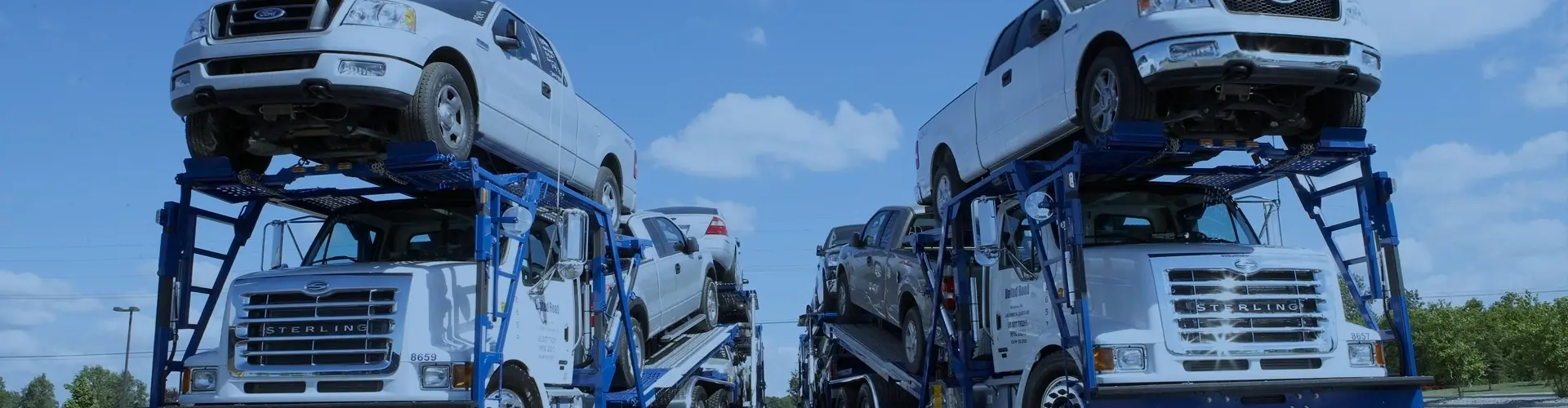
Fuel is the invisible line on every auto transport invoice. When gasoline and especially diesel costs rise in California, the expense to move a multi-vehicle hauler increases with it. Dispatchers adjust routes, reserve deck space, and plan stops based on mileage, traffic, and weight—and fuel sits at the center of those decisions. This guide explains how gas prices impact California auto transport fees, what a fuel surcharge really is, and how your choices—equipment, windows, staging—can lower the total without risking delays. With California Auto Transport, you can compare up to ten free quotes from bonded and insured carriers, so you see real plans and current costs before you book.
Why fuel costs matter more for car shipping than for daily driving
Car haulers burn more fuel per mile than passenger vehicles because of size, weight, and drag. A loaded stinger-steer open carrier can carry up to 7–10 vehicles; enclosed trailers haul fewer cars and weigh more, increasing consumption. In California’s urban corridors, stop-and-go traffic and idling at tight curbs add minutes and gallons. Add in mountain grades on I-5 or I-80, headwinds on the coast, and detours for construction—fuel becomes the second-largest input after labor. That is why per-mile rates and fuel surcharges shift when statewide gas and diesel prices move.
What a fuel surcharge (FSC) is—and how it’s calculated
A fuel surcharge is a variable line item designed to track fuel markets. Some carriers price all-in and bake FSC into a single rate; others separate it so you can see the fuel component explicitly. FSCs typically float with regional diesel indexes and are recalculated weekly. On dense lanes with high competition, carriers may include fuel in binding quotes. The takeaway: what matters is clarity about whether fuel is included or variable—and how often it resets.
Get up to 10 free quotes from licensed, insured carriers. One form — compare rates and schedules side by side without calling anyone.
California route density and directional balance
California’s I-5 spine, US-101, and I-80 corridors carry the most capacity. Dense lanes allow dispatchers to fill decks efficiently and minimize deadhead miles, which lowers fuel per car. Direction matters: Los Angeles to the Bay Area may price differently than the reverse on a given week because of where trucks and loads concentrate. Rural origins off the interstate grid require longer positioning drives, increasing fuel burn before your pickup even starts. This is why two 400-mile moves can price differently: one fits a loaded route; the other adds extra miles and time to reach you.
Urban staging realities: idling, curb time, and CARB-minded planning
In downtown LA, San Francisco, and San Diego, bus lanes, bike lanes, and loading rules limit where a 75–80-foot rig can stage. Every minute spent circling or idling increases fuel consumption and risk of a dry run. Smart meet-ups on wide arterials or permitted lots reduce wasted miles and fuel. California carriers also optimize to minimize unnecessary idling, aligning with state air-quality priorities, but street geometry still dictates approach time—and ultimately cost. Choosing a nearby meet-up can lower your total more than you expect by cutting staging fuel and delay.
Equipment choice: open vs enclosed and the fuel equation
Open carrier is the most fuel-efficient option per vehicle because the trailer carries more cars. Enclosed transport protects paint and low aero but hauls fewer vehicles and weighs more, raising fuel per car. If exposure risk is low and timing is tight, open often balances speed and cost best. If the vehicle is high-value or freshly painted, enclosed makes sense—just understand why the per-mile price is higher: weight, drag, and lower unit count. Requests like top-load placement on open have minimal impact on fuel but can add a modest premium for deck planning.
Get up to 10 free quotes from licensed, insured carriers. One form — compare rates and schedules side by side without calling anyone.
Vehicle size and weight: how your car changes the math
Heavier and taller vehicles—full-size SUVs, lifted trucks, roof-rack builds—consume a larger share of fuel per trip. Extra height affects deck placement and drag; added weight reduces how many units a carrier can legally load, raising the per-vehicle cost of the entire run. Oversize fees are not arbitrary—they reflect deck fit, weight balance, and fuel share. When in doubt, share height to the highest point, width at mirrors, and any add-ons so your quote reflects real fuel usage and avoids re-plans.
Expedited and guaranteed windows: why speed costs fuel
Expedited car shipping and guaranteed pickup/guaranteed delivery narrow the schedule, forcing dispatchers to position trucks faster and sometimes run extra miles with open deck space. Those “deadhead” miles still burn fuel. On dense lanes the premium can be modest; on thin lanes it grows, because the truck may need to divert or skip lower-priority stops. If your deadline has dollars attached, the premium can be worth it—just recognize that the speed you buy largely covers time and fuel pulled forward.
Get up to 10 free quotes from licensed, insured carriers. One form — compare rates and schedules side by side without calling anyone.
How quotes are built when fuel is volatile
A reliable auto transport quote has a line-haul component (distance and lane density), a fuel component (FSC or baked-in), and accessorials (tolls, terminals, storage after grace periods, inoperable handling). Some providers present a binding all-in number that explicitly includes fuel; others show FSC separately so it can float with the weekly index. Alongside the numbers, you should see service type, equipment, pickup window, and delivery window, so you can compare apples to apples.
Meet-ups vs curbside: small changes, real fuel savings
Every blocked cul-de-sac, steep crowned street, or HOA that prohibits staging adds time and miles. A planned meet-up on a wide, flat road lets the driver approach once, load safely, and leave—minimizing idle and detours. The door to door service level is identical; only the safe location changes. In high-fuel periods, this simple step can shave enough minutes to lower the price you pay or make an expedited slot feasible.
Inoperable vehicles and EV specifics: fuel through the operations lens
Non-runners that need winch service, skates, or extra labor add minutes per stop, lengthening engine-on time. EVs weigh more than comparable gas cars and may require lower-deck placement or enclosed liftgate service for low noses; both choices can raise fuel per vehicle. EVs also need a healthy 12-volt battery to engage transport mode—if the driver must troubleshoot on site, the clock (and fuel) keeps ticking. Disclose condition and steps up front to keep the plan efficient and the fuel footprint aligned with your quote.
Get up to 10 free quotes from licensed, insured carriers. One form — compare rates and schedules side by side without calling anyone.
Seasonality and events: why the same lane changes by month
Summer relocation waves, college move-ins, holiday traffic, and weather events (storms, heat waves, wildfire detours) shift timing and fuel burn. Directional imbalances—snowbird flows, for example—can make one direction more expensive than the reverse even with identical miles. Calculators that multiply distance by a flat rate miss these inputs; live quotes reflect them in the FSC and the lane rate that week.
Reading quotes for fuel clarity: included vs separate
Scan for language like “all-in includes fuel” versus “rate plus variable FSC.” Neither is inherently cheaper; it depends on the lane and reset frequency. If fuel is separate, ask the index and update cadence. If all-in, confirm how long the rate is honored. In both cases, check whether tolls, terminals, or storage are included. Transparency lets you compare offers fairly.
Ways to reduce your fuel-driven cost without losing time
Offer a half-day pickup band instead of an exact hour. Provide gate codes and a backup meet-up. Keep the car ready with a quarter tank and no personal items. If you do not need enclosed, choose open carrier. If you need enclosed, consider a firm pickup and a preferred delivery band rather than two hard guarantees. These small flex points reduce detours, idle time, and repositioning miles—the fuel behind the fee.
Why comparing multiple live quotes works best in California
Each carrier sees a different board and holds different capacity on your dates. One truck may be 12 miles away with lower FSC exposure; another might be 120 miles away and need to reposition through traffic. By comparing up to ten free quotes, you see the spread created by fuel, routing, and timing across real fleets. You also confirm that every option comes from licensed, bonded, and insured providers.
Insurance, documentation, and your protection
Regardless of fuel pricing, professional carriers maintain active authority and cargo coverage; you can request proof at booking. At pickup, complete the Bill of Lading with a condition report and time-stamped photos; repeat at delivery and note any exceptions before signing. These records protect you and speed resolution if you need to file a claim.
The bottom line: gas prices are controllable when plans are clear
You cannot set diesel prices, but you can choose a plan that uses fuel efficiently. Pick the right equipment, allow a realistic window, stage at a safe meet-up when streets are tight, and compare live options. You will see how routing, deck placement, and timing convert into gallons—and into dollars—on your quote. That is how you control California auto transport fees even when fuel rises.
Get quotes and schedule today
Call now at 1-800-590-6492 24 hours a day or complete the form on this page. You will receive accurate, written options that reflect current fuel conditions on your lane, with prices, pickup windows, delivery windows, and equipment choices—so you can book California car shipping with confidence and value.