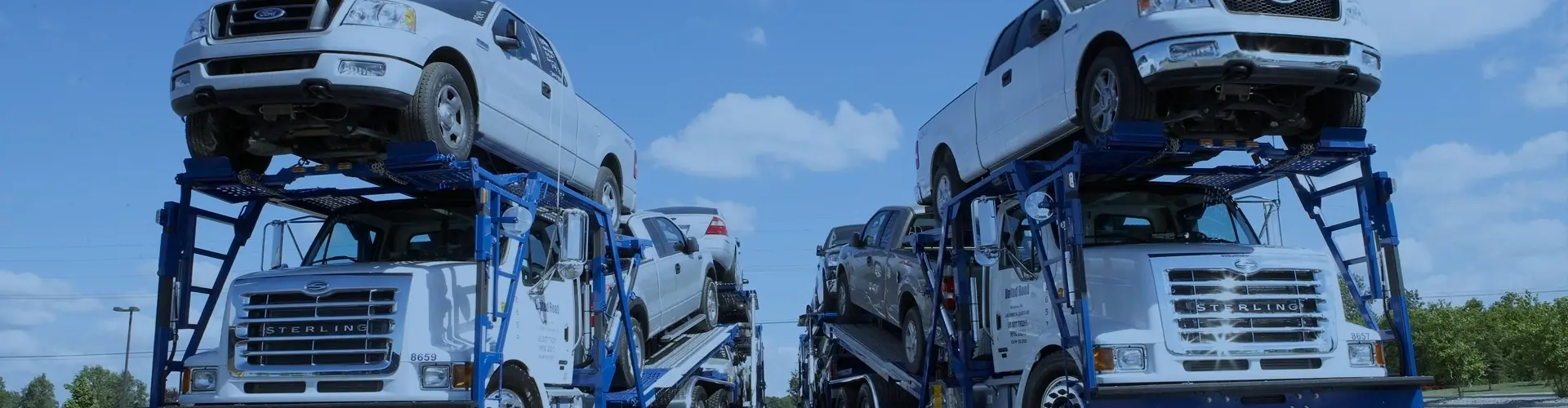
What to Expect When Shipping a Vehicle in Winter
Winter weather brings unique challenges to the auto transport industry, affecting everything from scheduling to pricing and delivery times. Whether you're planning to transport your vehicle to or from snow-prone regions or simply want to understand how winter conditions might affect your shipment, this guide covers what to expect and how to prepare.
Understanding Winter's Impact on Auto Transport
Winter weather conditions significantly affect auto transport operations across the country. From the snow-covered roads of the Northeast to the icy highways of the Midwest, and even occasional winter storms in typically warm regions, these weather patterns create real challenges for both transport companies and vehicle owners.
During winter months, many northern routes experience frequent snowfall, ice accumulation, and freezing temperatures. These conditions affect road safety, transport schedules, route planning, and overall service delivery. Even in California, winter weather in mountainous regions and neighboring states can affect transport timelines and routes.
Get up to 10 free quotes from licensed, insured carriers. One form — compare rates and schedules side by side without calling anyone.
Weather-Related Challenges in Winter Auto Transport
Snow and ice present significant challenges for carriers. Roads may become slippery or impassable, leading to delays or route modifications. Heavy snowfall reduces visibility, making it unsafe for carriers to operate at normal speeds. In extreme cases, roads may close entirely, forcing transport companies to find alternative routes or temporarily halt operations.
Cold temperatures also affect vehicles during transport. Extreme cold impacts battery performance, tire pressure, and fluid viscosity. Professional auto transport companies implement special procedures to protect cars from weather-related damage during winter hauls.
Route Planning and Scheduling Considerations
Winter weather requires careful route planning and flexible scheduling. Transport companies must continuously monitor weather forecasts and road conditions across multiple states to ensure safe and efficient delivery. This may mean choosing alternate routes to avoid severe weather, even if it results in slightly longer transit times.
Experienced carriers who run winter routes understand which corridors stay passable and which need bypassing. Their judgment on route selection is often the single biggest factor in whether a winter shipment arrives on time.
Get up to 10 free quotes from licensed, insured carriers. One form — compare rates and schedules side by side without calling anyone.
Cost Implications of Winter Auto Transport
Winter auto transport often carries different pricing than other seasons. Slower travel times due to weather increase fuel consumption. Carriers may need specialized equipment or longer routes to avoid hazardous conditions. Additionally, certain popular routes see higher demand during winter months, particularly to and from warmer states like Florida and Arizona.
However, some routes offer better rates during winter, especially in less-traveled areas. Getting multiple quotes is particularly valuable during winter months — rates can vary significantly across carriers on the same route.
Preparing Your Vehicle for Winter Transport
Proper vehicle preparation becomes even more important during winter transport. Check antifreeze levels for appropriate cold weather protection. Ensure battery charge is sufficient, as cold temperatures reduce battery capacity. Check tire pressure — cold air causes pressure to drop, and underinflated tires can affect how carriers load and secure your vehicle.
Remove any external accessories that might be affected by winter weather or create additional wind resistance, including bike racks, ski racks, and custom accessories that can collect snow or ice during transport.
Get up to 10 free quotes from licensed, insured carriers. One form — compare rates and schedules side by side without calling anyone.
Special Considerations for Different Vehicle Types
Classic cars often need enclosed transport during winter to protect them from salt, road grime, and temperature extremes. Electric vehicles require special attention to battery management in cold temperatures — charge to a moderate level before transport and be aware that cold will reduce range. Convertibles need secure tops to prevent snow accumulation or weather damage during open carrier transport.
The Role of Insurance During Winter Transport
Insurance coverage becomes particularly important during winter transport. Weather-related delays are generally not covered by insurance, but damage from weather events during transport should be covered under the carrier's cargo policy. Thoroughly document your vehicle's condition before transport, paying special attention to any existing damage. This documentation is essential if you ever need to file a claim.
Communication During Winter Transport
Clear communication is critical when winter weather is a factor. Weather conditions can change rapidly, affecting delivery schedules. Ask your carrier or broker for a point of contact who can provide updates on your vehicle's status and any weather-related delays or route changes. A good service provider keeps you informed — you should never be left guessing about where your vehicle is.
Get up to 10 free quotes from licensed, insured carriers. One form — compare rates and schedules side by side without calling anyone.
Tips for Successful Winter Auto Transport
- Book earlier than you would in other seasons — winter capacity fills faster on popular routes
- Build flexibility into your schedule; winter transit times are often 1–2 days longer than summer estimates
- Consider enclosed transport for high-value, classic, or convertible vehicles
- Document your vehicle thoroughly with photos before pickup
- Check antifreeze, battery, and tire pressure before the carrier arrives
- Get multiple quotes — winter pricing varies considerably across carriers