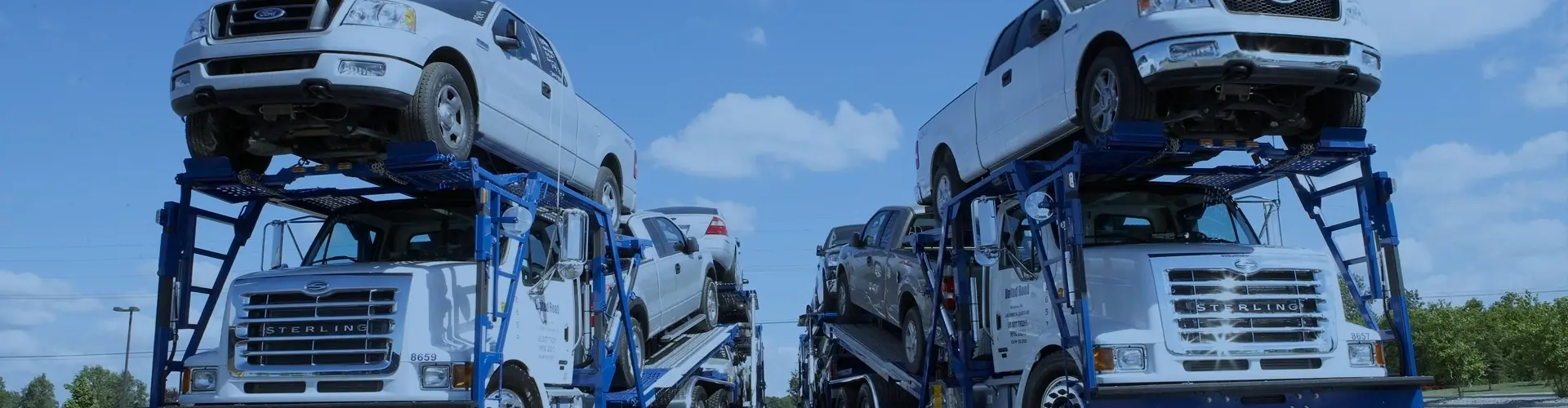
You can ship an electric vehicle with a clear plan and a fair price. EV car shipping in California adds a few steps that protect the battery and the vehicle. Focus on a safe state of charge, the correct transport mode or tow setting, and simple battery safety checks. With California Auto Transport, you can compare up to ten free quotes from bonded and insured carriers and select a plan that meets your timeline and budget.
EVs weigh more than similar gas models, they use electronic controls for park and neutral, and they rely on a healthy 12-volt system for loading. These details affect equipment choice, on-site time, and price. Share accurate information when you request quotes so dispatch assigns the right truck and tools.
The steps in this guide apply to most brands. Always check your owner’s manual for transport settings, tie-down guidance, and charge targets. Use those settings at pickup and confirm them again at delivery.
Target state of charge for safe shipping
Ship your EV at a moderate level. A target of 30 to 50 percent state of charge supports loading and unloading, and it reduces heat buildup during storage. Avoid sending the car at 100 percent unless your maker requires it for a specific case.
Ocean terminals often set lower limits. If your move includes ocean transit, confirm the port rule. Many ports request 30 percent or below. For ground transport alone, 30 to 50 percent is practical for most models.
Extreme temperatures affect the battery. In hot weather, park in shade before pickup if possible. In cold weather, keep the car indoors if you can. These steps help the traction battery and 12-volt battery stay in a comfortable range.
If the vehicle may sit at a yard for several days, plan your delivery timing to avoid deep discharge. Most storage sites do not charge EVs; early pickup reduces the chance of unnecessary drain.
Get up to 10 free quotes from licensed, insured carriers. One form — compare rates and schedules side by side without calling anyone.
Transport mode and tow settings
Every EV has a defined loading procedure. Some use a transport mode. Others use a tow or service mode. The goal is to allow controlled rolling and steering without powertrain damage. Check your manual and write the steps on a note for the driver.
Most EVs need an active 12-volt system to shift to neutral or to enable tow mode. If the 12-volt battery is weak, the car may lock in park. Charge or replace the 12-volt battery before pickup to prevent delays and extra labor charges.
Do not roll drive wheels on the ground unless your maker allows it. Many EVs require wheels off the ground or a controlled winch service with dollies as needed. Your driver will use a winch if the car cannot move under its own power or if tow mode is temporary.
If the model uses a manual park release, share the exact location and steps with dispatch. Some releases sit behind trim. Clear instructions help the driver set the car safely.
Get up to 10 free quotes from licensed, insured carriers. One form — compare rates and schedules side by side without calling anyone.
Battery safety and simple checks
Inspect high-voltage warning labels and shields. If you see a damaged undertray, a cracked battery shield, or signs of fluid, notify dispatch before pickup. Carriers will not load a vehicle that shows a high-voltage fault.
Turn off scheduled charging and preconditioning. Disable any climate or charging routines that start automatically. Remove portable charge cables and adapters from the charge port and store them in the trunk in a bag.
Check parking brake function. Confirm that you can enable tow or transport mode with the steps you plan to use. If the car uses a PIN to drive or a key card, have the method ready. Place the fob or card in a labeled envelope.
Record the state of charge at pickup on the Bill of Lading. Take a photo of the cluster that shows the percentage. Do the same at delivery. These notes support accurate records and any insurance review.
Get up to 10 free quotes from licensed, insured carriers. One form — compare rates and schedules side by side without calling anyone.
Open carrier or enclosed transport for EVs
Open carrier is the best value on many routes. It offers frequent capacity and faster matching on common lanes. You can request top-load placement to reduce exposure to drips from vehicles above. Availability depends on the deck plan.
Enclosed transport shields your EV from weather and road particles. It fits high-value cars, fresh paint, and low ground clearance. Many enclosed carriers use liftgates and soft straps, which protect noses, diffusers, and undertrays during loading.
If you request expedited car shipping, dispatch will prioritize your EV on the next viable truck. Expedited timing adds a premium that varies by lane and season. Review the written window and the cost before you confirm.
Share driveway slope and street access notes. Low noses can scrape at steep transitions. A planned meet-up on a wide, flat street prevents contact and keeps the schedule on time.
Get up to 10 free quotes from licensed, insured carriers. One form — compare rates and schedules side by side without calling anyone.
Pricing factors you should expect
Your auto transport quote reflects distance, route density, season, fuel, and capacity. EV weight can reduce deck count on a given truck, which affects price. Some carriers add a small EV handling fee to cover transport mode steps and added loading time.
Open service prices lower than enclosed on most lanes. Tight pickup windows and guaranteed delivery add premiums. Rural addresses add repositioning miles. Urban streets can add on-site time. Live quotes show these inputs; static calculators do not.
Ask for inclusions and exclusions in writing. If a terminal is involved, confirm storage grace periods and daily rates. Compare several offers and review timing, equipment, and notes about transport mode. Choose the plan that matches your dates and access reality, not only the lowest number.
Pickup and delivery windows
On frequent California corridors, standard pickup windows run one to three days after booking. Delivery windows depend on distance and carrier cadence. Regional deliveries often complete in two to four days after pickup. Cross-country deliveries often complete in seven to fourteen days.
If your timing is strict, request a priority slot or a guaranteed pickup window. Guarantees cost more because dispatch removes flexibility to meet your date. Review the written terms and decide based on your deadline and budget.
Keep your phone on during the windows. Share a backup meet-up location if your street is tight. Clear access plans protect timing and prevent dry-run fees. Confirm contact numbers for you and any authorized contact at both ends.
Get up to 10 free quotes from licensed, insured carriers. One form — compare rates and schedules side by side without calling anyone.
Inspection and documentation
At pickup, complete the Bill of Lading with the driver. Note state of charge, mileage if visible, and current marks. Take time-stamped photos of all sides, roof, glass, wheels, and the cluster that shows charge level.
At delivery, repeat the photos and compare. If you see a new issue, write it on the Bill of Lading before you sign. Ask the driver to initial your note. Keep copies of both forms and your photos. These records support auto transport insurance reviews if needed.
Avoid immediate fast charging if the battery is very cold or very hot. Allow a moderate temperature first. Use a Level 2 charge for the first session if the pack is out of range.
If you see warnings that did not appear before transport, photograph them and contact the carrier promptly. Timely notice helps with troubleshooting and keeps claim windows valid.
Inoperable EVs and winch service
If the EV will not start, steer, or brake, disclose this at the quote stage. Winch service and extra labor may apply. Many models allow a transport mode when the 12-volt battery is charged. If the 12-volt battery is dead, the car may not shift; charge or replace it before pickup.
Locked wheels require skates or dollies. These tools add time. Some controlled yards allow forklifts, which add cost and risk. Accurate disclosure avoids delays and extra fees.
If the model uses an electronic parking brake, share the release steps. Some sequences require a service screen. Place the key card or fob where the driver can access it and provide any PIN codes needed for tow or transport mode.
Get up to 10 free quotes from licensed, insured carriers. One form — compare rates and schedules side by side without calling anyone.
Access planning for low clearance EVs
Many EVs have low noses and long overhangs. Share driveway slope, curb cuts, and speed bumps near your address. If the ramp angle looks tight, plan a meet-up on a flat lot. Drivers can deploy longer ramps or use a liftgate on enclosed trailers to reduce angles.
Open carriers can stage EVs on lower decks to protect roof clearance. Enclosed trailers require door height checks. Send exact height and width at mirrors when you request quotes. These numbers decide fit and deck placement.
Keep the path clear at pickup and delivery. Move other vehicles as needed. The driver will set wheel chocks and secure straps. Confirm gate codes, guard procedures, and parking rules. Clear directions prevent missed turns and save time at handoff.
How California Auto Transport helps EV owners
You receive clear pricing and real schedules from teams that handle electric vehicle transport every day. Every company you compare is bonded and insured. You can request open carrier or enclosed transport, standard windows or expedited car shipping, and door service or a planned meet-up.
Each quote lists equipment, windows, and notes about transport mode or winch service. You see inclusions and any conditional fees. Set your earliest pickup date and your latest acceptable delivery date. Share the state of charge target and the steps for tow or transport mode. Provide access notes and a backup meet-up location near each address.
Get quotes and schedule today
Call now at 1-800-590-6492 24 hours a day or complete the form on this page. You will receive up to ten free quotes with prices, pickup windows, delivery windows, and equipment options for your EV. You can ship with confidence and a plan that fits your budget.