

Oxnard to San Francisco Car Shipping Route
Oxnard to San Francisco covers approximately 371 miles, with carriers accessing the route via US-101 North directly from the city's main grid. Most runs stay on US-101 through Ventura, Santa Barbara, San Luis Obispo, and Salinas before connecting into the Peninsula and the Bay. Some carriers use SR-1 for segments of the coastal leg, though US-101 is the standard commercial route for multi-car haulers. The drive takes a solo driver seven to eight hours under normal conditions — add fuel, wear on your vehicle, and a night stay if needed, and the math on shipping versus driving shifts quickly. Read more at https://california.auto-transport-shipping.com/articles/benefits-of-auto-transport-service-vs-driving-yourself.html
San Francisco demand is driven by specific institutional anchors. UCSF Medical Center and its Mission Bay campus generate ongoing faculty and staff relocations. UC Berkeley and Stanford draw graduate students shipping vehicles from across the state. Salesforce, Twitter's former HQ, and dozens of mid-size tech firms create year-round corporate relocation volume. The Presidio of San Francisco, an active National Park Service site with mixed federal and military tenancy, adds government-related moves. Weather on this corridor is mild through most of the year, but coastal fog near the San Luis Obispo and Monterey Bay segments can slow carriers in winter months. Review https://california.auto-transport-shipping.com/articles/auto-transport-mistakes-to-avoid.html before you book.
Oxnard to San Francisco Car Shipping Rates
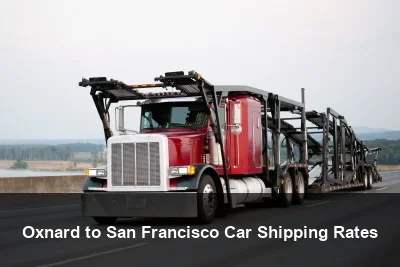
Rates on the Oxnard–San Francisco corridor are shaped by distance, fuel costs along US-101, and seasonal demand compression in August and September. At 371 miles, this falls in a mid-range pricing tier — long enough to require overnight consideration for some carriers, short enough that dedicated runs happen in a single day. Fuel price shifts on the California 101 corridor affect carrier margins directly; see https://california.auto-transport-shipping.com/articles/how-gas-prices-impact-california-auto-transport-fees.html for context on how pump prices feed into your quote.
What affects the cost of Oxnard to San Francisco car shipping:
- Vehicle type and size — larger vehicles take more carrier space; aftermarket additions like lift kits, oversized mirrors, or roof accessories can add fees
- Open vs. enclosed transport — open is lower cost with stronger carrier availability; enclosed protects against weather, debris, and road conditions
- Standard vs. expedited pickup — expedited prioritizes your vehicle for the next available dispatch, typically at a $100–$300 premium
- Time of year — peak demand seasons drive rates higher; off-peak windows offer the most competitive pricing
- Fuel costs — diesel prices affect carrier rates; longer routes are more sensitive to fuel price swings
- Vehicle condition — non-running vehicles require special loading equipment and cost more to ship
| Vehicle Type | Open Car Shipping (Est.) | Enclosed Car Shipping (Est.) |
|---|---|---|
| Sedan | $350 – $500 | $700 – $950 |
| SUV / Crossover | $400 – $600 | $800 – $1,100 |
| Pickup Truck | $400 – $600 | $800 – $1,100 |
| Minivan | $400 – $600 | $800 – $1,100 |
| Luxury / Classic Car | $500 – $700 | $950 – $1,300 |
| Non-Running Vehicle | Add $100–200 | Add $100–200 |
* Estimated ranges based on recent Oxnard to San Francisco shipments. Actual rate depends on vehicle, locations, booking date, and current fuel costs. Use the form on this page to compare real quotes from licensed carriers.
Open vs. Enclosed: What Makes Sense on This Coastal Route
Open transport is the right call for most standard vehicles on this corridor. US-101 between Oxnard and San Francisco is a well-maintained highway with no off-road segments, and coastal salt air exposure during transit is minimal given typical haul times of one to two days. Enclosed transport is worth the premium if you're shipping a classic, a luxury vehicle over $80,000, or a collector car. The coastal fog near Morro Bay and the Santa Cruz Mountains can introduce mild moisture, but that's rarely a deciding factor for a standard daily driver.
How Long Does Oxnard to San Francisco Car Shipping Take?
Most Oxnard to San Francisco shipments complete in two to three days from the confirmed pickup date. The driving time for a loaded carrier is seven to nine hours depending on truck weight, stops, and traffic through the Salinas Valley and San Jose. Carrier frequency out of Oxnard and the broader Ventura County area is solid — trucks running the US-101 corridor northbound pick up regularly. If your timeline is compressed, expedited options can cut scheduling lead time significantly; see https://california.auto-transport-shipping.com/articles/california-expedited-car-shipping-fast-cost.html for what that costs on this corridor.
| Service Type | Typical Transit | Pickup Window | Best For |
|---|---|---|---|
| Open — Standard | 1–2 days | 1–3 business days | Best value; most common choice on this route |
| Open — Expedited | Same–1 day | Next day–1 business day | Firm arrival date; faster dispatch window |
| Enclosed — Standard | 2–3 days | 2–5 business days | Luxury, classic, or modified vehicles |
| Enclosed — Expedited | 1–2 days | 1–2 business days | High-value vehicles on a firm delivery deadline |
** Dense Bay Area traffic near San Jose and the approach to the Bay Bridge can add three to five hours to final delivery in peak commute windows. Heavy coastal fog near Morro Bay or the Santa Cruz Mountains occasionally slows carriers in winter months, adding up to one day on affected runs.
Oxnard to San Francisco — Route & Logistics
Carriers access this route via US-101 North directly from Oxnard's central street grid. The 371-mile run follows US-101 through Ventura, Santa Barbara, San Luis Obispo, and Salinas before entering the South Bay and crossing into San Francisco via I-280 or US-101's northern terminus near the city center. No mountain passes or restricted routes are required for standard auto haulers.
Key Corridor Waypoints
- Oxnard, CA (Origin) Carriers stage near the US-101 and Fifth Street interchange or along the Oxnard Boulevard corridor for multi-car pickup consolidation. Port Hueneme's commercial truck access and Camarillo's flat grid allow carriers to complete several pickups in the area before heading north. This is an established staging zone for SoCal-to-NorCal runs.
- Santa Barbara, CA At roughly 30 miles north of Oxnard, Santa Barbara is a common early consolidation stop for carriers adding vehicles before the longer coastal run. US-101 narrows here with beach-adjacent grades near the Gaviota Pass area ahead. Carriers typically don't overnight here but use it as a pickup anchor for the Santa Barbara market.
- San Luis Obispo, CA Approximately 120 miles from Oxnard, San Luis Obispo sits at a natural midpoint on US-101. Some carriers overnight here, particularly on loads with tight delivery windows in the Bay Area. Cal Poly SLO generates its own vehicle demand, and the city is a frequent fuel and rest stop. Elevation is modest at around 230 feet.
- Salinas, CA About 270 miles from Oxnard, Salinas marks the shift from the central coast to the Bay Area approach. US-101 traffic increases here as commuters from Monterey County merge onto the corridor. Carriers heading into San Jose and San Francisco use Salinas as a final fuel stop before the congested South Bay entry points.
- San Jose / South Bay Merge At roughly 330 miles, carriers enter the Santa Clara Valley and merge with Bay Area freeway traffic. I-280 and US-101 both funnel toward San Francisco from this point. Traffic density here is the primary delay variable on this route — peak commute windows between 7–9 AM and 4–7 PM can add two to four hours to delivery.
- San Francisco, CA (Destination) Final delivery staging depends on neighborhood. SoMa, Mission Bay, and the Sunset District allow carrier access. North Beach, Telegraph Hill, and the financial district often require a smaller shuttle or a meet-point at a nearby parking structure. Carriers typically call 12 to 24 hours ahead to coordinate a delivery block that avoids street-cleaning and rush-hour restrictions.
Pickup & Delivery Access
- Pickup Access in Oxnard Carriers access Oxnard easily via US-101 exits at Vineyard Avenue, Oxnard Boulevard, and Fifth Street. The area around Gonzales Road and the Port Hueneme approach has good wide-street access for multi-car haulers. Residential pickups in north Oxnard work without issue. For narrow cul-de-sacs in newer subdivisions, a nearby parking lot or gas station corner serves as a practical meet point.
- Delivery Access in San Francisco San Francisco delivery access varies sharply by neighborhood. The Sunset, Richmond, and Bayview districts handle standard carrier trucks without issue. SoMa and Mission Bay are manageable with advance coordination. North Beach, the Castro, and Russian Hill have narrow streets that often require a smaller vehicle or a meet-point delivery near a major arterial like Geary Boulevard, Cesar Chavez Street, or Van Ness Avenue.
- Nearby Pickup Locations Carriers picking up in Oxnard regularly extend service to Ventura, Port Hueneme, and Camarillo. Call 1‑800‑590‑6492 to confirm door-to-door availability at your address.
Open vs. Enclosed Car Shipping: Oxnard to San Francisco
Both options use licensed, insured carriers and deliver door to door. For a full breakdown, read the pros and cons of open vs. enclosed car shipping.
Open Car Shipping
Most Popular- Lower cost — the practical choice for most vehicles
- More carriers available on this corridor
- Faster dispatch from booking to pickup
- Works well for sedans, SUVs, trucks, and minivans
- Vehicle rides on an open multi-car carrier
- Cargo insurance required on all licensed carriers
Estimated cost: $350 – $600
Enclosed Car Shipping
Premium Protection- Full protection from weather, debris, and road grime
- Best for luxury, exotic, and classic vehicles
- Recommended for low-clearance and custom-built cars
- Wheel-net or soft-tie systems prevent contact damage
- Higher cargo coverage — commonly $500,000 per load
- White-glove handling by experienced operators
Estimated cost: $700 – $1,100
Not sure which is right for your vehicle? Call 1-800-590-6492 and we'll point you in the right direction. Also worth reading: the top 10 questions to ask any car shipping company before you commit.
How to Prepare Your Car for Shipping to San Francisco
A little prep before pickup protects you if there's ever a dispute about your vehicle's condition. This checklist is from our full guide on preparing your car for transport:
- Remove all personal belongings from the interior and trunk
- Leave only a quarter tank of fuel — enough to load and unload
- Take date-stamped photos of the full exterior and interior
- Remove or disable toll transponders (FasTrak, E-ZPass, etc.)
- Retract or remove roof racks, spoilers, antennas, and bike mounts
- Make sure the battery is charged and tires are properly inflated
- Tell the carrier about any existing leaks or mechanical issues
- Deactivate the car alarm before the carrier arrives
- Write down the mileage on the Bill of Lading at pickup
- Fold in side mirrors if the vehicle is wider than standard
Personal items: Most carriers won't cover belongings left in the car. Read the full rules on shipping personal items in your vehicle. Also review our Bill of Lading guide so you know exactly what to check at pickup and delivery.
When to Ship Your Car from Oxnard to San Francisco
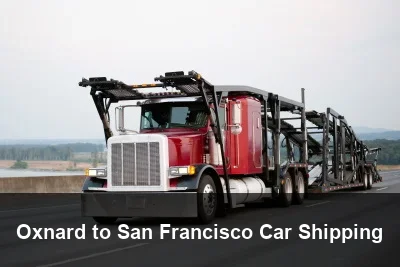
This corridor stays active year-round, but demand peaks sharply in late summer driven by university move-ins at UCSF, UC Berkeley, and Stanford. January brings a secondary spike from corporate relocations. Winter months are generally the softest pricing window, though coastal fog near the central coast can introduce minor transit delays. See https://california.auto-transport-shipping.com/articles/auto-transport-challenges-during-the-winter.html if you're planning a November through February shipment.
Late Summer University Rush (August–September)
This is the highest-demand window on the Oxnard–San Francisco corridor. Graduate students and faculty relocating to UCSF, UC Berkeley, and Stanford compress carrier availability significantly. Trucks fill quickly in August, and rates reflect that pressure. Book three to four weeks out if your move falls in this window. Waiting until two weeks before your target date risks limited carrier options and higher spot rates.
Spring Shoulder Season (March–May)
Spring is a stable, moderately priced window on this route. Carrier availability is solid, weather on US-101 is predictable, and the Salinas Valley corridor is clear of any fog issues typical of winter. Corporate relocations tied to Q2 start dates push some demand in April and May, but not enough to spike rates significantly. Good window if your schedule is flexible.
Winter Coastal Fog Season (November–February)
This corridor doesn't face snow, but the coastal fog belt between Morro Bay and the Santa Cruz Mountains can slow carriers in winter months. Transit times may extend by one day on affected runs. Rates are generally at their lowest during this period, making it a cost-effective window if you can accept a slightly wider delivery window. Review https://california.auto-transport-shipping.com/articles/auto-transport-challenges-during-the-winter.html before scheduling.
Military PCS Season (May–August)
The Ventura County area, including Naval Base Ventura County and Port Hueneme, generates military PCS moves that align with the May–August transition window. Service members shipping vehicles to Bay Area assignments — including the Presidio of San Francisco — create consistent northbound demand during this period. If you're PCS-ing, confirm whether your orders qualify for government rate programs before booking through a standard broker.
Fall Corporate Relocation Cycle (October–November)
October and November see a secondary wave of corporate relocations tied to Q4 starts and Bay Area hiring cycles in tech and healthcare. Salesforce, UCSF Medical Center, and mid-size tech firms in SoMa generate inbound vehicle demand from Southern California origins. Carrier availability is good in this window and rates are moderate — better than August peaks but not as low as January.
January Corporate Reset (January)
January brings a predictable post-holiday spike as new hires and lateral transfers begin Q1 positions in San Francisco. Tech and healthcare sectors drive most of this volume. Rates tick up briefly in the first two to three weeks of January before settling. If you're starting a new position in February, book your vehicle transport in the first week of January to avoid the rate bump.
How to Choose a Oxnard to San Francisco Car Shipping Company
Getting multiple quotes is step one — knowing what to look for in those quotes matters just as much. Our guide on how to select a car shipping company covers the full process. Here are the six things that matter most:
FMCSA Registration
Every carrier or broker must hold a valid MC number. Verify any company at FMCSA SAFER before you book.
Proof of Insurance
Ask for a current certificate of insurance. Open carriers typically carry $100,000–$250,000 per load; enclosed commonly $500,000 or more. Learn what auto transport insurance covers.
All-In Pricing
Your quote should be a final number with no fees added after booking. Know the difference between brokers and carriers and confirm what the quote covers before you agree.
Bill of Lading
A complete Bill of Lading is filled out at pickup and delivery. Our Bill of Lading guide explains what to check. Never sign an incomplete one.
Real Reviews
Check Google and the BBB. Look at how they handled complaints and damage claims — that tells you more than a five-star average from happy customers.
Route Experience
A carrier who runs Oxnard to San Francisco regularly knows that traffic into the Bay Area is the variable that matters most — not the 371-mile drive itself. The US-101 leg through Ventura and Santa Barbara moves cleanly most days. The real pinch is the approach through San Jose and onto the Peninsula between 4 and 7 PM, which can add two to three hours to a delivery that would otherwise close before dark. Experienced drivers on this run time their departure from Salinas to arrive at the Bay Bridge approach before 3 PM. In San Francisco, North Beach and the Financial District often require a meet-point delivery near a parking structure — carriers who haven't run this route before sometimes schedule those deliveries blind and lose hours finding access. Staging in the SoMa or Mission Bay area is standard for experienced drivers on this pair.
Oxnard to San Francisco Car Shipping — FAQ
How much does it cost to ship a car from Oxnard to San Francisco?
On this 371-mile corridor, open transport for a standard sedan typically runs between $450 and $700 depending on season, fuel prices, and carrier availability at the time of booking. SUVs and trucks run $50 to $150 higher due to their footprint on the trailer. Enclosed transport adds roughly 40 to 60 percent over open rates. Rates spike in August during the university move season and see a secondary bump in early January. The most accurate number comes from filling out the quote form with your vehicle type and target dates — rates shift week to week based on real carrier availability on the US-101 corridor.
How long does Oxnard to San Francisco car shipping take?
Most shipments on this route complete in two to three days from the confirmed pickup date. The driving time for a loaded carrier is seven to nine hours, but carriers run multi-stop loads and are subject to federal Hours of Service regulations, which limit driving time per day. Scheduling lead time — the gap between when you book and when a carrier is dispatched — typically adds one to three days on top of transit. If your timeline is tight, expedited booking can compress that lead time; see https://california.auto-transport-shipping.com/articles/california-expedited-car-shipping-fast-cost.html for current expedite pricing on this corridor.
Is my car insured during transport from Oxnard to San Francisco?
Every licensed carrier operating in the U.S. is required by federal law to carry cargo insurance that covers your vehicle while it's on the trailer. Before your carrier is dispatched, you can request a copy of their insurance certificate. At pickup and delivery, you and the carrier complete a Bill of Lading documenting the vehicle's condition — this document is your evidence record if a claim is ever needed. For a detailed breakdown of how carrier insurance works and what your own policy may or may not cover, read https://california.auto-transport-shipping.com/articles/understanding-auto-transport-insurance.html. If damage does occur, the claims process is outlined at https://california.auto-transport-shipping.com/articles/how-to-file-a-claim-for-vehicle-damage-during-transport.html.
Should I choose open or enclosed transport for the Oxnard to San Francisco route?
Open transport is the right choice for most vehicles on this corridor. US-101 between Oxnard and San Francisco is a paved, well-maintained highway with no off-road exposure, and transit times of one to two days limit weather exposure significantly. Coastal salt air is a minor factor given the covered nature of multi-car trailers. Enclosed transport makes sense if you're shipping a vehicle valued over $80,000, a classic or collector car, or a modified vehicle where cosmetic exposure risk matters. For a full comparison of what each option covers, see https://california.auto-transport-shipping.com/articles/open-vs-enclosed-auto-transport-pros-and-cons.html.
Do I have to be present at pickup and delivery?
You don't have to be physically present, but a responsible adult must be available to release the vehicle at pickup and receive it at delivery. That person signs the Bill of Lading — the inspection document that records your vehicle's condition before and after transport. If you can't be present, a designated representative works. For delivery in San Francisco specifically, coordinate ahead of time because some neighborhoods require a meet-point rather than a door-to-door drop. The Bill of Lading process is explained in detail at https://california.auto-transport-shipping.com/articles/california-auto-transport-bill-of-lading-information.html — read it before your pickup date.
Does the coastal route affect transit or my vehicle's condition?
US-101 through Santa Barbara and the central coast runs close to the ocean for portions of the journey, but vehicles are loaded on enclosed-frame trailers and are not exposed to direct salt spray. Coastal fog between Morro Bay and the Santa Cruz Mountains is the more relevant factor — it can reduce carrier visibility and slow transit speed during winter months, occasionally adding half a day to a full day on affected runs. For standard shipments in spring through fall, coastal conditions are not a meaningful variable. Winter shipments may see modest transit extensions when fog is heavy between San Luis Obispo and Salinas.
I'm PCS-ing from Naval Base Ventura County to the Presidio. How does that affect my booking?
Naval Base Ventura County and Port Hueneme are both in Oxnard, and the Presidio of San Francisco is an active federal installation — this is a route that carriers know well for military moves. PCS season runs May through August, which is also when carrier demand peaks on this corridor due to university moves. Book as early as your orders allow — ideally four to six weeks out if you're moving in June or July. Confirm whether your branch covers transport costs under your PCS entitlement before booking privately, as the reimbursement process differs from standard civilian transport contracts.
When is the cheapest time to ship a car from Oxnard to San Francisco?
November through February is consistently the softest pricing window on this corridor. Carrier availability is better relative to demand, and rates typically run 10 to 20 percent below peak summer levels. January has a brief spike in the first two to three weeks due to corporate relocations, so mid-January through February tends to be the lowest sustained rate period. If your schedule is flexible and you can avoid August and early September, you'll have more carrier options and better pricing leverage. Request a quote with your actual dates to get a current number — this corridor's rates shift with fuel prices and Bay Area job market activity.
Ready to Ship Your Car from Oxnard to San Francisco?
One form gets you up to 10 free quotes from licensed, insured carriers. Compare costs and transit times and book the best deal for your schedule.