
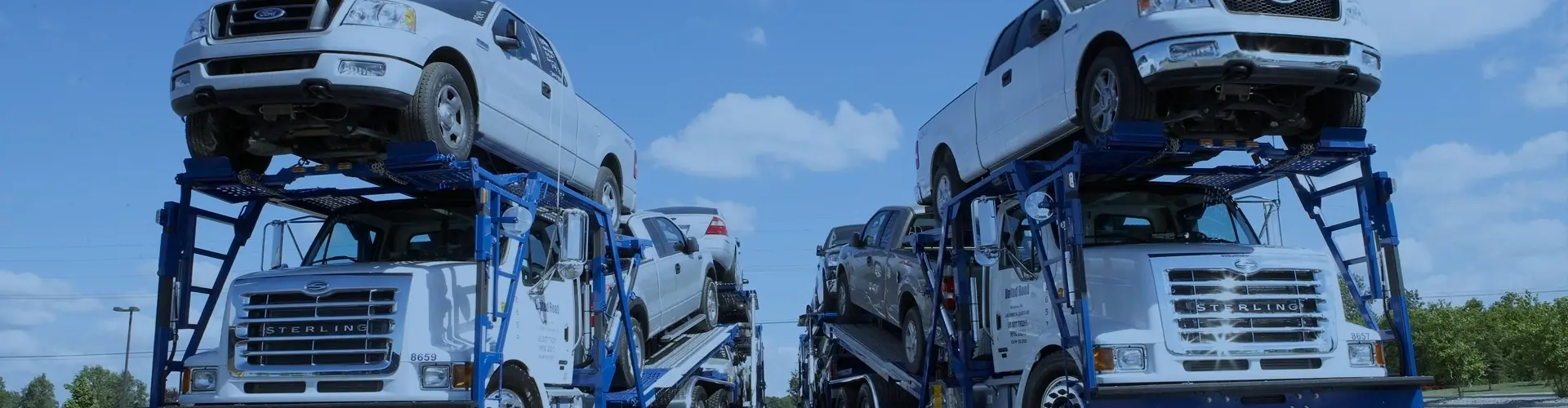
Oxnard to Columbus Car Shipping Route
The Oxnard to Columbus route covers approximately 2,074 miles. Carriers access the freight network from Oxnard via US-101 north toward Ventura, then connect east through the Conejo Grade to I-5 or SR-126 depending on load configuration. From there the primary corridor runs east on I-40 through the Mojave Desert, Flagstaff at 6,910 feet elevation, Albuquerque, and Amarillo before transitioning to I-44 and then I-70 east into Columbus. Driving that yourself takes roughly 30-33 hours over two or more days, adding fuel, lodging, and wear to your vehicle. Shipping avoids all of that. See a full breakdown at https://california.auto-transport-shipping.com/articles/benefits-of-auto-transport-service-vs-driving-yourself.html.
Columbus demand holds steady because of several anchors. Ohio State University, with over 60,000 students, generates consistent vehicle shipments each semester. Rickenbacker Air National Guard Base and Defense Supply Center Columbus produce military PCS moves throughout the year. Corporate relocations tied to JPMorgan Chase, L Brands, and OhioHealth keep demand from going flat in off-peak months. On the route itself, the I-40 stretch through New Mexico and the Texas Panhandle can see winter weather delays between November and February, and the I-70 approach into Columbus carries heavy freight traffic that can slow carrier scheduling during holiday weeks. Before you book, review https://california.auto-transport-shipping.com/articles/auto-transport-mistakes-to-avoid.html to avoid common errors.
Oxnard to Columbus Car Shipping Rates
At just over 2,000 miles this route falls in the long-haul tier, where cost-per-mile drops but total price is still substantial. Expect open transport quotes to range from $1,100 to $1,600 depending on season and fuel. Summer PCS season in June and July pushes Oxnard-area rates up as military demand competes with student relocations. Diesel prices along I-40 directly affect what carriers charge; for context on how fuel costs factor in, see https://california.auto-transport-shipping.com/articles/how-gas-prices-impact-california-auto-transport-fees.html.
What affects the cost of Oxnard to Columbus car shipping:
- Vehicle type and size — larger vehicles take more carrier space; aftermarket additions like lift kits, oversized mirrors, or roof accessories can add fees
- Open vs. enclosed transport — open is lower cost with stronger carrier availability; enclosed protects against weather, debris, and road conditions
- Standard vs. expedited pickup — expedited prioritizes your vehicle for the next available dispatch, typically at a $100–$300 premium
- Time of year — peak demand seasons drive rates higher; off-peak windows offer the most competitive pricing
- Fuel costs — diesel prices affect carrier rates; longer routes are more sensitive to fuel price swings
- Vehicle condition — non-running vehicles require special loading equipment and cost more to ship
| Vehicle Type | Open Car Shipping (Est.) | Enclosed Car Shipping (Est.) |
|---|---|---|
| Sedan | $1,100 – $1,600 | $1,900 – $2,700 |
| SUV / Crossover | $1,300 – $1,900 | $2,200 – $3,100 |
| Pickup Truck | $1,300 – $1,950 | $2,200 – $3,150 |
| Minivan | $1,300 – $1,900 | $2,200 – $3,100 |
| Luxury / Classic Car | $1,550 – $2,200 | $2,600 – $3,600 |
| Non-Running Vehicle | Add $200–400 | Add $200–400 |
* Estimated ranges based on recent Oxnard to Columbus shipments. Actual rate depends on vehicle, locations, booking date, and current fuel costs. Use the form on this page to compare real quotes from licensed carriers.
Open vs. Enclosed: What This 2,000-Mile Desert Route Demands
The I-40 corridor through the Mojave and New Mexico desert exposes vehicles to road debris, sand, and UV intensity. For daily drivers, standard sedans, and trucks, open transport handles this route fine — carriers run it constantly and the exposure risk is manageable. For classic cars, exotics, or low-clearance vehicles, enclosed transport adds $400–$700 but eliminates desert grit and UV risk over two days of open exposure. If you're shipping between May and September, the desert heat and road debris argument for enclosed gets stronger.
How Long Does Oxnard to Columbus Car Shipping Take?
Standard transit from Oxnard to Columbus runs 7 to 10 days. Carriers departing Southern California on I-40 typically reach Columbus in that window given normal freight pacing and load coordination. Oxnard is served frequently enough via the US-101 corridor that pickup scheduling rarely adds more than 1–3 days to that window. If your timeline is tighter due to a military report date or a job start, expedited options exist — see https://california.auto-transport-shipping.com/articles/california-expedited-car-shipping-fast-cost.html for what that costs and when it makes sense on long-haul corridors.
| Service Type | Typical Transit | Pickup Window | Best For |
|---|---|---|---|
| Open — Standard | 7–10 days | 2–5 business days | Best value; most common choice on this route |
| Open — Expedited | 5–7 days | 1–2 business days | Firm arrival date; faster dispatch window |
| Enclosed — Standard | 7–10 days | 4–8 business days | Luxury, classic, or modified vehicles |
| Enclosed — Expedited | 5–7 days | 2–4 business days | High-value vehicles on a firm delivery deadline |
** Winter weather between November and March is the main delay factor. Snow and ice closures on I-40 near Flagstaff (7,000 feet) and through the Texas Panhandle can hold carriers for 12–36 hours. I-70 into Columbus also sees winter weather delays. Build buffer time into your schedule if you're shipping in those months.
Oxnard to Columbus — Route & Logistics
Carriers departing Oxnard use US-101 north to Ventura, then connect east via SR-126 or the Conejo Grade to I-5 south, picking up I-40 east at Barstow. From Barstow the route runs through Needles, Kingman, Flagstaff, Albuquerque, Amarillo, and Oklahoma City before transitioning to I-44 and I-70 east into Columbus — 2,074 miles total.
Key Corridor Waypoints
- Barstow, CA First major staging point after the Los Angeles basin. Carriers consolidate and rest here before the Mojave Desert crossing. Barstow sits at 2,175 feet and marks the start of sustained desert driving. DOT inspection stations nearby on I-15 mean carriers confirm load compliance before committing fully to the I-40 eastbound push.
- Flagstaff, AZ Flagstaff sits at 6,910 feet and is the highest point on this corridor. In winter months carriers check weather and road conditions here before descending toward Albuquerque. It's a common overnight stop for drivers on long-haul loads. Snow closures on I-40 near Flagstaff are the most likely single-point delay on this entire route.
- Albuquerque, NM Albuquerque is a key interchange city where carriers regroup and sometimes swap drivers or loads. Kirtland Air Force Base nearby contributes to steady westbound military vehicle traffic, which affects carrier availability heading east. At roughly 5,300 feet elevation, it's also a weather checkpoint before the flatter push into Texas.
- Amarillo, TX Amarillo marks the Texas Panhandle crossing and is a frequent overnight stop. The I-40 and US-287 junction here is a known driver rest hub. Winter ice storms in this area can delay carriers by a full day. Carriers typically refuel and check load security here before the Oklahoma and Missouri legs.
- Oklahoma City, OK Oklahoma City is the transition point from I-40 to I-44 northeast toward St. Louis. Carriers with Ohio-bound loads frequently make scheduling calls here — some continue directly on I-44, others adjust timing based on Columbus delivery windows. This is also where carriers on multi-stop loads may offload a vehicle before the final run to Ohio.
- Columbus, OH Columbus delivery typically happens in residential suburbs, Ohio State University's campus area near Lane Avenue, or commercial lots near Rickenbacker Airport on the south side. Downtown Columbus has some tight street access, so carriers often arrange staging in parking areas along Broad Street or in Worthington and Dublin for easier handoff.
Pickup & Delivery Access
- Pickup Access in Oxnard Oxnard's street grid accommodates car carriers well. The US-101 corridor along Ventura Road and Oxnard Boulevard gives carriers easy staging access. Port Hueneme Road is a practical pickup spine for naval base-adjacent shipments. If your vehicle is in a gated community or narrow cul-de-sac, arrange a nearby meet point on a surface street — Gonzales Road or Vineyard Avenue work well for carrier access.
- Delivery Access in Columbus Columbus carriers prefer delivery in accessible suburbs like Worthington, Dublin, Hilliard, or Gahanna. Ohio State University deliveries work best on the north campus perimeter — High Street itself is tight for full car haulers. Downtown Columbus near the Short North requires coordination due to parking restrictions. Rickenbacker-area deliveries on the south side are straightforward with good industrial lot access for staging and handoff.
- Nearby Pickup Locations Carriers picking up in Oxnard regularly extend service to Ventura, Port Hueneme, and Camarillo. Call 1‑800‑590‑6492 to confirm door-to-door availability at your address.
Open vs. Enclosed Car Shipping: Oxnard to Columbus
Both options use licensed, insured carriers and deliver door to door. For a full breakdown, read the pros and cons of open vs. enclosed car shipping.
Open Car Shipping
Most Popular- Lower cost — the practical choice for most vehicles
- More carriers available on this corridor
- Faster dispatch from booking to pickup
- Works well for sedans, SUVs, trucks, and minivans
- Vehicle rides on an open multi-car carrier
- Cargo insurance required on all licensed carriers
Estimated cost: $1,100 – $1,950
Enclosed Car Shipping
Premium Protection- Full protection from weather, debris, and road grime
- Best for luxury, exotic, and classic vehicles
- Recommended for low-clearance and custom-built cars
- Wheel-net or soft-tie systems prevent contact damage
- Higher cargo coverage — commonly $500,000 per load
- White-glove handling by experienced operators
Estimated cost: $1,900 – $3,150
Not sure which is right for your vehicle? Call 1-800-590-6492 and we'll point you in the right direction. Also worth reading: the top 10 questions to ask any car shipping company before you commit.
How to Prepare Your Car for Shipping to Columbus
A little prep before pickup protects you if there's ever a dispute about your vehicle's condition. This checklist is from our full guide on preparing your car for transport:
- Remove all personal belongings from the interior and trunk
- Leave only a quarter tank of fuel — enough to load and unload
- Take date-stamped photos of the full exterior and interior
- Remove or disable toll transponders (FasTrak, E-ZPass, etc.)
- Retract or remove roof racks, spoilers, antennas, and bike mounts
- Make sure the battery is charged and tires are properly inflated
- Tell the carrier about any existing leaks or mechanical issues
- Deactivate the car alarm before the carrier arrives
- Write down the mileage on the Bill of Lading at pickup
- Fold in side mirrors if the vehicle is wider than standard
Personal items: Most carriers won't cover belongings left in the car. Read the full rules on shipping personal items in your vehicle. Also review our Bill of Lading guide so you know exactly what to check at pickup and delivery.
When to Ship Your Car from Oxnard to Columbus
This corridor has two clear demand peaks: summer military PCS season (June–August) and the Ohio State University fall move-in (late July through August). Both compress carrier availability from Oxnard and push rates up 10–20%. Winter brings the opposite pressure — lower demand but weather risk on I-40 through Arizona and the Texas Panhandle. For detail on winter transport risk, see https://california.auto-transport-shipping.com/articles/auto-transport-challenges-during-the-winter.html. Spring and fall are the best windows for pricing and predictable transit.
Spring (March–May)
Spring is the best window for this route. Weather on I-40 stabilizes after February, desert temperatures are manageable for open transport, and demand from Oxnard hasn't yet hit the summer PCS spike. Carrier availability is good and rates are near their annual low. Book 5–7 days in advance and expect transit times at the shorter end of the 7–10 day range.
Summer PCS Season (June–August)
Naval Base Ventura County and Port Hueneme generate military PCS orders in volume during June and July, competing directly with civilian demand from Oxnard. Rates rise 10–20% and carrier slots fill faster. If you have a military report date driving your schedule, book at least 10–14 days early. Ohio State move-in in August adds Columbus-end demand that can tighten delivery windows.
Fall Semester Start (Late July–August)
Ohio State University's fall semester drives a concentrated demand surge for Columbus delivery in late July and early August. Students shipping vehicles from California add to an already busy summer corridor. Columbus delivery slots can be competitive during this window. If you're shipping for a student move-in, submit your quote request 2–3 weeks before your target pickup date to secure a realistic delivery window.
Winter (November–February)
Demand from Oxnard drops in winter, which helps rates, but I-40 through Flagstaff and the Texas Panhandle carries real weather risk. Snow and ice closures can add 1–2 days to transit. Carriers may reroute via I-10 through El Paso to avoid the worst winter conditions, which adds mileage. Build extra buffer into your schedule and review https://california.auto-transport-shipping.com/articles/auto-transport-challenges-during-the-winter.html before committing to a hard delivery date.
Fall Pricing Window (September–October)
After the summer rush clears and before winter weather becomes a factor, September and October offer good pricing and reliable transit on this corridor. Carrier frequency from the US-101 corridor remains solid as loads balance between California and the Midwest. This is a practical window for non-urgent shipments where you want to avoid both summer pricing pressure and winter weather risk.
How to Choose a Oxnard to Columbus Car Shipping Company
Getting multiple quotes is step one — knowing what to look for in those quotes matters just as much. Our guide on how to select a car shipping company covers the full process. Here are the six things that matter most:
FMCSA Registration
Every carrier or broker must hold a valid MC number. Verify any company at FMCSA SAFER before you book.
Proof of Insurance
Ask for a current certificate of insurance. Open carriers typically carry $100,000–$250,000 per load; enclosed commonly $500,000 or more. Learn what auto transport insurance covers.
All-In Pricing
Your quote should be a final number with no fees added after booking. Know the difference between brokers and carriers and confirm what the quote covers before you agree.
Bill of Lading
A complete Bill of Lading is filled out at pickup and delivery. Our Bill of Lading guide explains what to check. Never sign an incomplete one.
Real Reviews
Check Google and the BBB. Look at how they handled complaints and damage claims — that tells you more than a five-star average from happy customers.
Route Experience
A carrier who runs the Oxnard-to-Columbus corridor regularly knows that the Conejo Grade climb out of Ventura County requires checking load weight distribution before hitting the incline — improperly balanced multi-car loads slow significantly there. They know Barstow is the last practical load adjustment point before the Mojave. They know the Flagstaff weather window: crossing the Kaibab Plateau before noon in winter avoids afternoon ice. They know Oklahoma City's I-44 merge backs up badly on Friday afternoons and that bypassing it on US-270 saves time. On the Columbus end, they know Rickenbacker-area lots are the cleanest staging ground and that Ohio State-area delivery works best on Tuesday through Thursday when campus traffic is lighter.
Oxnard to Columbus Car Shipping — FAQ
How much does it cost to ship a car from Oxnard to Columbus?
Open transport on this 2,074-mile route typically runs $1,100 to $1,600 for a standard sedan or SUV. Enclosed transport adds $400–$700 depending on vehicle size and seasonal demand. Rates climb in June and July when military PCS demand from Naval Base Ventura County competes with civilian shipments, and again in late July through August during Ohio State University move-in. A pickup truck or larger SUV will run toward the higher end due to space and weight. Quotes are based on current carrier availability, fuel prices, and your specific vehicle — submit the form for a current figure.
How long does Oxnard to Columbus car shipping take?
Standard transit runs 7 to 10 days from pickup. Carriers departing Southern California on the I-40 corridor reach Columbus reliably in that window under normal conditions. Pickup scheduling from Oxnard adds 1–3 days to the front end depending on carrier availability on the US-101 corridor. Winter weather near Flagstaff or through the Texas Panhandle can extend transit by 1–2 days. If you have a hard delivery deadline tied to a military report date or job start, expedited options exist — see https://california.auto-transport-shipping.com/articles/california-expedited-car-shipping-fast-cost.html for what that costs on long-haul routes.
Is my car insured during transport from Oxnard to Columbus?
Every licensed carrier is required by federal law to carry cargo insurance that covers your vehicle while it's loaded on the truck. Coverage limits vary by carrier — ask for the certificate of insurance before you confirm booking. Your personal auto insurance policy may also provide supplemental coverage during transport; check with your insurer. At pickup, review and sign the bill of lading carefully, which documents your vehicle's pre-transport condition. If damage occurs, that document is the foundation of any claim. For full detail on how transport insurance works, see https://california.auto-transport-shipping.com/articles/understanding-auto-transport-insurance.html, and for what to do if you need to file, see https://california.auto-transport-shipping.com/articles/how-to-file-a-claim-for-vehicle-damage-during-transport.html.
Should I choose open or enclosed transport for this route?
Open transport is the right call for most vehicles on this corridor. Carriers run it frequently, pricing is competitive, and the exposure risk on I-40 through the desert is manageable for standard vehicles. Where enclosed makes sense: classic cars, exotics, low-clearance vehicles, or any vehicle where road debris or UV exposure over two desert days is a real concern. The Mojave and New Mexico desert legs are the main argument for enclosed on this specific route — not Ohio weather. Shipping in summer amplifies that case due to heat and UV intensity. For a full comparison of trade-offs, see https://california.auto-transport-shipping.com/articles/open-vs-enclosed-auto-transport-pros-and-cons.html.
Do I have to be present at pickup and delivery?
You don't have to be personally present, but someone with authority to release or receive the vehicle does need to be there for both ends. At pickup, that person signs the bill of lading confirming the vehicle's pre-transport condition — this document is critical if any damage claim arises later. At delivery, the receiving party inspects the vehicle and signs off. If you can't be present yourself, a trusted contact works fine. Make sure whoever accepts delivery knows to inspect the vehicle thoroughly before signing. Full details on the bill of lading process are at https://california.auto-transport-shipping.com/articles/california-auto-transport-bill-of-lading-information.html.
Does military PCS timing affect shipping availability from Oxnard?
Yes, meaningfully. Naval Base Ventura County and the Naval Construction Battalion Center at Port Hueneme both generate PCS orders that concentrate in late spring and early summer. June and July are the heaviest months, and they compete directly with civilian demand on the same carrier network heading east on I-40. If you're shipping a privately owned vehicle under PCS orders, book as early as your orders allow — ideally 2–3 weeks out. Carriers that serve the Port Hueneme area regularly are familiar with military release paperwork and POV shipping requirements, which can streamline pickup.
What happens to transit time if there's winter weather on the I-40 corridor?
The most likely delay point is Flagstaff, Arizona, which sits at 6,910 feet elevation and sees regular snow and ice between November and February. I-40 closures near Flagstaff can hold carriers for 12–36 hours. The Texas Panhandle around Amarillo is a secondary risk — ice storms there can add another day. Carriers may reroute south on I-10 through El Paso to avoid the worst conditions, which adds mileage but keeps the load moving. If you're shipping November through February, plan for the 10-day end of the transit window and avoid locking in a hard delivery date without buffer.
Can carriers access Ohio State University campus for delivery in Columbus?
Full car haulers can't easily navigate the core Ohio State campus streets — High Street and Neil Avenue have traffic density and clearance issues that make direct delivery impractical. Carriers typically arrange delivery on the campus perimeter, near Lane Avenue, Ackerman Road, or in the residential streets north of campus where there's room to maneuver. If you're a student receiving a vehicle, identify a surface parking lot or quiet street a few blocks off the main campus grid and confirm that meet point with your carrier coordinator before the truck is en route to Columbus.
Ready to Ship Your Car from Oxnard to Columbus?
One form gets you up to 10 free quotes from licensed, insured carriers. Compare costs and transit times and book the best deal for your schedule.