
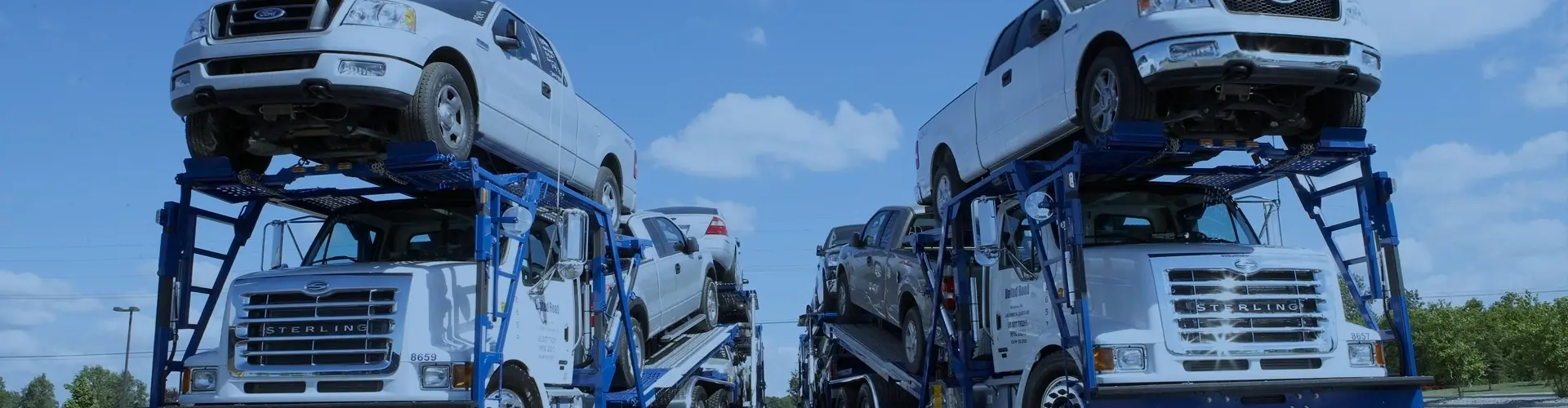
Irvine to Fort Worth Car Shipping Route
The Irvine to Fort Worth route covers approximately 1,421 miles by road. Carriers depart Irvine via SR-133 or SR-241 to reach I-5 south toward San Juan Capistrano, then transition east onto I-10 at the Los Angeles basin or pick up I-10 via the SR-60 connector depending on staging. The primary carrier route runs I-10 east through the Inland Empire, across the Sonoran Desert, through El Paso, and into Texas before connecting to I-20 east into Fort Worth. That desert and high-plains crossing means you avoid the vehicle wear of a 1,400-mile drive yourself — a significant argument for shipping documented at https://california.auto-transport-shipping.com/articles/benefits-of-auto-transport-service-vs-driving-yourself.html
Fort Worth's vehicle demand is anchored by several large institutions. Naval Air Station Joint Reserve Base Fort Worth handles significant military PCS traffic, generating predictable seasonal peaks in early summer. Texas Christian University and Texas Wesleyan University produce student move cycles in August and January. Major employers including Lockheed Martin, American Airlines Group headquarters, and BNSF Railway logistics operations draw corporate relocations from the California tech corridor regularly. Weather-wise, the I-10 desert stretch through Arizona can see summer heat exceeding 110°F, and the West Texas section encounters high-wind advisories that occasionally slow open carriers. Book early and avoid rookie mistakes documented at https://california.auto-transport-shipping.com/articles/auto-transport-mistakes-to-avoid.html
Irvine to Fort Worth Car Shipping Rates

Irvine to Fort Worth falls into the 1,400-mile distance tier, where per-mile rates typically range from $0.55 to $0.80 depending on carrier availability and season. Summer demand spikes from military PCS orders and student moves push rates upward in June and July. Diesel prices along the I-10 Southwest corridor directly affect carrier pricing on this run — the stretch from El Paso to Fort Worth alone adds meaningful fuel cost. See how fuel pricing flows into your quote at https://california.auto-transport-shipping.com/articles/how-gas-prices-impact-california-auto-transport-fees.html
What affects the cost of Irvine to Fort Worth car shipping:
- Vehicle type and size — larger vehicles take more carrier space; aftermarket additions like lift kits, oversized mirrors, or roof accessories can add fees
- Open vs. enclosed transport — open is lower cost with stronger carrier availability; enclosed protects against weather, debris, and road conditions
- Standard vs. expedited pickup — expedited prioritizes your vehicle for the next available dispatch, typically at a $100–$300 premium
- Time of year — peak demand seasons drive rates higher; off-peak windows offer the most competitive pricing
- Fuel costs — diesel prices affect carrier rates; longer routes are more sensitive to fuel price swings
- Vehicle condition — non-running vehicles require special loading equipment and cost more to ship
| Vehicle Type | Open Car Shipping (Est.) | Enclosed Car Shipping (Est.) |
|---|---|---|
| Sedan | $950 – $1,350 | $1,700 – $2,300 |
| SUV / Crossover | $1,100 – $1,600 | $1,950 – $2,700 |
| Pickup Truck | $1,100 – $1,650 | $1,950 – $2,750 |
| Minivan | $1,100 – $1,600 | $1,950 – $2,700 |
| Luxury / Classic Car | $1,300 – $1,900 | $2,200 – $3,000 |
| Non-Running Vehicle | Add $200–350 | Add $200–350 |
* Estimated ranges based on recent Irvine to Fort Worth shipments. Actual rate depends on vehicle, locations, booking date, and current fuel costs. Use the form on this page to compare real quotes from licensed carriers.
Open vs. Enclosed: The Right Call for the I-10 Desert Run
Open transport is the practical choice for standard vehicles on this route. The I-10 corridor through Arizona and West Texas is well-traveled and carrier-proven, and road debris risk is manageable. Enclosed transport makes clear sense for classic cars, exotics, or low-clearance vehicles that can't tolerate desert dust, sand, and temperature swings reaching 110°F in summer. If your vehicle's value exceeds $60,000 or it carries collector status, enclosed adds meaningful protection through the Sonoran Desert section. Otherwise, open transport serves the majority of Irvine to Fort Worth shipments reliably.
How Long Does Irvine to Fort Worth Car Shipping Take?
Standard transit from Irvine to Fort Worth runs five to seven business days once a carrier is assigned. The driving distance is approximately 1,421 miles — a solo driver would need three hard days minimum, but carriers rotate teams, observe federal Hours of Service limits, and sometimes carry multiple stops on the same run, which distributes transit time. Carrier frequency out of the Orange County–Irvine market is high enough that assignment typically happens within two to four days of booking. If your timeline is compressed, expedited options exist: https://california.auto-transport-shipping.com/articles/california-expedited-car-shipping-fast-cost.html
| Service Type | Typical Transit | Pickup Window | Best For |
|---|---|---|---|
| Open — Standard | 4–6 days | 2–5 business days | Best value; most common choice on this route |
| Open — Expedited | 2–4 days | 1–2 business days | Firm arrival date; faster dispatch window |
| Enclosed — Standard | 4–6 days | 3–7 business days | Luxury, classic, or modified vehicles |
| Enclosed — Expedited | 2–4 days | 1–3 business days | High-value vehicles on a firm delivery deadline |
** High-wind closures on I-10 through West Texas near Guadalupe Pass and the El Paso corridor can delay open carriers by twelve to twenty-four hours. Summer monsoon activity in Arizona occasionally affects routing near Tucson. Either event can add one to two days to the standard transit window, most commonly July through September.
Irvine to Fort Worth — Route & Logistics
Carriers access the Irvine–Fort Worth lane using SR-133 or SR-241 to reach I-5, then connect to I-10 eastbound via the SR-60 or I-605 interchange through the Inland Empire. From there the route runs I-10 through Blythe, Phoenix, Tucson, and El Paso before picking up I-20 east into Fort Worth — approximately 1,421 miles of predominantly interstate highway with good truck infrastructure throughout.
Key Corridor Waypoints
- Ontario, CA Ontario sits at the I-10 and I-15 interchange, roughly 45 miles northeast of Irvine. Carriers staging from Orange County often fuel and conduct pre-trip inspections here. The Ontario area has multiple truck stops and commercial staging lots near the auto auction corridor on East Inland Empire Boulevard, making it a practical first stop after Irvine pickup.
- Blythe, CA / Arizona State Line At Blythe the route crosses the Colorado River into Arizona and enters the Sonoran Desert stretch. California's agricultural inspection station on I-10 at the state line is a mandatory stop. Elevation here is roughly 270 feet. Carriers check tire pressure and cooling systems — desert heat west of Phoenix is the primary mechanical stress point on this corridor, especially June through August.
- Phoenix, AZ Phoenix is the primary mid-route overnight and fuel stop on the Irvine–Fort Worth run, approximately 370 miles from Irvine. The I-10 and I-17 interchange area near the I-10/Broadway Curve has established truck facilities. Carriers on multi-stop loads may pick up or drop additional vehicles here, which can add two to four hours to overall transit on shared-load runs.
- El Paso, TX / New Mexico Border El Paso sits at approximately 3,740 feet elevation and marks the transition from desert to high plains. Carriers pass through both the New Mexico boot heel section and re-enter Texas here. Gusty winds along the Franklin Mountains corridor near El Paso are a documented delay factor for open carriers hauling tall or light vehicles. The Texas Commercial Vehicle Enforcement station on I-10 is active here.
- Midland–Odessa, TX The Permian Basin corridor through Midland and Odessa on I-20 sees heavy energy-sector commercial traffic. Road surface quality varies due to oilfield truck activity, and carriers typically avoid peak oilfield shift hours near major well-pad access roads crossing I-20. This section sits at roughly 2,800 feet elevation and can generate dust and crosswind conditions affecting transit pace.
- Fort Worth, TX — I-20 / I-30 Delivery Zone Carriers enter Fort Worth from the west on I-20, transitioning to I-30 or I-820 depending on delivery address. The downtown Fort Worth core and Near Southside neighborhoods have narrower streets requiring carrier staging on nearby commercial lots. The Alliance corridor in North Fort Worth and the Arlington-facing East Side both offer wide-access delivery conditions suitable for standard multi-car haulers.
Pickup & Delivery Access
- Pickup Access in Irvine Irvine's grid layout and business park infrastructure make carrier pickup straightforward. The Irvine Spectrum, Irvine Business Complex, and Irvine Technology Court areas all have wide-lane access and commercial parking where carriers can stage a full multi-vehicle hauler without obstruction. Residential neighborhoods near UC Irvine may require meeting the driver at a nearby shopping center or business park rather than a residential street.
- Delivery Access in Fort Worth Fort Worth carrier delivery access depends on the destination zone. The Alliance corridor, North Fort Worth near I-35W, and suburban areas in Keller, Haltom City, and Saginaw are fully hauler-accessible. Downtown Fort Worth near the Cultural District and Sundance Square has parking restrictions and narrow sections — carriers typically stage in adjacent commercial lots near I-30 or Camp Bowie Boulevard and coordinate a final meet point with the customer.
- Nearby Pickup Locations Carriers picking up in Irvine regularly extend service to Santa Ana, Costa Mesa, and Lake Forest. Call 1‑800‑590‑6492 to confirm door-to-door availability at your address.
Open vs. Enclosed Car Shipping: Irvine to Fort Worth
Both options use licensed, insured carriers and deliver door to door. For a full breakdown, read the pros and cons of open vs. enclosed car shipping.
Open Car Shipping
Most Popular- Lower cost — the practical choice for most vehicles
- More carriers available on this corridor
- Faster dispatch from booking to pickup
- Works well for sedans, SUVs, trucks, and minivans
- Vehicle rides on an open multi-car carrier
- Cargo insurance required on all licensed carriers
Estimated cost: $950 – $1,650
Enclosed Car Shipping
Premium Protection- Full protection from weather, debris, and road grime
- Best for luxury, exotic, and classic vehicles
- Recommended for low-clearance and custom-built cars
- Wheel-net or soft-tie systems prevent contact damage
- Higher cargo coverage — commonly $500,000 per load
- White-glove handling by experienced operators
Estimated cost: $1,700 – $2,750
Not sure which is right for your vehicle? Call 1-800-590-6492 and we'll point you in the right direction. Also worth reading: the top 10 questions to ask any car shipping company before you commit.
How to Prepare Your Car for Shipping to Fort Worth
A little prep before pickup protects you if there's ever a dispute about your vehicle's condition. This checklist is from our full guide on preparing your car for transport:
- Remove all personal belongings from the interior and trunk
- Leave only a quarter tank of fuel — enough to load and unload
- Take date-stamped photos of the full exterior and interior
- Remove or disable toll transponders (FasTrak, E-ZPass, etc.)
- Retract or remove roof racks, spoilers, antennas, and bike mounts
- Make sure the battery is charged and tires are properly inflated
- Tell the carrier about any existing leaks or mechanical issues
- Deactivate the car alarm before the carrier arrives
- Write down the mileage on the Bill of Lading at pickup
- Fold in side mirrors if the vehicle is wider than standard
Personal items: Most carriers won't cover belongings left in the car. Read the full rules on shipping personal items in your vehicle. Also review our Bill of Lading guide so you know exactly what to check at pickup and delivery.
When to Ship Your Car from Irvine to Fort Worth
This route follows a predictable seasonal pricing curve. Summer — particularly June through August — carries the highest demand due to military PCS orders at NAS JRB Fort Worth and university move cycles. Desert heat through Arizona in this window also narrows open carrier operating hours, adding minor schedule pressure. Winter months offer the lowest rates but require monitoring for West Texas ice storms. Full winter risk detail is at https://california.auto-transport-shipping.com/articles/auto-transport-challenges-during-the-winter.html

Spring (March–May)
Spring is a moderate-rate window on this corridor. Corporate relocation season begins in April, driven by Irvine's tech and finance sector and Fort Worth's energy hiring cycle. Carrier availability is good before summer peaks. Weather through Arizona and West Texas is typically dry and manageable. Book two weeks out for standard service; prices remain competitive before Memorial Day demand lifts rates.
Summer Peak (June–August)
June through August is the highest-demand period on this lane. Military PCS orders tied to NAS JRB Fort Worth drive a concentrated surge in June and July. UC Irvine and Texas Christian University student moves compound demand in August. Expect rates at the top of the corridor range and carrier assignment timelines extending to four to six days. Book three weeks ahead minimum if you're moving in this window.
Fall (September–November)
Fall brings rate relief as summer military and student demand clears. October and November are among the most favorable booking months on this corridor — carrier supply is strong, demand is moderate, and the desert crossing is comfortable with daytime temperatures falling below 95°F. Corporate relocation activity from California to Texas continues but without the summer surge premium. A two-week booking lead works well.
Winter (December–February)
Winter offers the lowest rates on this route but introduces real weather risk. West Texas on I-20 between Midland and Fort Worth sees ice storms in January and February that can halt carrier movement for one to two days. The I-10 desert crossing itself rarely freezes, but carriers crossing I-20 in winter add buffer days to delivery estimates. Book with a flexible delivery window and review winter-specific guidance at the winter transport article.
Military PCS Season (May–July)
NAS JRB Fort Worth is one of the largest joint reserve installations in the country, and PCS order cycles peak in May through July when service members receive summer reassignment orders. This creates a concentrated demand spike for California-to-Texas vehicle transport from all Southern California staging areas including Irvine, Orange County, and Camp Pendleton. If you're PCS-moving, book immediately upon receiving orders — carrier slots fill fast in this window.
Student Move Cycles (August & January)
UC Irvine on the origin end and Texas Christian University plus Texas Wesleyan on the delivery end create predictable student vehicle demand in late August and early January. These are short, concentrated windows — typically the ten days before each semester start. Carriers know the cycle and rates tick up accordingly. Booking two to three weeks before your target pickup date during these windows is strongly advised.
How to Choose a Irvine to Fort Worth Car Shipping Company
Getting multiple quotes is step one — knowing what to look for in those quotes matters just as much. Our guide on how to select a car shipping company covers the full process. Here are the six things that matter most:
FMCSA Registration
Every carrier or broker must hold a valid MC number. Verify any company at FMCSA SAFER before you book.
Proof of Insurance
Ask for a current certificate of insurance. Open carriers typically carry $100,000–$250,000 per load; enclosed commonly $500,000 or more. Learn what auto transport insurance covers.
All-In Pricing
Your quote should be a final number with no fees added after booking. Know the difference between brokers and carriers and confirm what the quote covers before you agree.
Bill of Lading
A complete Bill of Lading is filled out at pickup and delivery. Our Bill of Lading guide explains what to check. Never sign an incomplete one.
Real Reviews
Check Google and the BBB. Look at how they handled complaints and damage claims — that tells you more than a five-star average from happy customers.
Route Experience
A carrier who runs the Irvine–Fort Worth lane regularly understands several things a generic carrier won't. They know to stage in Ontario or Fontana rather than fighting Irvine surface streets with a full hauler. They run the I-10 Phoenix-to-El Paso segment in overnight hours during summer to avoid heat stress on vehicles and equipment. They know the Texas Commercial Vehicle Enforcement station at the El Paso I-10 port of entry is thorough and plan accordingly. They avoid the Midland–Odessa section during shift changes at the oilfield operations near I-20. On the Fort Worth delivery end, they stage near I-820 or I-20 and coordinate address delivery rather than attempting downtown streets with a nine-car hauler. That operational knowledge is the difference between a five-day delivery and a seven-day one.
Irvine to Fort Worth Car Shipping — FAQ
How much does it cost to ship a car from Irvine to Fort Worth?
On this 1,421-mile corridor, open transport typically runs between $850 and $1,250 for a standard sedan or SUV. Enclosed transport adds roughly 40 to 60 percent to that range, landing between $1,300 and $1,900 for most vehicles. Rates shift based on season — June through August commands the highest prices due to military PCS and student demand. Pickup truck and oversized vehicle rates run higher due to space and weight. Diesel pricing along I-10 through Arizona and West Texas is a direct cost input that carriers pass through, so booking when fuel is stable works in your favor.
How long does Irvine to Fort Worth car shipping take?
Standard transit on this route runs five to seven business days once a carrier is assigned. Carrier assignment from Irvine typically takes two to four days after booking, so total time from order to delivery is usually seven to eleven days under normal conditions. The 1,421-mile route crosses two time zones and includes the I-10 desert corridor and the I-20 West Texas stretch — both of which can slow carrier progress during summer heat or winter weather events. If your schedule is fixed, expedited service with a dedicated carrier can compress transit to three to four days at a premium.
Is my car insured during transport from Irvine to Fort Worth?
Yes. Every licensed carrier operating on this corridor is required by federal law to carry cargo insurance covering your vehicle while it's on the hauler. Coverage limits and deductible terms vary by carrier, so confirm the specific policy before signing. Your personal auto insurance policy may provide supplemental coverage during transport depending on your carrier and policy terms — worth a quick call to confirm before pickup. Document your vehicle's condition thoroughly at pickup using photos and the bill of lading. For full insurance detail see https://california.auto-transport-shipping.com/articles/understanding-auto-transport-insurance.html, and if you need to file a claim, the process is explained at https://california.auto-transport-shipping.com/articles/how-to-file-a-claim-for-vehicle-damage-during-transport.html
Should I choose open or enclosed transport for the Irvine to Fort Worth route?
Open transport is the right call for the majority of vehicles on this corridor. The I-10 and I-20 route is well-traveled by experienced carriers, and standard vehicles handle the desert and plains crossing without issue. Enclosed transport is worth the premium for vehicles valued above $60,000, classic cars, exotics, or any low-clearance vehicle sensitive to desert dust and sand. The summer heat window — June through September — is the strongest argument for enclosed if your vehicle has a premium finish or convertible top. For a detailed breakdown of both options, see https://california.auto-transport-shipping.com/articles/open-vs-enclosed-auto-transport-pros-and-cons.html
Do I have to be present at pickup in Irvine and delivery in Fort Worth?
You or a designated representative must be present at both pickup and delivery to sign the bill of lading. At pickup, you and the carrier driver inspect and document your vehicle's condition together — that document is your baseline if any damage claim is needed later. At delivery, the same inspection occurs before you sign off. If you cannot be present, a trusted adult can act as your representative at either end. Authorizing someone else should be confirmed with your broker in advance. Full bill of lading guidance is at https://california.auto-transport-shipping.com/articles/california-auto-transport-bill-of-lading-information.html
Does the West Texas weather on I-20 cause delays on this route?
It can. The I-20 corridor between Midland–Odessa and Fort Worth is exposed to high-wind and ice-storm events, primarily from November through February. High-wind advisories in this region occasionally cause carriers to hold position rather than risk load stability on open haulers. Winter ice storms — most common in January and February — can close I-20 sections for twelve to thirty-six hours. If you're shipping in winter months, build a flexible delivery window of one to two extra days into your planning. Summer monsoon activity near Phoenix on the I-10 leg can also add minor delays in July and August.
I'm doing a military PCS move to NAS JRB Fort Worth — what should I know about timing?
NAS JRB Fort Worth is one of the larger joint reserve installations in the country, and PCS orders clustered in May through July create a concentrated carrier demand surge from all of Southern California. Irvine and Orange County are common origin markets for military families relocating from MCB Camp Pendleton and Los Angeles-area bases. Book immediately upon receiving orders — do not wait until a few weeks before your report date. Carrier slots fill fast during peak PCS season, and rates at the top of the range are standard. Booking four to six weeks ahead during this window gives you the best rate and carrier selection.
Are there any California-specific regulations or inspection stops that affect my shipment?
Yes. California operates an agricultural inspection station on I-10 at the Blythe port of entry near the Arizona state line. All carriers must stop, and inspectors check for prohibited agricultural materials — this is a routine stop that adds fifteen to thirty minutes but does not affect your vehicle's transport. California also enforces stricter emissions and carrier weight regulations than most states, which affects which equipment carriers use. Carriers running from Irvine into the Inland Empire and out through Blythe are familiar with these requirements. No action is needed from you, but it's useful to know the stop is built into every carrier's timeline on this route.
Ready to Ship Your Car from Irvine to Fort Worth?
One form gets you up to 10 free quotes from licensed, insured carriers. Compare costs and transit times and book the best deal for your schedule.