
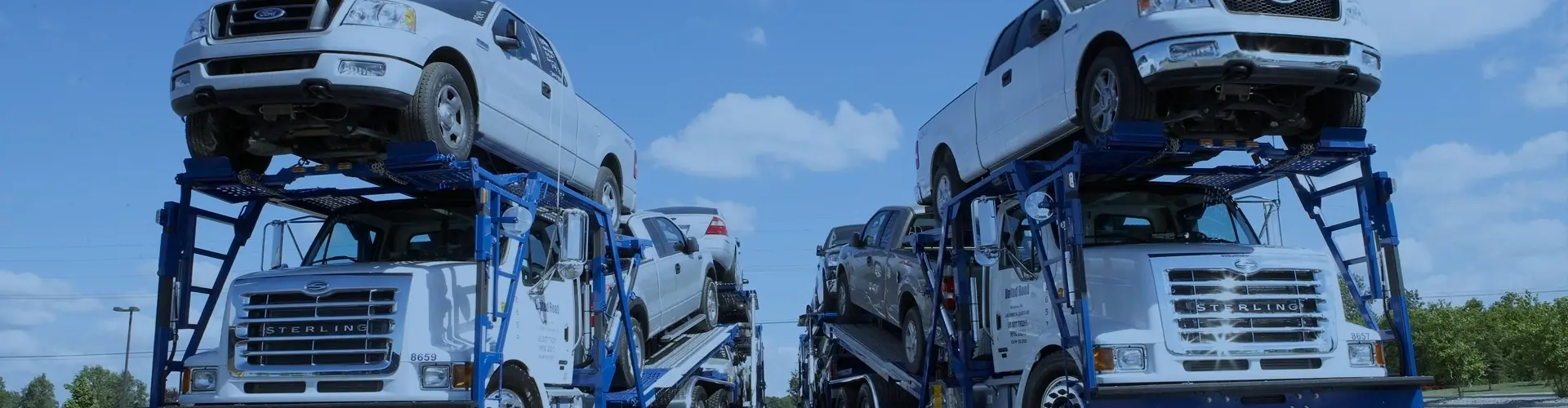
Irvine to Minneapolis Car Shipping Route
Irvine sits at the intersection of I-405 and I-5 in Orange County, giving carriers two immediate freeway access points heading north toward Los Angeles. From there, the primary routing follows I-15 north through the Cajon Pass and into the Nevada desert, then picks up I-80 east through Salt Lake City and across Wyoming before connecting to I-90 or I-94 into Minneapolis — a total driving distance of approximately 1,940 miles. For context on why paying a carrier makes more sense than driving yourself on a haul this long, see https://california.auto-transport-shipping.com/articles/benefits-of-auto-transport-service-vs-driving-yourself.html. Fuel, meals, lodging, and two days of your time add up quickly on a run this size.
Minneapolis demand is anchored by several large institutions. The University of Minnesota enrolls over 50,000 students and generates consistent vehicle moves each August and May. Fort Snelling, located at the confluence of the Minnesota and Mississippi rivers, processes regular military personnel assignments that require vehicle transport. Major private employers — UnitedHealth Group in Minnetonka, Target's downtown Minneapolis headquarters, and 3M in Maplewood — relocate employees into and out of the metro regularly. Winter weather between Wyoming and Minnesota can add transit time between November and March, a factor worth planning around. Before booking, review common booking errors at https://california.auto-transport-shipping.com/articles/auto-transport-mistakes-to-avoid.html.
Irvine to Minneapolis Car Shipping Rates

At 1,940 miles, this route falls into the upper tier of long-haul pricing — expect base open-carrier rates to reflect fuel load across two mountain crossings, the Cajon Pass on the California side and the Rockies through Wyoming. Winter months add a weather premium as carriers factor road conditions through Utah, Wyoming, and Minnesota. Gas price fluctuations directly affect what dispatchers quote; see https://california.auto-transport-shipping.com/articles/how-gas-prices-impact-california-auto-transport-fees.html for how fuel costs translate into your final rate.
What affects the cost of Irvine to Minneapolis car shipping:
- Vehicle type and size — larger vehicles take more carrier space; aftermarket additions like lift kits, oversized mirrors, or roof accessories can add fees
- Open vs. enclosed transport — open is lower cost with stronger carrier availability; enclosed protects against weather, debris, and road conditions
- Standard vs. expedited pickup — expedited prioritizes your vehicle for the next available dispatch, typically at a $100–$300 premium
- Time of year — peak demand seasons drive rates higher; off-peak windows offer the most competitive pricing
- Fuel costs — diesel prices affect carrier rates; longer routes are more sensitive to fuel price swings
- Vehicle condition — non-running vehicles require special loading equipment and cost more to ship
| Vehicle Type | Open Car Shipping (Est.) | Enclosed Car Shipping (Est.) |
|---|---|---|
| Sedan | $1,100 – $1,600 | $1,900 – $2,700 |
| SUV / Crossover | $1,300 – $1,900 | $2,200 – $3,100 |
| Pickup Truck | $1,300 – $1,950 | $2,200 – $3,150 |
| Minivan | $1,300 – $1,900 | $2,200 – $3,100 |
| Luxury / Classic Car | $1,550 – $2,200 | $2,600 – $3,600 |
| Non-Running Vehicle | Add $200–400 | Add $200–400 |
* Estimated ranges based on recent Irvine to Minneapolis shipments. Actual rate depends on vehicle, locations, booking date, and current fuel costs. Use the form on this page to compare real quotes from licensed carriers.
Open vs. Enclosed: What This Specific Route Conditions Justify
Open transport is the right call for standard vehicles on this corridor during spring through early fall. Carriers run well-maintained open decks on I-15 and I-80 continuously. If you're shipping between November and March, enclosed becomes worth considering — not just for road debris but for the salt brine that Minnesota and Wyoming highway departments spray heavily during winter. Enclosed also makes clear sense for classic cars, exotics, or any vehicle where paint and undercarriage protection justify the 30–40% cost premium. For most late-model daily drivers shipped in summer, open is sufficient.
How Long Does Irvine to Minneapolis Car Shipping Take?
Plan for 6 to 9 transit days on the Irvine-to-Minneapolis run under normal conditions. The driving distance alone — roughly 1,940 miles — translates to about 3 days of continuous drive time, but carriers operate multi-stop loads and comply with federal Hours of Service rules that cap daily driving. Irvine's position in a high-volume Southern California dispatch zone means load matches happen faster than in rural areas. If your timeline is tight, expedited options exist — see https://california.auto-transport-shipping.com/articles/california-expedited-car-shipping-fast-cost.html for what that costs and how it's structured.
| Service Type | Typical Transit | Pickup Window | Best For |
|---|---|---|---|
| Open — Standard | 7–10 days | 2–5 business days | Best value; most common choice on this route |
| Open — Expedited | 5–7 days | 1–2 business days | Firm arrival date; faster dispatch window |
| Enclosed — Standard | 7–10 days | 4–8 business days | Luxury, classic, or modified vehicles |
| Enclosed — Expedited | 5–7 days | 2–4 business days | High-value vehicles on a firm delivery deadline |
** Winter weather between Evanston, Wyoming, and the Twin Cities is the most common cause of added transit days on this corridor. I-80 through Wyoming sees road closures several times per season. Budget an extra 2 to 3 days for any shipment between late November and early March.
Irvine to Minneapolis — Route & Logistics
Carriers access this route from Irvine via SR-241 north or I-405 north, merging onto I-5 toward Los Angeles before taking I-15 north at the Barstow junction. I-15 carries the load through Nevada and Utah to Salt Lake City, where carriers connect to I-80 east. From there the route follows I-80 through Wyoming and into Iowa before transitioning to I-90 or I-94 north into the Minneapolis metro.
Key Corridor Waypoints
- Cajon Pass, CA — Elevation 4,190 ft Carriers climbing out of the Southern California basin hit the Cajon Pass on I-15 approximately 60 miles north of Irvine. At 4,190 feet, this is the first significant grade of the trip. Brake checks are standard here for loaded multi-car haulers. In winter, chain controls can apply, and summer heat requires carriers to monitor engine temps on steep grades. This is a routine but managed pinch point.
- Las Vegas, NV Las Vegas sits roughly 270 miles from Irvine and functions as a common first overnight stop or driver exchange point on this corridor. Carriers often reload here, picking up additional vehicles heading east. The I-15 interchange with US-95 gives drivers routing flexibility. Dispatch offices for several large auto transport companies maintain agent contacts in the Las Vegas metro.
- Salt Lake City, UT At approximately 600 miles from Irvine, Salt Lake City is a key logistics hub where I-15 meets I-80. Carriers heading to Minneapolis branch east onto I-80 here. The city has multiple carrier yards and staging lots near the airport. CARB-compliant truck requirements do not apply this far east, so fleet composition is not restricted. Many drivers take a federally mandated 10-hour rest break here.
- Evanston, WY — Elevation 6,748 ft Evanston marks the Utah-Wyoming border and the beginning of the high-plains stretch that carriers watch closely in winter. Elevation stays above 6,000 feet for much of southern Wyoming on I-80. The Wyoming Department of Transportation issues frequent wind and snow closure advisories between October and April. Carriers experienced on this lane know to check WYDOT alerts before committing to this segment in shoulder-season months.
- Des Moines, IA Des Moines is the practical halfway point between the Rockies and Minneapolis, sitting near the I-80 and I-35 interchange. Carriers heading north to Minneapolis branch off I-80 here onto I-35 north. This junction is also where drivers gauge whether to push through to the Twin Cities or take a final rest stop. Fuel prices in Iowa tend to run lower than Wyoming, so many carriers top off here.
- Minneapolis, MN — Delivery Zone Minneapolis carrier access varies by neighborhood. The highway ring formed by I-494, I-694, and I-35W gives carriers practical delivery staging around the metro perimeter. Downtown Minneapolis and the University of Minnesota's Dinkytown and Stadium Village areas involve narrower streets and loading restrictions. Suburban delivery to Minnetonka, Plymouth, or Bloomington is straightforward. Carriers familiar with this market know to confirm specific drop addresses before committing to a final approach.
Pickup & Delivery Access
- Pickup Access in Irvine Irvine's street grid is carrier-friendly. Business park clusters near the Irvine Spectrum, Alton Parkway, and the Von Karman Avenue corridor offer wide driveways and low traffic that work well for multi-car hauler maneuvering. Residential streets in Woodbridge and Turtle Rock are accessible but narrower — coordinate a nearby commercial parking lot as an alternative meet point if you're in a dense residential area.
- Delivery Access in Minneapolis Minneapolis delivery is straightforward in suburban zones — Bloomington, Eden Prairie, and Plymouth have wide streets and commercial lots near major employer campuses. The University of Minnesota area and Uptown Minneapolis involve parking enforcement and narrower access lanes; plan a side-street or campus perimeter meet point. Downtown Minneapolis has loading zone restrictions on most blocks during business hours. Confirm your exact drop address with your carrier 24 hours out.
- Nearby Pickup Locations Carriers picking up in Irvine regularly extend service to Santa Ana, Costa Mesa, and Lake Forest. Call 1‑800‑590‑6492 to confirm door-to-door availability at your address.
Open vs. Enclosed Car Shipping: Irvine to Minneapolis
Both options use licensed, insured carriers and deliver door to door. For a full breakdown, read the pros and cons of open vs. enclosed car shipping.
Open Car Shipping
Most Popular- Lower cost — the practical choice for most vehicles
- More carriers available on this corridor
- Faster dispatch from booking to pickup
- Works well for sedans, SUVs, trucks, and minivans
- Vehicle rides on an open multi-car carrier
- Cargo insurance required on all licensed carriers
Estimated cost: $1,100 – $1,950
Enclosed Car Shipping
Premium Protection- Full protection from weather, debris, and road grime
- Best for luxury, exotic, and classic vehicles
- Recommended for low-clearance and custom-built cars
- Wheel-net or soft-tie systems prevent contact damage
- Higher cargo coverage — commonly $500,000 per load
- White-glove handling by experienced operators
Estimated cost: $1,900 – $3,150
Not sure which is right for your vehicle? Call 1-800-590-6492 and we'll point you in the right direction. Also worth reading: the top 10 questions to ask any car shipping company before you commit.
How to Prepare Your Car for Shipping to Minneapolis
A little prep before pickup protects you if there's ever a dispute about your vehicle's condition. This checklist is from our full guide on preparing your car for transport:
- Remove all personal belongings from the interior and trunk
- Leave only a quarter tank of fuel — enough to load and unload
- Take date-stamped photos of the full exterior and interior
- Remove or disable toll transponders (FasTrak, E-ZPass, etc.)
- Retract or remove roof racks, spoilers, antennas, and bike mounts
- Make sure the battery is charged and tires are properly inflated
- Tell the carrier about any existing leaks or mechanical issues
- Deactivate the car alarm before the carrier arrives
- Write down the mileage on the Bill of Lading at pickup
- Fold in side mirrors if the vehicle is wider than standard
Personal items: Most carriers won't cover belongings left in the car. Read the full rules on shipping personal items in your vehicle. Also review our Bill of Lading guide so you know exactly what to check at pickup and delivery.
When to Ship Your Car from Irvine to Minneapolis
This corridor has two distinct demand peaks: summer, driven by university moves and corporate relocation season, and late fall, driven by residents moving vehicles south ahead of Minnesota winters. Winter months carry weather premiums and longer transit estimates. Spring is generally the most cost-stable window. For a detailed breakdown of cold-weather shipping risks on routes like this one, see https://california.auto-transport-shipping.com/articles/auto-transport-challenges-during-the-winter.html.

Spring (March–May)
Spring is the most stable pricing window on this corridor. Wyoming and Minnesota roads have cleared of ice by mid-April, carrier availability is solid, and demand from the peak summer rush hasn't hit yet. If your move has flexibility, booking in April or early May typically gets you the most competitive rate and faster load matching from Irvine. This is also a common window for military PCS orders activating at Fort Snelling.
Summer Peak (June–August)
June through August is the busiest window on this lane. University of Minnesota student moves, corporate relocations, and general seasonal demand all converge. Carriers are active and load matches happen quickly, but rates reflect the competition for spots. Book at least two weeks out during this window. Open carrier space fills faster than enclosed. Irvine's tech and biomedical sector generates significant outbound moves to Minneapolis during summer as well.
Fall Vehicle Relocation (September–November)
Minnesota residents with seasonal vehicles — collectors, convertibles, or simply those avoiding winter driving — ship cars south or to storage in October and November. This creates a specific demand spike for outbound Minneapolis transport, but it also means carriers are running the westbound direction heavily, keeping the eastbound Irvine-to-Minneapolis lane competitive in terms of availability. Book early in October before the rush compresses available spots.
Winter (December–February)
Winter adds real complexity to this route. Wyoming's I-80 corridor sees multiple seasonal closures, and Minnesota road conditions affect last-mile delivery timing. Enclosed transport is worth pricing out for any vehicle you're unwilling to expose to road salt spray. Transit time estimates extend to 8–12 days during this period. Rates include a weather premium. Review winter shipping specifics at https://california.auto-transport-shipping.com/articles/auto-transport-challenges-during-the-winter.html before booking.
University of Minnesota Move-In (Late July–August)
The University of Minnesota's fall semester move-in drives a concentrated demand spike in late July and August. Students relocating from California — particularly from Orange County and the Bay Area — frequently ship vehicles rather than drive. Irvine's proximity to UCI also means students returning home after summer create outbound demand. If you're shipping for a student, book six weeks ahead of your target delivery date to secure pricing.
Military PCS Season (May–August)
Fort Snelling and the Minneapolis-St. Paul military community process the majority of Permanent Change of Station orders between May and August, matching the broader military PCS cycle. If you're shipping under military orders, confirm your entitlement documents and whether your branch covers open or enclosed transport. Carriers familiar with military moves on this corridor understand the documentation requirements and BOL specifics tied to government-funded shipments.
How to Choose a Irvine to Minneapolis Car Shipping Company
Getting multiple quotes is step one — knowing what to look for in those quotes matters just as much. Our guide on how to select a car shipping company covers the full process. Here are the six things that matter most:
FMCSA Registration
Every carrier or broker must hold a valid MC number. Verify any company at FMCSA SAFER before you book.
Proof of Insurance
Ask for a current certificate of insurance. Open carriers typically carry $100,000–$250,000 per load; enclosed commonly $500,000 or more. Learn what auto transport insurance covers.
All-In Pricing
Your quote should be a final number with no fees added after booking. Know the difference between brokers and carriers and confirm what the quote covers before you agree.
Bill of Lading
A complete Bill of Lading is filled out at pickup and delivery. Our Bill of Lading guide explains what to check. Never sign an incomplete one.
Real Reviews
Check Google and the BBB. Look at how they handled complaints and damage claims — that tells you more than a five-star average from happy customers.
Route Experience
A carrier who regularly runs Irvine to Minneapolis knows a few things a first-time hauler on this lane doesn't. They know to check WYDOT's road condition alerts before entering I-80 in Wyoming — not after. They know that the Cajon Pass on I-15 northbound needs a brake check before descending, and that staging in Las Vegas or Salt Lake City is more efficient than pushing through without a reload. They know that Minneapolis delivery in Uptown or near the U of M campus requires confirming the drop point a day out, because street access during events or permit periods changes without notice. They know the June-to-August window fills open spots fast out of Southern California, and that early dispatch from Irvine means better load positioning at the Salt Lake City junction. That operational familiarity is what separates a smooth 7-day transit from a frustrating 11-day one.
Irvine to Minneapolis Car Shipping — FAQ
How much does it cost to ship a car from Irvine to Minneapolis?
On this 1,940-mile corridor, open carrier rates for a standard sedan or SUV typically range from $1,050 to $1,450 depending on the season and current fuel prices. Enclosed transport runs $1,500 to $2,100 for the same vehicle class. Rates are higher in June through August due to peak demand and in December through February due to weather-related risk premiums and slower transit. Larger vehicles — trucks, SUVs, and vans — cost more due to the space they occupy on the hauler deck. Get a firm quote through the form on this page to see current pricing for your specific vehicle.
How long does Irvine to Minneapolis car shipping take?
Standard transit time on this route is 6 to 9 days from pickup confirmation. The 1,940-mile driving distance translates to roughly 3 full driving days, but carriers run multi-stop loads and are regulated by federal Hours of Service rules that limit daily drive time. Irvine's position in a high-frequency Southern California dispatch zone means load matching is faster here than in less active markets. In winter months, plan for 8 to 12 days due to possible delays on I-80 in Wyoming. If your schedule is firm, ask about expedited options at https://california.auto-transport-shipping.com/articles/california-expedited-car-shipping-fast-cost.html.
Is my car insured during transport from Irvine to Minneapolis?
Yes. Every carrier legally operating in the U.S. is required by the FMCSA to carry cargo insurance. For a haul of this distance, that coverage applies throughout the full route — from Irvine pickup through Minneapolis delivery. That said, carrier policies vary in deductible amounts and coverage limits, so it's worth asking for the carrier's certificate of insurance before your vehicle is loaded. Review what that coverage actually includes at https://california.auto-transport-shipping.com/articles/understanding-auto-transport-insurance.html. If any damage occurs during transit, the claims process is outlined at https://california.auto-transport-shipping.com/articles/how-to-file-a-claim-for-vehicle-damage-during-transport.html. Document your vehicle's condition thoroughly at pickup using photos and the bill of lading.
Should I choose open or enclosed transport for this route?
For most vehicles shipped in spring, summer, or early fall, open transport is sufficient on this corridor. Carriers run clean, maintained open decks on I-15 and I-80 regularly. Where enclosed earns its premium on this specific route is winter — Wyoming and Minnesota both use heavy road salt and brine spray that can affect undercarriage and paint on exposed vehicles. If you're shipping a classic car, exotic, or low-clearance vehicle at any time of year, enclosed is the right call. For more detail on the tradeoffs, see https://california.auto-transport-shipping.com/articles/open-vs-enclosed-auto-transport-pros-and-cons.html.
Do I have to be present at pickup in Irvine and delivery in Minneapolis?
You don't have to be present yourself, but someone with authority to sign the bill of lading must be available at both ends. The bill of lading is the condition report that documents your vehicle's state at pickup and delivery — it's your primary protection if a damage claim arises. A trusted person — family member, colleague, or property manager — can stand in for you if you've already traveled ahead. Read the full bill of lading requirements at https://california.auto-transport-shipping.com/articles/california-auto-transport-bill-of-lading-information.html. Make sure whoever accepts delivery in Minneapolis inspects the vehicle before signing and notes any discrepancies on the document itself.
How does winter weather affect shipping between Irvine and Minneapolis?
This is the most weather-sensitive long-haul route operating out of Southern California. Wyoming's I-80 corridor — specifically the stretch between Evanston and Cheyenne — sees multiple closures per winter season due to wind and snow. The Wyoming Department of Transportation issues chain control and closure orders that carriers must comply with, which can add 1 to 3 days to transit. Minnesota adds a final-mile variable with snow and ice affecting urban delivery in Minneapolis. If you're shipping between November and March, build buffer time into your schedule and consider whether enclosed transport is worth the added cost for your vehicle.
Are there military shipping options for PCS orders to the Fort Snelling area?
Yes, and this lane sees regular PCS moves tied to Fort Snelling and the broader Twin Cities military community. If you're shipping under government orders, confirm with your transportation office whether your entitlement covers open or enclosed transport and what the weight and vehicle-type allowances are. Keep your orders documentation available when you book — carriers on military moves need that information at load time. PCS orders typically activate between May and August, which overlaps with peak civilian demand on this corridor, so booking early — ideally 3 to 4 weeks ahead — is important for securing preferred dates.
What time of year is cheapest to ship from Irvine to Minneapolis?
March through early May is consistently the most cost-stable window on this corridor. Winter weather premiums have cleared, Wyoming roads are passable without delays, and the summer corporate and university relocation rush hasn't started yet. Carrier availability is solid, load matching from Southern California is fast, and rates aren't inflated by seasonal demand spikes. If you have flexibility in your move date, targeting an April pickup will typically get you the best rate and a clean transit window. Late November and February are the most expensive and logistically uncertain periods due to weather on the Wyoming-Minnesota stretch.
Ready to Ship Your Car from Irvine to Minneapolis?
One form gets you up to 10 free quotes from licensed, insured carriers. Compare costs and transit times and book the best deal for your schedule.