
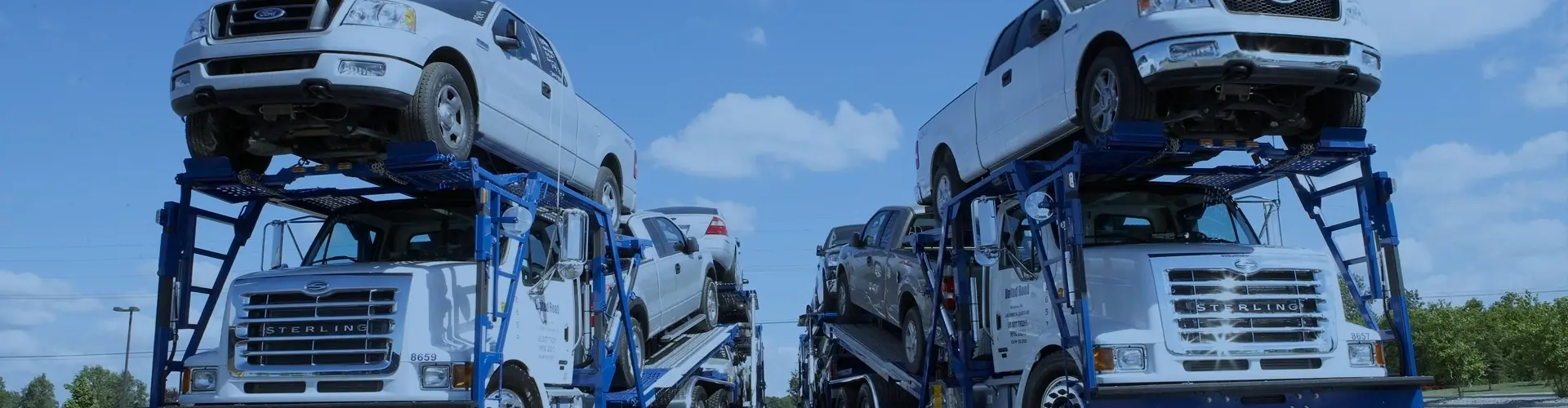
Santa Ana to Miami Car Shipping Route
Santa Ana to Miami covers approximately 2,740 miles by road. Carriers depart Orange County using SR-22 or SR-55 to connect with I-5 south, then transition to I-10 east at the downtown Los Angeles interchange — the primary transcontinental artery for this run. From there, the route crosses the Sonoran Desert through Arizona, cuts across New Mexico and the Texas panhandle region, follows I-10 through San Antonio and Houston, then arcs through Louisiana, Mississippi, Alabama, and Florida before terminating in Miami via I-95 or the Florida Turnpike. Driving that yourself takes five or more days; shipping saves you the mileage, wear, and airline logistics. Review the full breakdown at https://california.auto-transport-shipping.com/articles/benefits-of-auto-transport-service-vs-driving-yourself.html
Miami demand is anchored by several institutions that generate recurring vehicle moves. Homestead Air Reserve Base, roughly 35 miles southwest of downtown Miami, produces steady military PCS shipments. The University of Miami in Coral Gables and Florida International University in Doral collectively enroll over 60,000 students, creating move-in and move-out volume in August and May. Major employers including Carnival Corporation, Baptist Health South Florida, and the Port of Miami sustain corporate relocation demand throughout the year. Seasonally, Florida's hurricane season runs June through November, which can introduce brief transit delays in the final delivery leg. Before booking, review common mistakes shippers make at https://california.auto-transport-shipping.com/articles/auto-transport-mistakes-to-avoid.html to protect your shipment.
Santa Ana to Miami Car Shipping Rates
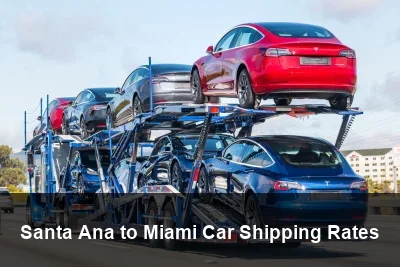
At 2,740 miles, Santa Ana to Miami falls in the highest distance tier for domestic transport, where base rates reflect both fuel costs across multiple states and driver time. Snowbird season — roughly October through March — compresses southbound carrier availability, pushing rates up 10–20%. Summer heat across the Texas and Arizona desert stretch also influences carrier scheduling and can add fuel surcharges. Current diesel pricing directly affects what carriers quote on this corridor; see https://california.auto-transport-shipping.com/articles/how-gas-prices-impact-california-auto-transport-fees.html for a detailed breakdown of how fuel costs flow through to your rate.
What affects the cost of Santa Ana to Miami car shipping:
- Vehicle type and size — larger vehicles take more carrier space; aftermarket additions like lift kits, oversized mirrors, or roof accessories can add fees
- Open vs. enclosed transport — open is lower cost with stronger carrier availability; enclosed protects against weather, debris, and road conditions
- Standard vs. expedited pickup — expedited prioritizes your vehicle for the next available dispatch, typically at a $100–$300 premium
- Time of year — peak demand seasons drive rates higher; off-peak windows offer the most competitive pricing
- Fuel costs — diesel prices affect carrier rates; longer routes are more sensitive to fuel price swings
- Vehicle condition — non-running vehicles require special loading equipment and cost more to ship
| Vehicle Type | Open Car Shipping (Est.) | Enclosed Car Shipping (Est.) |
|---|---|---|
| Sedan | $1,100 – $1,600 | $1,900 – $2,700 |
| SUV / Crossover | $1,300 – $1,900 | $2,200 – $3,100 |
| Pickup Truck | $1,300 – $1,950 | $2,200 – $3,150 |
| Minivan | $1,300 – $1,900 | $2,200 – $3,100 |
| Luxury / Classic Car | $1,550 – $2,200 | $2,600 – $3,600 |
| Non-Running Vehicle | Add $200–400 | Add $200–400 |
* Estimated ranges based on recent Santa Ana to Miami shipments. Actual rate depends on vehicle, locations, booking date, and current fuel costs. Use the form on this page to compare real quotes from licensed carriers.
Open vs. Enclosed on the Santa Ana–Miami Desert and Coastal Run
Open transport handles the majority of vehicles shipped on this corridor without issue. The I-10 route through Arizona and West Texas is high-desert terrain — dusty but not corrosive. Where enclosed makes sense is if you're shipping a luxury vehicle, classic car, or low-clearance sports car: road debris in Texas construction zones is a real factor, and Miami's salt-air environment during final delivery isn't ideal for unprotected paint on high-value finishes. Enclosed carriers on this lane run less frequently, which can add two to four days to your booking window. Budget the premium accordingly.
How Long Does Santa Ana to Miami Car Shipping Take?
Standard transit on the Santa Ana to Miami corridor runs 7 to 10 days from the point a carrier is assigned. The driving distance alone is roughly 2,740 miles, which at typical carrier daily limits means a minimum of five driving days before accounting for loading, unloading, and co-load stops for other vehicles on the truck. Orange County's carrier frequency shortens the dispatch-to-pickup gap compared to smaller California markets. If your timeline is compressed, expedited options exist — see https://california.auto-transport-shipping.com/articles/california-expedited-car-shipping-fast-cost.html — but standard booking typically covers most needs on this well-serviced lane.
| Service Type | Typical Transit | Pickup Window | Best For |
|---|---|---|---|
| Open — Standard | 7–10 days | 2–5 business days | Best value; most common choice on this route |
| Open — Expedited | 5–7 days | 1–2 business days | Firm arrival date; faster dispatch window |
| Enclosed — Standard | 7–10 days | 4–8 business days | Luxury, classic, or modified vehicles |
| Enclosed — Expedited | 5–7 days | 2–4 business days | High-value vehicles on a firm delivery deadline |
** Late-season Gulf weather — particularly tropical storms tracking through Louisiana, Mississippi, or South Florida between August and October — can delay final delivery by one to three days when carriers hold position rather than drive through active weather. If you're shipping during hurricane season, build that buffer into your expected delivery window.
Santa Ana to Miami — Route & Logistics
Carriers depart Santa Ana on SR-55 north or SR-22 west to reach I-5 south, picking up I-10 east at the East Los Angeles interchange. From that point, I-10 runs uninterrupted through the California desert, Arizona, New Mexico, and across Texas before connecting to Gulf Coast interstates and ultimately Florida's I-95 and Florida Turnpike for Miami delivery.
Key Corridor Waypoints
- Ontario, CA Located roughly 40 miles east of Santa Ana on I-10, Ontario is a primary staging and consolidation point for eastbound carriers out of the greater Los Angeles basin. The Ontario area's truck infrastructure and proximity to I-15 and I-10 makes it a common co-load stop where carriers finalize their payload before committing to the desert crossing. Expect a brief hold here while loads are balanced.
- Ehrenberg, AZ / Blythe, CA The California–Arizona state line crossing at Ehrenberg marks the start of the desert run. California's agricultural inspection station at Blythe requires a stop for all carriers. Summer temperatures regularly exceed 115°F in this corridor, which influences carrier departure timing — many schedule this stretch as an overnight or pre-dawn drive to reduce heat stress on vehicles and equipment.
- Tucson, AZ Tucson sits at approximately 2,400 feet elevation and serves as the first major rest and fuel stop after the Sonoran Desert crossing. Davis-Monthan Air Force Base here generates its own PCS vehicle traffic, and carriers often make delivery or pickup stops in Tucson. The I-10 / I-19 interchange is a known inspection and weigh station checkpoint. Transit time from Santa Ana to Tucson typically runs 8 to 10 hours of drive time.
- San Antonio, TX San Antonio is the midpoint hub on the I-10 corridor and a critical overnight stop for most transcontinental carriers. The city sits at roughly 650 feet elevation. Joint Base San Antonio, the largest military installation in the US by population, generates consistent inbound and outbound vehicle shipments. Carriers typically rest and refuel here before the Houston and Gulf Coast leg, making San Antonio a reliable checkpoint in estimated transit windows.
- Houston, TX Houston's I-10 corridor through the city is one of the heaviest commercial freight corridors in the country. Traffic congestion through the I-610 loop is a consistent delay factor — carriers running peak hours can lose two to three hours here. Most experienced drivers on this route schedule the Houston transit for early morning. The I-10 to I-69 junction is where southbound Florida-bound carriers typically continue east toward Louisiana.
- Miami, FL Carriers reach Miami via I-95 south from Jacksonville or the Florida Turnpike from Orlando. Final delivery in Miami depends heavily on the destination ZIP code. Areas like Coral Gables, South Miami, and Brickell have narrow tree-lined streets that limit 75-foot transport trucks. Miami Beach requires special staging due to bridge clearances. Carriers typically use commercial staging areas near Miami International Airport or the Doral industrial corridor for last-mile coordination.
Pickup & Delivery Access
- Pickup Access in Santa Ana Santa Ana's street grid is dense but carrier-accessible in most areas via SR-55 and SR-22 corridors. Residential streets east of downtown near Orange and Tustin borders accommodate standard carriers. For tighter areas near the Santa Ana Civic Center or older residential blocks, carriers often arrange staging at nearby shopping centers or commercial parking along Bristol Street or MacArthur Boulevard to complete pickup without maneuvering constraints.
- Delivery Access in Miami Miami delivery access varies sharply by neighborhood. The Doral, Kendall, and Hialeah areas handle full-size transport trucks without issue. Coral Gables, Coconut Grove, and Miami Beach present real access challenges — narrow streets, low-clearance bridges to the beach barrier islands, and permit-restricted zones. If your delivery address is in one of these areas, your carrier will coordinate a nearby staging meet point, typically along a commercial corridor such as US-1 or Biscayne Boulevard.
- Nearby Pickup Locations Carriers picking up in Santa Ana regularly extend service to Garden Grove, Orange, and Tustin. Call 1‑800‑590‑6492 to confirm door-to-door availability at your address.
Open vs. Enclosed Car Shipping: Santa Ana to Miami
Both options use licensed, insured carriers and deliver door to door. For a full breakdown, read the pros and cons of open vs. enclosed car shipping.
Open Car Shipping
Most Popular- Lower cost — the practical choice for most vehicles
- More carriers available on this corridor
- Faster dispatch from booking to pickup
- Works well for sedans, SUVs, trucks, and minivans
- Vehicle rides on an open multi-car carrier
- Cargo insurance required on all licensed carriers
Estimated cost: $1,100 – $1,950
Enclosed Car Shipping
Premium Protection- Full protection from weather, debris, and road grime
- Best for luxury, exotic, and classic vehicles
- Recommended for low-clearance and custom-built cars
- Wheel-net or soft-tie systems prevent contact damage
- Higher cargo coverage — commonly $500,000 per load
- White-glove handling by experienced operators
Estimated cost: $1,900 – $3,150
Not sure which is right for your vehicle? Call 1-800-590-6492 and we'll point you in the right direction. Also worth reading: the top 10 questions to ask any car shipping company before you commit.
How to Prepare Your Car for Shipping to Miami
A little prep before pickup protects you if there's ever a dispute about your vehicle's condition. This checklist is from our full guide on preparing your car for transport:
- Remove all personal belongings from the interior and trunk
- Leave only a quarter tank of fuel — enough to load and unload
- Take date-stamped photos of the full exterior and interior
- Remove or disable toll transponders (FasTrak, E-ZPass, etc.)
- Retract or remove roof racks, spoilers, antennas, and bike mounts
- Make sure the battery is charged and tires are properly inflated
- Tell the carrier about any existing leaks or mechanical issues
- Deactivate the car alarm before the carrier arrives
- Write down the mileage on the Bill of Lading at pickup
- Fold in side mirrors if the vehicle is wider than standard
Personal items: Most carriers won't cover belongings left in the car. Read the full rules on shipping personal items in your vehicle. Also review our Bill of Lading guide so you know exactly what to check at pickup and delivery.
When to Ship Your Car from Santa Ana to Miami
This corridor runs busy in both directions but for different reasons at different times of year. Southbound demand peaks October through March as snowbirds and retirees move vehicles to Florida for the winter. Northbound demand picks up April through June as they return. Summer adds student moves tied to University of Miami and FIU schedules. Winter weather across Texas and the Gulf states can affect transit time; see https://california.auto-transport-shipping.com/articles/auto-transport-challenges-during-the-winter.html for specifics on managing cold-weather shipping.
Snowbird Season (October–March)
This is the highest-demand window on the Santa Ana–Miami corridor. Retirees and seasonal residents moving vehicles from California to Florida for the winter compress southbound carrier availability significantly. Rates typically rise 10–20% and booking lead times stretch to 7–14 days. If your move date falls in this window, book at least two weeks ahead. Northbound slots during this period are plentiful and competitively priced — useful if you're returning a vehicle to California.
Summer Heat (June–August)
The I-10 corridor through Arizona and West Texas regularly hits 110–115°F in summer. Carriers manage this with early-morning desert crossings, which can slightly extend transit times. For vehicles with known cooling system sensitivities or older seals, this is worth noting before booking. Open transport remains standard and safe, but if you're shipping a vehicle with existing mechanical concerns, summer timing adds marginal stress on the desert leg.
Student Move Season (August and May)
The University of Miami and Florida International University together enroll over 60,000 students, and move-in and move-out periods in August and May generate a noticeable demand spike for inbound and outbound Miami shipments. Santa Ana and broader Orange County have a large student population with ties to Florida schools. Booking three to four weeks ahead during these months avoids the rate bump and scheduling delays that come with compressed carrier capacity.
Military PCS Season (April–June and September–October)
Homestead Air Reserve Base in Miami and Joint Base San Antonio — a major waypoint on this corridor — both see concentrated PCS orders during the spring and fall military move seasons. This directly affects carrier capacity on the I-10 transcontinental route. Military shippers with government travel orders should confirm carrier acceptance of GTL paperwork in advance. Early booking in April and September avoids competing with high PCS volume for available truck space.
Hurricane Season (June–November)
Florida's hurricane season overlaps significantly with the summer and fall shipping calendar. While most storms don't directly disrupt the I-10 corridor, Gulf Coast and South Florida storms can delay final delivery by one to three days when carriers hold position during active weather. If your Miami delivery window is during peak hurricane months — August through October — build flexibility into your delivery date expectations rather than scheduling around a hard deadline.
Spring Window (March–April)
March through early April represents one of the best windows to ship on this corridor. Snowbird demand has plateaued, hurricane season hasn't started, and carrier availability is strong in both directions. Rates tend to stabilize and booking lead times shorten. If your move is flexible by a few weeks, targeting late March or early April typically yields competitive pricing and faster dispatch-to-pickup times from the Orange County area.
How to Choose a Santa Ana to Miami Car Shipping Company
Getting multiple quotes is step one — knowing what to look for in those quotes matters just as much. Our guide on how to select a car shipping company covers the full process. Here are the six things that matter most:
FMCSA Registration
Every carrier or broker must hold a valid MC number. Verify any company at FMCSA SAFER before you book.
Proof of Insurance
Ask for a current certificate of insurance. Open carriers typically carry $100,000–$250,000 per load; enclosed commonly $500,000 or more. Learn what auto transport insurance covers.
All-In Pricing
Your quote should be a final number with no fees added after booking. Know the difference between brokers and carriers and confirm what the quote covers before you agree.
Bill of Lading
A complete Bill of Lading is filled out at pickup and delivery. Our Bill of Lading guide explains what to check. Never sign an incomplete one.
Real Reviews
Check Google and the BBB. Look at how they handled complaints and damage claims — that tells you more than a five-star average from happy customers.
Route Experience
A carrier who runs the Santa Ana–Miami corridor regularly knows to stage in Ontario before committing to the desert, not after. They know the Blythe agricultural inspection adds 15–30 minutes regardless of departure time and plan accordingly. They know Houston's I-610 loop is a morning job, not an afternoon one, and that missing that window can cost half a day. They know Miami Beach requires a staging call before arrival, not on arrival. They know the Florida Turnpike often clears faster than I-95 south of Fort Lauderdale during peak season. These aren't things you learn from a dispatch sheet — they're the product of running 2,740 miles of the same road repeatedly. That institutional knowledge is what separates a clean delivery from a delayed one.
Santa Ana to Miami Car Shipping — FAQ
How much does it cost to ship a car from Santa Ana to Miami?
Rates on the Santa Ana to Miami corridor typically range from $1,100 to $1,600 for open transport on a standard sedan or mid-size SUV, and $1,800 to $2,600 for enclosed transport. The 2,740-mile distance puts this in the top tier for domestic routes, so expect pricing to reflect that. Key variables that shift your quote include vehicle size, ground clearance, current fuel prices, and booking timing relative to snowbird season. October through February southbound is the most competitive pricing window to avoid — rates climb when carrier demand from California to Florida peaks. Booking at least two weeks out with flexibility on a three-day pickup window typically yields better rates than hard same-day requests.
How long does Santa Ana to Miami car shipping take?
Standard transit from Santa Ana to Miami runs 7 to 10 days from the date a carrier is assigned to your order. The driving distance alone is approximately 2,740 miles, which takes most carriers a minimum of five drive days after factoring in required rest stops and co-load deliveries along the route. Carrier dispatch from Orange County typically runs 1 to 3 business days after booking, meaning total door-to-door time from the day you place your order is usually 8 to 13 days. Expedited booking options that prioritize your load can shorten this window — see https://california.auto-transport-shipping.com/articles/california-expedited-car-shipping-fast-cost.html for details on how that pricing structure works.
Is my car insured during transport from Santa Ana to Miami?
Every licensed carrier operating on this route is required by federal law to carry cargo insurance. That policy covers your vehicle while it is loaded on the transport truck. However, the coverage limits, deductibles, and what qualifies as a covered event vary by carrier. Before your vehicle is loaded in Santa Ana, you and the driver will complete a bill of lading documenting the vehicle's pre-existing condition — this is your primary evidence if you need to file a claim upon delivery in Miami. For a full explanation of how carrier insurance works and what your personal auto policy may or may not cover, see https://california.auto-transport-shipping.com/articles/understanding-auto-transport-insurance.html. If damage occurs, follow the steps at https://california.auto-transport-shipping.com/articles/how-to-file-a-claim-for-vehicle-damage-during-transport.html immediately.
Should I choose open or enclosed transport for the Santa Ana to Miami route?
Open transport is appropriate for the large majority of vehicles shipped on this corridor and is what most customers book. The I-10 route through the desert Southwest is dusty but not corrosive, and open carriers handle it routinely without incident. Enclosed transport makes practical sense if you're shipping a luxury vehicle, a classic or collector car, or a low-clearance sports car where road debris in Texas construction zones or Miami's salt-air environment during delivery could damage paint or exposed components. The tradeoff is cost — enclosed typically runs $600 to $1,000 more on this route — and availability, since enclosed carriers run less frequently and can add 2 to 4 days to your dispatch window. See https://california.auto-transport-shipping.com/articles/open-vs-enclosed-auto-transport-pros-and-cons.html for a full comparison.
Do I have to be present at pickup in Santa Ana and delivery in Miami?
You or a designated representative must be present at both pickup and delivery to sign the bill of lading. This document records your vehicle's condition before loading and at delivery — it is the legal record that governs any damage claims. You don't have to be the vehicle's owner; a spouse, family member, or trusted contact can stand in for you at either end. What they cannot do is sign off without doing a thorough walkaround inspection with the driver. For details on what the bill of lading covers and why that inspection matters, see https://california.auto-transport-shipping.com/articles/california-auto-transport-bill-of-lading-information.html. In Miami, if your delivery is in a staging-required area like Miami Beach, confirm your representative knows the meet point in advance.
Does the hurricane season in Florida affect my shipment to Miami?
Yes, it can. Florida's Atlantic hurricane season officially runs June 1 through November 30, with peak activity from mid-August through mid-October. A storm tracking toward South Florida can cause carriers to hold position rather than complete final delivery — this is a safety and liability decision on the carrier's part, not a service failure. In practical terms, an active Gulf or Atlantic weather event could add one to three days to your Miami delivery window. If you're shipping during this period, avoid scheduling delivery around a hard deadline. Communicate with your broker about weather holds as your delivery window approaches, and build flexibility into your receipt date.
I'm a military member PCSing to Homestead Air Reserve Base — is there anything specific I should know?
Homestead Air Reserve Base is located approximately 35 miles southwest of downtown Miami, and carriers servicing it are familiar with the access routes. If you have government travel orders, confirm with your broker that the assigned carrier accepts GTL (Government Travel) documentation before booking — not all carriers do, and you'll want that sorted before dispatch. PCS season peaks in April through June and again in September through October, when carrier capacity on the I-10 corridor tightens. Booking four to six weeks ahead during those windows gives you the best chance of matching your report date. Carriers typically stage near the Homestead/Florida City commercial corridor for final delivery coordination.
Can I ship a running but older or high-mileage vehicle from Santa Ana to Miami?
Yes, as long as the vehicle runs, steers, and brakes under its own power, it qualifies as an operable vehicle and can be loaded via the standard ramp process. High mileage on its own isn't a disqualifier. Where older vehicles require additional communication is in two areas: first, if the vehicle has any fluid leaks, carriers may require them to be addressed before loading to avoid damage to other vehicles on the transport truck. Second, if the vehicle has reduced ground clearance due to age or modifications, flag that when booking so the carrier brings a lowboy or modified ramp. The desert crossing on I-10 through Arizona and Texas adds some road vibration, so if there are known mechanical concerns, address them before shipping rather than after.
Ready to Ship Your Car from Santa Ana to Miami?
One form gets you up to 10 free quotes from licensed, insured carriers. Compare costs and transit times and book the best deal for your schedule.