
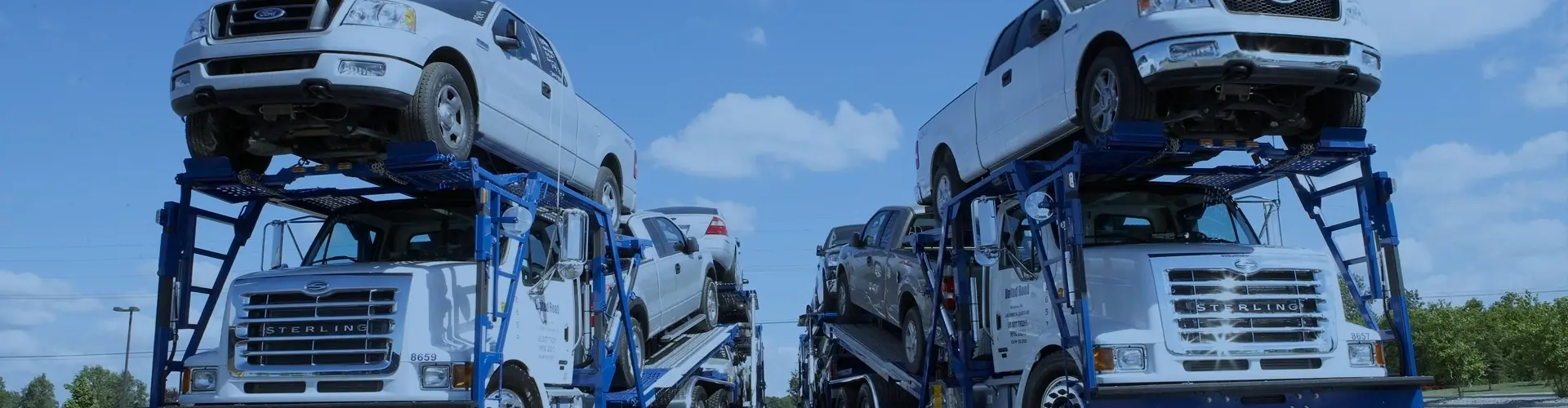
Santa Ana to San Francisco Car Shipping Route
Santa Ana to San Francisco covers approximately 415 miles, with the primary carrier route running north on I-5 through the Central Valley before carriers cut west toward the Bay on I-580 or I-680. From Santa Ana, carriers access I-5 directly via SR-22 west to the I-5 interchange, or via SR-55 north connecting to the I-5 corridor near Anaheim. The route climbs through the Tejon Pass at roughly 4,144 feet before descending into the flat agricultural corridor of the San Joaquin Valley. Shipping saves you a full day of driving, fuel costs, and the wear on your vehicle. For a detailed breakdown of those savings, see https://california.auto-transport-shipping.com/articles/benefits-of-auto-transport-service-vs-driving-yourself.html
San Francisco's demand drivers are specific and consistent. UC San Francisco runs one of the country's top medical research programs, generating faculty and student relocations year-round. Major employers including Salesforce, Twitter's former headquarters, Wells Fargo's corporate offices, and dozens of mid-size tech firms create steady inbound shipment volume. Travis Air Force Base in Fairfield, roughly 50 miles northeast of San Francisco, generates military PCS moves that add to Bay Area-bound carrier loads throughout the year. Fog and coastal moisture along the final approach to San Francisco are worth noting if you're shipping a collector car or a recently repainted vehicle. Before you book, review common booking errors at https://california.auto-transport-shipping.com/articles/auto-transport-mistakes-to-avoid.html
Santa Ana to San Francisco Car Shipping Rates
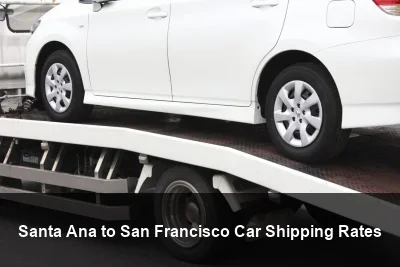
At 415 miles, this route falls into the mid-distance pricing tier where per-mile rates are more competitive than short hauls but haven't fully dropped to the flat-rate efficiency of 1,000-mile runs. Summer months and early fall see rate upticks tied to tech-sector relocation cycles and university move-in periods at UCSF and Bay Area schools. Fuel surcharges on I-5 corridor runs fluctuate with diesel prices; see how that affects your quote at https://california.auto-transport-shipping.com/articles/how-gas-prices-impact-california-auto-transport-fees.html
What affects the cost of Santa Ana to San Francisco car shipping:
- Vehicle type and size — larger vehicles take more carrier space; aftermarket additions like lift kits, oversized mirrors, or roof accessories can add fees
- Open vs. enclosed transport — open is lower cost with stronger carrier availability; enclosed protects against weather, debris, and road conditions
- Standard vs. expedited pickup — expedited prioritizes your vehicle for the next available dispatch, typically at a $100–$300 premium
- Time of year — peak demand seasons drive rates higher; off-peak windows offer the most competitive pricing
- Fuel costs — diesel prices affect carrier rates; longer routes are more sensitive to fuel price swings
- Vehicle condition — non-running vehicles require special loading equipment and cost more to ship
| Vehicle Type | Open Car Shipping (Est.) | Enclosed Car Shipping (Est.) |
|---|---|---|
| Sedan | $650 – $900 | $1,200 – $1,600 |
| SUV / Crossover | $800 – $1,050 | $1,400 – $1,850 |
| Pickup Truck | $800 – $1,050 | $1,400 – $1,850 |
| Minivan | $800 – $1,050 | $1,400 – $1,850 |
| Luxury / Classic Car | $900 – $1,200 | $1,500 – $2,000 |
| Non-Running Vehicle | Add $150–250 | Add $150–250 |
* Estimated ranges based on recent Santa Ana to San Francisco shipments. Actual rate depends on vehicle, locations, booking date, and current fuel costs. Use the form on this page to compare real quotes from licensed carriers.
Open vs. Enclosed: What Makes Sense on This Specific Run
Open transport is the practical choice for the majority of vehicles on this corridor. I-5 through the Central Valley is a well-maintained, high-traffic route with predictable road conditions. Enclosed makes sense if you're shipping a vehicle valued above $80,000, a classic or collector car, or a freshly restored vehicle where road debris or coastal salt air near San Francisco is a legitimate concern. The fog belt approaching the Bay can deposit light moisture on exposed vehicles. For a daily driver or late-model sedan, open is the cost-effective default on this run.
How Long Does Santa Ana to San Francisco Car Shipping Take?
Standard transit on this corridor runs 1 to 3 days. Carriers driving 415 miles on I-5 can complete the run in a single extended driving day, and many do. Santa Ana is a high-frequency origin — trucks departing the Orange County area several times per week means your vehicle typically doesn't wait long once a carrier is assigned. The more variable factor is dispatch, not driving time. If your dates are fixed and you need guaranteed pickup, expedited options exist; see https://california.auto-transport-shipping.com/articles/california-expedited-car-shipping-fast-cost.html for how that pricing works.
| Service Type | Typical Transit | Pickup Window | Best For |
|---|---|---|---|
| Open — Standard | 2–4 days | 2–4 business days | Best value; most common choice on this route |
| Open — Expedited | 1–2 days | 1–2 business days | Firm arrival date; faster dispatch window |
| Enclosed — Standard | 2–4 days | 3–6 business days | Luxury, classic, or modified vehicles |
| Enclosed — Expedited | 1–2 days | 1–3 business days | High-value vehicles on a firm delivery deadline |
** Tejon Pass (I-5, elevation 4,144 ft) can see rare winter closures or chain control requirements between December and February. Thick tule fog in the Central Valley between Bakersfield and Stockton reduces carrier speed during winter mornings and can add a half-day to transit during severe fog events.
Santa Ana to San Francisco — Route & Logistics
Carriers leaving Santa Ana access I-5 northbound via SR-22 or SR-55. From I-5, the route runs 415 miles through the Tejon Pass and the Central Valley. Near Tracy or Stockton, carriers branch onto I-580 westbound toward the Bay Bridge approach or I-680 north for deliveries on the East Bay or Marin-adjacent addresses.
Key Corridor Waypoints
- Santa Ana, CA Carrier origin. SR-22 provides direct westbound access to I-5 northbound, avoiding surface street congestion in the Santa Ana core. Alternatively, SR-55 north connects to I-5 via the Anaheim interchange. Most carriers stage in nearby commercial zones in Garden Grove or Orange to complete their load before heading north.
- Los Angeles / Commerce, CA The I-5 corridor through the LA metro is the primary congestion point on this run. Carriers typically target early morning departures from Orange County to clear the downtown LA interchange before peak hours. The I-5 and I-710 interchange near Commerce is a known backup zone. Most experienced carriers time this segment for before 7 a.m. or after 7 p.m.
- Tejon Pass (Fort Tejon), CA — Elevation 4,144 ft The highest point on the I-5 route between Southern and Northern California. In winter months, chain control or temporary closures are possible. Carriers familiar with this corridor monitor Caltrans road conditions before departure. The descent into the San Joaquin Valley begins here, and most carriers take a mandatory break at the Lebec or Gorman rest areas before the valley run.
- Fresno, CA A common midpoint for carriers who split the run into two legs, particularly for larger multi-car haulers. Fresno has established truck stops and staging areas along the SR-99 and I-5 corridors. Dense tule fog forms here between November and February, and carriers often hold overnight if morning visibility drops below safe hauling thresholds.
- Tracy / Altamont Pass, CA The interchange decision point. Carriers serving San Francisco proper or the Peninsula take I-580 westbound through Altamont Pass toward the Bay Bridge. Those delivering to East Bay addresses in Oakland or Berkeley may exit earlier on I-205 to I-880 north. Wind turbines along Altamont Pass indicate consistent high winds that can affect handling of tall multi-car transporters.
- San Francisco, CA Delivery destination. Urban density, one-way streets, and limited truck turning radius make some SF neighborhoods challenging for full-length carriers. The Embarcadero, SoMa, and the Financial District often require staging in adjacent commercial loading zones or across the Bay in Oakland. Residential neighborhoods like the Sunset or Richmond are more accessible but have parking enforcement windows carriers must work around.
Pickup & Delivery Access
- Pickup Access in Santa Ana Santa Ana's street grid is carrier-accessible throughout most of the city. The area near South Coast Plaza and the commercial corridors along Bristol Street and Harbor Boulevard offer practical staging for carriers needing space to maneuver a multi-car hauler. Residential streets in older neighborhoods may require you to meet the carrier at a nearby shopping center or wide surface lot. Confirm your specific address with the assigned carrier 24 hours before scheduled pickup.
- Delivery Access in San Francisco San Francisco's urban core presents the most consistent access challenge on this route. Full-size transporters cannot navigate many residential blocks in neighborhoods like the Castro, Noe Valley, or Pacific Heights. Carriers typically stage near the waterfront, in SoMa loading zones, or across the Bay Bridge in Emeryville or Oakland. You and the carrier will agree on a delivery meet point — confirm this detail when the carrier contacts you the day before arrival.
- Nearby Pickup Locations Carriers picking up in Santa Ana regularly extend service to Garden Grove, Orange, and Tustin. Call 1‑800‑590‑6492 to confirm door-to-door availability at your address.
Open vs. Enclosed Car Shipping: Santa Ana to San Francisco
Both options use licensed, insured carriers and deliver door to door. For a full breakdown, read the pros and cons of open vs. enclosed car shipping.
Open Car Shipping
Most Popular- Lower cost — the practical choice for most vehicles
- More carriers available on this corridor
- Faster dispatch from booking to pickup
- Works well for sedans, SUVs, trucks, and minivans
- Vehicle rides on an open multi-car carrier
- Cargo insurance required on all licensed carriers
Estimated cost: $650 – $1,050
Enclosed Car Shipping
Premium Protection- Full protection from weather, debris, and road grime
- Best for luxury, exotic, and classic vehicles
- Recommended for low-clearance and custom-built cars
- Wheel-net or soft-tie systems prevent contact damage
- Higher cargo coverage — commonly $500,000 per load
- White-glove handling by experienced operators
Estimated cost: $1,200 – $1,850
Not sure which is right for your vehicle? Call 1-800-590-6492 and we'll point you in the right direction. Also worth reading: the top 10 questions to ask any car shipping company before you commit.
How to Prepare Your Car for Shipping to San Francisco
A little prep before pickup protects you if there's ever a dispute about your vehicle's condition. This checklist is from our full guide on preparing your car for transport:
- Remove all personal belongings from the interior and trunk
- Leave only a quarter tank of fuel — enough to load and unload
- Take date-stamped photos of the full exterior and interior
- Remove or disable toll transponders (FasTrak, E-ZPass, etc.)
- Retract or remove roof racks, spoilers, antennas, and bike mounts
- Make sure the battery is charged and tires are properly inflated
- Tell the carrier about any existing leaks or mechanical issues
- Deactivate the car alarm before the carrier arrives
- Write down the mileage on the Bill of Lading at pickup
- Fold in side mirrors if the vehicle is wider than standard
Personal items: Most carriers won't cover belongings left in the car. Read the full rules on shipping personal items in your vehicle. Also review our Bill of Lading guide so you know exactly what to check at pickup and delivery.
When to Ship Your Car from Santa Ana to San Francisco
This route sees its most competitive pricing in late fall and early winter when overall California transport volume dips. Summer and early fall are peak demand windows driven by tech-sector relocations, UCSF and Bay Area university enrollment cycles, and military PCS orders out of Travis Air Force Base. Winter weather at Tejon Pass is a real scheduling variable. For a full breakdown of winter shipping considerations, see https://california.auto-transport-shipping.com/articles/auto-transport-challenges-during-the-winter.html
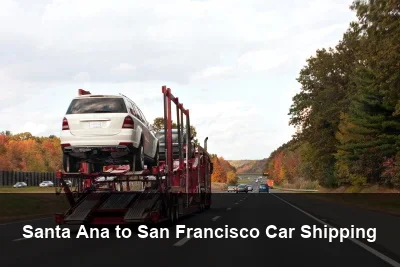
University & Tech Relocation Season (June–September)
UCSF, San Francisco State, and the broader Bay Area tech sector drive a significant volume of inbound vehicles from Southern California between June and September. Carrier availability is generally good because volume is high, but booking 7 to 14 days ahead is advisable. Rates trend toward the top of their range during August when multiple demand drivers overlap. Locking in early gives you more pickup date flexibility.
Military PCS Orders — Travis AFB (Year-Round, Peaks Spring & Summer)
Travis Air Force Base in Fairfield, about 45 miles northeast of San Francisco, generates PCS vehicle shipments throughout the year with concentration in the April through August window. If your move is military-connected, carriers familiar with this corridor know the Bay Area delivery logistics well. Confirm with your broker whether your move qualifies for military rate considerations and whether your receiving address is accessible for full-size haulers.
Winter Tejon Pass Window (December–February)
I-5 at Tejon Pass sees chain control requirements and occasional brief closures between December and February. Carriers running this corridor during winter build buffer time into their schedule. If your delivery is time-sensitive during this window, discuss the Tejon Pass risk factor with your carrier and consider whether expedited booking with a carrier who runs alternate routing via US-101 coastal is worth the premium.
Spring Rate Window (March–May)
March through May is typically the best pricing window on this corridor. Winter demand has settled, summer relocation volume hasn't yet built, and Tejon Pass weather has normalized. Carriers are actively seeking loads in both directions. If your move has flexibility and you're not on a fixed corporate or military timeline, booking in this window consistently produces the most competitive quotes on the Santa Ana to San Francisco lane.
Fall Shoulder Season (October–November)
October and November see moderate volume as tech relocations wind down and university semester starts settle. Rates ease slightly from the summer peak but haven't dropped to the winter floor. Tule fog in the Central Valley starts appearing in November, which carriers account for in their scheduling. This is a reliable window to ship without the summer demand premium while still having consistent carrier availability from Orange County.
How to Choose a Santa Ana to San Francisco Car Shipping Company
Getting multiple quotes is step one — knowing what to look for in those quotes matters just as much. Our guide on how to select a car shipping company covers the full process. Here are the six things that matter most:
FMCSA Registration
Every carrier or broker must hold a valid MC number. Verify any company at FMCSA SAFER before you book.
Proof of Insurance
Ask for a current certificate of insurance. Open carriers typically carry $100,000–$250,000 per load; enclosed commonly $500,000 or more. Learn what auto transport insurance covers.
All-In Pricing
Your quote should be a final number with no fees added after booking. Know the difference between brokers and carriers and confirm what the quote covers before you agree.
Bill of Lading
A complete Bill of Lading is filled out at pickup and delivery. Our Bill of Lading guide explains what to check. Never sign an incomplete one.
Real Reviews
Check Google and the BBB. Look at how they handled complaints and damage claims — that tells you more than a five-star average from happy customers.
Route Experience
A carrier who runs Santa Ana to San Francisco regularly knows that departing Orange County before 6 a.m. is the single most effective way to clear the LA basin without adding two hours to the run. They know the Lebec and Gorman truck stops at the base of Tejon Pass are the last reliable staging points before the climb, and that Caltrans posts chain control updates online that experienced drivers check the night before. In the Central Valley, they know Fresno's Flying J on SR-99 is the standard overnight stop for two-day runs. On the delivery side, they know that staging near the Caltrain yard in SoMa or in the commercial zone near Cesar Chavez Street gives them room to unload without blocking traffic or drawing parking enforcement.
Santa Ana to San Francisco Car Shipping — FAQ
How much does it cost to ship a car from Santa Ana to San Francisco?
For a standard sedan on open transport, rates on the Santa Ana to San Francisco corridor typically range from $350 to $600 depending on the time of year, current fuel prices, and how quickly you need the vehicle picked up. SUVs and trucks run $50 to $100 more due to weight and space on the hauler. Enclosed transport adds a premium of $200 to $400 over open pricing on this route. Summer months and early fall, when tech relocations and university move-ins peak, push rates toward the top of the range. Booking 7 to 14 days ahead gives carriers time to match your load efficiently, which helps hold pricing down.
How long does Santa Ana to San Francisco car shipping take?
Transit time on this 415-mile corridor runs 1 to 3 days from pickup to delivery. Many carriers complete the run in a single driving day, departing Orange County early morning and arriving in the Bay Area by evening. The variable isn't usually the drive — it's dispatch timing. Once a carrier is assigned, the actual transport is fast. Factors that can extend transit include Tejon Pass chain control in winter, tule fog delays in the Central Valley between November and February, and urban delivery logistics in San Francisco itself. If your timing is fixed, ask about expedited options at https://california.auto-transport-shipping.com/articles/california-expedited-car-shipping-fast-cost.html
Is my car insured during transport from Santa Ana to San Francisco?
Every licensed carrier operating in the U.S. is required by federal law to carry cargo insurance, and that coverage applies to your vehicle while it's on the truck. Your broker should confirm the carrier's active insurance certificate before assigning your shipment. Before pickup, walk around your vehicle and document its condition with time-stamped photos — this is your baseline if you need to file a claim. The bill of lading at pickup and delivery is the official damage record. For a full explanation of how transport insurance works, see https://california.auto-transport-shipping.com/articles/understanding-auto-transport-insurance.html, and if you ever need to file a claim, the process is outlined at https://california.auto-transport-shipping.com/articles/how-to-file-a-claim-for-vehicle-damage-during-transport.html
Should I choose open or enclosed transport for this route?
For most vehicles making this run, open transport is the practical and cost-effective choice. The I-5 corridor is a well-maintained, heavily traveled route without unusual road hazard exposure. Enclosed makes sense if your vehicle is valued above $80,000, is a classic or collector car, or has had recent bodywork or paint that you want protected from road debris and the light coastal moisture near San Francisco. The fog belt along the Bay Area approach does deposit salt-bearing air on exposed vehicles, which is worth considering for a show car or freshly restored vehicle. For a complete comparison of both options, see https://california.auto-transport-shipping.com/articles/open-vs-enclosed-auto-transport-pros-and-cons.html
Do I have to be present at pickup and delivery?
You or an authorized representative must be present at both pickup and delivery to sign the bill of lading. This document records your vehicle's condition at each end of the transport and is the document you'd reference if any damage claim became necessary. If you can't be there personally, designate someone you trust — a family member, coworker, or property manager — and make sure they understand they're signing a legal condition report. Don't authorize anyone to sign who won't actually inspect the vehicle carefully before signing. For more on what the bill of lading covers, see https://california.auto-transport-shipping.com/articles/california-auto-transport-bill-of-lading-information.html
Does Tejon Pass winter weather affect my shipment?
It can. I-5 at Tejon Pass sits at 4,144 feet and sees chain control requirements and occasional brief closures between December and February. Carriers who run this corridor regularly monitor Caltrans conditions before departure and build buffer time into winter schedules. Most delays are measured in hours, not days — a brief hold at Lebec or Gorman while conditions clear. If you're shipping during December through February and have a hard delivery deadline, discuss the Tejon Pass variable with your broker and ask about carriers who run the alternate US-101 coastal route, which avoids the pass entirely but adds distance.
I'm PCS-ing to Travis Air Force Base — does that affect how I should book this route?
Travis AFB in Fairfield is approximately 45 miles northeast of San Francisco and is a common military PCS destination on this corridor. Carriers familiar with this run know the delivery logistics for Fairfield and the surrounding base area. When you book, specify your delivery address as Fairfield or the base vicinity rather than San Francisco — this affects carrier routing and may improve your rate since Fairfield is slightly off the primary Bay Bridge approach. Confirm whether your orders qualify for any military transport rate programs, and book as early as your PCS orders allow, since the April through August PCS window is competitive on this lane.
Does Central Valley tule fog cause delays on this route?
Tule fog is a real transit factor between November and February on the I-5 and SR-99 corridors through the San Joaquin Valley. It forms in low-lying areas between Bakersfield and Stockton, typically overnight and in early morning hours, and can reduce visibility to near zero. Carriers hauling multi-car transporters won't drive in zero-visibility conditions — they'll hold at a truck stop until conditions lift, which is usually by mid-morning. Most tule fog delays add a few hours to the run rather than a full day, but if you're on a tight schedule during winter months, build a one-day buffer into your delivery expectation.
Ready to Ship Your Car from Santa Ana to San Francisco?
One form gets you up to 10 free quotes from licensed, insured carriers. Compare costs and transit times and book the best deal for your schedule.