
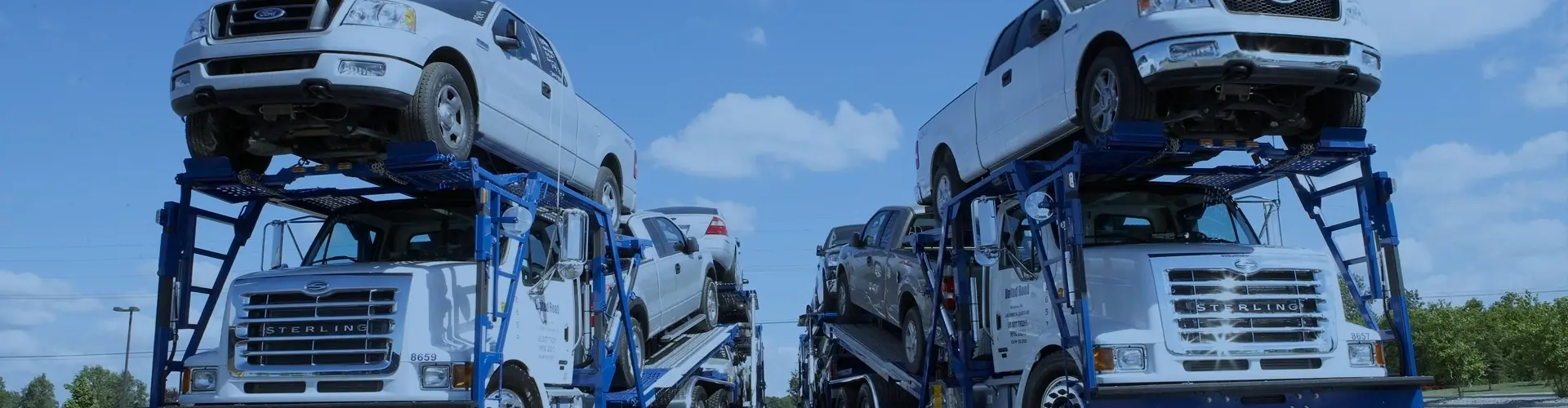
Santa Ana to Austin Car Shipping Route
Santa Ana to Austin covers approximately 1,334 miles. Carriers access the route from Santa Ana via SR-55 north to SR-22, or directly via I-5 south to I-10 east, which is the primary long-haul artery for this corridor. From I-10, carriers run east through the Inland Empire, across the Sonoran Desert through Arizona, into New Mexico, and across West Texas before picking up I-10 into the San Antonio region and then heading north on I-35 into Austin. Transit covers significant elevation changes, desert heat zones, and open interstate stretches that allow steady progress. Driving this route yourself takes roughly 19 to 21 hours with minimal stops — before accounting for fuel, hotels, meals, and wear on your vehicle. Shipping instead protects those miles. See a full breakdown at https://california.auto-transport-shipping.com/articles/benefits-of-auto-transport-service-vs-driving-yourself.html
Austin's demand for inbound vehicles is driven by several concentrated sources. Fort Cavazos, roughly 60 miles north of Austin near Killeen, generates PCS orders that pull vehicles from California bases and surrounding communities on regular military rotation cycles. The University of Texas at Austin enrolls over 50,000 students, many arriving from California each fall with vehicles. Major corporate campuses — Tesla's Gigafactory Texas in east Austin, Apple's north Austin campus, and Samsung's Taylor fab — have all drawn California-based employees relocating east. Weather on this route is a genuine variable: summer desert heat through Arizona and West Texas regularly exceeds 110°F, and West Texas sees occasional high-wind events that slow carriers. Winter brings ice risk on I-35 north of San Antonio. Avoid booking pitfalls by reviewing https://california.auto-transport-shipping.com/articles/auto-transport-mistakes-to-avoid.html before finalizing your shipment.
Santa Ana to Austin Car Shipping Rates

Rates on the Santa Ana to Austin corridor are shaped by the 1,334-mile distance — squarely in the long-haul pricing tier — and by seasonal demand fluctuations. Summer months, particularly June through August, see elevated rates driven by PCS military moves and university student relocations. Fuel costs on this corridor matter more than on shorter routes because carriers cross high-cost California fuel zones before entering lower-cost desert states. For a current breakdown of how fuel pricing affects your quote, see https://california.auto-transport-shipping.com/articles/how-gas-prices-impact-california-auto-transport-fees.html
What affects the cost of Santa Ana to Austin car shipping:
- Vehicle type and size — larger vehicles take more carrier space; aftermarket additions like lift kits, oversized mirrors, or roof accessories can add fees
- Open vs. enclosed transport — open is lower cost with stronger carrier availability; enclosed protects against weather, debris, and road conditions
- Standard vs. expedited pickup — expedited prioritizes your vehicle for the next available dispatch, typically at a $100–$300 premium
- Time of year — peak demand seasons drive rates higher; off-peak windows offer the most competitive pricing
- Fuel costs — diesel prices affect carrier rates; longer routes are more sensitive to fuel price swings
- Vehicle condition — non-running vehicles require special loading equipment and cost more to ship
| Vehicle Type | Open Car Shipping (Est.) | Enclosed Car Shipping (Est.) |
|---|---|---|
| Sedan | $950 – $1,350 | $1,700 – $2,300 |
| SUV / Crossover | $1,100 – $1,600 | $1,950 – $2,700 |
| Pickup Truck | $1,100 – $1,650 | $1,950 – $2,750 |
| Minivan | $1,100 – $1,600 | $1,950 – $2,700 |
| Luxury / Classic Car | $1,300 – $1,900 | $2,200 – $3,000 |
| Non-Running Vehicle | Add $200–350 | Add $200–350 |
* Estimated ranges based on recent Santa Ana to Austin shipments. Actual rate depends on vehicle, locations, booking date, and current fuel costs. Use the form on this page to compare real quotes from licensed carriers.
Open vs. Enclosed: The Right Call for This Desert Corridor
Open transport is the practical choice for the majority of vehicles on this route. The I-10 corridor through Arizona and West Texas is well-traveled and carrier-friendly, and most standard sedans, trucks, and SUVs ship open without issue. Enclosed makes sense if you're moving a luxury vehicle, classic car, or low-clearance sports car — primarily because of desert road debris and the extended stretch of open highway through West Texas where sand and gravel contact is more likely. Enclosed also makes sense if you're shipping during summer when heat amplification inside an open trailer is a concern for certain finishes.
How Long Does Santa Ana to Austin Car Shipping Take?
Santa Ana to Austin typically takes four to seven days from pickup confirmation, with five days being the most common outcome on this corridor. Carrier frequency out of Orange County is solid — this is not a secondary market — and I-10 east is a well-established long-haul route. Driving the 1,334 miles takes a solo driver roughly 20 hours, but carriers operate within federal Hours of Service regulations, splitting the run across two to three days of driving. If your timeline is tight, expedited options exist — review https://california.auto-transport-shipping.com/articles/california-expedited-car-shipping-fast-cost.html for what that costs and when it's worth it.
| Service Type | Typical Transit | Pickup Window | Best For |
|---|---|---|---|
| Open — Standard | 4–6 days | 2–5 business days | Best value; most common choice on this route |
| Open — Expedited | 2–4 days | 1–2 business days | Firm arrival date; faster dispatch window |
| Enclosed — Standard | 4–6 days | 3–7 business days | Luxury, classic, or modified vehicles |
| Enclosed — Expedited | 2–4 days | 1–3 business days | High-value vehicles on a firm delivery deadline |
** West Texas weather is the most likely transit delay factor on this corridor. High-wind advisories along I-10 between El Paso and San Antonio can halt or slow multi-vehicle carriers, adding 12 to 24 hours. Winter ice events on I-35 between San Antonio and Austin occur several times per year and can push delivery out by a full day.
Santa Ana to Austin — Route & Logistics
Carriers serving this route depart Santa Ana via SR-55 to SR-22 or via I-5 south to I-10 east. I-10 is the primary artery for the full run — covering approximately 1,100 miles before carriers exit toward I-35 north into Austin. The remaining stretch on I-35 from San Antonio to Austin adds roughly 80 miles of urban-adjacent highway before final delivery.
Key Corridor Waypoints
- Ontario, CA Ontario, about 40 miles east of Santa Ana, serves as a common carrier staging and load-consolidation point for eastbound I-10 runs. The Ontario truck corridors near the I-10 and I-15 interchange are well-established for multi-vehicle carrier assembly. Carriers often make final load checks here before committing to the desert stretch. Elevation approximately 1,000 feet.
- Blythe, CA / Arizona State Line Blythe sits at the California-Arizona border along I-10, elevation around 270 feet. This is a mandatory agricultural inspection checkpoint for eastbound carriers leaving California. Carriers typically fuel here due to the price differential versus California stations. It marks the transition from urban freight territory into the open desert corridor, where sustained highway speed becomes the primary variable.
- Phoenix, AZ Phoenix is the largest city en route and a common overnight stop for carriers on this corridor. The I-10 through central Phoenix carries heavy commercial traffic, and carriers sometimes stage vehicles in the Goodyear or Chandler industrial areas on the metro's edges to avoid downtown congestion. Summer surface temperatures in Phoenix regularly exceed 115°F, relevant for any heat-sensitive vehicles. Elevation approximately 1,086 feet.
- El Paso, TX / New Mexico Crossing El Paso marks the entry into Texas and sits at approximately 3,740 feet elevation — the highest point on this route. The I-10 corridor through El Paso is a significant carrier checkpoint, and the Texas Department of Transportation maintains weigh stations here. Carriers crossing into Texas often take a mandatory rest before the long West Texas stretch ahead.
- West Texas — I-10 Open Corridor The roughly 400-mile stretch of I-10 between El Paso and San Antonio is the most logistically demanding segment — long, exposed, with limited services between Van Horn, Fort Stockton, and Ozona. Wind advisories are issued here regularly, and carriers track TXDOT alerts in real time. This segment is where weather-related delays most commonly originate on this route.
- San Antonio to Austin via I-35 Carriers transition from I-10 to I-35 north in San Antonio for the final 80-mile segment into Austin. I-35 through San Antonio and Austin is one of the most congested interstates in Texas, particularly during morning and evening rush hours. Carriers typically time this final approach for midday or early morning to avoid significant delays on this urban stretch.
Pickup & Delivery Access
- Pickup Access in Santa Ana Santa Ana's street grid is generally accessible for multi-vehicle carriers via SR-55 and major arterials like Bristol Street, MacArthur Boulevard, and 17th Street. The downtown core and some residential areas near First Street have tighter turns, so carriers often coordinate staging at nearby shopping center lots in Orange or along the Westminster Avenue corridor. Pickup from Garden Grove or Tustin is equally accessible and sometimes preferred.
- Delivery Access in Austin Austin delivery access is solid in most zones. North Austin near the Apple campus, the Domain, and tech corridor along US-183 handles carriers without issue. Central and East Austin near downtown and the UT campus involve narrower streets and parking restrictions — carriers typically stage at agreed nearby lots or commercial areas. Mueller and South Congress neighborhoods may require short-distance secondary delivery coordination.
- Nearby Pickup Locations Carriers picking up in Santa Ana regularly extend service to Garden Grove, Orange, and Tustin. Call 1‑800‑590‑6492 to confirm door-to-door availability at your address.
Open vs. Enclosed Car Shipping: Santa Ana to Austin
Both options use licensed, insured carriers and deliver door to door. For a full breakdown, read the pros and cons of open vs. enclosed car shipping.
Open Car Shipping
Most Popular- Lower cost — the practical choice for most vehicles
- More carriers available on this corridor
- Faster dispatch from booking to pickup
- Works well for sedans, SUVs, trucks, and minivans
- Vehicle rides on an open multi-car carrier
- Cargo insurance required on all licensed carriers
Estimated cost: $950 – $1,650
Enclosed Car Shipping
Premium Protection- Full protection from weather, debris, and road grime
- Best for luxury, exotic, and classic vehicles
- Recommended for low-clearance and custom-built cars
- Wheel-net or soft-tie systems prevent contact damage
- Higher cargo coverage — commonly $500,000 per load
- White-glove handling by experienced operators
Estimated cost: $1,700 – $2,750
Not sure which is right for your vehicle? Call 1-800-590-6492 and we'll point you in the right direction. Also worth reading: the top 10 questions to ask any car shipping company before you commit.
How to Prepare Your Car for Shipping to Austin
A little prep before pickup protects you if there's ever a dispute about your vehicle's condition. This checklist is from our full guide on preparing your car for transport:
- Remove all personal belongings from the interior and trunk
- Leave only a quarter tank of fuel — enough to load and unload
- Take date-stamped photos of the full exterior and interior
- Remove or disable toll transponders (FasTrak, E-ZPass, etc.)
- Retract or remove roof racks, spoilers, antennas, and bike mounts
- Make sure the battery is charged and tires are properly inflated
- Tell the carrier about any existing leaks or mechanical issues
- Deactivate the car alarm before the carrier arrives
- Write down the mileage on the Bill of Lading at pickup
- Fold in side mirrors if the vehicle is wider than standard
Personal items: Most carriers won't cover belongings left in the car. Read the full rules on shipping personal items in your vehicle. Also review our Bill of Lading guide so you know exactly what to check at pickup and delivery.
When to Ship Your Car from Santa Ana to Austin
This corridor has identifiable demand cycles tied to military PCS windows, the University of Texas academic calendar, and California-to-Texas corporate relocation patterns. Summer — June through August — is the peak pricing period for all three. Winter is the least expensive season but introduces I-35 ice risk near Austin. Spring and fall offer a useful balance of availability and reasonable rates. For winter-specific shipping considerations, see https://california.auto-transport-shipping.com/articles/auto-transport-challenges-during-the-winter.html

Summer Peak (June–August)
This is the highest-demand period on the corridor. Military PCS orders from Fort Cavazos and San Antonio bases peak in June and July. UT Austin students shipping vehicles for the fall semester add volume in late July and August. California tech workers relocating to Tesla, Apple, and Samsung campuses in Austin also concentrate moves here. Book two to three weeks out minimum and expect rates to run 10 to 20 percent above annual average.
Fall Move-In (August–September)
UT Austin's enrollment of over 50,000 students creates a concentrated inbound vehicle demand window in late August. Carriers inbound to Austin fill quickly during this period. If your vehicle needs to arrive before September 1, book by mid-July. After the move-in rush subsides in late September, availability opens up and rates soften noticeably through October — one of the better value windows of the year for this route.
Fall Off-Peak (October–November)
October and November represent the most favorable combination of pricing and weather on this corridor. Desert heat has broken, I-35 ice season hasn't started, and post-student-move-in demand has eased. Carrier availability is solid because California snowbird traffic heading to Arizona and Texas begins building carrier momentum in this direction. If your schedule allows flexibility, this is the window to target for best overall value.
Winter Considerations (December–February)
Rates drop in winter, but the I-35 corridor between San Antonio and Austin sees ice events several times per season — sometimes closing the highway briefly and adding a day to transit. West Texas wind and occasional freezing rain near El Paso are secondary concerns. If you're shipping a daily driver, open transport in winter on this route is generally fine. If you're moving a classic or exotic, enclosed removes the weather exposure risk. See https://california.auto-transport-shipping.com/articles/auto-transport-challenges-during-the-winter.html
Spring Corporate Relocation (March–May)
Spring sees a steady flow of corporate relocations from Orange County and broader Southern California to Austin's tech sector — particularly tied to onboarding cycles at Tesla, Oracle, and Apple. This keeps carrier frequency high without the pricing spike of summer. May graduation at UT Austin adds a modest outbound Austin demand bump, which can slightly tighten inbound availability in the final two weeks of May.
Military PCS Cycles (Year-Round, Peak in Summer)
Fort Cavazos — formerly Fort Hood, roughly 60 miles north of Austin — is one of the largest active-duty Army installations in the United States. PCS orders arrive year-round, but the July–August window is heaviest. Carriers who regularly run this corridor know the Fort Cavazos delivery area well and can often coordinate gate-adjacent delivery or nearby staging. If you're PCS-ing, book early and confirm your carrier has experience with military installation delivery coordination.
How to Choose a Santa Ana to Austin Car Shipping Company
Getting multiple quotes is step one — knowing what to look for in those quotes matters just as much. Our guide on how to select a car shipping company covers the full process. Here are the six things that matter most:
FMCSA Registration
Every carrier or broker must hold a valid MC number. Verify any company at FMCSA SAFER before you book.
Proof of Insurance
Ask for a current certificate of insurance. Open carriers typically carry $100,000–$250,000 per load; enclosed commonly $500,000 or more. Learn what auto transport insurance covers.
All-In Pricing
Your quote should be a final number with no fees added after booking. Know the difference between brokers and carriers and confirm what the quote covers before you agree.
Bill of Lading
A complete Bill of Lading is filled out at pickup and delivery. Our Bill of Lading guide explains what to check. Never sign an incomplete one.
Real Reviews
Check Google and the BBB. Look at how they handled complaints and damage claims — that tells you more than a five-star average from happy customers.
Route Experience
A carrier who runs the Santa Ana to Austin lane regularly knows that the most reliable pickup staging in Orange County is off MacArthur Boulevard or near the South Coast Metro area — wide streets, low residential restriction, and easy I-405 or SR-55 access for the eastbound merge. They know the Blythe inspection station runs slow on Monday mornings and that the fuel stop at Lordsburg, NM is better-priced than anything in West Texas until Fort Stockton. They know the I-35 through San Antonio is faster northbound before 7 AM and that the UT campus area in Austin requires either very early morning delivery or staging near East 6th. They time the West Texas stretch around wind forecasts and know which truck stops between El Paso and San Antonio have pull-through capacity for full nine-car carriers. That route knowledge shortens your transit time and reduces the chances of a weather-related or logistical delay.
Santa Ana to Austin Car Shipping — FAQ
How much does it cost to ship a car from Santa Ana to Austin?
For a standard sedan on open transport, expect rates in the range of $950 to $1,350 depending on season, fuel prices, and lead time. SUVs and trucks run slightly higher due to size. Enclosed transport adds $300 to $500 to those figures. Summer months — June through August — push toward the top of the range because of military PCS and student relocation demand. Booking two to three weeks out gives you the best rate access. Fill out the quote form for a current number specific to your vehicle and dates.
How long does Santa Ana to Austin car shipping take?
Most shipments on this corridor complete in four to seven days from confirmed pickup. Five days is the most common outcome. The 1,334-mile route on I-10 and I-35 is well-traveled by carriers, and Orange County is not a thin-market origin — carrier availability is consistent. The variables that push toward seven days are weather delays in West Texas, I-35 congestion or ice events near Austin, and occasional load-consolidation timing out of the Ontario staging area. If your timeline is fixed and tight, expedited booking is an option — see https://california.auto-transport-shipping.com/articles/california-expedited-car-shipping-fast-cost.html for how that works.
Is my car insured during transport from Santa Ana to Austin?
Yes. Every licensed carrier is required by the FMCSA to carry cargo insurance, and that coverage applies to your vehicle while it is loaded on the transport carrier. Before pickup, you and the driver complete a Bill of Lading that documents your vehicle's pre-existing condition — photos at pickup are your most important protective step. If damage occurs in transit, that documentation is the basis of your claim. For a full explanation of how carrier insurance works, read https://california.auto-transport-shipping.com/articles/understanding-auto-transport-insurance.html — and if you ever need to file a claim, the process is outlined at https://california.auto-transport-shipping.com/articles/how-to-file-a-claim-for-vehicle-damage-during-transport.html
Should I choose open or enclosed transport for this route?
Open transport is the right call for most vehicles on this corridor — the I-10 route is a standard commercial freight lane and the vast majority of vehicles arrive without issue. Enclosed becomes worth the added cost if you're shipping a luxury vehicle, collector car, or anything with a custom paint finish, primarily because of road debris exposure on the West Texas open desert stretch and sand contact risk. Convertibles with soft tops also benefit from enclosed on this route in summer. For a full breakdown of the tradeoffs, see https://california.auto-transport-shipping.com/articles/open-vs-enclosed-auto-transport-pros-and-cons.html
Do I have to be present at pickup in Santa Ana and delivery in Austin?
You or an authorized representative must be present at both pickup and delivery to sign the Bill of Lading. This document records the vehicle's condition before loading and after delivery — it is the legal record that protects you if a damage claim is ever needed. If you cannot be there personally, you can designate someone else to sign on your behalf, but they need to inspect the vehicle carefully and note any discrepancies before signing. Do not sign a clean Bill of Lading if damage is visible. More on this process at https://california.auto-transport-shipping.com/articles/california-auto-transport-bill-of-lading-information.html
Does desert heat during summer affect my vehicle during transport?
It can be a factor worth considering. Open carriers crossing Arizona and West Texas in July and August expose vehicles to sustained ambient temperatures exceeding 110°F. For most production vehicles, this is not a problem — modern finishes and sealed interiors handle heat well. However, if your vehicle has older rubber seals, a soft top, or any heat-sensitive aftermarket components, enclosed transport eliminates the direct exposure. It's also worth removing any aerosol cans, propane, or other pressurized items from the interior before shipping regardless of season — carriers require this on all loads.
I'm PCS-ing to Fort Cavazos — what should I know about shipping my car from Santa Ana?
Fort Cavazos, near Killeen roughly 60 miles north of Austin, is a well-known delivery destination for carriers running this corridor. Carriers familiar with this route know the gate-adjacent staging areas and can coordinate delivery to Killeen or Harker Heights rather than downtown Austin if that's closer to your installation. Book early — PCS windows in June and July are the busiest period on this entire lane, and carrier slots fill quickly. Have your orders documentation ready and confirm your delivery address and availability window with the carrier before the vehicle ships. Lead time of two to three weeks out from your report date is a safe target.
What's the best time of year to get the lowest rate on Santa Ana to Austin shipping?
October through November and January through February are the two windows where rates are most favorable on this corridor. Post-student-move-in demand has eased by October, weather is cooperative, and carrier frequency remains solid because the California-to-Texas lane stays active year-round. January and February are the cheapest months outright, though winter introduces the possibility of I-35 ice delays near Austin. If you have date flexibility, targeting a mid-October to mid-November ship date gives you the best combination of low rates, good weather, and reliable transit times on this specific route.
Ready to Ship Your Car from Santa Ana to Austin?
One form gets you up to 10 free quotes from licensed, insured carriers. Compare costs and transit times and book the best deal for your schedule.