
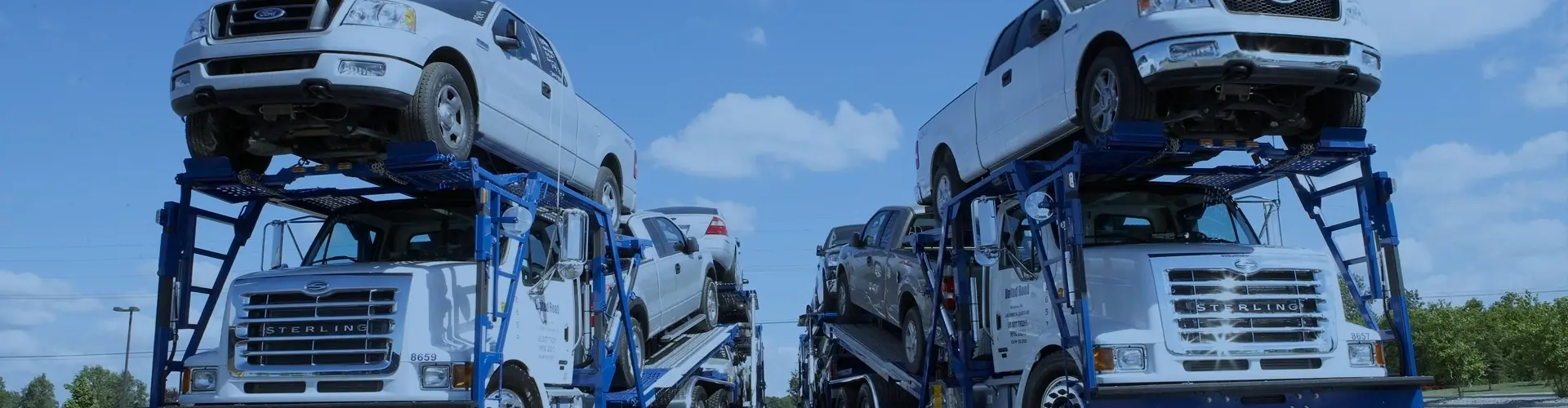
Santa Ana to Philadelphia Car Shipping Route
The Santa Ana to Philadelphia route covers approximately 2,755 miles. Carriers depart Santa Ana using SR-55 north to SR-91 east, or SR-22 east to I-5 north, then connect to I-10 east through the Inland Empire — the primary transcontinental artery for this corridor. From I-10, most carriers run through Arizona, New Mexico, Texas, and then pick up I-40 or I-70 east through the heartland before transitioning onto I-76 into Philadelphia. Driving this yourself takes five to six days of hard driving, burning fuel, adding mileage, and absorbing wear on your vehicle. Auto transport eliminates all of that. See the full breakdown of shipping versus driving costs at https://california.auto-transport-shipping.com/articles/benefits-of-auto-transport-service-vs-driving-yourself.html
Philadelphia-area demand keeps this lane active. The University of Pennsylvania, Temple University, and Drexel University generate student relocations in August and May. Jefferson Health and the Penn Medicine network attract physicians and staff relocating from Southern California. Comcast's corporate headquarters draws executive transfers. Joint Base McGuire-Dix-Lakehurst, 35 miles to the southeast, generates military PCS shipments throughout the year. Seasonally, this route crosses the Appalachians and the high desert; carriers face potential winter weather delays from late November through early March across both the Rockies and the Pennsylvania highlands. Book early during those months. Before you ship, review https://california.auto-transport-shipping.com/articles/auto-transport-mistakes-to-avoid.html to avoid common missteps.
Santa Ana to Philadelphia Car Shipping Rates
At 2,755 miles, this corridor sits firmly in the long-haul pricing tier, where base rates for standard sedans typically range from $1,050 to $1,450 on open transport. Fuel costs across the I-10 and I-70 corridors directly influence carrier bids — when diesel prices spike, so do quotes on transcontinental runs. See how fuel prices affect rates at https://california.auto-transport-shipping.com/articles/how-gas-prices-impact-california-auto-transport-fees.html. Demand peaks in late spring and late summer due to student and military relocations on the Philadelphia end, which can tighten carrier availability and push rates upward.
What affects the cost of Santa Ana to Philadelphia car shipping:
- Vehicle type and size — larger vehicles take more carrier space; aftermarket additions like lift kits, oversized mirrors, or roof accessories can add fees
- Open vs. enclosed transport — open is lower cost with stronger carrier availability; enclosed protects against weather, debris, and road conditions
- Standard vs. expedited pickup — expedited prioritizes your vehicle for the next available dispatch, typically at a $100–$300 premium
- Time of year — peak demand seasons drive rates higher; off-peak windows offer the most competitive pricing
- Fuel costs — diesel prices affect carrier rates; longer routes are more sensitive to fuel price swings
- Vehicle condition — non-running vehicles require special loading equipment and cost more to ship
| Vehicle Type | Open Car Shipping (Est.) | Enclosed Car Shipping (Est.) |
|---|---|---|
| Sedan | $1,100 – $1,600 | $1,900 – $2,700 |
| SUV / Crossover | $1,300 – $1,900 | $2,200 – $3,100 |
| Pickup Truck | $1,300 – $1,950 | $2,200 – $3,150 |
| Minivan | $1,300 – $1,900 | $2,200 – $3,100 |
| Luxury / Classic Car | $1,550 – $2,200 | $2,600 – $3,600 |
| Non-Running Vehicle | Add $200–400 | Add $200–400 |
* Estimated ranges based on recent Santa Ana to Philadelphia shipments. Actual rate depends on vehicle, locations, booking date, and current fuel costs. Use the form on this page to compare real quotes from licensed carriers.
Open vs. Enclosed Transport: What This Corridor Actually Warrants
Open transport is the right choice for the majority of vehicles on this route. The I-10 and I-70 corridors are well-paved and heavily traveled, meaning carrier equipment is modern and well-maintained. However, this route crosses genuine weather country — Sonoran Desert heat, Rocky Mountain snowfall, and Appalachian ice. If you're shipping a classic car, a luxury vehicle, or anything with a fresh paint job, enclosed is worth the premium of $400 to $700 more. For a daily driver or standard passenger vehicle, open transport handles this route without issue the vast majority of the year.
How Long Does Santa Ana to Philadelphia Car Shipping Take?
Standard transit time from Santa Ana to Philadelphia runs 7 to 10 days under normal conditions. Carrier frequency out of Orange County is high — Santa Ana feeds one of the busiest auto transport origination zones in the country — so dispatch to pickup is typically 1 to 3 business days. The driving leg itself covers 2,755 miles; federal HOS regulations limit drivers to 11 hours per day, making the minimum driving time roughly 5 days. If you need the vehicle sooner, expedited options exist: https://california.auto-transport-shipping.com/articles/california-expedited-car-shipping-fast-cost.html. Book with realistic lead time to avoid premium last-minute rates.
| Service Type | Typical Transit | Pickup Window | Best For |
|---|---|---|---|
| Open — Standard | 7–10 days | 2–5 business days | Best value; most common choice on this route |
| Open — Expedited | 5–7 days | 1–2 business days | Firm arrival date; faster dispatch window |
| Enclosed — Standard | 7–10 days | 4–8 business days | Luxury, classic, or modified vehicles |
| Enclosed — Expedited | 5–7 days | 2–4 business days | High-value vehicles on a firm delivery deadline |
** Winter weather across the Rockies, the Great Plains, and the Appalachians is the primary delay factor on this route from December through February. A single major snowstorm along I-70 in Colorado or Kansas can add one to three days. Philadelphia itself sees ice events that complicate final delivery access in rowhouse-dense neighborhoods.
Santa Ana to Philadelphia — Route & Logistics
Carriers access the transcontinental network from Santa Ana using SR-55 north to SR-91 east, or SR-22 east to merge onto I-5 north before catching I-10 eastbound through Ontario and the Inland Empire. I-10 carries the route through Arizona and New Mexico. Most carriers then run I-40 through Texas and Oklahoma or switch to I-70 in Albuquerque, continuing east through Kansas, Missouri, and Indiana before picking up I-76 into Philadelphia.
Key Corridor Waypoints
- Ontario, CA Twenty-five miles east of Santa Ana on I-10, Ontario is the first major staging and fuel point for carriers departing Orange County. The Ontario area also serves as a carrier aggregation zone where multi-vehicle loads are sometimes consolidated before the transcontinental run. Carriers confirm load security here before entering the Inland Empire's sustained freeway grades.
- Blythe, CA / Arizona State Line At the California-Arizona border, carriers cross the Colorado River at roughly 268 feet elevation. This is the mandatory California agricultural inspection checkpoint on inbound runs and a common driver break point on outbound. Blythe sits at the edge of the Sonoran Desert; summer temperatures here regularly exceed 115°F, which affects tire pressure and equipment checks for responsible carriers.
- Albuquerque, NM Albuquerque sits at 5,312 feet elevation and serves as the primary overnight and fuel decision point for carriers on this corridor. Here carriers choose between continuing on I-40 east through Oklahoma and Missouri or transitioning north onto I-25 to pick up I-70 through Colorado. Most carriers favor I-40 in summer and evaluate I-70 cautiously in winter due to mountain pass conditions.
- Oklahoma City, OK Oklahoma City is a major carrier overnight stop on the I-40 corridor, with well-established truck service infrastructure along the NW Expressway and I-44 interchange. This is typically the midpoint overnight for drivers adhering to federal hours-of-service limits. Weather here in spring and fall can introduce delays — the corridor sees severe thunderstorms and occasional ice events that pause movement.
- St. Louis, MO At the I-44 and I-70 junction, carriers merge definitively onto I-70 east for the run through Illinois, Indiana, and Ohio toward Pennsylvania. St. Louis is a common second overnight stop. The Gateway Arch marks a navigational shift from plains driving to Midwest urban density, where traffic and weigh station stops become more frequent.
- Philadelphia, PA via I-76 Carriers enter Philadelphia from the west on I-76, the Pennsylvania Turnpike, exiting onto local routes to reach delivery addresses. The city's dense rowhouse grid — particularly in South Philly, Fishtown, and Germantown — creates tight street access. Many carriers stage deliveries in the Navy Yard area or near I-95 interchange lots when direct residential access is blocked by parking or overhead restrictions.
Pickup & Delivery Access
- Pickup Access in Santa Ana Santa Ana's street grid is carrier-accessible from multiple directions via SR-55 and SR-22 interchange areas. Residential streets in older neighborhoods near downtown Santa Ana can be narrow; carriers often prefer staging near the MainPlace Mall area or along Bristol Street for safe loading. Industrial and commercial zones near the 5/55 interchange handle larger multi-car haulers without restriction.
- Delivery Access in Philadelphia Philadelphia has significant variability in carrier access. Center City, South Philadelphia rowhouse blocks, and Fishtown present real width and parking constraints — carriers often cannot complete door-to-door delivery without a staging point. The Navy Yard, I-95 service areas near the Girard Point interchange, and large commercial parking lots in Northeast Philadelphia are commonly used meet points when direct street delivery isn't feasible.
- Nearby Pickup Locations Carriers picking up in Santa Ana regularly extend service to Garden Grove, Orange, and Tustin. Call 1‑800‑590‑6492 to confirm door-to-door availability at your address.
Open vs. Enclosed Car Shipping: Santa Ana to Philadelphia
Both options use licensed, insured carriers and deliver door to door. For a full breakdown, read the pros and cons of open vs. enclosed car shipping.
Open Car Shipping
Most Popular- Lower cost — the practical choice for most vehicles
- More carriers available on this corridor
- Faster dispatch from booking to pickup
- Works well for sedans, SUVs, trucks, and minivans
- Vehicle rides on an open multi-car carrier
- Cargo insurance required on all licensed carriers
Estimated cost: $1,100 – $1,950
Enclosed Car Shipping
Premium Protection- Full protection from weather, debris, and road grime
- Best for luxury, exotic, and classic vehicles
- Recommended for low-clearance and custom-built cars
- Wheel-net or soft-tie systems prevent contact damage
- Higher cargo coverage — commonly $500,000 per load
- White-glove handling by experienced operators
Estimated cost: $1,900 – $3,150
Not sure which is right for your vehicle? Call 1-800-590-6492 and we'll point you in the right direction. Also worth reading: the top 10 questions to ask any car shipping company before you commit.
How to Prepare Your Car for Shipping to Philadelphia
A little prep before pickup protects you if there's ever a dispute about your vehicle's condition. This checklist is from our full guide on preparing your car for transport:
- Remove all personal belongings from the interior and trunk
- Leave only a quarter tank of fuel — enough to load and unload
- Take date-stamped photos of the full exterior and interior
- Remove or disable toll transponders (FasTrak, E-ZPass, etc.)
- Retract or remove roof racks, spoilers, antennas, and bike mounts
- Make sure the battery is charged and tires are properly inflated
- Tell the carrier about any existing leaks or mechanical issues
- Deactivate the car alarm before the carrier arrives
- Write down the mileage on the Bill of Lading at pickup
- Fold in side mirrors if the vehicle is wider than standard
Personal items: Most carriers won't cover belongings left in the car. Read the full rules on shipping personal items in your vehicle. Also review our Bill of Lading guide so you know exactly what to check at pickup and delivery.
When to Ship Your Car from Santa Ana to Philadelphia
This corridor sees demand peaks in May through June and again in August and September, driven by university cycles at Penn, Temple, and Drexel and by military PCS orders tied to Joint Base McGuire-Dix-Lakehurst. Winter months, November through February, introduce weather risk across the Rockies and Appalachians and can extend transit times. For a detailed look at cold-weather shipping risks, see https://california.auto-transport-shipping.com/articles/auto-transport-challenges-during-the-winter.html. Booking two to three weeks out is advisable during any peak window.
Student Move Season (May–June & August)
University of Pennsylvania, Temple, and Drexel all drive concentrated vehicle shipment demand in late May and again in mid-August as students relocate to and from the Philadelphia metro. Carrier slots on the California-to-Philadelphia lane fill quickly during these windows. If you're moving for school or shipping a student's vehicle, book at least two to three weeks ahead of your move date to lock in current rates.
Summer Heat Corridor (June–September)
The Sonoran Desert crossing through Arizona and the high desert of New Mexico bakes this route in summer. Responsible carriers adjust tire pressure, carry additional coolant, and limit loading during peak midday heat in Blythe and Phoenix. Your vehicle is not at significant risk in summer on open transport, but enclosed carriers may prioritize temperature-sensitive vehicles during extreme heat advisories above 115°F.
Winter Mountain Risk (November–February)
Three separate mountain systems — the San Bernardinos, the Rockies near Albuquerque, and the Appalachians west of Philadelphia — can all see snow and ice between November and February. Carriers legally cannot transit closed mountain passes, which adds unpredictable delay. Budget an extra two to four days of transit buffer if you're shipping in this window and review winter shipping considerations at https://california.auto-transport-shipping.com/articles/auto-transport-challenges-during-the-winter.html.
Military PCS Season (March–April & July–August)
Joint Base McGuire-Dix-Lakehurst, 35 miles southeast of Philadelphia, generates one of the larger military PCS vehicle shipping volumes in the Northeast. Peak PCS orders concentrate in March–April and July–August. Military shippers often operate under tight report-by-date constraints, which increases demand on this corridor during those months. Booking early and considering expedited dispatch is advisable if your PCS orders have a hard delivery deadline.
Spring Demand Recovery (March–April)
After winter weather suppresses some long-haul volume, spring sees a rebound in carrier bookings as conditions normalize across I-40 and I-70. Rates in March and April typically run moderate, before the May student peak hits. This is often the most cost-effective window for shipping on this corridor — weather is manageable, demand hasn't peaked, and carrier availability is solid.
How to Choose a Santa Ana to Philadelphia Car Shipping Company
Getting multiple quotes is step one — knowing what to look for in those quotes matters just as much. Our guide on how to select a car shipping company covers the full process. Here are the six things that matter most:
FMCSA Registration
Every carrier or broker must hold a valid MC number. Verify any company at FMCSA SAFER before you book.
Proof of Insurance
Ask for a current certificate of insurance. Open carriers typically carry $100,000–$250,000 per load; enclosed commonly $500,000 or more. Learn what auto transport insurance covers.
All-In Pricing
Your quote should be a final number with no fees added after booking. Know the difference between brokers and carriers and confirm what the quote covers before you agree.
Bill of Lading
A complete Bill of Lading is filled out at pickup and delivery. Our Bill of Lading guide explains what to check. Never sign an incomplete one.
Real Reviews
Check Google and the BBB. Look at how they handled complaints and damage claims — that tells you more than a five-star average from happy customers.
Route Experience
A carrier who runs the Santa Ana–Philadelphia corridor regularly knows that the Ontario, CA aggregation zone is where multi-car loads get their final configuration before hitting I-10. They know that the Blythe port of entry is inbound-only for CA agriculture inspection, not a delay point eastbound. They know that Albuquerque at 5,312 feet requires tire and brake checks before descending into the Rio Grande valley. They know Oklahoma City's I-40/I-44 split is a frequent weigh station stop and plan accordingly. They know that South Philadelphia delivery addresses require a pre-call to assess street width before committing to door-to-door — and that the Navy Yard serves as the most reliable staging point when row streets make direct delivery impossible.
Santa Ana to Philadelphia Car Shipping — FAQ
How much does it cost to ship a car from Santa Ana to Philadelphia?
Shipping a standard sedan from Santa Ana to Philadelphia on open transport typically runs between $1,050 and $1,450 depending on the time of year, current diesel prices, and how quickly you need the vehicle picked up. Enclosed transport adds roughly $400 to $700 to that range. Rates are higher in May, June, and August due to student relocation demand in Philadelphia, and again in winter when weather risk on mountain corridors increases. Vehicles with low ground clearance, non-running condition, or oversized dimensions carry additional fees. Fuel price fluctuations on the I-10 and I-70 corridors directly affect carrier bids — see how that works at https://california.auto-transport-shipping.com/articles/how-gas-prices-impact-california-auto-transport-fees.html.
How long does Santa Ana to Philadelphia car shipping take?
Transit time on this route runs 7 to 10 days under normal conditions. Carriers depart Santa Ana with 1 to 3 days of dispatch time, and the 2,755-mile driving leg takes approximately 5 to 7 days given federal hours-of-service limits. Winter weather across the Rockies or Appalachians can extend this by 1 to 3 days. If your timeline is tight, expedited dispatch — where you pay a premium to jump the carrier queue — can compress pickup to same-day or next-day. Details on expedited shipping are at https://california.auto-transport-shipping.com/articles/california-expedited-car-shipping-fast-cost.html. Build buffer time into your schedule if possible.
Is my car insured during transport from Santa Ana to Philadelphia?
Yes. All licensed motor carriers are federally required to carry cargo insurance, and your vehicle is covered under that policy during transit. The coverage amount and deductible structure vary by carrier, so ask for proof of insurance before you confirm a booking. Your personal auto insurance policy may provide supplemental coverage during transport — check with your insurer. Before pickup, document your vehicle thoroughly with date-stamped photos. If damage occurs, the bill of lading inspection record is your primary evidence. Full details on coverage structure are at https://california.auto-transport-shipping.com/articles/understanding-auto-transport-insurance.html, and the claims process is explained at https://california.auto-transport-shipping.com/articles/how-to-file-a-claim-for-vehicle-damage-during-transport.html.
Should I choose open or enclosed transport for the Santa Ana to Philadelphia route?
Open transport is adequate for the large majority of vehicles on this corridor. The I-10 and I-40 routes are well-maintained and carriers are experienced. However, this route crosses real weather country — Sonoran Desert heat, Rocky Mountain snow, and Appalachian ice — so if you're shipping a classic car, a high-value luxury vehicle, or a freshly restored vehicle, enclosed transport eliminates exposure to those elements and to road debris. The premium is roughly $400 to $700. For a full breakdown of what each service level actually protects against, read https://california.auto-transport-shipping.com/articles/open-vs-enclosed-auto-transport-pros-and-cons.html before deciding.
Do I have to be present at pickup in Santa Ana and delivery in Philadelphia?
You or an authorized representative must be present at both pickup and delivery to sign the bill of lading, which is the inspection document that records your vehicle's condition before and after transport. If you can't be there personally, a trusted adult can sign on your behalf — this is common for military members shipping vehicles ahead of a PCS move or students whose parents are handling logistics. The bill of lading is critical: any pre-existing damage must be noted at pickup, and any new damage must be marked at delivery before you sign. Full guidance on how this document protects you is at https://california.auto-transport-shipping.com/articles/california-auto-transport-bill-of-lading-information.html.
How does winter weather affect this route, and when is it riskiest to ship?
The Santa Ana to Philadelphia corridor crosses three mountain systems that all see winter weather: the San Bernardino Mountains above the Inland Empire, the Rockies near Albuquerque and through Colorado if carriers run I-70, and the Appalachian ridges west of Philadelphia. The riskiest shipping window runs from late November through early February. A single winter storm on I-70 in Colorado or I-78 in Pennsylvania can close a pass or create multi-hour delays. Add two to four days of transit buffer when shipping during this window. For a detailed breakdown of what to expect, see https://california.auto-transport-shipping.com/articles/auto-transport-challenges-during-the-winter.html.
Does military PCS shipping from Santa Ana to the Philadelphia area work differently than standard transport?
The process is largely the same — you book a carrier, the vehicle is loaded at Santa Ana, transported cross-country, and delivered near Joint Base McGuire-Dix-Lakehurst or your Philadelphia-area duty station address. The key difference is timing pressure: PCS orders often have a hard report-by date, and standard 7-to-10-day transit with a 1-to-3-day dispatch window may cut it close. Military shippers should book as early as possible and discuss expedited dispatch options if the timeline is tight. Also confirm what documentation you need to submit for any military transport reimbursement — the carrier's official receipt and bill of lading are typically required.
Can carriers deliver directly to my address in Philadelphia, or will I need to meet them elsewhere?
Many Philadelphia addresses — particularly in South Philadelphia, Fishtown, Germantown, and other rowhouse-dense neighborhoods — have streets too narrow for a standard 75-foot multi-car hauler to safely enter or turn around. In those cases, your carrier will call ahead and arrange a nearby meet point, often a shopping center lot, a gas station with a large apron, or a staging area near the Navy Yard or I-95 corridor. This is standard practice, not a service failure. Center City delivery is almost always staged rather than door-to-door. If your address is in Northeast Philadelphia or the suburbs, direct delivery is more likely to be feasible.
Ready to Ship Your Car from Santa Ana to Philadelphia?
One form gets you up to 10 free quotes from licensed, insured carriers. Compare costs and transit times and book the best deal for your schedule.