
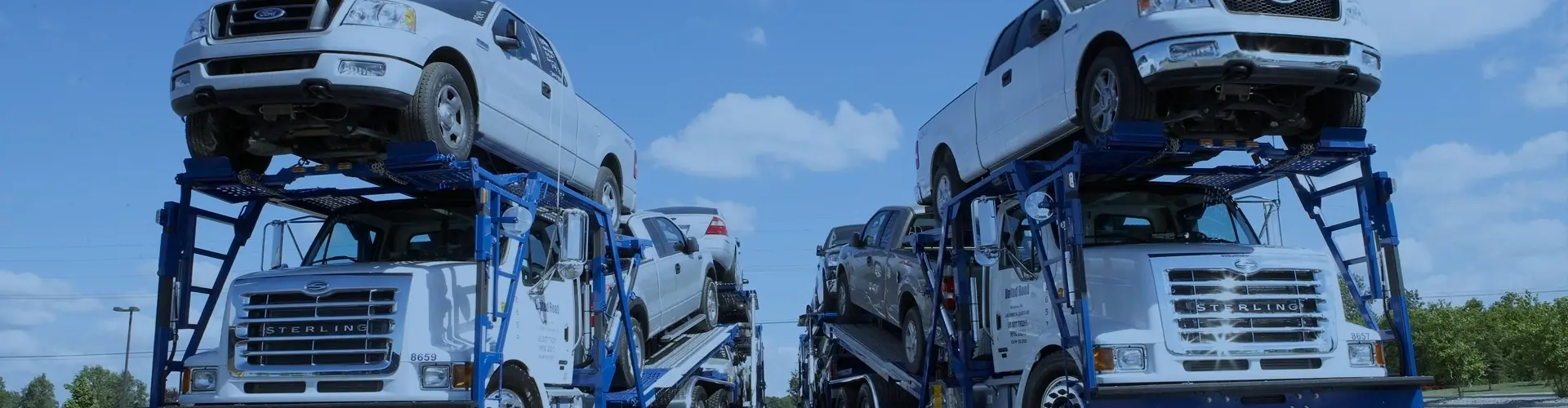
San Jose to Charlotte Car Shipping Route
San Jose to Charlotte covers approximately 2,732 miles by road. Carriers picking up in San Jose access the route via I-280 south to US-101, or via I-880 north connecting to I-80, before merging onto I-580 east through the Altamont Pass into the Central Valley. From there, the primary corridor runs I-5 south to I-10 east, transitioning to I-20 east through Texas and into the Southeast, with I-85 north as the final approach into Charlotte. That's roughly 40 to 42 hours of driving time for a solo driver — a punishing commitment compared to shipping your vehicle and flying or flying ahead. See why most relocating residents choose transport over driving at https://california.auto-transport-shipping.com/articles/benefits-of-auto-transport-service-vs-driving-yourself.html.
Charlotte demand is anchored by several major institutions. Fort Liberty, about 75 miles northeast via I-85, generates a significant PCS vehicle flow throughout the year. UNC Charlotte, Queens University, and Johnson & Wales University bring student relocations each August and January. On the employer side, Bank of America's global headquarters, Truist Financial, and the Honeywell aerospace campus all draw executive and professional relocations from Silicon Valley regularly. Weather is a real consideration: the I-20 corridor through West Texas and I-85 through the Appalachian foothills can see ice events between November and March, occasionally adding a day to transit. Read https://california.auto-transport-shipping.com/articles/auto-transport-mistakes-to-avoid.html before you finalize your booking dates.
San Jose to Charlotte Car Shipping Rates

Rates on the San Jose to Charlotte lane are influenced by distance tier — this is a cross-country haul above 2,700 miles, which puts it in the upper pricing band — and by seasonal demand shifts. Summer relocation season and the January PCS wave push carrier demand up, tightening capacity and raising prices. Diesel costs across Texas and the mountain states also factor directly into quotes on this corridor. Current fuel pricing trends are explained at https://california.auto-transport-shipping.com/articles/how-gas-prices-impact-california-auto-transport-fees.html. Standard sedans run lower than trucks and SUVs due to height and weight on the trailer.
What affects the cost of San Jose to Charlotte car shipping:
- Vehicle type and size — larger vehicles take more carrier space; aftermarket additions like lift kits, oversized mirrors, or roof accessories can add fees
- Open vs. enclosed transport — open is lower cost with stronger carrier availability; enclosed protects against weather, debris, and road conditions
- Standard vs. expedited pickup — expedited prioritizes your vehicle for the next available dispatch, typically at a $100–$300 premium
- Time of year — peak demand seasons drive rates higher; off-peak windows offer the most competitive pricing
- Fuel costs — diesel prices affect carrier rates; longer routes are more sensitive to fuel price swings
- Vehicle condition — non-running vehicles require special loading equipment and cost more to ship
| Vehicle Type | Open Car Shipping (Est.) | Enclosed Car Shipping (Est.) |
|---|---|---|
| Sedan | $1,100 – $1,600 | $1,900 – $2,700 |
| SUV / Crossover | $1,300 – $1,900 | $2,200 – $3,100 |
| Pickup Truck | $1,300 – $1,950 | $2,200 – $3,150 |
| Minivan | $1,300 – $1,900 | $2,200 – $3,100 |
| Luxury / Classic Car | $1,550 – $2,200 | $2,600 – $3,600 |
| Non-Running Vehicle | Add $200–400 | Add $200–400 |
* Estimated ranges based on recent San Jose to Charlotte shipments. Actual rate depends on vehicle, locations, booking date, and current fuel costs. Use the form on this page to compare real quotes from licensed carriers.
Open vs. Enclosed: What This Route's Conditions Actually Require
Open transport covers the overwhelming majority of vehicles shipped on this corridor without incident. The I-10 and I-20 stretch through Arizona, New Mexico, and West Texas is dry and low-precipitation for most of the year. If you're shipping between November and February, the I-85 approach into the Piedmont can expose vehicles to road salt and occasional sleet. Enclosed transport is worth the premium for exotics, classics, or vehicles with fresh paint or low ground clearance. For a standard daily driver or a lightly used sedan, open transport is the practical and cost-effective choice on this route.
How Long Does San Jose to Charlotte Car Shipping Take?
Plan for 7 to 10 business days from pickup to delivery on the San Jose to Charlotte route. Carrier frequency out of San Jose is solid — dispatch typically happens within 1 to 3 days of your first available date. The drive across is roughly 40 to 42 hours of wheel time, which carriers cover over 4 to 6 driving days depending on hours-of-service regulations and multi-stop sequencing. If your move date is fixed and non-negotiable, expedited shipping compresses that window. Review options and costs at https://california.auto-transport-shipping.com/articles/california-expedited-car-shipping-fast-cost.html before committing to standard service.
| Service Type | Typical Transit | Pickup Window | Best For |
|---|---|---|---|
| Open — Standard | 7–10 days | 2–5 business days | Best value; most common choice on this route |
| Open — Expedited | 5–7 days | 1–2 business days | Firm arrival date; faster dispatch window |
| Enclosed — Standard | 7–10 days | 4–8 business days | Luxury, classic, or modified vehicles |
| Enclosed — Expedited | 5–7 days | 2–4 business days | High-value vehicles on a firm delivery deadline |
** Winter weather between late November and early March is the most common delay factor on this lane. Ice on I-40 through the Tennessee-North Carolina state line, or on I-85 through the Piedmont, can hold carriers at a truck stop for 12 to 24 hours. Budget an extra day or two in your timeline if you're shipping during those months.
San Jose to Charlotte — Route & Logistics
Carriers departing San Jose typically access US-101 or I-280 to reach I-880 north or I-85 south, then connect to I-580 east through Altamont Pass. From there, the route drops to I-5 south, picks up I-10 east at the Los Angeles basin, follows I-20 east across Texas and through Birmingham, then finishes on I-85 north into Charlotte — approximately 2,732 miles total.
Key Corridor Waypoints
- Altamont Pass, CA Carriers clear San Jose and climb through Altamont Pass on I-580 at approximately 1,009 feet elevation. This is the first geographic choke point east of the Bay Area. Wind events here are common and can slow high-profile loads — car haulers included. Drivers often check tire pressure and load security at the Livermore rest area just past the pass before continuing to I-5.
- Bakersfield, CA Carriers transitioning from I-580 to I-5 south pass through the Stockton corridor and reach Bakersfield after roughly 200 miles. Bakersfield is a common first overnight or fuel stop for eastbound runs. The I-5 and SR-99 interchange here also serves as a staging option for carriers consolidating loads from the Central Valley before heading into the Tehachapis and the Los Angeles basin.
- El Paso, TX El Paso marks the I-10 to I-20 transition zone and sits at 3,740 feet elevation. Carriers either stay on I-10 east toward San Antonio or transition to I-20 east here depending on final destination. For Charlotte-bound loads, I-20 east through Midland and Odessa is the primary path. El Paso is also a common driver change or overnight point for team-driven carriers on tight schedules.
- Dallas–Fort Worth Metroplex, TX I-20 passes through the southern edge of the DFW metroplex, giving carriers access to one of the largest vehicle staging and relay markets in the country. Carriers running California-to-Southeast routes frequently use the DFW area to swap drivers or consolidate loads. Traffic on I-20 through Dallas requires timing — avoid the I-635 interchange during morning and evening peaks if scheduling allows.
- Birmingham, AL Birmingham sits at the junction of I-20 and I-59, roughly 400 miles from Charlotte. It's a critical logistics node for Southeast-bound carriers and a common final overnight stop before the Charlotte delivery leg. The elevation change from Birmingham northeast into the Appalachian foothills on I-20 and I-85 is gradual but notable — winter ice forms quickly on these grades and bridges.
- Charlotte, NC Carriers enter Charlotte via I-85 north from the southwest or I-77 from the south. The city's ring road, I-485, connects both corridors and allows carriers to approach delivery zones from multiple directions. Uptown Charlotte and South End have narrow streets and loading restrictions; carriers typically stage in suburban zones like Ballantyne, Steele Creek, or University City for final handoff.
Pickup & Delivery Access
- Pickup Access in San Jose San Jose's grid is fully accessible to car haulers. Carriers prefer staging in open commercial areas near SR-87 or along the US-101 corridor through Santa Clara County. Tech campus areas in North San Jose, Cupertino, and Mountain View offer wide-lane access and minimal residential restrictions. Residential pickups in Willow Glen or Almaden Valley are possible but may require the driver to meet you at a nearby commercial lot.
- Delivery Access in Charlotte Charlotte's suburban areas — Ballantyne, Steele Creek, Matthews, and Concord — are straightforward for carrier access. Uptown Charlotte and South End present height restrictions, narrow turns, and limited staging space; carriers will typically call ahead to arrange a meet point at a nearby shopping center or open lot. NoDa and Plaza Midwood have similar constraints for oversized transport vehicles.
- Nearby Pickup Locations Carriers picking up in San Jose regularly extend service to Sunnyvale, Cupertino, Mountain View, and Santa Clara. Call 1‑800‑590‑6492 to confirm door-to-door availability at your address.
Open vs. Enclosed Car Shipping: San Jose to Charlotte
Both options use licensed, insured carriers and deliver door to door. For a full breakdown, read the pros and cons of open vs. enclosed car shipping.
Open Car Shipping
Most Popular- Lower cost — the practical choice for most vehicles
- More carriers available on this corridor
- Faster dispatch from booking to pickup
- Works well for sedans, SUVs, trucks, and minivans
- Vehicle rides on an open multi-car carrier
- Cargo insurance required on all licensed carriers
Estimated cost: $1,100 – $1,950
Enclosed Car Shipping
Premium Protection- Full protection from weather, debris, and road grime
- Best for luxury, exotic, and classic vehicles
- Recommended for low-clearance and custom-built cars
- Wheel-net or soft-tie systems prevent contact damage
- Higher cargo coverage — commonly $500,000 per load
- White-glove handling by experienced operators
Estimated cost: $1,900 – $3,150
Not sure which is right for your vehicle? Call 1-800-590-6492 and we'll point you in the right direction. Also worth reading: the top 10 questions to ask any car shipping company before you commit.
How to Prepare Your Car for Shipping to Charlotte
A little prep before pickup protects you if there's ever a dispute about your vehicle's condition. This checklist is from our full guide on preparing your car for transport:
- Remove all personal belongings from the interior and trunk
- Leave only a quarter tank of fuel — enough to load and unload
- Take date-stamped photos of the full exterior and interior
- Remove or disable toll transponders (FasTrak, E-ZPass, etc.)
- Retract or remove roof racks, spoilers, antennas, and bike mounts
- Make sure the battery is charged and tires are properly inflated
- Tell the carrier about any existing leaks or mechanical issues
- Deactivate the car alarm before the carrier arrives
- Write down the mileage on the Bill of Lading at pickup
- Fold in side mirrors if the vehicle is wider than standard
Personal items: Most carriers won't cover belongings left in the car. Read the full rules on shipping personal items in your vehicle. Also review our Bill of Lading guide so you know exactly what to check at pickup and delivery.
When to Ship Your Car from San Jose to Charlotte
This corridor has two clear demand peaks: summer (May through August) driven by tech relocations and university moves, and January driven by military PCS orders cycling through Fort Liberty. Both windows tighten carrier availability and push rates up by 10 to 20 percent. Winter also introduces weather risk on the eastern end of the route. Review https://california.auto-transport-shipping.com/articles/auto-transport-challenges-during-the-winter.html if you're planning a November through February shipment on this lane.

Summer Relocation Season (May–August)
This is the highest-demand window on the San Jose to Charlotte corridor. Tech company relocations, UNC Charlotte and Johnson & Wales move-ins, and general PCS activity all peak simultaneously. Carrier capacity tightens by late May and stays compressed through mid-August. Book 2 to 3 weeks ahead of your preferred pickup date during this window. Rates typically run 10 to 18 percent above the annual baseline. Flexibility on your first available date by even 2 to 3 days can recover meaningful savings.
Winter Weather Window (November–February)
The eastern half of this route — specifically I-85 through the Piedmont and I-40 through the Tennessee-North Carolina border — is vulnerable to ice events between late November and February. Carriers may hold at staging points in Birmingham or Atlanta for 12 to 24 hours during severe weather. Build buffer days into your timeline if delivery timing is critical. Open carriers are still viable, but road salt exposure increases on this segment. See winter transport specifics at https://california.auto-transport-shipping.com/articles/auto-transport-challenges-during-the-winter.html.
Student Move Season (January & August)
UNC Charlotte, Queens University of Charlotte, and Johnson & Wales University each generate vehicle shipment demand at semester boundaries. The August surge aligns with summer peak. January is smaller but still creates a measurable uptick, particularly from Bay Area families shipping second vehicles to students. If you're shipping for a student, midweek pickup dates in early January typically yield better carrier availability than the final weekend before classes start.
Military PCS Cycles (January & June–July)
Fort Liberty — formerly Fort Bragg — is approximately 75 miles northeast of Charlotte on US-401 and is one of the largest military installations in the United States. PCS orders cluster around January and June through July, both of which coincide with broader demand peaks on this corridor. Military shippers should plan to book as early as orders are confirmed. Carriers who regularly run California-to-Charlotte have built Fort Liberty delivery into their standard sequencing.
Spring Booking Window (March–April)
March and April represent the best pricing window on this lane — winter weather risk drops sharply, summer demand hasn't materialized yet, and carrier capacity is comparatively loose. If your move date is flexible and you can target a late March or April shipment, this is typically when you'll see the lowest open-transport rates of the year on the San Jose to Charlotte corridor. Two-week lead time is usually sufficient for dispatch in this window.
Fall Tech Relocation Wave (September–October)
Post-summer tech relocations from Silicon Valley companies — particularly those with Charlotte offices or Southeast regional hubs — create a secondary demand bump in September and October. This is smaller than the summer peak but still compresses availability compared to spring. Employees accepting offers with September or October start dates should book at least 10 to 14 days in advance. Weather on the route is generally favorable during this window, making it a good time for open transport on higher-value vehicles.
How to Choose a San Jose to Charlotte Car Shipping Company
Getting multiple quotes is step one — knowing what to look for in those quotes matters just as much. Our guide on how to select a car shipping company covers the full process. Here are the six things that matter most:
FMCSA Registration
Every carrier or broker must hold a valid MC number. Verify any company at FMCSA SAFER before you book.
Proof of Insurance
Ask for a current certificate of insurance. Open carriers typically carry $100,000–$250,000 per load; enclosed commonly $500,000 or more. Learn what auto transport insurance covers.
All-In Pricing
Your quote should be a final number with no fees added after booking. Know the difference between brokers and carriers and confirm what the quote covers before you agree.
Bill of Lading
A complete Bill of Lading is filled out at pickup and delivery. Our Bill of Lading guide explains what to check. Never sign an incomplete one.
Real Reviews
Check Google and the BBB. Look at how they handled complaints and damage claims — that tells you more than a five-star average from happy customers.
Route Experience
A carrier who runs the San Jose to Charlotte lane regularly knows that the I-580 Altamont Pass segment requires load checks before the long Central Valley stretch, and that the I-20 corridor through West Texas is where tire wear and fuel planning becomes critical — stations thin out between Odessa and Abilene. They know that the I-85 approach into Charlotte from Birmingham gets icy in January even when Atlanta is clear, and that Uptown Charlotte delivery attempts without pre-coordination waste time. They also know that staging at a commercial lot off I-485 is faster than attempting residential delivery in South End or NoDa. On the origin side, they know that North San Jose's tech campus zone near US-101 and SR-237 is the cleanest pickup staging area in Santa Clara County, with minimal residential restrictions and easy trailer maneuvering.
San Jose to Charlotte Car Shipping — FAQ
How much does it cost to ship a car from San Jose to Charlotte?
Shipping a standard sedan from San Jose to Charlotte on an open carrier typically runs between $1,100 and $1,600 depending on the time of year, current fuel prices, and how quickly you need the vehicle moved. SUVs and trucks run higher — generally $1,300 to $1,850 — due to size and weight on the trailer. Enclosed transport adds roughly 40 to 60 percent to those figures. Summer and January PCS season push rates to the higher end of these ranges. The most accurate quote comes from submitting your vehicle details and dates through the form on this page, since rates shift with live carrier availability on this corridor.
How long does San Jose to Charlotte car shipping take?
Standard transit on this route runs 7 to 10 business days from pickup. Carriers dispatching from San Jose typically pick up within 1 to 3 days of your first available date, and the driving portion across approximately 2,732 miles takes 4 to 6 days depending on the carrier's route and multi-stop schedule. The most common delay factor is winter weather on I-85 between Birmingham and Charlotte, which can add 1 to 2 days between November and February. If you have a hard delivery deadline, expedited shipping is available — see https://california.auto-transport-shipping.com/articles/california-expedited-car-shipping-fast-cost.html for what that option costs and how it works on long-haul routes like this one.
Is my car insured during transport from San Jose to Charlotte?
Yes. Every licensed carrier operating on this route is required by federal law to carry cargo insurance covering your vehicle while it's on their trailer. Before booking, confirm the carrier's insurance certificate is current and that the coverage limit is adequate for your vehicle's value. When your vehicle is loaded, the driver completes a Bill of Lading that documents the vehicle's pre-transport condition — photograph your car from all angles before pickup and compare at delivery. If damage occurs in transit, that Bill of Lading is the foundation of your claim. For a full breakdown of how coverage works, see https://california.auto-transport-shipping.com/articles/understanding-auto-transport-insurance.html. If you need to file a claim, the process is outlined at https://california.auto-transport-shipping.com/articles/how-to-file-a-claim-for-vehicle-damage-during-transport.html.
Should I choose open or enclosed transport for the San Jose to Charlotte route?
Open transport is the right choice for most vehicles on this corridor. The I-10 and I-20 stretch across Arizona, New Mexico, and West Texas is generally dry, and open carriers cover this route constantly with strong dispatch frequency. Enclosed transport makes sense if you're shipping a classic car, exotic, or a vehicle with a fresh wrap or paint correction — particularly if your delivery window falls between November and February when road salt is a real concern on I-85 through the Piedmont. For a detailed comparison of what you get with each option, read https://california.auto-transport-shipping.com/articles/open-vs-enclosed-auto-transport-pros-and-cons.html. The price premium for enclosed on this route runs 40 to 60 percent.
Do I have to be present at pickup in San Jose and delivery in Charlotte?
You don't have to be present personally, but someone with authority to release or accept the vehicle does need to be there. At pickup, that person signs the Bill of Lading confirming the vehicle's pre-transport condition. At delivery, they inspect the vehicle and sign again confirming receipt. If you're flying ahead to Charlotte, a trusted contact can handle both ends. Make sure whoever accepts delivery knows to inspect the vehicle carefully before signing — once the Bill of Lading is signed at delivery, documenting damage becomes significantly harder. Learn more about what the Bill of Lading covers at https://california.auto-transport-shipping.com/articles/california-auto-transport-bill-of-lading-information.html.
Does military PCS status affect how I should book this route?
If you're PCS-ing from a Bay Area installation to Fort Liberty or another Charlotte-area assignment, the core booking process is the same but timing matters more. PCS orders tend to cluster in January and June through July, which are high-demand periods on this corridor — carrier availability tightens and rates move up. Book as soon as your orders are confirmed rather than waiting until two weeks out. Some brokers offer a military discount; ask directly when requesting your quote. Also confirm whether your service branch's relocation allowance covers third-party auto transport brokers, as some branches have specific carrier requirements for reimbursement eligibility.
What should I know about shipping a car from the Bay Area in winter for a Charlotte delivery?
If your delivery window falls between late November and early March, plan for potential weather delays on the eastern portion of the route. I-85 between Atlanta and Charlotte and the I-40 corridor through the Tennessee-North Carolina state line are the two segments most likely to see ice accumulation that causes carriers to hold. Your vehicle itself is fine sitting on an open trailer during these conditions — the concern is carrier movement, not vehicle exposure. Build an extra 1 to 2 days into your delivery expectation. If you're on a tight timeline, this is the season where paying for expedited service delivers the most value. Full winter transport considerations are covered at https://california.auto-transport-shipping.com/articles/auto-transport-challenges-during-the-winter.html.
Can carriers pick up directly from a tech campus or apartment complex in San Jose or the surrounding South Bay cities?
Most tech campuses in North San Jose, Sunnyvale, Cupertino, and Mountain View have parking lots and service roads wide enough to accommodate a car hauler, making them practical pickup locations. The driver will confirm access before arrival — some campuses require advance notice for commercial vehicles. Apartment complexes in denser parts of San Jose may have overhead clearance or turning radius issues. In those cases, your driver will arrange a nearby meet point, typically at a shopping center or park-and-ride lot along US-101 or SR-87. This is standard practice and doesn't affect your rate or transit time.
Ready to Ship Your Car from San Jose to Charlotte?
One form gets you up to 10 free quotes from licensed, insured carriers. Compare costs and transit times and book the best deal for your schedule.