
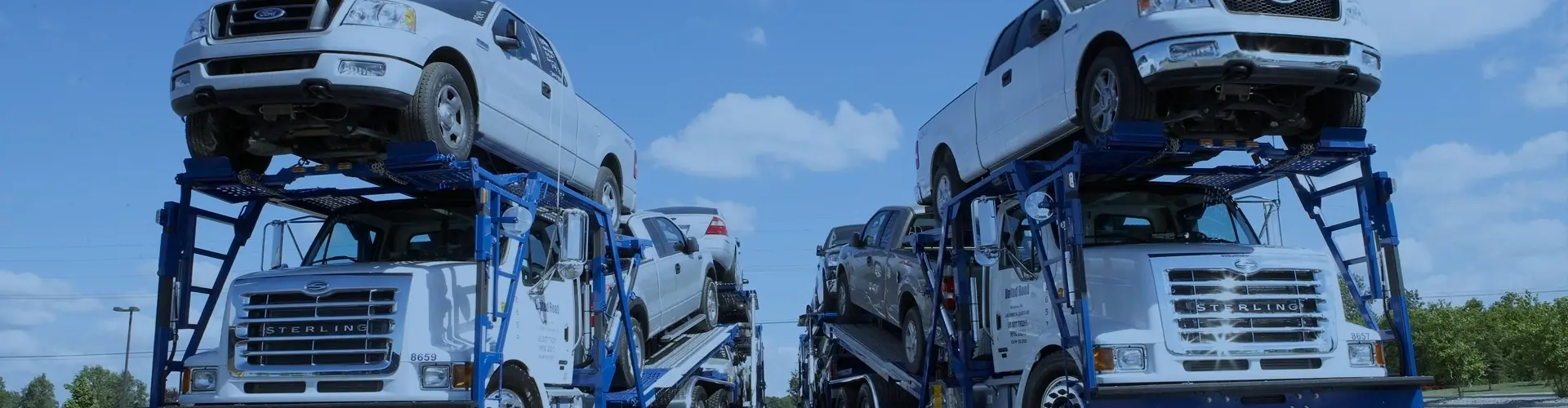
San Jose to Tucson Car Shipping Route
San Jose to Tucson is approximately 782 miles by road. Carriers access the route from San Jose using I-280, US-101, or I-880 to reach I-5 southbound, then pick up I-8 east at Casa de Fruta near Gilroy or continue south to connect with I-10 through Los Angeles and Phoenix before dropping into Tucson on I-10. The terrain shifts from the Santa Clara Valley through Central California's agricultural flatlands, across the Mojave-adjacent desert, and into Arizona's elevated basin-and-range geography. Shipping saves you roughly 12–14 hours of driving and avoids desert heat stress on your vehicle. See why auto transport often makes more sense than driving: https://california.auto-transport-shipping.com/articles/benefits-of-auto-transport-service-vs-driving-yourself.html
Tucson's inbound demand is anchored by three institutions. Davis-Monthan Air Force Base, located on the east side of the city, drives steady military PCS shipments across all months with peak movement in summer. The University of Arizona, with over 47,000 enrolled students, creates concentrated demand each August at semester start and May at graduation. Major employers including Raytheon Technologies, Banner Health, and Caterpillar's Tucson operations add corporate relocation volume. Seasonally, summer heat across the Sonoran Desert between Yuma and Tucson can push interior car temperatures well above ambient — a factor worth considering for vehicle selection and timing. Before you book, review common booking errors at https://california.auto-transport-shipping.com/articles/auto-transport-mistakes-to-avoid.html
San Jose to Tucson Car Shipping Rates
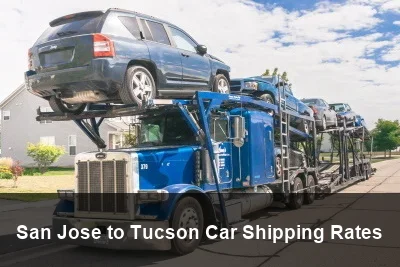
At 782 miles, this route sits in the mid-distance pricing tier — long enough to carry fuel and driver costs but not so far that per-mile rates spike. Rates typically range $650–$1,050 for a standard sedan on open transport depending on season. Summer months see upward pressure from both outbound Bay Area relocation volume and inbound snowbird departures. Desert fuel costs are a real factor on this lane; for context on how fuel prices directly affect your quote, see https://california.auto-transport-shipping.com/articles/how-gas-prices-impact-california-auto-transport-fees.html
What affects the cost of San Jose to Tucson car shipping:
- Vehicle type and size — larger vehicles take more carrier space; aftermarket additions like lift kits, oversized mirrors, or roof accessories can add fees
- Open vs. enclosed transport — open is lower cost with stronger carrier availability; enclosed protects against weather, debris, and road conditions
- Standard vs. expedited pickup — expedited prioritizes your vehicle for the next available dispatch, typically at a $100–$300 premium
- Time of year — peak demand seasons drive rates higher; off-peak windows offer the most competitive pricing
- Fuel costs — diesel prices affect carrier rates; longer routes are more sensitive to fuel price swings
- Vehicle condition — non-running vehicles require special loading equipment and cost more to ship
| Vehicle Type | Open Car Shipping (Est.) | Enclosed Car Shipping (Est.) |
|---|---|---|
| Sedan | $650 – $900 | $1,200 – $1,600 |
| SUV / Crossover | $800 – $1,050 | $1,400 – $1,850 |
| Pickup Truck | $800 – $1,050 | $1,400 – $1,850 |
| Minivan | $800 – $1,050 | $1,400 – $1,850 |
| Luxury / Classic Car | $900 – $1,200 | $1,500 – $2,000 |
| Non-Running Vehicle | Add $150–250 | Add $150–250 |
* Estimated ranges based on recent San Jose to Tucson shipments. Actual rate depends on vehicle, locations, booking date, and current fuel costs. Use the form on this page to compare real quotes from licensed carriers.
Open vs. Enclosed on the San Jose–Tucson Desert Corridor
Open transport works for most vehicles on this route. The corridor avoids significant mountain snow exposure and doesn't cross high-elevation passes that would threaten paint in winter. The main open-transport risk here is desert road debris and dust between Yuma and Tucson, particularly in summer. If you're shipping a luxury vehicle, classic car, or anything with low ground clearance, enclosed makes sense — not because of snow, but because of grit, sand, and direct sun exposure during loading and staging in Phoenix or Tucson. For daily drivers, open is the practical choice and saves $200–$400.
How Long Does San Jose to Tucson Car Shipping Take?
Standard transit on the San Jose to Tucson route runs 2–4 days once your carrier is dispatched. The driving distance is roughly 12–14 hours for a solo driver, but carriers run regulated hours and may stage overnight in Los Angeles or Phoenix before completing delivery. San Jose has adequate carrier frequency on westbound California-to-Arizona lanes, so dispatch typically happens within 1–3 business days of your first available date. If your schedule is fixed, expedited options can compress that window — see https://california.auto-transport-shipping.com/articles/california-expedited-car-shipping-fast-cost.html for what that costs.
| Service Type | Typical Transit | Pickup Window | Best For |
|---|---|---|---|
| Open — Standard | 2–4 days | 2–4 business days | Best value; most common choice on this route |
| Open — Expedited | 1–2 days | 1–2 business days | Firm arrival date; faster dispatch window |
| Enclosed — Standard | 2–4 days | 3–6 business days | Luxury, classic, or modified vehicles |
| Enclosed — Expedited | 1–2 days | 1–3 business days | High-value vehicles on a firm delivery deadline |
** Summer dust storms, called haboobs, can briefly close I-10 east of Phoenix between July and September. Winter tule fog on I-5 through the Central Valley can delay carrier departures from San Jose by a day. Either condition can add 24–48 hours to an otherwise clean transit window.
San Jose to Tucson — Route & Logistics
Carriers depart San Jose via US-101 or I-880 to I-5 southbound, passing through the Central Valley before routing onto I-8 east near El Centro or continuing on I-10 through Los Angeles and Phoenix. Total interstate distance is approximately 782 miles with no significant toll exposure. The I-10 routing through Phoenix is the more common carrier choice due to load-sharing opportunities.
Key Corridor Waypoints
- San Jose, CA (Origin) Carriers stage in the Santa Clara County grid using US-101 or I-880 as the primary departure corridor. Tech campus areas near North San Jose and Sunnyvale provide wide-lane access for multi-car haulers. Residential streets in Willow Glen or Almaden require a meet point at a nearby commercial lot or shopping center for carrier clearance.
- Los Angeles / Ontario, CA The I-10 routing sends carriers through the LA basin and the Inland Empire. Ontario and Pomona are common overnight staging points for carriers combining Bay Area loads with Southern California pickups. The I-10 / I-15 interchange near Ontario is a frequent load-consolidation point. Expect brief congestion delays through the LA metro, particularly during weekday peak hours.
- Blythe, CA / Arizona State Line Blythe marks the California-Arizona border crossing on I-10. An agricultural inspection station operates here; carriers with enclosed loads may face brief queuing. Elevation at Blythe is approximately 270 feet. Beyond this point the route enters the Sonoran Desert proper — summer ambient temperatures frequently exceed 115°F, which affects tire pressure and vehicle cabin temperatures during staging.
- Phoenix, AZ Phoenix is the primary mid-route hub. Carriers running California-to-Tucson lanes frequently have Phoenix drops or pickups, making this a natural break point. The I-10 / Loop 202 interchange on the south side of Phoenix is used to bypass downtown. Carriers may swap drivers or stage overnight in Mesa or Chandler before completing the final 115-mile leg to Tucson.
- Tucson, AZ (Delivery) Tucson delivery access is generally straightforward on major arterials. The northwest side near Marana and Oro Valley offers wide commercial staging. Davis-Monthan AFB deliveries on the southeast side require advance base access coordination. University of Arizona area streets near the main campus can be narrow — a nearby parking structure or the Rillito Regional Park lot are practical meet points for carriers.
Pickup & Delivery Access
- Pickup Access in San Jose San Jose carriers work well off US-101 and I-880 corridors. North San Jose tech parks, the Oakridge Mall area off I-85, and the Coleman Avenue commercial corridor near downtown all offer adequate clearance for 75-foot multi-car haulers. Residential areas in Cambrian, Almaden Valley, and Willow Glen require a meet at a nearby commercial lot. Cupertino, Sunnyvale, and Mountain View pickups operate the same way.
- Delivery Access in Tucson Most Tucson neighborhoods are accessible to open carriers. The Foothills and Oro Valley on the north side have wide arterials with no staging issues. Midtown Tucson near the University of Arizona can present parking and turn-radius challenges — coordinate a meet point at Campbell Avenue commercial areas or the Rillito Park lot. Davis-Monthan AFB deliveries require the carrier to have current base access, so confirm this with your broker before booking.
- Nearby Pickup Locations Carriers picking up in San Jose regularly extend service to Sunnyvale, Cupertino, Mountain View, and Santa Clara. Call 1‑800‑590‑6492 to confirm door-to-door availability at your address.
Open vs. Enclosed Car Shipping: San Jose to Tucson
Both options use licensed, insured carriers and deliver door to door. For a full breakdown, read the pros and cons of open vs. enclosed car shipping.
Open Car Shipping
Most Popular- Lower cost — the practical choice for most vehicles
- More carriers available on this corridor
- Faster dispatch from booking to pickup
- Works well for sedans, SUVs, trucks, and minivans
- Vehicle rides on an open multi-car carrier
- Cargo insurance required on all licensed carriers
Estimated cost: $650 – $1,050
Enclosed Car Shipping
Premium Protection- Full protection from weather, debris, and road grime
- Best for luxury, exotic, and classic vehicles
- Recommended for low-clearance and custom-built cars
- Wheel-net or soft-tie systems prevent contact damage
- Higher cargo coverage — commonly $500,000 per load
- White-glove handling by experienced operators
Estimated cost: $1,200 – $1,850
Not sure which is right for your vehicle? Call 1-800-590-6492 and we'll point you in the right direction. Also worth reading: the top 10 questions to ask any car shipping company before you commit.
How to Prepare Your Car for Shipping to Tucson
A little prep before pickup protects you if there's ever a dispute about your vehicle's condition. This checklist is from our full guide on preparing your car for transport:
- Remove all personal belongings from the interior and trunk
- Leave only a quarter tank of fuel — enough to load and unload
- Take date-stamped photos of the full exterior and interior
- Remove or disable toll transponders (FasTrak, E-ZPass, etc.)
- Retract or remove roof racks, spoilers, antennas, and bike mounts
- Make sure the battery is charged and tires are properly inflated
- Tell the carrier about any existing leaks or mechanical issues
- Deactivate the car alarm before the carrier arrives
- Write down the mileage on the Bill of Lading at pickup
- Fold in side mirrors if the vehicle is wider than standard
Personal items: Most carriers won't cover belongings left in the car. Read the full rules on shipping personal items in your vehicle. Also review our Bill of Lading guide so you know exactly what to check at pickup and delivery.
When to Ship Your Car from San Jose to Tucson
This route has two identifiable demand peaks. Summer (June–August) reflects Bay Area outbound relocation and Arizona inbound PCS moves, pushing prices and lead times up. Winter (November–February) brings snowbird demand as retirees ship vehicles to Tucson and the surrounding Sonoran Desert region. Spring and fall are the rate-friendly windows. Winter weather is mild on this specific corridor, but for routes where winter is a heavier factor see https://california.auto-transport-shipping.com/articles/auto-transport-challenges-during-the-winter.html
Summer Relocation Peak (June–August)
Bay Area tech layoffs, lease expirations, and corporate relocations spike outbound San Jose volume in summer. Simultaneously, Davis-Monthan Air Force Base PCS orders accelerate, filling Tucson-inbound slots. Carrier demand exceeds supply on this lane during this window. Book 7–10 days ahead of your first available date, expect rates at the higher end of the range, and confirm your carrier's dispatch timeline explicitly before committing.
Spring Rate Window (March–May)
After snowbirds return north and before summer PCS orders hit, March through May is the most carrier-friendly window on this route. Rates soften by roughly 10–15% compared to summer peaks, and dispatch windows tighten because carriers are not turning away loads. If your move is flexible and you can target April or early May, you'll find the best combination of availability and price on the San Jose to Tucson corridor.
Snowbird Season (November–February)
Tucson draws a significant retiree population from November through March. Many snowbirds ship their vehicles south rather than drive, creating consistent inbound Tucson demand throughout winter. This keeps carriers running California-to-Arizona lanes well-loaded, which is good for availability. Rates tick up slightly in November and December. January and February are usually the most stable and predictable months to book on this corridor.
University of Arizona Move-In (Late July–August)
The University of Arizona's fall semester begins in late August, and student vehicle shipments from Northern California concentrate heavily in the last two weeks of July and first two weeks of August. This overlaps with the summer PCS peak, compounding Tucson-inbound demand. If you're shipping for a student, try to book in early July or wait until after Labor Day when availability normalizes and you're not competing with military and student demand simultaneously.
Desert Heat Advisory (June–September)
Ambient temperatures between Yuma and Tucson regularly exceed 110°F from June through September. Vehicles staged on open carriers absorb radiant heat; interior temperatures can reach 160°F or more during loading delays. This matters for leather interiors, dashboards, and electronics left inside the vehicle. Remove any heat-sensitive items before shipping. Carriers experienced on this lane schedule desert-segment driving during overnight or early morning hours when possible.
How to Choose a San Jose to Tucson Car Shipping Company
Getting multiple quotes is step one — knowing what to look for in those quotes matters just as much. Our guide on how to select a car shipping company covers the full process. Here are the six things that matter most:
FMCSA Registration
Every carrier or broker must hold a valid MC number. Verify any company at FMCSA SAFER before you book.
Proof of Insurance
Ask for a current certificate of insurance. Open carriers typically carry $100,000–$250,000 per load; enclosed commonly $500,000 or more. Learn what auto transport insurance covers.
All-In Pricing
Your quote should be a final number with no fees added after booking. Know the difference between brokers and carriers and confirm what the quote covers before you agree.
Bill of Lading
A complete Bill of Lading is filled out at pickup and delivery. Our Bill of Lading guide explains what to check. Never sign an incomplete one.
Real Reviews
Check Google and the BBB. Look at how they handled complaints and damage claims — that tells you more than a five-star average from happy customers.
Route Experience
A carrier who regularly runs San Jose to Tucson knows that the I-10 routing through Los Angeles and Phoenix is almost always preferable to the I-8 direct cut, because Los Angeles and Phoenix load opportunities offset fuel costs and reduce the chance of running empty miles into Tucson. They know that Davis-Monthan AFB deliveries need base access paperwork confirmed days in advance, not the morning of delivery. They know the I-10 stretch between Casa Grande and Tucson has patrol activity that makes overweight violations a real exposure. They stage Phoenix layovers in Mesa rather than downtown to avoid permit zones. They also know that summer haboob season on I-10 east of Phoenix means building a buffer day into any August or September delivery window on this route.
San Jose to Tucson Car Shipping — FAQ
How much does it cost to ship a car from San Jose to Tucson?
Expect to pay between $650 and $1,050 for open transport of a standard sedan on this 782-mile route. Larger vehicles — SUVs, trucks, and minivans — run $50–$150 higher due to deck space. Enclosed transport adds $250–$450 on top of the open rate. Prices are highest from June through August due to combined Bay Area relocation volume and Arizona PCS demand. The most competitive rates appear in March through May and in September. Fuel surcharges fluctuate; for a breakdown of how pump prices affect your quote see https://california.auto-transport-shipping.com/articles/how-gas-prices-impact-california-auto-transport-fees.html
How long does San Jose to Tucson car shipping take?
Once a carrier is dispatched, transit runs 2–4 days on this route. The driving distance is approximately 782 miles, which a carrier covers in 12–14 hours of actual road time across regulated driving shifts. Most carriers stage an overnight stop in the Los Angeles area or Phoenix before completing delivery to Tucson. Add 1–3 business days for dispatch from your first available date, giving you a total door-to-door window of 3–6 days in most cases. If you need a tighter window, expedited dispatch is available — see https://california.auto-transport-shipping.com/articles/california-expedited-car-shipping-fast-cost.html for pricing.
Is my car insured during transport from San Jose to Tucson?
Yes. Every licensed carrier operating on this route is required by federal law to carry cargo liability insurance. That coverage is active from the moment your vehicle is loaded onto the carrier in San Jose through delivery in Tucson. Before your vehicle leaves, the carrier completes a Bill of Lading that documents existing condition — photograph your vehicle from all angles before handoff and note anything on that form. If damage occurs in transit, that document is your primary evidence. For a full explanation of coverage types, see https://california.auto-transport-shipping.com/articles/understanding-auto-transport-insurance.html and for the claims process visit https://california.auto-transport-shipping.com/articles/how-to-file-a-claim-for-vehicle-damage-during-transport.html
Should I choose open or enclosed transport for this route?
For most vehicles on the San Jose to Tucson route, open transport is the practical choice. This corridor doesn't cross snow-prone mountain passes and the weather exposure risk is primarily desert dust and road debris between Yuma and Tucson. Enclosed makes sense if you're shipping a classic car, a luxury vehicle with a sensitive paint finish, or anything with low ground clearance that raises load and unload risk. Enclosed is also worth considering during summer when desert staging temperatures become extreme. For a full comparison of both options, see https://california.auto-transport-shipping.com/articles/open-vs-enclosed-auto-transport-pros-and-cons.html
Do I have to be present at pickup in San Jose and delivery in Tucson?
You or an authorized representative must be present at both ends. At pickup, that person signs the Bill of Lading confirming the vehicle's condition before it's loaded. At delivery in Tucson, they inspect the vehicle against the original condition report and sign off on receipt. If you can't be there personally, a trusted adult — a family member, coworker, or property manager — can stand in, provided you've confirmed this with your broker in advance. Do not leave the keys in the car or authorize remote delivery without a signed release. Full details at https://california.auto-transport-shipping.com/articles/california-auto-transport-bill-of-lading-information.html
Does the desert heat between California and Tucson damage vehicles in transport?
Direct heat damage to the vehicle's mechanical components during transport is uncommon because engines are off and not generating heat. The real risk is to the interior — leather cracking, dashboard warping, and heat-sensitive electronics left inside the cabin. Ambient temperatures on the Sonoran Desert segment of I-10 between Yuma and Tucson regularly exceed 110°F from June through September, and interior temperatures on a parked open carrier can exceed 160°F during staging stops. Remove electronics, sunglasses, aerosol cans, and any items with low melting points before handing over your vehicle in summer months.
I'm doing a military PCS move to Davis-Monthan Air Force Base. Are there specific steps I need to take?
Yes. Davis-Monthan AFB deliveries require the carrier to have current base access credentials or you'll need to arrange off-base delivery to a nearby staging point and drive the vehicle on yourself. Confirm with your broker at booking whether your assigned carrier is cleared for on-base delivery — don't assume. Military PCS moves on this route peak in summer between June and August, which is also the highest-demand window for carrier availability. Booking 10–14 days ahead of your report date is advisable. Your Transportation Management Office can provide documentation requirements for carrier base access.
When is the best time of year to ship from San Jose to Tucson to get the lowest rate?
March through May is the most cost-effective window on this route. Snowbird return traffic has eased, summer PCS and relocation demand hasn't started yet, and University of Arizona student moves are months away. Carrier availability is higher relative to load volume, which translates to competitive pricing and tighter dispatch windows. September is a secondary favorable window after the summer peak clears. Avoid late July through August if your budget is a primary concern — that's when all demand drivers on this corridor hit simultaneously and rates reflect it.
Ready to Ship Your Car from San Jose to Tucson?
One form gets you up to 10 free quotes from licensed, insured carriers. Compare costs and transit times and book the best deal for your schedule.