
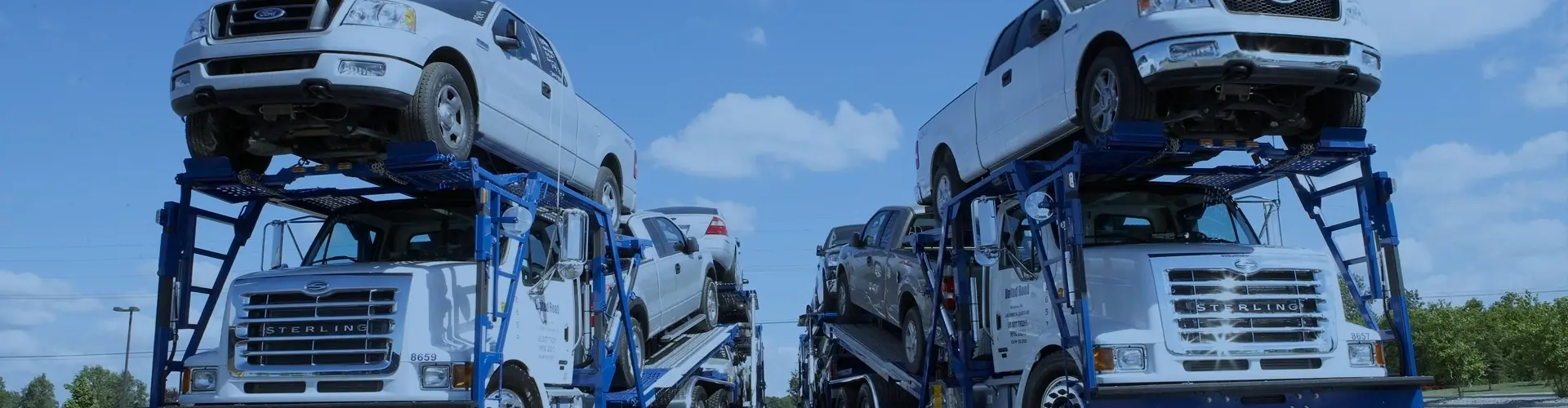
San Francisco to Sacramento Car Shipping Route
San Francisco to Sacramento covers approximately 90 miles. The primary carrier route runs via I-80 East, crossing the Bay Bridge into Oakland, then continuing northeast through Vallejo, Fairfield, and Davis before reaching Sacramento. Because San Francisco's dense street grid, steep grades on streets like Lombard and 17th Avenue, and tight alley access make it difficult for 75-foot multi-car haulers to operate inside the city core, carriers typically stage pickups in the East Bay — Oakland and Berkeley — or in South San Francisco along US-101. From those staging areas, I-80 provides a direct, low-elevation run to Sacramento. Skipping the drive yourself eliminates Bay Bridge toll traffic and wear on your vehicle. See a full breakdown at https://california.auto-transport-shipping.com/articles/benefits-of-auto-transport-service-vs-driving-yourself.html.
Sacramento's demand side is driven by a mix of government, healthcare, education, and military-adjacent employment. The California State Capitol complex and dozens of state agencies employ tens of thousands of workers, many of whom transfer from Bay Area offices. UC Davis, located 15 miles west in Davis, generates consistent student and faculty vehicle moves each September and June. Mather Airport and the former McClellan Air Force Base — now McClellan Park — support ongoing defense contractor and logistics employment. Weather on this corridor is mild year-round, but Sacramento Valley tule fog between November and February can slow carrier transit times by a day. Book with accurate details and avoid common errors outlined at https://california.auto-transport-shipping.com/articles/auto-transport-mistakes-to-avoid.html.
San Francisco to Sacramento Car Shipping Rates
At 90 miles, San Francisco to Sacramento falls in the short-haul tier, where rates per mile are higher than cross-country shipments but total cost stays relatively low. Expect rates to shift upward in June and September when student and academic-year moves spike demand. Fuel costs on I-80 are a baseline factor on every quote; carriers adjust pricing when diesel prices move. Current fuel pricing impacts are detailed at https://california.auto-transport-shipping.com/articles/how-gas-prices-impact-california-auto-transport-fees.html.
What affects the cost of San Francisco to Sacramento car shipping:
- Vehicle type and size — larger vehicles take more carrier space; aftermarket additions like lift kits, oversized mirrors, or roof accessories can add fees
- Open vs. enclosed transport — open is lower cost with stronger carrier availability; enclosed protects against weather, debris, and road conditions
- Standard vs. expedited pickup — expedited prioritizes your vehicle for the next available dispatch, typically at a $100–$300 premium
- Time of year — peak demand seasons drive rates higher; off-peak windows offer the most competitive pricing
- Fuel costs — diesel prices affect carrier rates; longer routes are more sensitive to fuel price swings
- Vehicle condition — non-running vehicles require special loading equipment and cost more to ship
| Vehicle Type | Open Car Shipping (Est.) | Enclosed Car Shipping (Est.) |
|---|---|---|
| Sedan | $350 – $500 | $700 – $950 |
| SUV / Crossover | $400 – $600 | $800 – $1,100 |
| Pickup Truck | $400 – $600 | $800 – $1,100 |
| Minivan | $400 – $600 | $800 – $1,100 |
| Luxury / Classic Car | $500 – $700 | $950 – $1,300 |
| Non-Running Vehicle | Add $100–200 | Add $100–200 |
* Estimated ranges based on recent San Francisco to Sacramento shipments. Actual rate depends on vehicle, locations, booking date, and current fuel costs. Use the form on this page to compare real quotes from licensed carriers.
Open vs. Enclosed: What Actually Makes Sense on This Run
The San Francisco to Sacramento corridor runs entirely on I-80 through low-elevation Central Valley terrain with no mountain passes. Road salt is not a factor, and the route avoids the chain-control zones that affect Sierra Nevada shipments. Open transport is the practical and cost-effective choice for standard vehicles on this run. Enclosed transport is worth the premium if you're moving a classic car, high-end sports car, or a vehicle with existing cosmetic damage you want documented under controlled conditions. For most daily drivers, open carrier is the right call.
How Long Does San Francisco to Sacramento Car Shipping Take?
San Francisco to Sacramento typically completes in one to two days once a carrier is assigned. The driving time for a loaded multi-car hauler on I-80 runs roughly two hours under normal traffic conditions. Carrier assignment from San Francisco staging areas usually takes two to four business days after booking, given the volume of trucks running this lane. If your timeline is compressed — job start date, lease end, contract delivery — expedited options exist. Review what expedited booking actually costs and entails at https://california.auto-transport-shipping.com/articles/california-expedited-car-shipping-fast-cost.html.
| Service Type | Typical Transit | Pickup Window | Best For |
|---|---|---|---|
| Open — Standard | 1–2 days | 1–3 business days | Best value; most common choice on this route |
| Open — Expedited | Same–1 day | Next day–1 business day | Firm arrival date; faster dispatch window |
| Enclosed — Standard | 2–3 days | 2–5 business days | Luxury, classic, or modified vehicles |
| Enclosed — Expedited | 1–2 days | 1–2 business days | High-value vehicles on a firm delivery deadline |
** Tule fog in the Sacramento Valley between late November and early February is the primary transit risk on this route. Visibility can drop to near zero on I-80 between Vacaville and Sacramento, forcing carriers to hold until conditions clear. Budget one extra day during fog season if your delivery window is firm.
San Francisco to Sacramento — Route & Logistics
Carriers serving this route access I-80 East via the Bay Bridge from San Francisco or via I-580 from the East Bay staging areas in Oakland and Berkeley. From I-80, the route runs northeast through Vallejo, Fairfield, and Davis — approximately 90 miles with minimal elevation change — before entering Sacramento from the west.
Key Corridor Waypoints
- Oakland, CA (East Bay Staging) Most carriers operating out of San Francisco stage multi-car haulers in Oakland due to the city's wider industrial streets and freeway access. The West Oakland and Emeryville areas near I-80 and I-580 are common meet points. Carriers pick up here rather than attempting San Francisco's steep grades and narrow residential streets with a loaded trailer.
- Vallejo, CA (I-80 / I-780 Junction) Vallejo marks the point where I-80 clears the Bay Area and opens into the Central Valley. The I-780 junction here connects to Benicia and the Benicia-Martinez Bridge. Carriers sometimes use Vallejo as a secondary staging or driver handoff point on runs that combine Bay Area pickups before continuing northeast toward Sacramento.
- Fairfield, CA (Midpoint / Travis AFB Access) Fairfield sits roughly halfway between Oakland and Sacramento. Travis Air Force Base, one of the largest military air mobility installations in the United States, borders Fairfield to the east. Military PCS moves frequently originate or terminate here, and carriers running this corridor often handle Travis-area pickups on the same load as Bay Area vehicles heading to Sacramento.
- Davis, CA (UC Davis Corridor) Davis is home to UC Davis, a campus of approximately 40,000 students. The I-80 corridor through Davis is a consistent source of vehicle transport demand in September and late May. Carriers recognize Davis as both a delivery destination and a pickup point for students returning vehicles to Bay Area families during summer break.
- Sacramento, CA (Delivery Zone) Sacramento's central and midtown neighborhoods have narrower streets that can limit where a multi-car hauler can legally stop. Carriers typically deliver to open parking areas, wide residential streets, or designated meet points near major roads. The Cal Expo area near Business 80 and the Power Inn Road corridor in East Sacramento are commonly used drop points.
Pickup & Delivery Access
- Pickup Access in San Francisco San Francisco's street grid presents real access problems for multi-car carriers. Steep grades, cable car zones, and residential street widths under 20 feet eliminate most of the city core as viable pickup locations. Carriers typically request that customers meet at accessible points in the Bayview, Potrero Hill, or South San Francisco areas, or arrange East Bay pickup in Oakland or Berkeley near I-80.
- Delivery Access in Sacramento Sacramento's midtown and downtown grids are more carrier-accessible than San Francisco, but older residential neighborhoods near Capitol Park and Land Park have tree canopy and parked-car congestion that complicates maneuvers for long trailers. Carriers generally have no difficulty delivering to East Sacramento, Natomas, or Rancho Cordova. Confirm your delivery address with the carrier in advance to identify any staging needs.
- Nearby Pickup Locations Carriers picking up in San Francisco regularly extend service to Oakland, Berkeley, South San Francisco, and Daly City. Call 1‑800‑590‑6492 to confirm door-to-door availability at your address.
Open vs. Enclosed Car Shipping: San Francisco to Sacramento
Both options use licensed, insured carriers and deliver door to door. For a full breakdown, read the pros and cons of open vs. enclosed car shipping.
Open Car Shipping
Most Popular- Lower cost — the practical choice for most vehicles
- More carriers available on this corridor
- Faster dispatch from booking to pickup
- Works well for sedans, SUVs, trucks, and minivans
- Vehicle rides on an open multi-car carrier
- Cargo insurance required on all licensed carriers
Estimated cost: $350 – $600
Enclosed Car Shipping
Premium Protection- Full protection from weather, debris, and road grime
- Best for luxury, exotic, and classic vehicles
- Recommended for low-clearance and custom-built cars
- Wheel-net or soft-tie systems prevent contact damage
- Higher cargo coverage — commonly $500,000 per load
- White-glove handling by experienced operators
Estimated cost: $700 – $1,100
Not sure which is right for your vehicle? Call 1-800-590-6492 and we'll point you in the right direction. Also worth reading: the top 10 questions to ask any car shipping company before you commit.
How to Prepare Your Car for Shipping to Sacramento
A little prep before pickup protects you if there's ever a dispute about your vehicle's condition. This checklist is from our full guide on preparing your car for transport:
- Remove all personal belongings from the interior and trunk
- Leave only a quarter tank of fuel — enough to load and unload
- Take date-stamped photos of the full exterior and interior
- Remove or disable toll transponders (FasTrak, E-ZPass, etc.)
- Retract or remove roof racks, spoilers, antennas, and bike mounts
- Make sure the battery is charged and tires are properly inflated
- Tell the carrier about any existing leaks or mechanical issues
- Deactivate the car alarm before the carrier arrives
- Write down the mileage on the Bill of Lading at pickup
- Fold in side mirrors if the vehicle is wider than standard
Personal items: Most carriers won't cover belongings left in the car. Read the full rules on shipping personal items in your vehicle. Also review our Bill of Lading guide so you know exactly what to check at pickup and delivery.
When to Ship Your Car from San Francisco to Sacramento
The San Francisco to Sacramento route sees its highest demand in June and September, driven by UC Davis academic-year transitions and state government fiscal-year employee moves. Summer rates typically run 10 to 15 percent above winter pricing. Tule fog between December and February can extend transit times but rarely elevates pricing significantly. Spring and fall represent the best balance of availability and cost on this corridor. Winter shipping considerations are detailed at https://california.auto-transport-shipping.com/articles/auto-transport-challenges-during-the-winter.html.
Spring (March – May)
Spring is a moderate-demand period on this corridor. State government hiring tends to pick up ahead of the new fiscal year in July, generating incremental Bay Area-to-Sacramento moves. Carrier availability is generally good, pricing is stable, and tule fog season is winding down. If you have flexibility, late March through May offers reliable transit windows without the summer pricing premium.
Summer Peak (June – August)
June and July are the busiest months on this route. UC Davis student moves, state agency transfers, and general relocation activity driven by Bay Area housing costs all compress into a short window. Carriers get booked out faster, and rates climb. Book at least two weeks in advance if your move falls between late May and mid-August to secure preferred pickup dates.
Academic Moves (September & January)
UC Davis's fall enrollment — approximately 40,000 students — generates a concentrated wave of vehicle moves in the first two weeks of September. January sees a smaller spike at the start of the winter quarter. If you're moving a student vehicle, avoid booking in the final week of August or first week of September without lead time; carrier slots fill quickly in that window.
Tule Fog Season (November – February)
Tule fog is the primary weather risk on the I-80 corridor between Vacaville and Sacramento. Dense ground fog, sometimes reducing visibility to under 50 feet, causes carriers to delay movement until conditions lift. It does not typically raise rates, but it can add 24 to 48 hours to transit. If delivery timing is critical in winter, discuss this risk with your carrier before booking. See https://california.auto-transport-shipping.com/articles/auto-transport-challenges-during-the-winter.html.
Military PCS Cycles (Year-Round / Peak in Summer)
Travis Air Force Base in Fairfield generates military PCS moves throughout the year, with peak activity in the June-through-August summer PCS season. Carriers running the SF-to-Sacramento lane frequently handle Travis-area pickups and deliveries on the same load. If you're a service member with PCS orders, book well ahead of your report date — summer carrier capacity at Travis fills quickly alongside civilian demand.
How to Choose a San Francisco to Sacramento Car Shipping Company
Getting multiple quotes is step one — knowing what to look for in those quotes matters just as much. Our guide on how to select a car shipping company covers the full process. Here are the six things that matter most:
FMCSA Registration
Every carrier or broker must hold a valid MC number. Verify any company at FMCSA SAFER before you book.
Proof of Insurance
Ask for a current certificate of insurance. Open carriers typically carry $100,000–$250,000 per load; enclosed commonly $500,000 or more. Learn what auto transport insurance covers.
All-In Pricing
Your quote should be a final number with no fees added after booking. Know the difference between brokers and carriers and confirm what the quote covers before you agree.
Bill of Lading
A complete Bill of Lading is filled out at pickup and delivery. Our Bill of Lading guide explains what to check. Never sign an incomplete one.
Real Reviews
Check Google and the BBB. Look at how they handled complaints and damage claims — that tells you more than a five-star average from happy customers.
Route Experience
A carrier who regularly runs San Francisco to Sacramento knows that loading inside San Francisco proper is rarely worth attempting on a full multi-car trailer. The practical move is staging in Oakland — specifically the areas near the I-880 and I-80 interchange — where dock-level streets and industrial blocks allow safe loading without time pressure from traffic enforcement. On the delivery end, experienced drivers know that Sacramento's midtown blocks between J and P Streets have overhead utility wires and tight corners that require spotters on some configurations. Timing matters too: Bay Bridge westbound congestion in the afternoon makes eastbound pickups in Oakland the better operational choice. Carriers who know this route plan accordingly and don't lose hours to access problems that surprise first-timers.
San Francisco to Sacramento Car Shipping — FAQ
How much does it cost to ship a car from San Francisco to Sacramento?
On a 90-mile short-haul run like San Francisco to Sacramento, open transport for a standard sedan typically falls in the $250 to $450 range depending on season and current carrier availability. SUVs, trucks, and non-running vehicles cost more due to size and handling requirements. Rates spike in June, July, and early September when academic and government moves compete for the same carrier space. Enclosed transport runs roughly 40 to 60 percent above open pricing. Fuel costs are embedded in every quote; when diesel prices rise, carriers adjust — the mechanism is explained at https://california.auto-transport-shipping.com/articles/how-gas-prices-impact-california-auto-transport-fees.html. Get a current quote through the form on this page for a number tied to your actual vehicle and dates.
How long does San Francisco to Sacramento car shipping take?
Once a carrier is assigned, the physical move from San Francisco staging areas to Sacramento takes one day — the I-80 drive for a loaded hauler runs roughly two hours under normal traffic conditions. Total time from booking to delivery, including carrier assignment, is typically two to five business days. The San Francisco to Sacramento corridor has high carrier frequency, which keeps assignment times shorter than on less-trafficked routes. If you need faster service, expedited booking is available. Review what expedited shipping actually costs on this corridor at https://california.auto-transport-shipping.com/articles/california-expedited-car-shipping-fast-cost.html. Tule fog in the November-to-February window is the main variable that can push delivery by a day.
Is my car insured during transport from San Francisco to Sacramento?
Every licensed carrier operating in the United States is required by federal law to carry cargo insurance. Your vehicle is covered against damage caused during transit — loading, transport, and unloading. The carrier's policy is primary; your personal auto insurance is not the right instrument for a transport claim. Before pickup, document your vehicle's existing condition thoroughly with photos and confirm the carrier records it on the bill of lading. If damage occurs, you file against the carrier's cargo policy. The full process for understanding what's covered is explained at https://california.auto-transport-shipping.com/articles/understanding-auto-transport-insurance.html, and step-by-step claim instructions are at https://california.auto-transport-shipping.com/articles/how-to-file-a-claim-for-vehicle-damage-during-transport.html.
Should I choose open or enclosed transport for San Francisco to Sacramento?
For most vehicles on this corridor, open transport is the right call. The I-80 route from Oakland to Sacramento is flat, well-maintained, and free of the road salt and chain-control conditions that affect Sierra Nevada shipments. There is no weather-based reason to pay for enclosed on a standard car here. Enclosed makes sense if you're moving a classic, exotic, or high-value vehicle where cosmetic protection and documented handling are worth the premium, or if you have a vehicle with existing paint or body damage you want transported under controlled conditions. A full comparison of both service types is at https://california.auto-transport-shipping.com/articles/open-vs-enclosed-auto-transport-pros-and-cons.html.
Do I have to be present at pickup and delivery?
You do not have to be physically present yourself, but a designated adult must be available at both pickup and delivery to sign the bill of lading. At pickup, that person confirms the pre-transport vehicle condition inspection and signs the initial report. At delivery, they sign the final inspection, which documents any changes in condition that occurred during transport. If you cannot be present, you can authorize a trusted third party — a family member, friend, or property manager — to handle the inspection and signature. Understand what the bill of lading covers and why it matters at https://california.auto-transport-shipping.com/articles/california-auto-transport-bill-of-lading-information.html.
Does tule fog affect car shipping between San Francisco and Sacramento?
Yes, and it is the primary transit risk unique to this corridor in winter. Tule fog forms in the Sacramento Valley between November and February, most commonly in the early morning hours along I-80 between Vacaville and Sacramento. When visibility drops below safe operating thresholds, carriers hold their loads rather than risk a highway incident. This can add 12 to 48 hours to a delivery that would otherwise complete in one day. It does not typically increase your rate, but it can shift your delivery window. If you have a firm delivery deadline in winter, communicate that to your broker and build in a buffer. Details at https://california.auto-transport-shipping.com/articles/auto-transport-challenges-during-the-winter.html.
I'm a service member with PCS orders to or from Travis Air Force Base. How does that affect my booking?
Travis Air Force Base in Fairfield sits directly on the I-80 corridor between San Francisco and Sacramento, which means carriers running this lane often pick up or drop off at Travis on the same load as Bay Area and Sacramento vehicles. That geographic alignment works in your favor — carrier availability near Travis is relatively strong compared to more remote installations. However, summer PCS season from June through August compresses military and civilian demand simultaneously. Book at least three to four weeks ahead of your report date during that window. Confirm that the carrier has base access or can coordinate a gate-adjacent meet point if base access is restricted.
Can I ship a car from San Francisco to Sacramento if the vehicle is not running?
Non-running vehicles can be transported on this route, but you need to disclose the condition when booking. Carriers need to know in advance because loading a non-running vehicle requires a winch and additional labor, which adds cost. A non-running car also limits which equipment can accept it — not every trailer configuration accommodates an inoperable vehicle in the lower deck positions. Expect a surcharge of $100 to $200 above standard pricing. Make sure the vehicle has a functioning steering system and brakes if it will be winched, or communicate any additional limitations to the carrier at booking so they come prepared.
Ready to Ship Your Car from San Francisco to Sacramento?
One form gets you up to 10 free quotes from licensed, insured carriers. Compare costs and transit times and book the best deal for your schedule.