
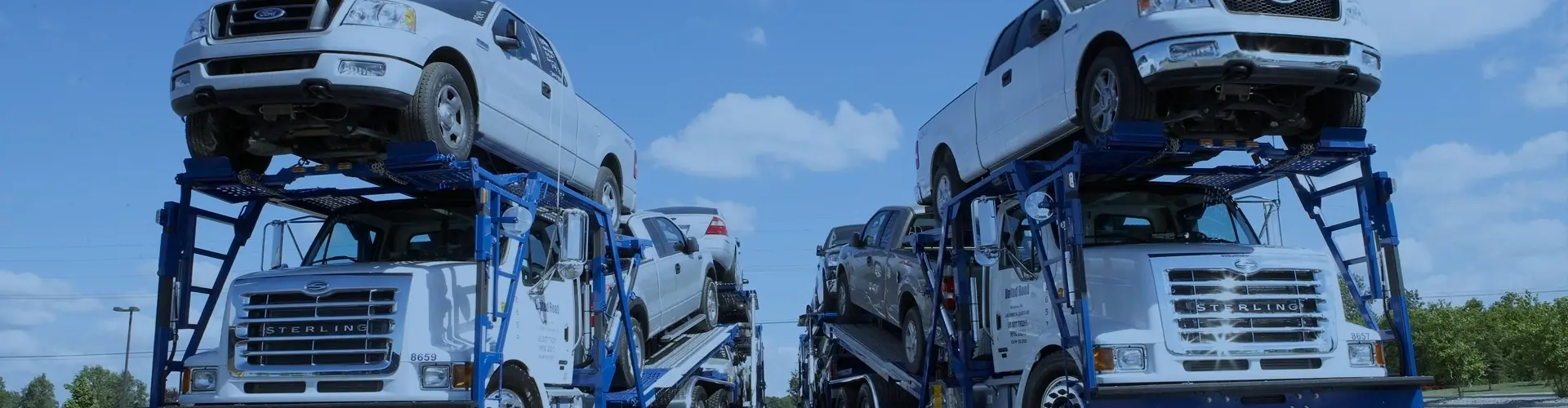
San Francisco to Long Beach Car Shipping Route
San Francisco to Long Beach covers approximately 381 miles depending on the carrier's chosen routing through the Los Angeles Basin. Most carriers access the freeway system from East Bay or South Bay staging points — Oakland, South San Francisco, or Daly City — rather than attempting to load vehicles in San Francisco's dense urban core, where steep grades and narrow streets make multi-car carrier maneuvering difficult. From those staging areas, carriers typically connect to I-280 or US-101 southbound, then merge onto I-5 or CA-99 through the Central Valley for faster movement before re-entering the coast corridor into Long Beach. Shipping your vehicle instead of driving saves wear, mileage depreciation, and fuel costs; details on those savings are covered at https://california.auto-transport-shipping.com/articles/benefits-of-auto-transport-service-vs-driving-yourself.html.
Long Beach demand is driven by several overlapping factors. Naval Weapons Station Seal Beach and Joint Forces Training Base Los Alamitos generate PCS moves throughout the year. Cal State Long Beach enrolls over 37,000 students, creating August and January demand spikes. Major employers including Boeing's Long Beach facility, the Port of Long Beach (one of the busiest container ports in North America), and a large healthcare sector bring corporate relocations onto this corridor regularly. Weather rarely disrupts this route — coastal fog in San Francisco's South Bay staging zones and marine layer in Long Beach are the main atmospheric factors, not snow or ice. Review common booking errors before finalizing your shipment at https://california.auto-transport-shipping.com/articles/auto-transport-mistakes-to-avoid.html.
San Francisco to Long Beach Car Shipping Rates
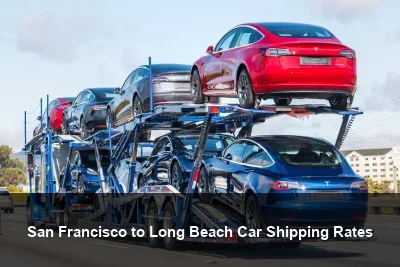
Rates on the San Francisco–Long Beach corridor are influenced by the 381-mile distance (placing it in a mid-range tier), fuel costs along I-5 and US-101, and seasonal demand spikes in late summer when student and military moves peak simultaneously. This is a liquid lane with frequent carrier availability, which prevents the rate inflation common on lower-volume California routes. Diesel price fluctuations directly affect carrier quotes on this corridor; see https://california.auto-transport-shipping.com/articles/how-gas-prices-impact-california-auto-transport-fees.html for how those adjustments are calculated.
What affects the cost of San Francisco to Long Beach car shipping:
- Vehicle type and size — larger vehicles take more carrier space; aftermarket additions like lift kits, oversized mirrors, or roof accessories can add fees
- Open vs. enclosed transport — open is lower cost with stronger carrier availability; enclosed protects against weather, debris, and road conditions
- Standard vs. expedited pickup — expedited prioritizes your vehicle for the next available dispatch, typically at a $100–$300 premium
- Time of year — peak demand seasons drive rates higher; off-peak windows offer the most competitive pricing
- Fuel costs — diesel prices affect carrier rates; longer routes are more sensitive to fuel price swings
- Vehicle condition — non-running vehicles require special loading equipment and cost more to ship
| Vehicle Type | Open Car Shipping (Est.) | Enclosed Car Shipping (Est.) |
|---|---|---|
| Sedan | $350 – $500 | $700 – $950 |
| SUV / Crossover | $400 – $600 | $800 – $1,100 |
| Pickup Truck | $400 – $600 | $800 – $1,100 |
| Minivan | $400 – $600 | $800 – $1,100 |
| Luxury / Classic Car | $500 – $700 | $950 – $1,300 |
| Non-Running Vehicle | Add $100–200 | Add $100–200 |
* Estimated ranges based on recent San Francisco to Long Beach shipments. Actual rate depends on vehicle, locations, booking date, and current fuel costs. Use the form on this page to compare real quotes from licensed carriers.
Open vs. Enclosed: What This Specific Route Requires
Open transport is the practical choice for the majority of vehicles on this San Francisco–Long Beach run. The corridor stays dry most of the year, and carriers running it regularly are experienced with the urban delivery conditions in both metros. Enclosed transport makes sense if you're moving a classic, exotic, or high-value vehicle — the port-adjacent industrial areas in Long Beach occasionally involve light road debris near terminal access roads. Expect enclosed pricing to run 40–60 percent above open on this corridor. For daily drivers and standard vehicles, open is sufficient.
How Long Does San Francisco to Long Beach Car Shipping Take?
San Francisco to Long Beach typically moves in one to two days once a carrier is assigned. The driving distance is roughly 6.5 to 7.5 hours for a single driver, but carriers are running multi-car loads with federal hours-of-service rules, which means a one-night layover en route is common. Carrier assignment on this lane usually happens within one to three business days given the route's volume. If your timeline is tight, expedited options exist — see https://california.auto-transport-shipping.com/articles/california-expedited-car-shipping-fast-cost.html for what that costs and how it works on high-frequency corridors like this one.
| Service Type | Typical Transit | Pickup Window | Best For |
|---|---|---|---|
| Open — Standard | 1–2 days | 1–3 business days | Best value; most common choice on this route |
| Open — Expedited | Same–1 day | Next day–1 business day | Firm arrival date; faster dispatch window |
| Enclosed — Standard | 2–3 days | 2–5 business days | Luxury, classic, or modified vehicles |
| Enclosed — Expedited | 1–2 days | 1–2 business days | High-value vehicles on a firm delivery deadline |
** The most consistent delay factor on this route is Los Angeles Basin traffic, particularly through the I-5 and I-710 interchange near the port. A carrier entering Long Beach during peak afternoon congestion can add two to four hours to a delivery window. Summer weekend beach traffic on US-101 through Ventura County is a secondary delay factor.
San Francisco to Long Beach — Route & Logistics
Carriers on this route typically depart from East Bay or South Bay staging areas, connecting to I-280 or US-101 southbound out of the San Francisco Peninsula. From there, most transition to I-5 south through the Central Valley for efficient mileage, then re-enter the coast-side freeway system through the Los Angeles Basin before reaching Long Beach via the I-710 or I-405.
Key Corridor Waypoints
- South San Francisco / Daly City, CA Carriers staging out of San Francisco most often load vehicles in South San Francisco or Daly City, where flat industrial streets and proximity to I-280 and US-101 make multi-car carrier loading practical. This avoids the grades and tight turns of the SF urban core. Many San Francisco pickups use these areas as the functional departure point for southbound loads.
- San Jose, CA San Jose sits at the convergence of US-101, I-280, and I-680, and it's a common add-on pickup point for carriers building out a full load before heading south. The flat South Bay grid is easy for multi-car equipment. Carriers occasionally make a scheduled stop here to load a second or third vehicle before committing to the I-5 run toward Los Angeles.
- Pacheco Pass / CA-152 Junction, Gilroy, CA Carriers transitioning from US-101 to I-5 southbound pass through Gilroy and the CA-152 connector over Pacheco Pass, elevation approximately 1,368 feet. The grade is manageable but requires speed reduction for loaded multi-car carriers. This interchange marks the effective handoff from the Bay Area coastal corridor to the straight I-5 Central Valley run toward Los Angeles.
- Tejon Pass / Grapevine, CA At roughly 4,160 feet, the Grapevine on I-5 is the highest point on this route and the only segment with meaningful weather risk. In rare winter freezes, CHP closes the grade to commercial vehicles. Loaded carriers are occasionally held at the Lebec truck stop at the base until the grade re-opens. This is the single most common cause of transit delays on this corridor.
- Commerce / I-5 and I-710 Interchange, CA Carriers inbound to Long Beach from I-5 typically transition to I-710 south at the Commerce interchange. The I-710 is the direct port corridor connecting central LA County to the Port of Long Beach. This stretch sees heavy commercial truck traffic and is one of the most congested highway segments in California, particularly mid-morning and mid-afternoon on weekdays.
- Long Beach, CA Carriers access most Long Beach neighborhoods via I-710, I-405, and the surface street grid off Pacific Coast Highway. Port-adjacent areas near Terminal Island and the Westside industrial zone have heavy commercial traffic but are accessible. Residential areas in Belmont Shore and Naples have narrow streets that may require the carrier to stage nearby and use a secondary vehicle for final delivery.
Pickup & Delivery Access
- Pickup Access in San Francisco San Francisco's dense grid, hills, and steep residential streets limit where multi-car carriers can safely load. Carriers serving this city commonly use staging areas in South San Francisco, Daly City, or along the flat industrial corridors near I-80 in the East Bay. If your vehicle is in Pacific Heights, the Mission, or the Sunset, expect the carrier to designate a nearby meet point on flatter, wider streets.
- Delivery Access in Long Beach Long Beach is largely accessible for standard open carriers, but neighborhoods like Belmont Shore, Naples Island, and parts of Signal Hill have narrow residential streets or restricted turns that prevent a full-length multi-car hauler from getting to your door. Carriers typically stage at a nearby commercial lot — a parking lot on Pacific Coast Highway, for example — and arrange final delivery logistics with you directly.
- Nearby Pickup Locations Carriers picking up in San Francisco regularly extend service to Oakland, Berkeley, South San Francisco, and Daly City. Call 1‑800‑590‑6492 to confirm door-to-door availability at your address.
Open vs. Enclosed Car Shipping: San Francisco to Long Beach
Both options use licensed, insured carriers and deliver door to door. For a full breakdown, read the pros and cons of open vs. enclosed car shipping.
Open Car Shipping
Most Popular- Lower cost — the practical choice for most vehicles
- More carriers available on this corridor
- Faster dispatch from booking to pickup
- Works well for sedans, SUVs, trucks, and minivans
- Vehicle rides on an open multi-car carrier
- Cargo insurance required on all licensed carriers
Estimated cost: $350 – $600
Enclosed Car Shipping
Premium Protection- Full protection from weather, debris, and road grime
- Best for luxury, exotic, and classic vehicles
- Recommended for low-clearance and custom-built cars
- Wheel-net or soft-tie systems prevent contact damage
- Higher cargo coverage — commonly $500,000 per load
- White-glove handling by experienced operators
Estimated cost: $700 – $1,100
Not sure which is right for your vehicle? Call 1-800-590-6492 and we'll point you in the right direction. Also worth reading: the top 10 questions to ask any car shipping company before you commit.
How to Prepare Your Car for Shipping to Long Beach
A little prep before pickup protects you if there's ever a dispute about your vehicle's condition. This checklist is from our full guide on preparing your car for transport:
- Remove all personal belongings from the interior and trunk
- Leave only a quarter tank of fuel — enough to load and unload
- Take date-stamped photos of the full exterior and interior
- Remove or disable toll transponders (FasTrak, E-ZPass, etc.)
- Retract or remove roof racks, spoilers, antennas, and bike mounts
- Make sure the battery is charged and tires are properly inflated
- Tell the carrier about any existing leaks or mechanical issues
- Deactivate the car alarm before the carrier arrives
- Write down the mileage on the Bill of Lading at pickup
- Fold in side mirrors if the vehicle is wider than standard
Personal items: Most carriers won't cover belongings left in the car. Read the full rules on shipping personal items in your vehicle. Also review our Bill of Lading guide so you know exactly what to check at pickup and delivery.
When to Ship Your Car from San Francisco to Long Beach
This corridor runs year-round without the hard seasonal shutdowns common in mountain routes, but pricing and availability still shift with the calendar. Summer is the peak demand window, when Cal State Long Beach and USC move students, and military PCS orders spike before the new academic and fiscal year. Fall and winter are generally softer on demand, which can work in a shipper's favor on price. For the limited winter weather risks on this route, see https://california.auto-transport-shipping.com/articles/auto-transport-challenges-during-the-winter.html.
Summer Student Surge (June–August)
Cal State Long Beach (37,000+ students) and USC drive a concentrated surge in vehicle shipments from the Bay Area during late July and August. Carrier capacity tightens as demand peaks, and quotes can rise 10–15 percent over spring rates. If you're moving a student vehicle for fall semester, book three to four weeks ahead to lock in current pricing and avoid last-minute premium rates.
Spring and Fall Sweet Spot (March–May, September–November)
Shoulder seasons offer the best combination of carrier availability and competitive pricing on this lane. Demand eases after summer moves and before holiday shipping, and the weather along the full corridor — coastal fog aside — is stable. If your move date is flexible, targeting these windows typically yields the lowest rates and fastest carrier assignment times of the calendar year.
Winter Grapevine Risk (December–February)
The I-5 Grapevine over Tejon Pass can ice over or receive snow in winter storms, causing CHP to close the grade to commercial vehicles. These closures are usually short — 4 to 18 hours — but can add a day to transit. Carriers often stage at Lebec or reroute via CA-58 to US-101 when the grade is closed. Build an extra buffer into your delivery window if shipping in winter months.
Military PCS Season (April–July)
Joint Forces Training Base Los Alamitos and Naval Weapons Station Seal Beach both generate PCS orders concentrated in spring and early summer, the traditional government move window. Southbound military vehicle shipments from Bay Area installations — including those near Travis Air Force Base — add load to this corridor during May and June. If you have PCS orders, book early; carriers prioritize confirmed move dates.
Holiday Shipping (November–December)
The two weeks before Thanksgiving and Christmas see a spike in requests as people relocate before year-end. Port of Long Beach activity also surges with import volume in November, adding commercial competition for carrier capacity into the Long Beach area. If you're targeting a December delivery, submit your order by early November to avoid compressed timelines and potential premium pricing on expedited bookings.
How to Choose a San Francisco to Long Beach Car Shipping Company
Getting multiple quotes is step one — knowing what to look for in those quotes matters just as much. Our guide on how to select a car shipping company covers the full process. Here are the six things that matter most:
FMCSA Registration
Every carrier or broker must hold a valid MC number. Verify any company at FMCSA SAFER before you book.
Proof of Insurance
Ask for a current certificate of insurance. Open carriers typically carry $100,000–$250,000 per load; enclosed commonly $500,000 or more. Learn what auto transport insurance covers.
All-In Pricing
Your quote should be a final number with no fees added after booking. Know the difference between brokers and carriers and confirm what the quote covers before you agree.
Bill of Lading
A complete Bill of Lading is filled out at pickup and delivery. Our Bill of Lading guide explains what to check. Never sign an incomplete one.
Real Reviews
Check Google and the BBB. Look at how they handled complaints and damage claims — that tells you more than a five-star average from happy customers.
Route Experience
A carrier who regularly runs San Francisco to Long Beach knows that loading in the city proper is usually impractical and builds South San Francisco or Daly City into their dispatch plan from the start. They know the Grapevine's weather patterns well enough to time their departure from the Bay Area to clear the grade before an incoming Pacific storm or to hold in Bakersfield rather than risk a CHP closure on a loaded truck. They know the I-710 approaching Long Beach backs up badly on weekday afternoons and plan arrivals for morning windows. They know that Belmont Shore and Naples Island deliveries require a staging call with the customer, and they make that call the day before rather than arriving with no plan. That operational knowledge is what separates a carrier who runs this lane daily from one who's filling a one-off load.
San Francisco to Long Beach Car Shipping — FAQ
How much does it cost to ship a car from San Francisco to Long Beach?
On this 381-mile corridor, open transport for a standard sedan typically runs between $350 and $550, depending on carrier availability, fuel prices at booking time, and the time of year. SUVs and trucks cost more due to size and weight. Enclosed transport adds 40–60 percent. Summer months — particularly July and August — see higher rates due to student and military move demand. Rates on this lane are generally competitive because carrier frequency is high and loads move in both directions, limiting deadhead costs that often inflate pricing on one-way corridors.
How long does San Francisco to Long Beach car shipping take?
Once a carrier is assigned, transit typically takes one to two days. The driving time for the 381-mile route is roughly 6.5 to 7.5 hours under normal conditions, but multi-car carriers operate under federal hours-of-service limits and carry multiple vehicles with staggered pickup and delivery stops, so a one-night layover is common. Carrier assignment usually takes one to three business days on this high-frequency lane. The main delay variable is the I-5 Grapevine in winter, where closures can add a day. For faster options, see https://california.auto-transport-shipping.com/articles/california-expedited-car-shipping-fast-cost.html.
Is my car insured during transport from San Francisco to Long Beach?
Every licensed carrier is required by federal law to carry cargo insurance that covers your vehicle while it's loaded on their trailer. Before your vehicle is picked up, you and the carrier complete a bill of lading documenting the vehicle's pre-transport condition with written notes and photos. That document is the baseline for any damage claim. Review the policy limits and exclusions with the carrier before signing. For a full explanation of how coverage works, see https://california.auto-transport-shipping.com/articles/understanding-auto-transport-insurance.html. If you ever need to file a claim, the process is documented at https://california.auto-transport-shipping.com/articles/how-to-file-a-claim-for-vehicle-damage-during-transport.html.
Should I choose open or enclosed transport for this route?
Open transport is appropriate for the large majority of vehicles on this corridor. The San Francisco–Long Beach route stays dry most of the year, there are no mountain weather hazards under normal conditions, and open carriers run it constantly. Enclosed transport is worth the premium if you're shipping a classic car, a luxury vehicle over $80,000, or a low-clearance exotic where road debris near the Port of Long Beach's industrial access roads presents real risk. For a detailed breakdown of the tradeoffs, see https://california.auto-transport-shipping.com/articles/open-vs-enclosed-auto-transport-pros-and-cons.html.
Do I have to be present at pickup and delivery?
You or a designated representative must be present at both pickup and delivery to complete the bill of lading. At pickup, you and the carrier inspect the vehicle together and document its condition in writing before it's loaded. At delivery, you inspect it again and sign off that it arrived as expected — or note any discrepancies on the delivery receipt before the carrier leaves. You can designate a trusted person to handle either end if you can't be there yourself. Understand what you're signing at both points; details are at https://california.auto-transport-shipping.com/articles/california-auto-transport-bill-of-lading-information.html.
Can carriers actually load vehicles in San Francisco, or do I have to meet somewhere else?
Most multi-car carriers cannot safely navigate San Francisco's steeper residential streets, and some commercial streets in SoMa, the Mission, and the Richmond are too narrow for a full-length hauler to turn around. Carriers serving San Francisco typically designate a meet point in a flat, accessible area — often near the I-280 on-ramp in Daly City, the industrial streets of South San Francisco, or a large parking lot in the city's flatter commercial zones. When you book, confirm the specific pickup logistics with your carrier. Plan for a short drive to a staging area rather than expecting door-to-door loading.
Does the Port of Long Beach affect vehicle delivery timing or access?
The Port of Long Beach is one of the busiest cargo ports in North America, and its activity directly affects traffic on the I-710 freeway, which is the primary carrier approach into Long Beach. Heavy container truck traffic on I-710 slows mid-morning and mid-afternoon on weekdays, and carriers delivering to the Long Beach area often time their approach to avoid peak congestion windows. If your delivery address is near Terminal Island or the Westside industrial corridor, the carrier may stage briefly and call you for final coordination rather than attempting a direct approach during high-traffic periods.
Is there a cheaper time of year to ship a car on this route?
Yes. The lowest-rate windows on the San Francisco–Long Beach corridor are typically March through May and September through November. Demand drops after the summer student and military move season ends, and carrier availability is relatively high through the fall. Avoiding the July–August peak can save you 10–20 percent compared to peak-season quotes. Winter rates are moderate, but if you're shipping in December through February, budget for the possibility of a short delay if the I-5 Grapevine closes due to snow or ice, and factor that into your timeline.
Ready to Ship Your Car from San Francisco to Long Beach?
One form gets you up to 10 free quotes from licensed, insured carriers. Compare costs and transit times and book the best deal for your schedule.