
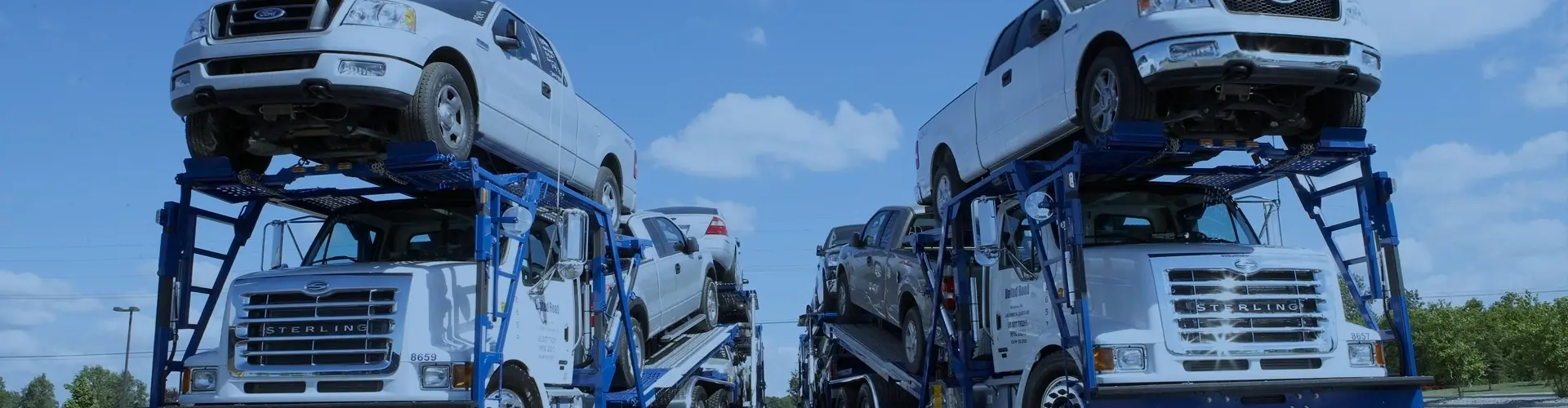
San Francisco to Houston Car Shipping Route
San Francisco to Houston covers approximately 1,912 miles by road. Carriers serving this route access US-101 south toward San Jose, I-280 through the Peninsula, or stage out of Oakland and Berkeley via I-80 east to avoid San Francisco's famously constrained street grid and grades that reach 20–31% in neighborhoods like Nob Hill and Twin Peaks. From the East Bay, carriers connect to I-580 and then I-5 south through the Central Valley, or take I-80 east to I-15 and eventually I-10. The dominant carrier path runs I-10 east from Southern California through Phoenix, Tucson, El Paso, San Antonio, and into Houston. Shipping saves roughly 1,900 miles of wear on your vehicle. For a detailed comparison, see the benefits of auto transport versus driving yourself at https://california.auto-transport-shipping.com/articles/benefits-of-auto-transport-service-vs-driving-yourself.html.
Houston is the fourth-largest city in the United States and generates relocation demand from multiple sectors simultaneously. Ellington Field Joint Reserve Base and Naval Air Station Corpus Christi (a common adjacent assignment) drive PCS moves. The Texas Medical Center — the world's largest medical complex — draws physicians, researchers, and staff from California university hospitals including UCSF Medical Center. Major energy employers including Schlumberger, Halliburton, and Shell's U.S. headquarters relocate personnel from Bay Area offices regularly. Seasonal demand spikes in late spring and summer align with PCS orders and university hiring cycles. The I-10 corridor through West Texas can experience extreme heat in July and August, which affects open carrier schedules. Before you book, review common auto transport mistakes to avoid at https://california.auto-transport-shipping.com/articles/auto-transport-mistakes-to-avoid.html.
San Francisco to Houston Car Shipping Rates
Rates on the San Francisco–Houston corridor are primarily driven by the 1,912-mile distance, which puts this in the long-haul pricing tier. Fuel costs on the I-10 Southwest corridor are significant; for context on how diesel prices affect your quote, see https://california.auto-transport-shipping.com/articles/how-gas-prices-impact-california-auto-transport-fees.html. Demand peaks in May through August due to PCS season and university relocations, which pushes rates up 10–20% versus the October–February window. Rates also tick up slightly when extreme heat in West Texas forces carriers to adjust loading weight or scheduling.
What affects the cost of San Francisco to Houston car shipping:
- Vehicle type and size — larger vehicles take more carrier space; aftermarket additions like lift kits, oversized mirrors, or roof accessories can add fees
- Open vs. enclosed transport — open is lower cost with stronger carrier availability; enclosed protects against weather, debris, and road conditions
- Standard vs. expedited pickup — expedited prioritizes your vehicle for the next available dispatch, typically at a $100–$300 premium
- Time of year — peak demand seasons drive rates higher; off-peak windows offer the most competitive pricing
- Fuel costs — diesel prices affect carrier rates; longer routes are more sensitive to fuel price swings
- Vehicle condition — non-running vehicles require special loading equipment and cost more to ship
| Vehicle Type | Open Car Shipping (Est.) | Enclosed Car Shipping (Est.) |
|---|---|---|
| Sedan | $1,100 – $1,600 | $1,900 – $2,700 |
| SUV / Crossover | $1,300 – $1,900 | $2,200 – $3,100 |
| Pickup Truck | $1,300 – $1,950 | $2,200 – $3,150 |
| Minivan | $1,300 – $1,900 | $2,200 – $3,100 |
| Luxury / Classic Car | $1,550 – $2,200 | $2,600 – $3,600 |
| Non-Running Vehicle | Add $200–400 | Add $200–400 |
* Estimated ranges based on recent San Francisco to Houston shipments. Actual rate depends on vehicle, locations, booking date, and current fuel costs. Use the form on this page to compare real quotes from licensed carriers.
Open vs. Enclosed: What This Corridor Actually Requires
The I-10 route through Arizona and West Texas exposes vehicles to road debris, blowing sand, and sustained summer heat that can reach 115°F in the desert sections. For standard vehicles — sedans, SUVs, daily drivers — open transport is fine and used by the overwhelming majority of shippers on this lane. If you're moving a classic car, a low-clearance exotic, or a vehicle with fresh paint work, enclosed is worth the premium. The desert sections between Tucson and El Paso are the main exposure point; enclosed eliminates that concern entirely.
How Long Does San Francisco to Houston Car Shipping Take?
Standard transit on the San Francisco–Houston corridor runs 5 to 8 days from confirmed pickup. Carrier frequency on this lane is solid — multiple carriers run the I-10 Southwest route weekly, which keeps scheduling windows tight. The driving distance alone is roughly 28–30 hours, and carriers operate under federal HOS regulations capping daily driving at 11 hours, which means a minimum of 3 driving days plus loading, unloading, and any intermediate stops. If your move is time-sensitive, expedited options can compress this window; see https://california.auto-transport-shipping.com/articles/california-expedited-car-shipping-fast-cost.html for how expedited shipping works on long-haul corridors.
| Service Type | Typical Transit | Pickup Window | Best For |
|---|---|---|---|
| Open — Standard | 7–10 days | 2–5 business days | Best value; most common choice on this route |
| Open — Expedited | 5–7 days | 1–2 business days | Firm arrival date; faster dispatch window |
| Enclosed — Standard | 7–10 days | 4–8 business days | Luxury, classic, or modified vehicles |
| Enclosed — Expedited | 5–7 days | 2–4 business days | High-value vehicles on a firm delivery deadline |
** Summer heat in West Texas between El Paso and San Antonio can force carriers to adjust departure times to avoid peak afternoon temperatures, occasionally adding a partial day to transit. Dust storms near Lordsburg, NM and Deming, NM between July and September are the most common weather-related delay factor on this specific corridor.
San Francisco to Houston — Route & Logistics
Carriers on this route exit the San Francisco Bay Area via I-80 eastbound from Oakland or US-101 south through the Peninsula, then pick up I-5 south through the Central Valley or I-15 south to connect with I-10 eastbound at either Indio or the greater Los Angeles interchange. I-10 is the primary carrier highway for the remaining 1,400-plus miles into Houston.
Key Corridor Waypoints
- Oakland / East Bay, CA Most carriers stage pickups in Oakland or the broader East Bay rather than central San Francisco. The Port of Oakland area and industrial zones near I-880 give multi-car haulers room to load without navigating SF's 20–31% grades or permit-restricted neighborhoods. Berkeley and Emeryville are also common meet points. I-80 east or I-580 south provide clean carrier access onward.
- Bakersfield, CA Bakersfield sits at the southern end of the Central Valley on I-5 and serves as a natural first overnight or fuel stop for carriers heading south. From here, carriers typically transition to CA-58 east toward Barstow or continue on I-5 to Los Angeles before picking up I-10 east. Elevation drops below 500 feet; heat becomes a factor from this point south in summer.
- Tucson, AZ Tucson marks the midpoint of the I-10 desert stretch. Arizona Department of Transportation operates weigh stations near Benson, east of Tucson, where carriers stop for inspection. Elevation here is approximately 2,400 feet. East of Tucson, the route enters the high desert corridor through Willcox and Lordsburg — a section prone to dust storms and high crosswinds from July through September.
- El Paso, TX El Paso is the major fuel, inspection, and rest stop where carriers cross from New Mexico into Texas on I-10. Elevation is 3,740 feet. The city sits at the intersection of I-10 and I-25, making it a common load-transfer or relay point for carriers running partial Texas legs. Summer temperatures here regularly exceed 105°F, affecting scheduling for open carriers loaded with vehicles.
- San Antonio, TX San Antonio is the last major urban stop before Houston on I-10. Joint Base San Antonio — the largest military installation complex in the United States, incorporating Lackland AFB, Fort Sam Houston, and Randolph AFB — generates steady inbound PCS traffic from California, making this a frequent partial unload point. Carriers completing San Antonio deliveries often reload here before the final 200-mile run to Houston.
- Houston, TX I-10 enters Houston from the west, connecting to the I-610 Loop and I-69/US-59 for distribution across the metro. The Texas Medical Center and Greenway Plaza corridors are carrier-accessible. Heights, Montrose, and the Inner Loop have narrow streets requiring staging at nearby lots. Sugar Land, Katy, and The Woodlands are straightforward suburban delivery zones with good carrier access.
Pickup & Delivery Access
- Pickup Access in San Francisco San Francisco's street grid, 20–31% grades in Nob Hill and Twin Peaks, and commercial vehicle restrictions in the Financial District make direct carrier pickup difficult. Most carriers ask you to meet at a staging point: IKEA Emeryville off I-80, industrial areas near the Port of Oakland on I-880, or a flat commercial lot in South San Francisco or Daly City off US-101 are the most common options.
- Delivery Access in Houston Houston's western and northern suburbs — Katy, Sugar Land, Pearland, and The Woodlands — are straightforward carrier delivery zones with wide streets and commercial lot access. Inside the I-610 Loop, some neighborhoods including Montrose, the Heights, and Midtown have parking constraints that require you to meet the carrier on a nearby main road or in a retail parking lot rather than at your door.
- Nearby Pickup Locations Carriers picking up in San Francisco regularly extend service to Oakland, Berkeley, South San Francisco, and Daly City. Call 1‑800‑590‑6492 to confirm door-to-door availability at your address.
Open vs. Enclosed Car Shipping: San Francisco to Houston
Both options use licensed, insured carriers and deliver door to door. For a full breakdown, read the pros and cons of open vs. enclosed car shipping.
Open Car Shipping
Most Popular- Lower cost — the practical choice for most vehicles
- More carriers available on this corridor
- Faster dispatch from booking to pickup
- Works well for sedans, SUVs, trucks, and minivans
- Vehicle rides on an open multi-car carrier
- Cargo insurance required on all licensed carriers
Estimated cost: $1,100 – $1,950
Enclosed Car Shipping
Premium Protection- Full protection from weather, debris, and road grime
- Best for luxury, exotic, and classic vehicles
- Recommended for low-clearance and custom-built cars
- Wheel-net or soft-tie systems prevent contact damage
- Higher cargo coverage — commonly $500,000 per load
- White-glove handling by experienced operators
Estimated cost: $1,900 – $3,150
Not sure which is right for your vehicle? Call 1-800-590-6492 and we'll point you in the right direction. Also worth reading: the top 10 questions to ask any car shipping company before you commit.
How to Prepare Your Car for Shipping to Houston
A little prep before pickup protects you if there's ever a dispute about your vehicle's condition. This checklist is from our full guide on preparing your car for transport:
- Remove all personal belongings from the interior and trunk
- Leave only a quarter tank of fuel — enough to load and unload
- Take date-stamped photos of the full exterior and interior
- Remove or disable toll transponders (FasTrak, E-ZPass, etc.)
- Retract or remove roof racks, spoilers, antennas, and bike mounts
- Make sure the battery is charged and tires are properly inflated
- Tell the carrier about any existing leaks or mechanical issues
- Deactivate the car alarm before the carrier arrives
- Write down the mileage on the Bill of Lading at pickup
- Fold in side mirrors if the vehicle is wider than standard
Personal items: Most carriers won't cover belongings left in the car. Read the full rules on shipping personal items in your vehicle. Also review our Bill of Lading guide so you know exactly what to check at pickup and delivery.
When to Ship Your Car from San Francisco to Houston
This corridor sees its highest demand and prices from May through August, driven by military PCS orders, university hiring, and general summer relocation activity. Winter pricing is softer, but the I-10 desert route through New Mexico and West Texas occasionally sees ice and snow at elevation from December through February, which can affect transit times. For a detailed look at how winter conditions affect auto transport scheduling, see https://california.auto-transport-shipping.com/articles/auto-transport-challenges-during-the-winter.html.
Spring PCS Season (March–May)
Military PCS orders issued in spring for Joint Base San Antonio, Fort Cavazos, and Ellington Field drive a sharp increase in California-to-Texas bookings starting in March. Carrier capacity tightens by late April. If you have PCS orders with a June report date, book 3–4 weeks ahead. Rates in this window are 10–15% above the winter baseline. Confirm your pickup date as early as your orders are finalized.
Summer Peak (June–August)
The highest demand period on this lane. University faculty and staff relocating to Rice University, University of Houston, and Texas A&M Medical School, combined with ongoing PCS volume, keep carriers consistently loaded. Expect 5–10 day pickup lead times and peak-season pricing. The I-10 desert section sees temperatures above 110°F; open carriers handle this routinely, but scheduling often shifts to early morning departures through Arizona and West Texas.
Fall Shoulder (September–November)
Demand drops after Labor Day and pricing softens 10–20% from summer peaks. Weather through the desert corridor improves significantly once October arrives — dust storm season winds down and temperatures drop to manageable levels. This is generally the best combination of price and transit predictability on this route. Pickup windows tighten slightly again in late November as carriers reallocate for snowbird routes to Florida and Arizona.
Winter Corridor Conditions (December–February)
The I-10 route through New Mexico and West Texas sits at 4,000–5,000 feet elevation in sections. Snow and ice events occur several times each winter at Lordsburg, Deming, and the stretch between Las Cruces and El Paso. These closures typically last 12–24 hours but can add a day to transit. Book winter shipments with flexible delivery windows. See auto transport challenges during winter at https://california.auto-transport-shipping.com/articles/auto-transport-challenges-during-the-winter.html.
Military PCS Cycles (Year-Round)
Joint Base San Antonio is one of the largest military installation complexes in the U.S. PCS orders with Texas as the gaining installation arrive year-round, not just in summer. If you are a service member with orders, your military car shipping entitlements may cover part of the cost, but private transport is often faster and more schedule-flexible than PCM options. Book as soon as orders are in hand — this demand segment competes directly with civilian relocation volume.
Student & Academic Moves (July–August)
Graduate programs at Rice University, the University of Houston, Baylor College of Medicine, and UT Health Science Center at Houston draw students and researchers from Bay Area institutions including UCSF, UC Berkeley, and Stanford. August is the single busiest week for student-driven bookings on this lane. If you are moving for a program starting in mid-August, submit your quote request no later than the first week of July to secure a pickup window.
How to Choose a San Francisco to Houston Car Shipping Company
Getting multiple quotes is step one — knowing what to look for in those quotes matters just as much. Our guide on how to select a car shipping company covers the full process. Here are the six things that matter most:
FMCSA Registration
Every carrier or broker must hold a valid MC number. Verify any company at FMCSA SAFER before you book.
Proof of Insurance
Ask for a current certificate of insurance. Open carriers typically carry $100,000–$250,000 per load; enclosed commonly $500,000 or more. Learn what auto transport insurance covers.
All-In Pricing
Your quote should be a final number with no fees added after booking. Know the difference between brokers and carriers and confirm what the quote covers before you agree.
Bill of Lading
A complete Bill of Lading is filled out at pickup and delivery. Our Bill of Lading guide explains what to check. Never sign an incomplete one.
Real Reviews
Check Google and the BBB. Look at how they handled complaints and damage claims — that tells you more than a five-star average from happy customers.
Route Experience
A carrier who runs the San Francisco–Houston lane regularly knows to stage Bay Area pickups in Oakland or Emeryville rather than attempting SOMA or the Mission District with a 9-car hauler. They know the Benson, AZ weigh station backs up on Monday mornings and plan El Paso fuel stops at truck stops on the east side of the city to avoid the I-10/I-25 interchange congestion during shift changes at Fort Bliss. They know that the West Texas stretch between Fort Stockton and San Antonio has limited breakdown services, so mechanical checks happen in El Paso before committing to that leg. On the Houston end, they know the Katy Freeway (I-10) westside access is easier for staging than trying to navigate near the Texas Medical Center during weekday hours.
San Francisco to Houston Car Shipping — FAQ
How much does it cost to ship a car from San Francisco to Houston?
On the San Francisco–Houston corridor, standard open transport for a sedan or SUV typically runs between $1,050 and $1,450 depending on the time of year, fuel prices, and how quickly you need pickup. Enclosed transport runs $1,600 to $2,200 for the same vehicle class. Trucks, large SUVs, and lifted vehicles cost more due to weight and space. Summer rates (June–August) and spring PCS season (March–May) are consistently higher than fall and winter pricing. The quote form on this page pulls current carrier availability and gives you a real number based on your specific vehicle and dates.
How long does San Francisco to Houston car shipping take?
Transit time from confirmed pickup runs 5 to 8 days on this route. The 1,912-mile driving distance requires a minimum of 3 carrier driving days under federal HOS rules, plus time for loading, intermediate stops, and unloading. Carrier frequency on the I-10 Southwest corridor is solid, so pickup windows are typically available within 1 to 5 business days of your requested date. Summer months and PCS season can stretch the pickup window slightly. If you have a firm delivery deadline, expedited options exist — see https://california.auto-transport-shipping.com/articles/california-expedited-car-shipping-fast-cost.html for how that works on long-haul routes.
Is my car insured during transport from San Francisco to Houston?
Every licensed carrier operating on this route is required by FMCSA to carry cargo insurance. That coverage applies to your vehicle while it is loaded on the trailer. Before pickup, walk around your vehicle with the driver and document its current condition on the Bill of Lading — photograph all four sides, the roof, and any existing scratches or dents. If damage occurs during transport, that documentation is what supports your claim. For a full explanation of how carrier insurance works, see https://california.auto-transport-shipping.com/articles/understanding-auto-transport-insurance.html. If you need to file a claim, the process is outlined at https://california.auto-transport-shipping.com/articles/how-to-file-a-claim-for-vehicle-damage-during-transport.html.
Should I choose open or enclosed transport for the San Francisco to Houston route?
The I-10 corridor through Arizona and West Texas is a high-heat, high-dust environment. Open transport is what the vast majority of shippers use on this lane and it works fine for standard vehicles. The real exposure is the desert section between Tucson and El Paso, where blowing sand and road debris are most likely to cause minor surface contact. If you're shipping a classic car, a low-clearance exotic, a show car, or a vehicle with a recent custom paint job, enclosed is the right call. For the full comparison of open versus enclosed on long-haul routes, see https://california.auto-transport-shipping.com/articles/open-vs-enclosed-auto-transport-pros-and-cons.html.
Do I have to be present at pickup and delivery?
You or an authorized representative must be present at both pickup and delivery to sign the Bill of Lading. This document records the vehicle's condition at pickup and is your evidence baseline if any damage claim arises during the 1,912-mile transport. If you cannot be present personally, a trusted adult — family member, colleague, or property manager — can sign on your behalf as long as you authorize them in advance with your carrier. For a full explanation of what the Bill of Lading covers and what to check before signing at delivery, see https://california.auto-transport-shipping.com/articles/california-auto-transport-bill-of-lading-information.html.
Does the I-10 route through West Texas cause weather delays in winter?
Yes, occasionally. The I-10 corridor through New Mexico and far West Texas runs at 4,000–5,000 feet elevation between Las Cruces and El Paso. Ice and snow events occur several times each winter, typically between December and February, and can close I-10 for 12 to 36 hours. When that happens, carriers hold at El Paso or Tucson until the route reopens. If you're shipping between December and February, build a 1–2 day buffer into your expected delivery window. Snow events at this elevation are shorter in duration than northern mountain passes but they do happen.
I have military PCS orders to Joint Base San Antonio. Can I ship my car through San Francisco?
Yes, and this is one of the more common scenarios on this corridor. Joint Base San Antonio — which includes Lackland AFB, Fort Sam Houston, and Randolph AFB — is one of the largest gaining installations for PCS moves from California. Carriers running San Francisco to San Antonio deliver directly to the metro area, and delivery in San Antonio is often completed en route before the carrier continues to Houston. Book as soon as your orders are finalized. Spring and early summer are peak PCS booking periods on this lane, and pickup windows compress quickly from April through June.
Can carriers pick up directly at my San Francisco address?
Possibly, but not always. San Francisco's street grades — reaching 20–31% in Nob Hill, Russian Hill, and Twin Peaks — and commercial vehicle restrictions in neighborhoods like the Financial District, Castro, and SOMA make direct pickup difficult for multi-car haulers. The carrier will assess your specific address when you book. If direct access isn't feasible, the most common solution is to meet at a staging point: the IKEA Emeryville lot off I-80, industrial areas near the Port of Oakland on I-880, or flat commercial lots in South San Francisco or Daly City off US-101. This adds minimal time and no cost to your shipment.
Ready to Ship Your Car from San Francisco to Houston?
One form gets you up to 10 free quotes from licensed, insured carriers. Compare costs and transit times and book the best deal for your schedule.