
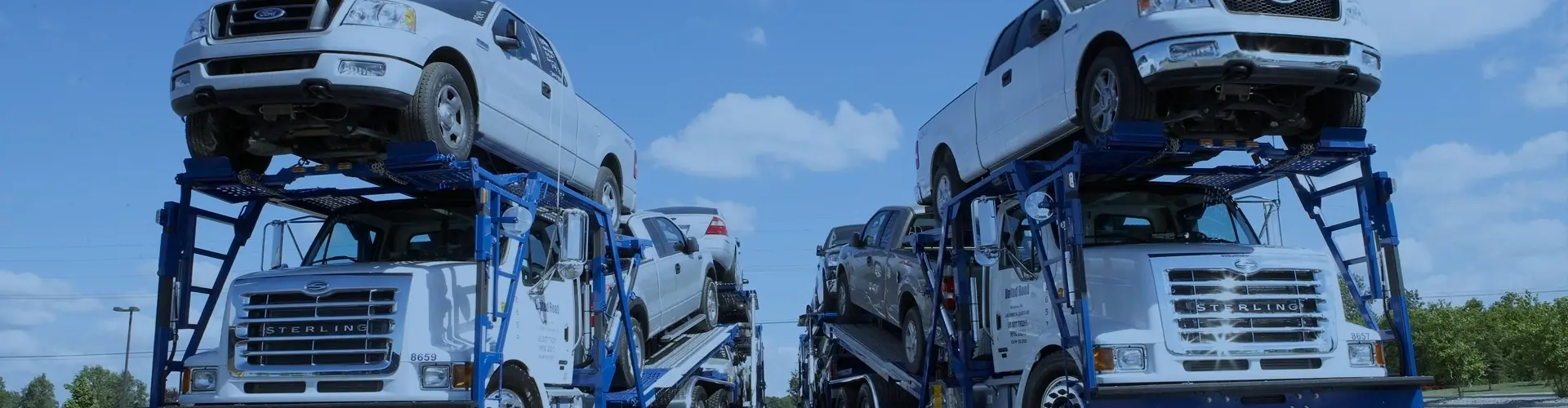
Glendale to Portland Car Shipping Route
The Glendale to Portland route covers approximately 1,087 miles, with I-5 North serving as the primary carrier artery for nearly the entire run. Carriers access I-5 from Glendale via the I-210 westbound to the I-5 interchange near Burbank, or through SR-2 connecting to the downtown LA freeway grid. From that on-ramp the route stays on I-5 through the San Fernando Valley, past the Tejon Pass at 4,144 feet, through the Central Valley, across the Oregon border, and into Portland. Driving this yourself takes roughly 17 to 18 hours across two days. Shipping saves that time and wear. For a full breakdown of the cost-benefit, see https://california.auto-transport-shipping.com/articles/benefits-of-auto-transport-service-vs-driving-yourself.html
Portland's inbound transport demand is driven by a dense concentration of major employers and institutions. Intel operates one of its largest chip fabrication campuses in Hillsboro, drawing consistent engineer relocations. Nike is headquartered in Beaverton. Oregon Health & Science University and Portland State University generate student and faculty vehicle shipments every August and January. Military PCS orders connected to Joint Base Lewis-McChord, roughly 150 miles north, often route through Portland. Seasonally, the Siskiyou Pass on the California-Oregon border — elevation 4,310 feet — can accumulate snow and ice from November through March, which may add transit time or require chain controls. Plan your booking timeline accordingly and review https://california.auto-transport-shipping.com/articles/auto-transport-mistakes-to-avoid.html before you finalize.
Glendale to Portland Car Shipping Rates

Rates on the Glendale to Portland corridor reflect a long-haul distance tier — over 1,000 miles — which generally means per-mile costs are lower than shorter runs but the base price is higher. Summer months see a demand spike from student relocations and PCS orders. Winter can push rates up modestly when Siskiyou Pass weather forces carriers to slow down or reroute, adding operating costs. Fuel is a direct pricing input on a run this long; see https://california.auto-transport-shipping.com/articles/how-gas-prices-impact-california-auto-transport-fees.html for how fuel price fluctuations affect what you pay.
What affects the cost of Glendale to Portland car shipping:
- Vehicle type and size — larger vehicles take more carrier space; aftermarket additions like lift kits, oversized mirrors, or roof accessories can add fees
- Open vs. enclosed transport — open is lower cost with stronger carrier availability; enclosed protects against weather, debris, and road conditions
- Standard vs. expedited pickup — expedited prioritizes your vehicle for the next available dispatch, typically at a $100–$300 premium
- Time of year — peak demand seasons drive rates higher; off-peak windows offer the most competitive pricing
- Fuel costs — diesel prices affect carrier rates; longer routes are more sensitive to fuel price swings
- Vehicle condition — non-running vehicles require special loading equipment and cost more to ship
| Vehicle Type | Open Car Shipping (Est.) | Enclosed Car Shipping (Est.) |
|---|---|---|
| Sedan | $750 – $1,000 | $1,350 – $1,750 |
| SUV / Crossover | $900 – $1,150 | $1,550 – $2,000 |
| Pickup Truck | $900 – $1,200 | $1,550 – $2,100 |
| Minivan | $900 – $1,150 | $1,550 – $2,000 |
| Luxury / Classic Car | $1,050 – $1,400 | $1,850 – $2,350 |
| Non-Running Vehicle | Add $150–300 | Add $150–300 |
* Estimated ranges based on recent Glendale to Portland shipments. Actual rate depends on vehicle, locations, booking date, and current fuel costs. Use the form on this page to compare real quotes from licensed carriers.
Open vs. Enclosed on the I-5 Pacific Northwest Corridor
Open transport is the right call for most standard vehicles on this route. The I-5 corridor is well-maintained, and the bulk of the mileage runs through dry Central Valley terrain. The Siskiyou Pass segment in winter is the one exception worth considering — if you're shipping a classic, exotic, or low-clearance vehicle between November and March, enclosed gives you protection from road spray, chain debris, and moisture during that mountain stretch. For daily drivers, late-model sedans, and standard SUVs, open is fine and will save you meaningfully on a haul of this length.
How Long Does Glendale to Portland Car Shipping Take?
Glendale to Portland typically transits in 3 to 5 business days under normal conditions. The driving time alone is 17 to 18 hours, which most carriers split across two days. Factor in pickup scheduling, potential co-loads at other LA-area stops, and the carrier's existing run commitments, and 3 to 5 days is a realistic window. Carrier frequency out of the LA metro is high enough that you rarely wait long for dispatch once a booking is confirmed. If you need faster placement, expedited options exist — see https://california.auto-transport-shipping.com/articles/california-expedited-car-shipping-fast-cost.html for what that costs and how it works.
| Service Type | Typical Transit | Pickup Window | Best For |
|---|---|---|---|
| Open — Standard | 3–5 days | 2–5 business days | Best value; most common choice on this route |
| Open — Expedited | 2–3 days | 1–2 business days | Firm arrival date; faster dispatch window |
| Enclosed — Standard | 3–5 days | 3–7 business days | Luxury, classic, or modified vehicles |
| Enclosed — Expedited | 2–3 days | 1–3 business days | High-value vehicles on a firm delivery deadline |
** Winter is the primary wildcard. Siskiyou Pass on I-5 near the California-Oregon border closes or requires chains several times each season, sometimes for 12 to 24 hours at a stretch. A single closure event can push an otherwise 3-day transit to 5 days. Book with margin if you're shipping between November and March.
Glendale to Portland — Route & Logistics
Carriers serving this route access I-5 northbound from Glendale via the I-210 west to the I-5 interchange near Burbank, or via SR-2 south into the downtown LA grid and onto I-5 from there. The route then runs I-5 uninterrupted for approximately 1,087 miles through Los Angeles, the Central Valley, Redding, the Oregon border, and into Portland.
Key Corridor Waypoints
- Burbank, CA The I-5 and I-210 interchange near Burbank is typically where carriers enter the northbound trunk from the Glendale area. This interchange is a common co-loading zone where carriers serving both Glendale and Burbank pickups consolidate before committing to the highway run north. Expect brief stops here if your vehicle isn't the only Glendale-area pickup on the load.
- Tejon Pass (Grapevine), CA — Elevation 4,144 ft About 75 miles north of Glendale, I-5 crests the Tejon Pass through the Tehachapi Mountains at 4,144 feet. In winter this segment can see snow and ice closures, though it shuts down far less frequently than the Siskiyou Pass to the north. Carriers check conditions here before committing to overnight timing on northbound loads.
- Stockton / Sacramento, CA The Sacramento Valley stretch is where many carriers stage overnight on the Glendale-to-Portland run. Stockton and Sacramento both have truck stops and carrier staging areas along I-5 that are standard rest points. If your transit spans two days, your vehicle is most likely spending the night somewhere in this corridor before the Oregon leg.
- Redding, CA Redding sits roughly 160 miles south of the Oregon border and is a practical fuel and inspection stop for northbound carriers. It's also the last major city before the terrain gets more demanding. Carriers often evaluate fuel loads and weather reports for Siskiyou Pass here before continuing north. Elevation climbs sharply after Redding.
- Siskiyou Pass, OR/CA Border — Elevation 4,310 ft The highest point on I-5 in Oregon at 4,310 feet, Siskiyou Pass is the single most significant logistics variable on this entire route. Chain controls and closures are common November through March. Even a partial closure adds hours. Carriers with experience on this corridor know to build buffer time into winter scheduling here and monitor Caltrans and ODOT alerts in real time.
- Portland, OR Carriers typically access Portland delivery points via I-5 to I-405 for the west side, or stay on I-5 to surface streets for east Portland and inner neighborhoods. The Lloyd District and inner eastside have some street-width constraints. Suburban delivery in Beaverton and Hillsboro off US-26 is generally straightforward and preferred for large carrier rigs.
Pickup & Delivery Access
- Pickup Access in Glendale Glendale's main commercial corridors — Brand Boulevard, San Fernando Road, and the flats near the Glendale Galleria — are fully accessible to standard transport carriers. Hillside neighborhoods above Glenoaks or in the Verdugo Hills may have grade and turning radius issues for large rigs. If you're in those areas, plan to meet the carrier at a nearby flat lot or commercial street.
- Delivery Access in Portland Portland's westside suburbs — Beaverton, Hillsboro, and Lake Oswego — are carrier-friendly with accessible streets and parking. Inner SE and NE Portland neighborhoods can have narrow tree-lined streets that challenge multi-car carriers. Downtown Portland and the Pearl District have permit-zone restrictions. For those areas, arrange delivery to a nearby lot, parking garage apron, or side street with room to maneuver.
- Nearby Pickup Locations Carriers picking up in Glendale regularly extend service to Burbank, Pasadena, and La Crescenta. Call 1‑800‑590‑6492 to confirm door-to-door availability at your address.
Open vs. Enclosed Car Shipping: Glendale to Portland
Both options use licensed, insured carriers and deliver door to door. For a full breakdown, read the pros and cons of open vs. enclosed car shipping.
Open Car Shipping
Most Popular- Lower cost — the practical choice for most vehicles
- More carriers available on this corridor
- Faster dispatch from booking to pickup
- Works well for sedans, SUVs, trucks, and minivans
- Vehicle rides on an open multi-car carrier
- Cargo insurance required on all licensed carriers
Estimated cost: $750 – $1,200
Enclosed Car Shipping
Premium Protection- Full protection from weather, debris, and road grime
- Best for luxury, exotic, and classic vehicles
- Recommended for low-clearance and custom-built cars
- Wheel-net or soft-tie systems prevent contact damage
- Higher cargo coverage — commonly $500,000 per load
- White-glove handling by experienced operators
Estimated cost: $1,350 – $2,100
Not sure which is right for your vehicle? Call 1-800-590-6492 and we'll point you in the right direction. Also worth reading: the top 10 questions to ask any car shipping company before you commit.
How to Prepare Your Car for Shipping to Portland
A little prep before pickup protects you if there's ever a dispute about your vehicle's condition. This checklist is from our full guide on preparing your car for transport:
- Remove all personal belongings from the interior and trunk
- Leave only a quarter tank of fuel — enough to load and unload
- Take date-stamped photos of the full exterior and interior
- Remove or disable toll transponders (FasTrak, E-ZPass, etc.)
- Retract or remove roof racks, spoilers, antennas, and bike mounts
- Make sure the battery is charged and tires are properly inflated
- Tell the carrier about any existing leaks or mechanical issues
- Deactivate the car alarm before the carrier arrives
- Write down the mileage on the Bill of Lading at pickup
- Fold in side mirrors if the vehicle is wider than standard
Personal items: Most carriers won't cover belongings left in the car. Read the full rules on shipping personal items in your vehicle. Also review our Bill of Lading guide so you know exactly what to check at pickup and delivery.
When to Ship Your Car from Glendale to Portland
This route follows a predictable seasonal pricing pattern driven by Pacific Northwest weather and academic and military cycles. Summer is peak demand — rates climb from June through August when student relocations, PCS orders, and general moving season converge on the Portland market. Winter brings pricing pressure from Siskiyou Pass weather risk, which increases carrier operating costs and reduces available drivers willing to run the corridor. For a full picture of winter shipping challenges, see https://california.auto-transport-shipping.com/articles/auto-transport-challenges-during-the-winter.html before booking a November through February shipment.

Spring (March–May)
Carrier availability improves as Siskiyou Pass weather stabilizes in late March and April. Demand begins building by May as early summer relocations are booked. This is generally the best window to book if you want competitive rates and reliable transit times before peak season tightens supply. Oregon spring weather is mild and wet, but rarely problematic for transport operations.
Summer Peak (June–August)
This is the busiest shipping window on the corridor. Intel and Nike relocation packages, university move-ins at Portland State and OHSU, and general West Coast migration all hit simultaneously. Carrier demand exceeds supply, which pushes rates up 10 to 20 percent over spring levels. Book at least two to three weeks out to secure your preferred pickup window and avoid delays.
Academic Season (August–September)
Portland State University and Oregon Health & Science University both see high enrollment-related vehicle movement in late August and early September. Students shipping vehicles from the LA metro to Portland — a common route for California-enrolled students — add load to an already busy carrier network. If you're targeting a late August delivery, book early. This is often the single tightest week of the year on this lane.
Winter Caution (November–March)
Siskiyou Pass closures are the dominant variable in winter transit planning. Carriers running I-5 in this period regularly face chain controls, partial closures, and weather-related delays at the California-Oregon border. Budget an extra one to two days into your timeline. Rates can tick up as fewer carriers are willing to run the mountain segment in bad weather. Book with flexible delivery expectations.
Military PCS Cycle (March–June, September–October)
Joint Base Lewis-McChord north of Portland drives PCS-related vehicle shipments that flow through the Portland delivery market twice a year, aligned with standard military move windows. These orders add load demand in March through June and again in September and October. If your move coincides with a PCS window, expect carrier capacity to be tighter and book further out than you might otherwise.
Fall Shoulder (October–November)
October is often a reliable booking window — summer rush has cleared, Siskiyou weather hasn't yet become a serious issue, and carrier supply is adequate. Rates settle back toward spring levels. If your move date has any flexibility, late September through mid-October offers the best combination of fair pricing, reasonable carrier availability, and weather conditions that are unlikely to affect transit.
How to Choose a Glendale to Portland Car Shipping Company
Getting multiple quotes is step one — knowing what to look for in those quotes matters just as much. Our guide on how to select a car shipping company covers the full process. Here are the six things that matter most:
FMCSA Registration
Every carrier or broker must hold a valid MC number. Verify any company at FMCSA SAFER before you book.
Proof of Insurance
Ask for a current certificate of insurance. Open carriers typically carry $100,000–$250,000 per load; enclosed commonly $500,000 or more. Learn what auto transport insurance covers.
All-In Pricing
Your quote should be a final number with no fees added after booking. Know the difference between brokers and carriers and confirm what the quote covers before you agree.
Bill of Lading
A complete Bill of Lading is filled out at pickup and delivery. Our Bill of Lading guide explains what to check. Never sign an incomplete one.
Real Reviews
Check Google and the BBB. Look at how they handled complaints and damage claims — that tells you more than a five-star average from happy customers.
Route Experience
A carrier who runs Glendale to Portland regularly knows a few things that matter. They know the Siskiyou Pass closure pattern — that ODOT and Caltrans both post alerts and that the pass can clear within hours or stay shut overnight, and they plan their Redding fuel stop timing accordingly. They know that Burbank and Glendale often share a load, so pickups in the area are grouped before the I-5 northbound ramp. They know that Beaverton and Hillsboro are the easy drop points on the Portland end, and that inner SE Portland requires a smaller rig or a staging location. They also know that summer loads get heavy fast and that a confirmed booking in July needs to be locked with real lead time, not a day-of call. That route knowledge is the difference between a smooth three-day transit and an unplanned delay at 4,310 feet.
Glendale to Portland Car Shipping — FAQ
How much does it cost to ship a car from Glendale to Portland?
On the Glendale to Portland corridor — approximately 1,087 miles — open transport for a standard sedan typically runs between $850 and $1,150 under normal market conditions. SUVs and trucks are priced higher based on size and weight. Enclosed transport adds roughly 40 to 60 percent to the base rate. Summer pricing — June through August — can push rates toward the top of that range or beyond due to peak demand from student relocations, PCS orders, and general Pacific Northwest migration. Winter pricing can also tick up when Siskiyou Pass weather limits the number of carriers willing to run the corridor. Fill out the quote form for current pricing specific to your vehicle and dates.
How long does Glendale to Portland car shipping take?
Most Glendale to Portland shipments transit in 3 to 5 business days once the carrier picks up your vehicle. The driving time alone is roughly 17 to 18 hours, which carriers typically split over two days. Add one to two days for pickup scheduling and any multi-stop loading in the LA metro, and 3 to 5 days is the realistic window. Winter transit can stretch to 5 to 7 days if Siskiyou Pass on the California-Oregon border sees closures or chain controls. If your timeline is firm, expedited booking options can reduce the scheduling gap — see https://california.auto-transport-shipping.com/articles/california-expedited-car-shipping-fast-cost.html for details.
Is my car insured during transport?
Yes. Every licensed carrier is federally required to carry cargo insurance that covers your vehicle while it's on their truck. Before your vehicle is loaded, the driver completes a Bill of Lading documenting its pre-transport condition — note every existing scratch or dent on that form. At delivery, inspect the vehicle against that same document before signing anything. If damage occurred during transport, that Bill of Lading is your primary evidence for a claim. For a full explanation of how carrier insurance works and what your personal auto policy mayor may not cover, read https://california.auto-transport-shipping.com/articles/understanding-auto-transport-insurance.html. If you do need to file a claim, follow the steps at https://california.auto-transport-shipping.com/articles/how-to-file-a-claim-for-vehicle-damage-during-transport.html
Should I choose open or enclosed transport for this route?
Open transport is sufficient for the majority of vehicles on this corridor. I-5 through the Central Valley and into Oregon is a well-maintained freight route, and most of the mileage is low-risk for standard vehicles. The case for enclosed is stronger if you're shipping between November and March, specifically because of the Siskiyou Pass segment — road spray, chain debris, and moisture are real on that mountain stretch in winter. If you're moving a classic car, a high-value exotic, or a low-clearance vehicle, enclosed makes sense year-round. For everyone else, open is the practical and cost-effective choice. See https://california.auto-transport-shipping.com/articles/open-vs-enclosed-auto-transport-pros-and-cons.html for a full comparison.
Do I have to be present at pickup and delivery?
You don't have to be personally present, but someone you authorize must be there to hand over the keys, sign the Bill of Lading at pickup, and inspect the vehicle and sign the delivery receipt at drop-off. That document — the Bill of Lading — is the legal record of your vehicle's condition at both ends of the transport. If you're unavailable, a trusted contact with authority to sign on your behalf works. Do not skip the inspection at delivery regardless of who handles it. For more on what the Bill of Lading covers and why it matters, see https://california.auto-transport-shipping.com/articles/california-auto-transport-bill-of-lading-information.html
Will Siskiyou Pass weather affect my shipment?
It can, and it's worth planning for if you're shipping between November and March. Siskiyou Pass at 4,310 feet on the California-Oregon border is the highest point on I-5 and the most common weather-related delay point on this route. Chain controls can slow carriers for hours; full closures — though less frequent — can halt traffic for 12 to 24 hours. Carriers experienced on this corridor monitor Oregon DOT and Caltrans alerts and typically stage in Redding, California before committing to the northbound mountain run. Add at least one buffer day to your expected transit window if you're shipping in winter. This is not a reason to avoid shipping — it's a reason to book with realistic expectations.
Is this a good route for military PCS moves from the LA area to the Portland region?
Yes. The Glendale to Portland lane handles meaningful PCS volume, primarily because Joint Base Lewis-McChord sits roughly 150 miles north of Portland in Washington and because Portland itself has a significant veteran and active-duty population. Carriers familiar with this corridor understand PCS timelines and the documentation needs that often come with military orders. The highest-demand PCS windows — March through June and September through October — can tighten carrier availability. If your orders come through during those windows, book as early as possible. Glendale's location near the I-5 and I-210 interchange makes carrier access from the LA metro straightforward for a northbound military move.
What should I do to prepare my car for the Glendale to Portland shipment?
Keep the fuel level at roughly a quarter tank — enough to move the vehicle on and off the carrier, but not extra weight or fire risk on a long haul. Remove all personal items from the interior and trunk; carrier insurance covers the vehicle, not belongings, and unsecured items can become projectiles or create liability issues. Retract or fold in any aftermarket mirrors, antennas, or spoilers if possible. Document your vehicle's current condition with photos before pickup — timestamp them. Note every existing scratch, chip, and dent on the Bill of Lading when the driver arrives. Review the most common preparation and booking mistakes at https://california.auto-transport-shipping.com/articles/auto-transport-mistakes-to-avoid.html before your scheduled pickup date.
Ready to Ship Your Car from Glendale to Portland?
One form gets you up to 10 free quotes from licensed, insured carriers. Compare costs and transit times and book the best deal for your schedule.