
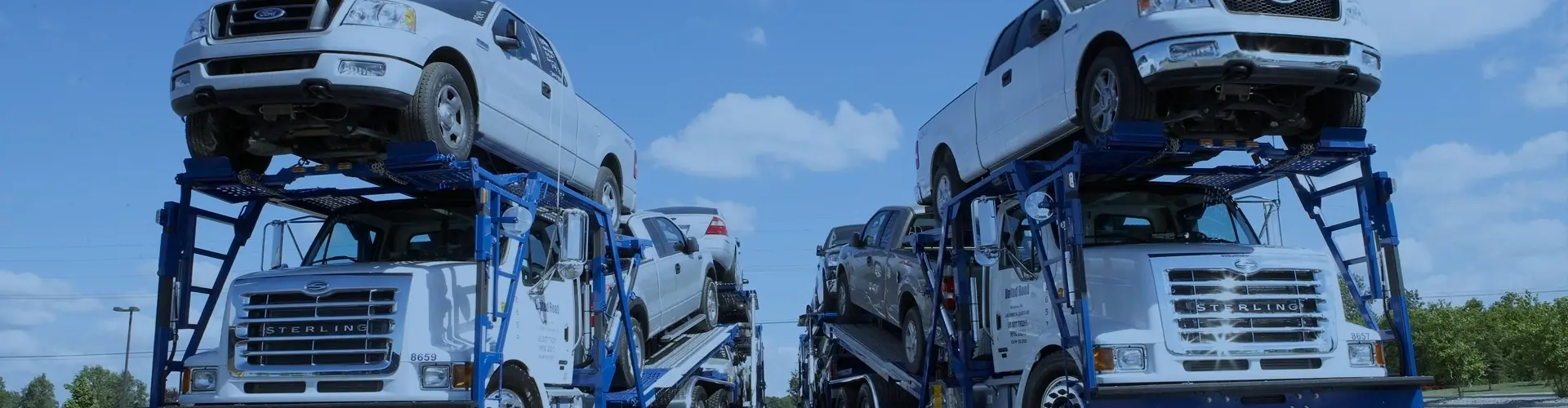
Glendale to San Francisco Car Shipping Route
Glendale sits at the convergence of I-5, SR-2, and I-210, giving carriers clean access to the main northbound artery without navigating deep into central Los Angeles. From Glendale, carriers typically pick up via the I-5 north on-ramp off Colorado Street or via I-210 west to the I-5 interchange. The route runs 382 miles through the San Fernando Valley, over the Tejon Pass at roughly 4,160 feet, through the Central Valley, and into the Bay Area via I-580 or US-101. Shipping rather than driving saves you roughly six hours of highway time, fuel costs, and wear on your vehicle. See a full breakdown of those savings at https://california.auto-transport-shipping.com/articles/benefits-of-auto-transport-service-vs-driving-yourself.html.
San Francisco-side demand stays high because of the Presidio of San Francisco, a federal installation that generates military PCS moves year-round. UCSF Medical Center and UC Hastings College of the Law bring academic relocation demand every August and January. Major tech employers — Salesforce, Twitter's former HQ corridor, and firms throughout SoMa and Mission Bay — drive corporate relocation volume. Fog and occasional winter rain along the I-580 Altamont Pass segment can slow trucks slightly in December through February, though rarely enough to add a full transit day. Before booking, review common mistakes shippers make on corridors like this one at https://california.auto-transport-shipping.com/articles/auto-transport-mistakes-to-avoid.html.
Glendale to San Francisco Car Shipping Rates
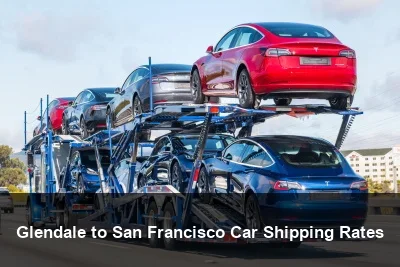
At 382 miles, this route falls in the mid-distance pricing tier — long enough that per-mile rates drop from short-haul levels, but short enough that carriers complete the run in a single day, keeping their costs predictable. Rates typically spike in June through September when student and corporate relocation demand peaks simultaneously. Diesel price fluctuations on the I-5 Central Valley corridor directly affect carrier quotes on this lane. For a current look at how fuel prices are factored into your quote, see https://california.auto-transport-shipping.com/articles/how-gas-prices-impact-california-auto-transport-fees.html.
What affects the cost of Glendale to San Francisco car shipping:
- Vehicle type and size — larger vehicles take more carrier space; aftermarket additions like lift kits, oversized mirrors, or roof accessories can add fees
- Open vs. enclosed transport — open is lower cost with stronger carrier availability; enclosed protects against weather, debris, and road conditions
- Standard vs. expedited pickup — expedited prioritizes your vehicle for the next available dispatch, typically at a $100–$300 premium
- Time of year — peak demand seasons drive rates higher; off-peak windows offer the most competitive pricing
- Fuel costs — diesel prices affect carrier rates; longer routes are more sensitive to fuel price swings
- Vehicle condition — non-running vehicles require special loading equipment and cost more to ship
| Vehicle Type | Open Car Shipping (Est.) | Enclosed Car Shipping (Est.) |
|---|---|---|
| Sedan | $350 – $500 | $700 – $950 |
| SUV / Crossover | $400 – $600 | $800 – $1,100 |
| Pickup Truck | $400 – $600 | $800 – $1,100 |
| Minivan | $400 – $600 | $800 – $1,100 |
| Luxury / Classic Car | $500 – $700 | $950 – $1,300 |
| Non-Running Vehicle | Add $100–200 | Add $100–200 |
* Estimated ranges based on recent Glendale to San Francisco shipments. Actual rate depends on vehicle, locations, booking date, and current fuel costs. Use the form on this page to compare real quotes from licensed carriers.
Open or Enclosed: What This Specific Route Requires
Open transport is the right call for most standard vehicles on this corridor. I-5 through the Central Valley is flat, well-maintained, and carriers run it in high volume, so open trailer slots are plentiful and competitively priced. Enclosed transport makes sense if you're shipping a classic, exotic, or high-value vehicle and want protection from agricultural dust and light debris common on Central Valley segments. The Tejon Pass section can carry wind and road grit, which is a minor concern on open carriers but rarely causes finish damage on modern production vehicles.
How Long Does Glendale to San Francisco Car Shipping Take?
Most Glendale to San Francisco shipments complete in one to two transit days once a carrier is assigned. The drive itself runs roughly six hours under normal conditions, and carriers on this lane typically run it as a dedicated single-day leg. Carrier assignment from Glendale generally takes two to four business days from booking confirmation given the route's solid frequency. If your window is tight — a job start date or a lease end — expedited options can compress that to 24 to 48 hours from booking. Details on expedited pricing and what it actually includes are at https://california.auto-transport-shipping.com/articles/california-expedited-car-shipping-fast-cost.html.
| Service Type | Typical Transit | Pickup Window | Best For |
|---|---|---|---|
| Open — Standard | 1–2 days | 1–3 business days | Best value; most common choice on this route |
| Open — Expedited | Same–1 day | Next day–1 business day | Firm arrival date; faster dispatch window |
| Enclosed — Standard | 2–3 days | 2–5 business days | Luxury, classic, or modified vehicles |
| Enclosed — Expedited | 1–2 days | 1–2 business days | High-value vehicles on a firm delivery deadline |
** Winter tule fog in the Central Valley between Bakersfield and Stockton, typically December through February, can reduce carrier driving hours on I-5 and add a partial day to transit. Tejon Pass occasionally sees wind advisories that temporarily restrict high-profile vehicles. Budget one extra day in your schedule during those months.
Glendale to San Francisco — Route & Logistics
Carriers access the I-5 northbound corridor from Glendale via local arterials to the I-5 on-ramp near the Los Angeles River, or via I-210 west to the I-5 junction in Sylmar. From there, the route runs north on I-5 the length of the Central Valley, then transitions to I-580 or I-5 to US-101 into San Francisco, covering 382 miles total.
Key Corridor Waypoints
- Burbank / Sylmar, CA — I-5 / I-210 Junction Carriers departing Glendale typically stage near the Sylmar interchange where I-210 feeds into I-5 northbound. This junction is a common multi-vehicle consolidation point for LA metro loads heading north. Carriers confirm vehicle condition here with a Bill of Lading walkthrough before entering the freeway system for the sustained Central Valley run.
- Tejon Pass — Tehachapi Mountains, CA (4,160 ft) The highest point on I-5 in California, Tejon Pass separates the LA Basin from the Central Valley. Carriers monitor wind advisories and weight restrictions here, particularly for enclosed double-deck trailers. In winter months, chain controls can apply but rarely close the pass entirely. Transit timing through this segment determines whether the carrier reaches Stockton-area staging before nightfall.
- Bakersfield, CA — Fuel and Inspection Stop Bakersfield sits approximately 110 miles north of Glendale and serves as the standard fuel and driver rest checkpoint for carriers on this lane. The Flying J and Petro truck stops at the SR-99 / I-5 split are heavily used. Some carriers swap loads or consolidate here when running combined I-5 and SR-99 corridor schedules through the Central Valley.
- Stockton, CA — I-5 / I-205 / I-580 Junction At Stockton, carriers diverge depending on their San Francisco delivery zone. Loads destined for the East Bay take I-580 west over the Altamont Pass. Loads going directly into San Francisco proper may continue north on I-5 to I-80 west. This is where overnight staging happens for carriers who can't complete same-day delivery, typically at truck facilities along I-5 near Lathrop.
- Altamont Pass — I-580, CA (1,009 ft) The Altamont Pass corridor on I-580 is the primary gateway into the Bay Area from the Central Valley. Wind turbines here signal consistent and sometimes strong crosswinds that require reduced carrier speeds. Light rain and fog are common October through March. Carriers unfamiliar with this segment may slow significantly, adding 30 to 60 minutes to final delivery.
- San Francisco, CA — Final Delivery Zone Carriers enter San Francisco via the Bay Bridge on I-80 or from US-101 through the Peninsula depending on delivery address. SoMa, Mission Bay, and the Embarcadero are accessible to full-size carriers. Russian Hill, Nob Hill, and the Castro require careful route planning. Narrow streets and steep grades in these neighborhoods often require staging at a nearby flat block for final handoff.
Pickup & Delivery Access
- Pickup Access in Glendale Glendale's flat commercial grid along Brand Boulevard, Central Avenue, and Colorado Street accommodates standard open and enclosed carriers without issue. Hillside neighborhoods — Verdugo Woodlands, Glenoaks Canyon, and upper Montrose — have narrow residential streets where full-size carriers cannot safely turn around. If your address is in those areas, plan a meet point at a nearby flat commercial lot or parking facility. Pickup coordination with your carrier should confirm street access before dispatch.
- Delivery Access in San Francisco San Francisco delivery access varies significantly by neighborhood. The Financial District, SoMa, Mission Bay, and Dogpatch are carrier-accessible without special staging. Pacific Heights, Russian Hill, Nob Hill, and the Castro have grades and tight turns that prevent standard 75-foot carriers from reaching residential addresses directly. For those areas, your carrier will typically stage at a flatter nearby block — often along Van Ness Avenue or a numbered street grid section — for final handoff.
- Nearby Pickup Locations Carriers picking up in Glendale regularly extend service to Burbank, Pasadena, and La Crescenta. Call 1‑800‑590‑6492 to confirm door-to-door availability at your address.
Open vs. Enclosed Car Shipping: Glendale to San Francisco
Both options use licensed, insured carriers and deliver door to door. For a full breakdown, read the pros and cons of open vs. enclosed car shipping.
Open Car Shipping
Most Popular- Lower cost — the practical choice for most vehicles
- More carriers available on this corridor
- Faster dispatch from booking to pickup
- Works well for sedans, SUVs, trucks, and minivans
- Vehicle rides on an open multi-car carrier
- Cargo insurance required on all licensed carriers
Estimated cost: $350 – $600
Enclosed Car Shipping
Premium Protection- Full protection from weather, debris, and road grime
- Best for luxury, exotic, and classic vehicles
- Recommended for low-clearance and custom-built cars
- Wheel-net or soft-tie systems prevent contact damage
- Higher cargo coverage — commonly $500,000 per load
- White-glove handling by experienced operators
Estimated cost: $700 – $1,100
Not sure which is right for your vehicle? Call 1-800-590-6492 and we'll point you in the right direction. Also worth reading: the top 10 questions to ask any car shipping company before you commit.
How to Prepare Your Car for Shipping to San Francisco
A little prep before pickup protects you if there's ever a dispute about your vehicle's condition. This checklist is from our full guide on preparing your car for transport:
- Remove all personal belongings from the interior and trunk
- Leave only a quarter tank of fuel — enough to load and unload
- Take date-stamped photos of the full exterior and interior
- Remove or disable toll transponders (FasTrak, E-ZPass, etc.)
- Retract or remove roof racks, spoilers, antennas, and bike mounts
- Make sure the battery is charged and tires are properly inflated
- Tell the carrier about any existing leaks or mechanical issues
- Deactivate the car alarm before the carrier arrives
- Write down the mileage on the Bill of Lading at pickup
- Fold in side mirrors if the vehicle is wider than standard
Personal items: Most carriers won't cover belongings left in the car. Read the full rules on shipping personal items in your vehicle. Also review our Bill of Lading guide so you know exactly what to check at pickup and delivery.
When to Ship Your Car from Glendale to San Francisco
This corridor runs busy year-round, but pricing and availability shift meaningfully by season. Summer peaks from June through September when UCSF and Bay Area tech relocation volume hits simultaneously. Winter is the slowest demand period, which typically means lower rates but occasional Central Valley fog delays. Spring and fall offer the best balance of availability and price. For winter-specific shipping considerations on California corridors, see https://california.auto-transport-shipping.com/articles/auto-transport-challenges-during-the-winter.html.
Spring (March – May)
Spring brings rising carrier volume as Bay Area job markets activate and corporate relocations begin ahead of summer. Rates start climbing in late April. Weather through the Central Valley is favorable — mild temperatures, low fog risk, and clear Tejon Pass conditions. If you're planning a summer move, booking in March or April locks in pre-peak pricing and gives you first pick of available carrier slots on this corridor.
Summer Peak (June – August)
This is the busiest period on the Glendale to San Francisco lane. Tech corporate moves, military PCS orders out of the Presidio, and general relocation volume all overlap. Carrier slots fill quickly, and rates reflect that demand. Book at least two weeks in advance if your pickup window falls between June and mid-August. Open carrier availability tightens before enclosed, so don't wait if you have a specific move date.
Student Move Season (Late August – September)
UCSF, UC Hastings, and Bay Area universities begin fall terms in late August and September, generating a concentrated spike in northbound vehicle shipments. This is the single highest-demand window on this corridor. Carriers prioritize confirmed bookings with deposits. If you or a family member is relocating for school, submit your quote request six to eight weeks before your intended pickup date to avoid schedule conflicts.
Fall (October – November)
Post-summer demand drops noticeably after mid-September, and rates follow. October and November are strong months to ship — carriers are available, pricing is competitive, and Central Valley weather is still cooperative before winter fog season sets in. Altamont Pass crosswinds pick up in October but rarely cause significant delays. This is a solid window for non-urgent vehicle moves in either direction on this corridor.
Winter (December – February)
Winter is the quietest demand period on this route, which means lower rates but real weather considerations. Tule fog on I-5 between Bakersfield and Stockton is the main transit risk — thick fog can limit carrier driving hours and add a day to delivery. Tejon Pass sees occasional wind events and rare snow at elevation. Budget an extra buffer day in your schedule and review winter transport specifics at https://california.auto-transport-shipping.com/articles/auto-transport-challenges-during-the-winter.html.
Military PCS Cycles (Year-Round, Peaks in Summer)
The Presidio of San Francisco generates military Permanent Change of Station moves throughout the year, with the largest volume in the May through July window when DOD PCS orders are typically issued. If you're a service member relocating to or from the Presidio, book early — military move demand on this corridor competes with the general summer peak. Confirm your PCS authorization dates before booking so your carrier window aligns with your report date.
How to Choose a Glendale to San Francisco Car Shipping Company
Getting multiple quotes is step one — knowing what to look for in those quotes matters just as much. Our guide on how to select a car shipping company covers the full process. Here are the six things that matter most:
FMCSA Registration
Every carrier or broker must hold a valid MC number. Verify any company at FMCSA SAFER before you book.
Proof of Insurance
Ask for a current certificate of insurance. Open carriers typically carry $100,000–$250,000 per load; enclosed commonly $500,000 or more. Learn what auto transport insurance covers.
All-In Pricing
Your quote should be a final number with no fees added after booking. Know the difference between brokers and carriers and confirm what the quote covers before you agree.
Bill of Lading
A complete Bill of Lading is filled out at pickup and delivery. Our Bill of Lading guide explains what to check. Never sign an incomplete one.
Real Reviews
Check Google and the BBB. Look at how they handled complaints and damage claims — that tells you more than a five-star average from happy customers.
Route Experience
A carrier who regularly runs the Glendale to San Francisco lane knows details that matter at execution. They know to avoid the I-5 Sylmar interchange during the 7 to 9 AM peak and stage instead off San Fernando Road for a cleaner northbound merge. They know the Tejon Pass wind patterns that require slowing doubles to 45 mph, and they build that into their ETAs. They know which Bakersfield truck stops fill to capacity by 4 PM and plan their fuel stops accordingly. On the delivery end, they know the staging blocks in SoMa and which streets in Pacific Heights are physically impassable for their rig. That route-specific knowledge prevents the delays and handoff problems that show up when a carrier takes this run for the first time.
Glendale to San Francisco Car Shipping — FAQ
How much does it cost to ship a car from Glendale to San Francisco?
On this 382-mile corridor, open transport typically runs between $350 and $550 for a standard sedan or SUV under normal demand conditions. Enclosed transport generally runs $600 to $950 for the same vehicle class. Rates shift meaningfully during the June through September peak when student and tech relocation demand compresses carrier availability. Larger vehicles — trucks, SUVs, and full-size pickups — cost more due to the additional trailer space they occupy. The quote form on this page calculates current market pricing based on your vehicle type, transport method, and pickup window. Fuel price movement on the I-5 Central Valley corridor is factored into live quotes as well.
How long does Glendale to San Francisco car shipping take?
Once a carrier is assigned, most vehicles are delivered in one to two transit days. The driving distance of 382 miles is a single-day run for carriers who work this lane regularly. Carrier assignment from Glendale typically takes two to four business days from booking, given the route's solid frequency. Total time from booking to delivery is generally four to seven days under normal conditions. Winter months can add a day due to Central Valley tule fog limiting carrier hours. If your schedule is firm, expedited options can compress the carrier assignment window significantly — see https://california.auto-transport-shipping.com/articles/california-expedited-car-shipping-fast-cost.html for current expedited pricing.
Is my car insured during transport from Glendale to San Francisco?
Every licensed motor carrier operating on this route is required by federal law to carry cargo insurance. That coverage is active from the moment your vehicle is loaded onto the trailer in Glendale through delivery in San Francisco. Coverage limits vary by carrier, so confirm the specific policy before you sign the transport agreement. Your personal auto insurance may also provide supplemental coverage during transport — check your policy before assuming it does or doesn't apply. For a full explanation of how transport insurance works and what it actually covers, see https://california.auto-transport-shipping.com/articles/understanding-auto-transport-insurance.html. If damage occurs, the claims process is outlined at https://california.auto-transport-shipping.com/articles/how-to-file-a-claim-for-vehicle-damage-during-transport.html.
Should I choose open or enclosed transport for this route?
Open transport is the practical choice for most vehicles on this corridor. I-5 through the Central Valley is a clean, high-volume highway, and the Tejon Pass segment rarely causes finish damage to standard production vehicles. Enclosed transport is worth the premium if you're shipping a classic car, exotic, or high-value vehicle and want protection from road debris, Central Valley agricultural dust, and Altamont Pass wind grit. Open carriers are more available on this lane, which also means shorter wait times for carrier assignment. For a detailed comparison of both transport types and how to decide, visit https://california.auto-transport-shipping.com/articles/open-vs-enclosed-auto-transport-pros-and-cons.html.
Do I have to be present at pickup in Glendale and delivery in San Francisco?
You or an authorized representative must be present at both pickup and delivery to sign the Bill of Lading. That document records your vehicle's condition before loading and after delivery — it's the evidence you need if you ever need to file a damage claim. If you can't be present yourself, a trusted adult can sign on your behalf. Just make sure that person has your contact number so they can reach you if questions come up during the inspection. Never skip the pre-load walkthrough regardless of how rushed the schedule feels. Full details on what the Bill of Lading covers are at https://california.auto-transport-shipping.com/articles/california-auto-transport-bill-of-lading-information.html.
Does tule fog in the Central Valley actually delay shipments on this route?
Yes, but it's a manageable factor rather than a route-stopper. Tule fog on I-5 between Bakersfield and Stockton typically occurs December through February, sometimes reducing visibility to near zero in morning hours. Federal Hours of Service rules limit how long a carrier can drive in hazardous conditions, so a carrier who planned to complete the Glendale to San Francisco run in one day may need to stage overnight near Modesto or Lathrop and deliver the following morning. This adds one day to transit, not multiple days. If you're shipping during winter, build a one-day buffer into your delivery expectation.
I'm relocating for a job in San Francisco's tech industry. What should I know about timing my shipment?
Bay Area tech relocation moves cluster heavily in the May through September window, which directly competes with student move-in demand and military PCS cycles at the Presidio. If your start date falls in that window, submit your booking request at least two to three weeks before your intended pickup date. Waiting until the week before is risky — carrier slots on this corridor fill during peak periods, and expedited booking adds cost. If your company is covering relocation expenses, confirm whether their vendor has this specific corridor under contract, or whether booking independently through a broker gives you better rate and timing control.
Can carriers reach my address directly in San Francisco, or will I need to meet them somewhere?
It depends on your specific neighborhood. Carriers can deliver directly to most addresses in SoMa, Mission Bay, the Embarcadero area, the Richmond District, and neighborhoods with standard grid streets and reasonable grades. If you're in Pacific Heights, Russian Hill, Nob Hill, the Castro, or Twin Peaks, the combination of steep grades and narrow residential streets typically prevents a full-size carrier from reaching your exact address. In those cases, your driver will coordinate a nearby staging block — usually a flat commercial street — for the handoff. Confirm your address accessibility with your carrier dispatcher before the pickup date so there are no surprises at delivery.
Ready to Ship Your Car from Glendale to San Francisco?
One form gets you up to 10 free quotes from licensed, insured carriers. Compare costs and transit times and book the best deal for your schedule.