
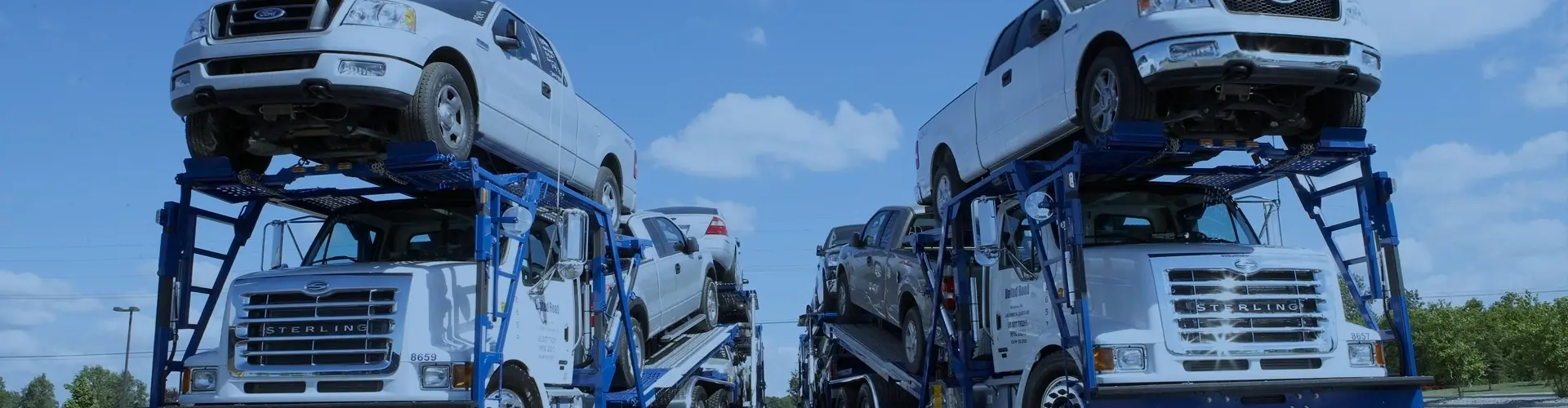
Glendale to Fresno Car Shipping Route
Glendale to Fresno covers approximately 225 miles and routes carriers north through the LA basin via I-5, exiting the San Fernando Valley through the Newhall Pass before descending into the Santa Clarita Valley. From there I-5 continues through the Tejon Pass at roughly 4,160 feet elevation — the primary mountain crossing on this corridor — then drops into the San Joaquin Valley floor near Gorman and Lebec. Carriers pick up SR-99 north near Bakersfield to reach Fresno. Shipping your vehicle eliminates 225 miles of wear, fuel cost, and a 3.5-to-4-hour drive. See a full comparison at https://california.auto-transport-shipping.com/articles/benefits-of-auto-transport-service-vs-driving-yourself.html
Fresno demand is anchored by several institutions that generate consistent vehicle moves. California State University, Fresno (Fresno State) produces student and faculty relocations each academic semester. Community Regional Medical Center and Valley Children's Hospital draw healthcare professionals relocating from the LA metro. Fresno's agricultural economy — dominated by companies like Sun-Maid Growers and Foster Farms — generates commercial fleet transfers and management relocations. Seasonally, the Tejon Pass section of I-5 can see closures or chain control requirements in winter, which affects scheduling between November and March. Before booking, review https://california.auto-transport-shipping.com/articles/auto-transport-mistakes-to-avoid.html to avoid common errors on intra-California shipments.
Glendale to Fresno Car Shipping Rates
At 225 miles, Glendale to Fresno falls into a mid-range distance tier where per-mile rates are moderate — shorter than a cross-state haul but long enough that carriers price it as a dedicated leg rather than a local move. Fuel costs on I-5 and SR-99 directly affect carrier quotes on this route; see https://california.auto-transport-shipping.com/articles/how-gas-prices-impact-california-auto-transport-fees.html for detail. Rates rise in late August through September when student moves to Fresno State peak, and can see minor premiums in winter if Tejon Pass weather conditions add scheduling complexity.
What affects the cost of Glendale to Fresno car shipping:
- Vehicle type and size — larger vehicles take more carrier space; aftermarket additions like lift kits, oversized mirrors, or roof accessories can add fees
- Open vs. enclosed transport — open is lower cost with stronger carrier availability; enclosed protects against weather, debris, and road conditions
- Standard vs. expedited pickup — expedited prioritizes your vehicle for the next available dispatch, typically at a $100–$300 premium
- Time of year — peak demand seasons drive rates higher; off-peak windows offer the most competitive pricing
- Fuel costs — diesel prices affect carrier rates; longer routes are more sensitive to fuel price swings
- Vehicle condition — non-running vehicles require special loading equipment and cost more to ship
| Vehicle Type | Open Car Shipping (Est.) | Enclosed Car Shipping (Est.) |
|---|---|---|
| Sedan | $350 – $500 | $700 – $950 |
| SUV / Crossover | $400 – $600 | $800 – $1,100 |
| Pickup Truck | $400 – $600 | $800 – $1,100 |
| Minivan | $400 – $600 | $800 – $1,100 |
| Luxury / Classic Car | $500 – $700 | $950 – $1,300 |
| Non-Running Vehicle | Add $100–200 | Add $100–200 |
* Estimated ranges based on recent Glendale to Fresno shipments. Actual rate depends on vehicle, locations, booking date, and current fuel costs. Use the form on this page to compare real quotes from licensed carriers.
Open vs. Enclosed on the Glendale to Fresno Run
Open transport is appropriate for the majority of vehicles on this route. I-5 through the Tejon Pass and SR-99 through the valley are well-maintained freight corridors, and most standard, classic, or lightly modified vehicles ship without issue on an open carrier. Enclosed transport makes sense if you're moving a high-value sports car, a freshly restored classic, or a luxury vehicle where road debris from the pass or valley agriculture traffic is a genuine concern. Enclosed pricing on this corridor typically runs 40–60 percent above open rates.
How Long Does Glendale to Fresno Car Shipping Take?
Most Glendale-to-Fresno shipments complete in one to two business days once a carrier is assigned. The driving distance is manageable within a single carrier day, and because this corridor sits within the active LA-to-Central Valley freight lane, dispatch times are generally shorter than remote routes. Expedited booking can reduce the dispatch window if your timeline is tight; details at https://california.auto-transport-shipping.com/articles/california-expedited-car-shipping-fast-cost.html. Standard door-to-door scheduling should account for one to three business days total from confirmed pickup to delivery.
| Service Type | Typical Transit | Pickup Window | Best For |
|---|---|---|---|
| Open — Standard | 1–2 days | 1–3 business days | Best value; most common choice on this route |
| Open — Expedited | Same–1 day | Next day–1 business day | Firm arrival date; faster dispatch window |
| Enclosed — Standard | 2–3 days | 2–5 business days | Luxury, classic, or modified vehicles |
| Enclosed — Expedited | 1–2 days | 1–2 business days | High-value vehicles on a firm delivery deadline |
** Winter weather at Tejon Pass — elevation 4,160 feet on I-5 — is the primary delay risk on this route. CHP chain control or temporary closures between November and March can hold carriers south of the pass for several hours or, in severe cases, overnight. Build a buffer into tight delivery deadlines during that period.
Glendale to Fresno — Route & Logistics
Carriers serving Glendale access I-5 northbound via the I-5/SR-2 interchange in the city core or the I-210 connector through Pasadena and La Cañada. From I-5 they run north through the San Fernando Valley, over the Newhall Pass, through the Santa Clarita Valley, and up to the Tejon Pass before dropping into the San Joaquin Valley. SR-99 north from Bakersfield delivers them into Fresno.
Key Corridor Waypoints
- Glendale, CA — Origin Staging Carriers access Glendale from I-5 via the city grid or connect via I-210 from Pasadena. Hillside residential areas like Chevy Chase Canyon or Adams Hill may require a nearby meet point on a flat commercial street. The I-5 and I-210 interchange provides a clean northbound on-ramp once the vehicle is loaded.
- Newhall Pass / Santa Clarita, CA The Newhall Pass at approximately 1,600 feet is the first significant grade change after leaving the LA basin. Carriers clear the pass and typically pause in the Santa Clarita area for fuel or a pre-climb inspection before continuing toward the steeper Tejon ascent. This stretch sees heavy commercial truck traffic throughout the day.
- Tejon Pass, CA — Elevation 4,160 ft The highest point on this route and the primary weather risk between November and March. CHP operates a chain control checkpoint here during winter storms. In clear conditions carriers move through without delay. The descent into the San Joaquin Valley is steep; carriers with heavy loads manage speed carefully on the grade.
- Lebec / Gorman, CA — Valley Entry After clearing the Tejon Pass descent, the route levels out near Lebec and Gorman where the valley floor begins. Carriers often note a wind increase in this corridor — the Tehachapi gap effect pushes crosswinds that are noticeable on tall car-hauler trailers. A brief stop here is common for larger multi-car carriers.
- Bakersfield, CA — SR-99 Junction At Bakersfield, carriers transition from I-5 to SR-99 northbound — the main arterial through the Central Valley to Fresno. This interchange is a common fuel and rest stop for carriers running the full LA-to-Sacramento corridor. Drive time from here to Fresno is approximately 100 miles, typically 90 minutes under normal conditions.
- Fresno, CA — Delivery Zone Fresno's flat street grid accommodates most carrier rigs without difficulty. Neighborhoods near Fresno State, the Tower District, and downtown may have narrower side streets; carriers typically deliver to a nearby parking lot or wide street. Industrial and commercial areas in southwest Fresno offer unrestricted carrier access for business deliveries.
Pickup & Delivery Access
- Pickup Access in Glendale Glendale's main commercial corridors on Brand Boulevard, San Fernando Road, and Colorado Street are carrier-accessible. Hillside neighborhoods — Glenoaks Canyon, Verdugo Woodlands, or upper Kenneth Road — have grade and turn restrictions that can prevent a full-length car hauler from reaching the door. If you're in those areas, coordinate a meet point at a flat commercial lot within a mile of your address.
- Delivery Access in Fresno Most of Fresno's residential and commercial areas are navigable for standard open carriers due to the city's flat grid layout. Dense blocks near the Fulton District or older downtown streets may require the driver to park on a main cross street. Industrial areas off Jensen Avenue and Ventura Avenue offer easy large-vehicle access. Confirm your specific address with dispatch so the carrier can identify the right approach.
- Nearby Pickup Locations Carriers picking up in Glendale regularly extend service to Burbank, Pasadena, and La Crescenta. Call 1‑800‑590‑6492 to confirm door-to-door availability at your address.
Open vs. Enclosed Car Shipping: Glendale to Fresno
Both options use licensed, insured carriers and deliver door to door. For a full breakdown, read the pros and cons of open vs. enclosed car shipping.
Open Car Shipping
Most Popular- Lower cost — the practical choice for most vehicles
- More carriers available on this corridor
- Faster dispatch from booking to pickup
- Works well for sedans, SUVs, trucks, and minivans
- Vehicle rides on an open multi-car carrier
- Cargo insurance required on all licensed carriers
Estimated cost: $350 – $600
Enclosed Car Shipping
Premium Protection- Full protection from weather, debris, and road grime
- Best for luxury, exotic, and classic vehicles
- Recommended for low-clearance and custom-built cars
- Wheel-net or soft-tie systems prevent contact damage
- Higher cargo coverage — commonly $500,000 per load
- White-glove handling by experienced operators
Estimated cost: $700 – $1,100
Not sure which is right for your vehicle? Call 1-800-590-6492 and we'll point you in the right direction. Also worth reading: the top 10 questions to ask any car shipping company before you commit.
How to Prepare Your Car for Shipping to Fresno
A little prep before pickup protects you if there's ever a dispute about your vehicle's condition. This checklist is from our full guide on preparing your car for transport:
- Remove all personal belongings from the interior and trunk
- Leave only a quarter tank of fuel — enough to load and unload
- Take date-stamped photos of the full exterior and interior
- Remove or disable toll transponders (FasTrak, E-ZPass, etc.)
- Retract or remove roof racks, spoilers, antennas, and bike mounts
- Make sure the battery is charged and tires are properly inflated
- Tell the carrier about any existing leaks or mechanical issues
- Deactivate the car alarm before the carrier arrives
- Write down the mileage on the Bill of Lading at pickup
- Fold in side mirrors if the vehicle is wider than standard
Personal items: Most carriers won't cover belongings left in the car. Read the full rules on shipping personal items in your vehicle. Also review our Bill of Lading guide so you know exactly what to check at pickup and delivery.
When to Ship Your Car from Glendale to Fresno
This route doesn't experience dramatic seasonal price swings, but two periods stand out. Late August through mid-September brings elevated demand from Fresno State student moves and university staff relocations from the LA area, tightening carrier availability. Winter from November through March adds scheduling uncertainty tied to Tejon Pass weather. For detail on how winter conditions affect intra-California transport timelines, see https://california.auto-transport-shipping.com/articles/auto-transport-challenges-during-the-winter.html
Back-to-School Rush (Late August – September)
Fresno State's fall semester start generates the highest demand spike on this corridor. Students and faculty relocating from the LA metro compete for the same carrier slots. Book two to three weeks in advance if your move falls in this window. Waiting until the week before classes begin often means longer dispatch times and slightly elevated quotes.
Winter Weather Window (November – March)
Tejon Pass on I-5 can see snow, ice, and CHP chain control requirements multiple times per winter season. Carriers are not delayed every day, but a storm event can hold trucks south of the pass for several hours or overnight. If your delivery deadline is firm during this period, discuss the Tejon Pass risk explicitly with your broker before confirming dates.
Spring and Early Summer (April – July)
The most predictable window for this route. Tejon Pass weather has cleared, Fresno's agricultural season is ramping up which keeps carrier traffic steady on SR-99, and student-move demand hasn't peaked yet. Rates are stable and dispatch windows are typically shorter. If your schedule is flexible, this is the lowest-friction period to ship.
Summer Heat — Valley Floor (June – September)
The San Joaquin Valley regularly exceeds 105°F in midsummer. This is not a delay factor but it is relevant for enclosed versus open decisions on heat-sensitive vehicles. Dark-colored cars and vehicles with aftermarket vinyl wraps accumulate significant heat exposure during multi-car carrier transit. Discuss this with your carrier if your vehicle has wrap, custom paint, or leather that is sensitive to prolonged heat.
Agricultural Season Carrier Demand (March – October)
Fresno's farming economy drives consistent commercial vehicle movement on SR-99 throughout the growing and harvest season. This keeps carrier frequency on the Bakersfield-to-Fresno segment high, which benefits standard auto transport customers — more trucks running the corridor means faster dispatch and competitive pricing compared to off-corridor routes of similar distance.
How to Choose a Glendale to Fresno Car Shipping Company
Getting multiple quotes is step one — knowing what to look for in those quotes matters just as much. Our guide on how to select a car shipping company covers the full process. Here are the six things that matter most:
FMCSA Registration
Every carrier or broker must hold a valid MC number. Verify any company at FMCSA SAFER before you book.
Proof of Insurance
Ask for a current certificate of insurance. Open carriers typically carry $100,000–$250,000 per load; enclosed commonly $500,000 or more. Learn what auto transport insurance covers.
All-In Pricing
Your quote should be a final number with no fees added after booking. Know the difference between brokers and carriers and confirm what the quote covers before you agree.
Bill of Lading
A complete Bill of Lading is filled out at pickup and delivery. Our Bill of Lading guide explains what to check. Never sign an incomplete one.
Real Reviews
Check Google and the BBB. Look at how they handled complaints and damage claims — that tells you more than a five-star average from happy customers.
Route Experience
A carrier who regularly runs the Glendale-to-Fresno corridor knows that the Newhall Pass and Tejon Pass are the two operational checkpoints that determine whether a trip stays on schedule. Experienced drivers on this lane check Caltrans chain control status before leaving the San Fernando Valley staging area — not at Gorman. They know the SR-99 transition at Bakersfield best occurs via the SR-58 east connector to avoid downtown surface traffic. In Fresno, they default to staging near the Save Mart Center or the Cedar/Herndon commercial corridor for final-mile delivery coordination in northwest Fresno residential neighborhoods. They also know that Glendale hillside pickups require scheduling an extra 20-30 minutes for approach and vehicle positioning on steep residential grades.
Glendale to Fresno Car Shipping — FAQ
How much does it cost to ship a car from Glendale to Fresno?
For a standard sedan on an open carrier, expect to pay between $350 and $550 for Glendale-to-Fresno transport under typical conditions. SUVs, trucks, and larger vehicles run higher due to deck space requirements. Enclosed transport adds roughly 40–60 percent above the open rate. Rates rise in late August and September during the Fresno State back-to-school period, and minor premiums can appear in winter if Tejon Pass weather affects carrier scheduling. Fuel price fluctuations also feed directly into carrier quotes on this corridor; see https://california.auto-transport-shipping.com/articles/how-gas-prices-impact-california-auto-transport-fees.html for how that works.
How long does Glendale to Fresno car shipping take?
From confirmed booking to delivered vehicle, budget one to three business days. The driving distance of approximately 225 miles is manageable within a single carrier day, and the route sits within an active freight corridor, which shortens dispatch times compared to off-lane routes. The main variable is carrier assignment: a day-of or next-day pickup is sometimes possible, but one to two business days for dispatch is more typical. If you need faster turnaround, expedited booking options exist — details at https://california.auto-transport-shipping.com/articles/california-expedited-car-shipping-fast-cost.html. Winter Tejon Pass weather is the primary transit delay risk.
Is my car insured during transport from Glendale to Fresno?
Every licensed carrier operating in California is required to carry cargo insurance that covers your vehicle while it is loaded on their trailer. Before the carrier departs, you and the driver both sign a Bill of Lading documenting the vehicle's pre-transport condition. At delivery, you inspect the vehicle against that same document. Any damage that appears between pickup and delivery and is noted on the delivery Bill of Lading is documented for a claim. For a full explanation of how carrier insurance works and what it covers, see https://california.auto-transport-shipping.com/articles/understanding-auto-transport-insurance.html. If you need to file a claim, the process is outlined at https://california.auto-transport-shipping.com/articles/how-to-file-a-claim-for-vehicle-damage-during-transport.html
Should I choose open or enclosed transport for Glendale to Fresno?
Open transport is the right call for most vehicles on this route. I-5 and SR-99 are high-volume freight corridors with well-maintained surfaces, and the majority of standard, used, and everyday vehicles complete this trip on an open carrier without incident. Enclosed makes sense for high-value sports cars, freshly restored classics, or vehicles where road debris on the Tejon Pass descent is a real concern. Midsummer heat on the valley floor is worth considering for dark vehicles with vinyl wraps. A full breakdown of open versus enclosed tradeoffs is at https://california.auto-transport-shipping.com/articles/open-vs-enclosed-auto-transport-pros-and-cons.html
Do I have to be present at pickup and delivery?
You do not have to be present personally, but someone with authority to sign the Bill of Lading must be available at both pickup and delivery. That can be a designated representative — a family member, friend, or property manager — as long as they are authorized to inspect the vehicle and sign the condition report on your behalf. The Bill of Lading is the legal record of your vehicle's condition at handoff in both directions, so the person signing needs to actually walk around the car before signing. More detail on what the Bill of Lading covers is at https://california.auto-transport-shipping.com/articles/california-auto-transport-bill-of-lading-information.html
Can Tejon Pass winter weather delay my shipment?
Yes, it can. The Tejon Pass on I-5 reaches 4,160 feet elevation and experiences snow and ice conditions multiple times each winter season, typically between November and March. CHP enforces chain control requirements that can slow or temporarily halt commercial truck traffic. In a significant storm, carriers may be held south of the pass for several hours. This rarely extends delays beyond one additional day, but if your delivery window is firm during winter months, flag the Tejon Pass risk with your broker upfront and build buffer time into your schedule.
Does the Fresno State academic calendar affect car shipping availability or pricing?
It does. Fresno State's fall semester start in late August generates a noticeable spike in vehicle moves from the greater LA area to Fresno. Students, new faculty, and staff relocating from Southern California compete for the same northbound carrier slots during a compressed two-to-three-week window. Carrier availability tightens and quotes trend slightly higher during this period. If your move coincides with mid-August through early September, book two to three weeks ahead rather than week-of. The spring semester start in January is a secondary but smaller demand bump on this corridor.
Are there pickup or delivery access issues specific to Glendale or Fresno neighborhoods?
In Glendale, the flat commercial areas along Brand Boulevard, San Fernando Road, and Central Avenue are straightforward for full-size car haulers. The challenge is in Glendale's hillside neighborhoods — areas like Verdugo Woodlands, Chevy Chase Canyon, and the upper streets above Kenneth Road have grades and tight turns that prevent a standard 75-foot car carrier from reaching the front of your property. In those cases, a nearby meet point on a flat commercial street is the standard solution. Fresno is largely flat and accessible, but narrow older streets near the Tower District or downtown core may require the driver to complete delivery from a nearby main road.
Ready to Ship Your Car from Glendale to Fresno?
One form gets you up to 10 free quotes from licensed, insured carriers. Compare costs and transit times and book the best deal for your schedule.