
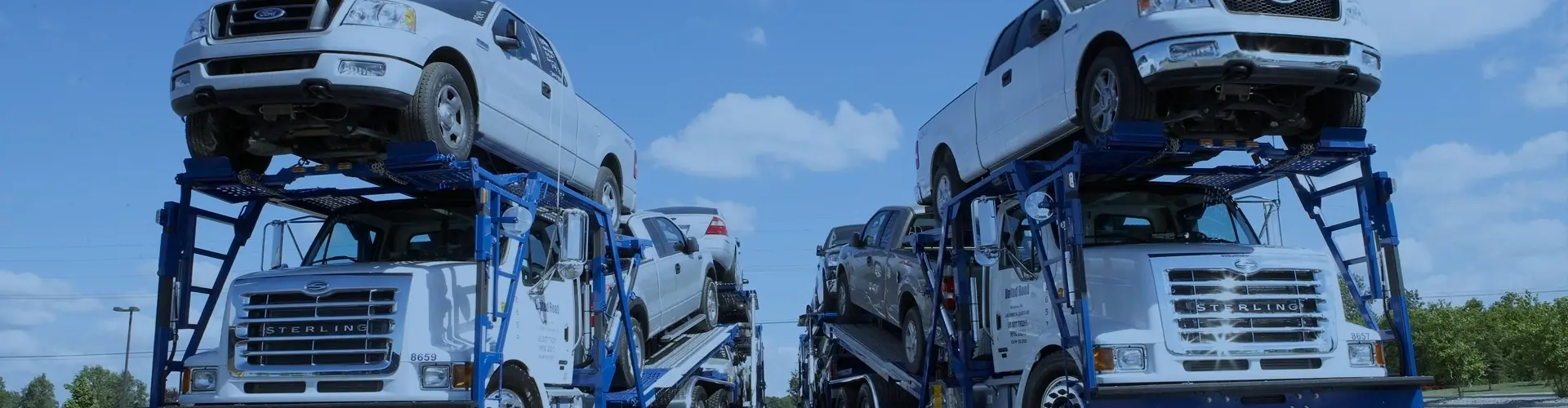
Stockton to San Francisco Car Shipping Route
Stockton to San Francisco covers approximately 83 miles, primarily via I-5 north to I-580 west, or alternatively via SR-99 to I-205 connecting to I-580 through the Altamont Pass corridor. Carriers staging in Stockton's Central Valley grid have straightforward freeway access to both approach routes. The Altamont Pass section of I-580 reaches elevations around 1,009 feet and is the only meaningful grade change on the route. The drive takes roughly 90 minutes in light traffic, but Bay Area congestion can extend carrier delivery windows considerably. Shipping your vehicle avoids those hours behind the wheel — see a full breakdown of time and cost advantages at https://california.auto-transport-shipping.com/articles/benefits-of-auto-transport-service-vs-driving-yourself.html
San Francisco's demand for inbound vehicles comes from multiple steady sources. UC San Francisco's medical campus and graduate programs generate regular student and faculty relocations. San Francisco State University adds undergraduate relocation volume each August and January. Major employers including Salesforce, Twitter's former headquarters, Wells Fargo's regional operations, and the federal government's General Services Administration regional offices all draw relocated workers. The Port of San Francisco also handles specialty and vintage vehicle movements. Weather on this route is mild year-round, but Altamont Pass wind events can occasionally delay open carriers briefly in winter. Before you book, review common booking errors at https://california.auto-transport-shipping.com/articles/auto-transport-mistakes-to-avoid.html
Stockton to San Francisco Car Shipping Rates
At 83 miles, this route falls in the short-haul tier, which means the per-mile rate is higher than long-haul lanes but the total cost is lower. Rates are influenced by Bay Area delivery complexity, fuel costs on the I-580 corridor, and seasonal demand peaks tied to Bay Area tech hiring cycles and university calendars. Diesel price fluctuations directly affect what carriers quote on short runs where fuel is a larger share of total cost — read more at https://california.auto-transport-shipping.com/articles/how-gas-prices-impact-california-auto-transport-fees.html
What affects the cost of Stockton to San Francisco car shipping:
- Vehicle type and size — larger vehicles take more carrier space; aftermarket additions like lift kits, oversized mirrors, or roof accessories can add fees
- Open vs. enclosed transport — open is lower cost with stronger carrier availability; enclosed protects against weather, debris, and road conditions
- Standard vs. expedited pickup — expedited prioritizes your vehicle for the next available dispatch, typically at a $100–$300 premium
- Time of year — peak demand seasons drive rates higher; off-peak windows offer the most competitive pricing
- Fuel costs — diesel prices affect carrier rates; longer routes are more sensitive to fuel price swings
- Vehicle condition — non-running vehicles require special loading equipment and cost more to ship
| Vehicle Type | Open Car Shipping (Est.) | Enclosed Car Shipping (Est.) |
|---|---|---|
| Sedan | $350 – $500 | $700 – $950 |
| SUV / Crossover | $400 – $600 | $800 – $1,100 |
| Pickup Truck | $400 – $600 | $800 – $1,100 |
| Minivan | $400 – $600 | $800 – $1,100 |
| Luxury / Classic Car | $500 – $700 | $950 – $1,300 |
| Non-Running Vehicle | Add $100–200 | Add $100–200 |
* Estimated ranges based on recent Stockton to San Francisco shipments. Actual rate depends on vehicle, locations, booking date, and current fuel costs. Use the form on this page to compare real quotes from licensed carriers.
Open or Enclosed: What Makes Sense on This Short Run
For most standard vehicles on the Stockton to San Francisco route, open transport is the practical choice. The route is short, weather exposure is minimal, and I-580 through Altamont Pass is a well-maintained urban freeway corridor. Enclosed transport adds cost but makes sense if you're moving a classic, luxury, or high-value vehicle into San Francisco where road debris and urban particulates are real considerations. Enclosed also provides peace of mind for new vehicles being delivered to buyers. If your vehicle's value exceeds $60,000, the enclosed premium is worth it on any route.
How Long Does Stockton to San Francisco Car Shipping Take?
Stockton to San Francisco typically transits in one to two days once a carrier is assigned. The driving distance is only 83 miles, so once a carrier picks up, delivery is usually same-day or next morning. The variable is carrier scheduling — on a high-frequency lane like this, dispatch can happen within 24 to 72 hours of booking. Carriers consolidating Central Valley loads sometimes stage in Stockton or Tracy before completing Bay Area drops. For time-sensitive moves, expedited options can compress that window significantly — details at https://california.auto-transport-shipping.com/articles/california-expedited-car-shipping-fast-cost.html
| Service Type | Typical Transit | Pickup Window | Best For |
|---|---|---|---|
| Open — Standard | 1–2 days | 1–3 business days | Best value; most common choice on this route |
| Open — Expedited | Same–1 day | Next day–1 business day | Firm arrival date; faster dispatch window |
| Enclosed — Standard | 2–3 days | 2–5 business days | Luxury, classic, or modified vehicles |
| Enclosed — Expedited | 1–2 days | 1–2 business days | High-value vehicles on a firm delivery deadline |
** Altamont Pass wind events and Bay Area urban congestion are the two most likely causes of short delays on this corridor. Heavy winds through the pass occasionally restrict high-profile trailer movement temporarily. San Francisco delivery coordination in dense neighborhoods can add a half-day if street staging requires scheduling. Expect these factors primarily December through February.
Stockton to San Francisco — Route & Logistics
Carriers access this route from Stockton's Central Valley grid via I-5 north to I-580 west, or SR-99 north to I-205 west connecting to I-580 at Tracy. I-580 carries the load through Altamont Pass and into the East Bay before crossing into San Francisco via the Bay Bridge or distributing to Peninsula staging points. Total carrier drive time is roughly 90 to 120 minutes.
Key Corridor Waypoints
- Stockton, CA (Origin) Carriers pick up in Stockton's Central Valley street grid and access I-5 via charter freeway interchanges near downtown or connect to SR-99 heading north. Stockton's port-adjacent industrial zones and flat grid layout make truck staging straightforward. Most carriers treating this as a multi-stop Bay Area load will consolidate here before departing west on I-205.
- Tracy, CA — I-205/I-580 Interchange Tracy is the key junction where I-205 merges into I-580, funneling Central Valley traffic toward the Bay Area. Carriers coming from SR-99 or I-5 both converge near Tracy. This interchange is a common consolidation and timing checkpoint for carriers managing multiple Stockton-area pickups before committing to the Bay Area leg.
- Altamont Pass, CA — Elevation 1,009 ft The Altamont Pass section of I-580 is the only notable elevation change on this route at roughly 1,009 feet. Wind turbines mark the ridgeline and strong crosswinds here can briefly affect high-profile car carriers. This is a California vehicle inspection checkpoint zone, and carriers familiar with the corridor account for typical Altamont wind patterns when scheduling departures.
- Dublin/Pleasanton, CA — I-580/I-680 Interchange At Dublin, I-580 intersects I-680, marking the entry into the inner East Bay metro. Carriers making multiple Bay Area drops often sequence their San Francisco delivery last due to urban access complexity. This interchange is where carriers decide routing: continue I-580 west toward Oakland or adjust for specific East Bay stops before crossing to San Francisco.
- Oakland, CA — Bay Bridge Approach Oakland's I-880/I-80 interchange feeds into the Bay Bridge approach. For San Francisco-bound carriers, this is the final staging decision point. Large multi-car carriers crossing the Bay Bridge must account for bridge toll protocols and timing. Some carriers delivering to dense San Francisco neighborhoods prefer offloading in Oakland's more accessible industrial zones and transferring via smaller rigs.
- San Francisco, CA (Destination) Delivery in San Francisco requires carrier familiarity with the city's narrow streets, steep grades, and neighborhood parking restrictions. SoMa, the Mission, and the Sunset District each present different access profiles. Carriers experienced on this corridor know which blocks accommodate full car haulers and which require a smaller shuttle vehicle or customer meet at a staging point on a wider arterial.
Pickup & Delivery Access
- Pickup Access in Stockton Stockton's flat Central Valley grid gives carriers strong access from multiple directions. Wide arterials near the I-5 and SR-99 corridors, including Hammer Lane, March Lane, and the industrial zones near the Port of Stockton, are carrier-friendly staging areas. Residential streets in central Stockton typically accommodate standard car haulers. Flexible meet points near freeway on-ramps reduce pickup time and are worth coordinating with your dispatcher.
- Delivery Access in San Francisco San Francisco delivery varies significantly by neighborhood. SoMa, Potrero Hill, and Bayview have the widest streets and best carrier access. The Richmond and Sunset districts involve tighter residential streets where full-size carriers may require a corner staging point. Nob Hill, Pacific Heights, and Telegraph Hill often need customer meet-at-the-curb coordination. Carriers experienced on this corridor usually propose a practical staging intersection based on your specific delivery address.
- Nearby Pickup Locations Carriers picking up in Stockton regularly extend service to Lodi, Tracy, and Manteca. Call 1‑800‑590‑6492 to confirm door-to-door availability at your address.
Open vs. Enclosed Car Shipping: Stockton to San Francisco
Both options use licensed, insured carriers and deliver door to door. For a full breakdown, read the pros and cons of open vs. enclosed car shipping.
Open Car Shipping
Most Popular- Lower cost — the practical choice for most vehicles
- More carriers available on this corridor
- Faster dispatch from booking to pickup
- Works well for sedans, SUVs, trucks, and minivans
- Vehicle rides on an open multi-car carrier
- Cargo insurance required on all licensed carriers
Estimated cost: $350 – $600
Enclosed Car Shipping
Premium Protection- Full protection from weather, debris, and road grime
- Best for luxury, exotic, and classic vehicles
- Recommended for low-clearance and custom-built cars
- Wheel-net or soft-tie systems prevent contact damage
- Higher cargo coverage — commonly $500,000 per load
- White-glove handling by experienced operators
Estimated cost: $700 – $1,100
Not sure which is right for your vehicle? Call 1-800-590-6492 and we'll point you in the right direction. Also worth reading: the top 10 questions to ask any car shipping company before you commit.
How to Prepare Your Car for Shipping to San Francisco
A little prep before pickup protects you if there's ever a dispute about your vehicle's condition. This checklist is from our full guide on preparing your car for transport:
- Remove all personal belongings from the interior and trunk
- Leave only a quarter tank of fuel — enough to load and unload
- Take date-stamped photos of the full exterior and interior
- Remove or disable toll transponders (FasTrak, E-ZPass, etc.)
- Retract or remove roof racks, spoilers, antennas, and bike mounts
- Make sure the battery is charged and tires are properly inflated
- Tell the carrier about any existing leaks or mechanical issues
- Deactivate the car alarm before the carrier arrives
- Write down the mileage on the Bill of Lading at pickup
- Fold in side mirrors if the vehicle is wider than standard
Personal items: Most carriers won't cover belongings left in the car. Read the full rules on shipping personal items in your vehicle. Also review our Bill of Lading guide so you know exactly what to check at pickup and delivery.
When to Ship Your Car from Stockton to San Francisco
This short corridor stays active year-round, but pricing and availability shift with Bay Area hiring cycles and university calendars. Summer brings peak relocation demand as tech companies complete spring hiring and UCSF and SF State students move in August. Winter is the slowest demand period, which can mean slightly better rates but also reduced carrier frequency. Altamont Pass wind events in winter can cause brief carrier delays — see relevant considerations at https://california.auto-transport-shipping.com/articles/auto-transport-challenges-during-the-winter.html
Summer Move-In Season (June–August)
This is the peak period on the Stockton–San Francisco corridor. UC San Francisco graduate program move-ins, SF State undergraduate arrivals, and Bay Area tech company relocation packages all converge from June through August. Carrier demand is highest and rates reflect it. Book at least 7 to 10 days ahead if your move falls between July 15 and August 31. Lead times are short but fill quickly during this window.
Spring Hiring Season (March–May)
Bay Area tech and finance employers finalize spring hiring cohorts between March and May, triggering a secondary relocation wave from the Central Valley into San Francisco. Demand increases moderately during this period, but availability remains reasonable if you book a week in advance. This is also a good weather window — Altamont Pass winds calm down and the route is predictable for open carrier scheduling.
Fall Semester Start (Late August–September)
UCSF and SF State semester starts drive a concentrated burst of vehicle moves in late August and early September. Students and faculty relocating from the Central Valley, Sacramento, and Stockton proper all compete for Bay Area-bound carrier space. If your delivery window overlaps with the last week of August, expect tighter availability. Book early or consider a flexible two-day delivery window to give your carrier room.
Winter Slow Season (December–February)
Winter is the lowest-demand period on this corridor. Rates are typically at their annual floor and carrier lead times are often shorter. The main variable is Altamont Pass wind events, which can briefly delay open carriers carrying tall or wide loads. If you're shipping a standard vehicle with schedule flexibility, December through February offers the best combination of pricing and availability on this route.
Bay Area Tech Relocation Cycles (Year-Round)
Unlike seasonal tourism routes, the Stockton–San Francisco lane is driven heavily by employment relocation — workers priced out of San Francisco who commuted from Stockton, and workers being called back to the office reversing that move. This creates a bidirectional year-round demand base that keeps the corridor consistently served. If you're relocating for a job start date, book at least five business days ahead regardless of season.
How to Choose a Stockton to San Francisco Car Shipping Company
Getting multiple quotes is step one — knowing what to look for in those quotes matters just as much. Our guide on how to select a car shipping company covers the full process. Here are the six things that matter most:
FMCSA Registration
Every carrier or broker must hold a valid MC number. Verify any company at FMCSA SAFER before you book.
Proof of Insurance
Ask for a current certificate of insurance. Open carriers typically carry $100,000–$250,000 per load; enclosed commonly $500,000 or more. Learn what auto transport insurance covers.
All-In Pricing
Your quote should be a final number with no fees added after booking. Know the difference between brokers and carriers and confirm what the quote covers before you agree.
Bill of Lading
A complete Bill of Lading is filled out at pickup and delivery. Our Bill of Lading guide explains what to check. Never sign an incomplete one.
Real Reviews
Check Google and the BBB. Look at how they handled complaints and damage claims — that tells you more than a five-star average from happy customers.
Route Experience
A carrier who regularly runs the Stockton to San Francisco lane knows a few things a generic carrier doesn't. They know that Tracy's I-205/I-580 merge backs up predictably on weekday afternoons and that departing Stockton before 7 a.m. or after 6 p.m. can shave an hour off the Bay Bridge approach. They know which San Francisco neighborhoods require a smaller shuttle rig and plan accordingly rather than discovering it at delivery. They know that Altamont Pass winds are worst December through March, typically between 10 a.m. and 4 p.m., and time their westbound runs around that window. They also know the Oakland industrial staging yards where a full-size carrier can legally hold a vehicle while the driver coordinates final delivery logistics with the customer — details that a one-time runner on this route won't know until something goes wrong.
Stockton to San Francisco Car Shipping — FAQ
How much does it cost to ship a car from Stockton to San Francisco?
Shipping a standard sedan from Stockton to San Francisco on an open carrier typically runs between $250 and $450, depending on the time of year, current fuel costs, and how quickly you need the vehicle moved. Enclosed transport on this route generally adds $150 to $250 to the base price. Because this is an 83-mile short-haul route, the per-mile rate is higher than long-distance lanes, but the total cost is lower. Rates spike in late July and August when Bay Area relocation demand peaks. The best way to get a current number is to fill out the quote form with your vehicle type and dates.
How long does Stockton to San Francisco car shipping take?
Once a carrier is assigned, the physical transit from Stockton to San Francisco takes one day — often same-day pickup and next-morning delivery given the 83-mile distance. The variable is dispatch time: on this active corridor, carriers are typically assigned within one to three business days of booking. During peak summer relocation season, that window can extend to five to seven days if you're booking on short notice. If you have a firm delivery deadline, consider expedited dispatch options — see details at https://california.auto-transport-shipping.com/articles/california-expedited-car-shipping-fast-cost.html
Is my car insured during transport from Stockton to San Francisco?
Yes. Every licensed carrier operating on this route is required to carry cargo insurance covering your vehicle during transport. That coverage is active from the moment the carrier signs the bill of lading at pickup through delivery. The policy limits and deductible structure vary by carrier, so ask your broker to confirm the specific coverage before dispatch. You can review how auto transport insurance works in detail at https://california.auto-transport-shipping.com/articles/understanding-auto-transport-insurance.html and if any damage does occur, the process for filing a claim is explained at https://california.auto-transport-shipping.com/articles/how-to-file-a-claim-for-vehicle-damage-during-transport.html
Should I choose open or enclosed transport for this Stockton to San Francisco route?
For most vehicles on this 83-mile route, open transport is the practical and cost-effective choice. The route is short, weather exposure is limited, and I-580 through Altamont Pass is a maintained freeway corridor. Enclosed transport makes sense if you're shipping a classic, luxury, or high-value vehicle — San Francisco's urban environment means road debris and particulate exposure during delivery are real factors even on a short run. If your vehicle's market value exceeds $60,000 or it's irreplaceable, the enclosed premium is reasonable. A full comparison is available at https://california.auto-transport-shipping.com/articles/open-vs-enclosed-auto-transport-pros-and-cons.html
Do I need to be present at pickup in Stockton or delivery in San Francisco?
You don't have to be physically present, but someone you authorize must be available to sign the bill of lading at both ends. The bill of lading documents your vehicle's condition at pickup and delivery — it's the record you need if you ever file a damage claim. If you can't be present in Stockton or San Francisco, designate a trusted contact who can inspect the vehicle and sign the documentation on your behalf. Don't skip this step or rush through it. Full details on what the bill of lading covers are at https://california.auto-transport-shipping.com/articles/california-auto-transport-bill-of-lading-information.html
Does the Altamont Pass cause problems for car carriers on this route?
Altamont Pass at roughly 1,009 feet is the only significant grade on the Stockton to San Francisco route, and it's not the grade but the wind that matters. The pass is one of the windiest corridors in California, particularly December through March, when gusts can affect high-profile car carrier trailers. Carriers experienced on this lane schedule their westbound runs outside peak wind windows, typically departing Stockton before 10 a.m. or after 5 p.m. on high-wind days. For most shipments, this causes at most a few hours of delay, not a full day. Standard vehicles on open carriers are not at meaningful weather risk from Altamont Pass conditions.
Can carriers deliver directly to addresses in San Francisco, or do I need to meet them somewhere?
It depends on your specific delivery address. Carriers with Bay Area experience know which neighborhoods they can reach with a full-size car hauler and which require a meet-point on a wider street. SoMa, Bayview, and parts of the Mission are generally accessible. Pacific Heights, Nob Hill, Russian Hill, and Telegraph Hill often require staging on a nearby arterial due to steep grades and narrow streets. When you book, give your dispatcher the exact delivery address and they'll confirm whether direct delivery is possible or whether a nearby meet-point makes more sense. This is a coordination detail, not a barrier.
Is the Stockton to San Francisco route affected by Bay Area tech industry hiring cycles?
Yes, and it's one of the more distinctive demand patterns on this short corridor. The Bay Area's tech and finance sectors drive significant relocation volume — both workers moving from San Francisco to Stockton for affordability and then reversing the move when return-to-office mandates kick in. Companies like Salesforce, major financial institutions headquartered in San Francisco's Financial District, and hospital systems tied to UCSF all generate relocation-driven vehicle transport demand. When these hiring waves coincide with university move-in periods in August, the corridor gets tight. If your move is tied to a job start date, book as early as possible and confirm with your broker that current carrier availability supports your timeline.
Ready to Ship Your Car from Stockton to San Francisco?
One form gets you up to 10 free quotes from licensed, insured carriers. Compare costs and transit times and book the best deal for your schedule.