

Salinas to San Antonio Car Shipping Route
Salinas to San Antonio covers approximately 1,821 miles. Carriers access the route by heading north or south on US-101 before cutting east through the Salinas Valley. From there, the most common path runs through Bakersfield via SR-46 or SR-58, connecting to I-40 or I-10 eastbound across the Mojave Desert and into the Sonoran terrain of Arizona and New Mexico before entering Texas at El Paso. Driving this yourself would take roughly 26-28 hours over multiple days, not counting fuel costs, lodging, and wear on your vehicle. Shipping instead is often the more economical and lower-risk option — compare the full breakdown at https://california.auto-transport-shipping.com/articles/benefits-of-auto-transport-service-vs-driving-yourself.html.
San Antonio's inbound demand is anchored by Joint Base San Antonio — which consolidates Lackland Air Force Base, Fort Sam Houston, and Randolph Air Force Base — generating consistent PCS-related vehicle shipments throughout the year. The University of Texas at San Antonio and Trinity University also drive student move cycles in August and January. Major employers like USAA, H-E-B, and Toyota's South Texas manufacturing campus add civilian relocation volume. Weather considerations include summer heat across the Sonoran Desert in Arizona and New Mexico, which can affect enclosed trailer availability and carrier routing. Review https://california.auto-transport-shipping.com/articles/auto-transport-mistakes-to-avoid.html before you book to avoid common scheduling errors on long-haul routes.
Salinas to San Antonio Car Shipping Rates
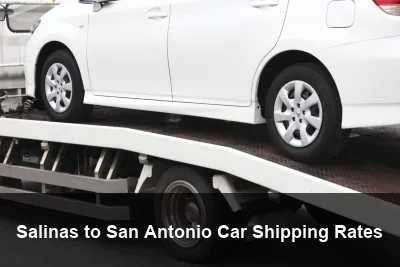
Rates on this corridor are influenced by the 1,821-mile distance, which places it in the long-haul pricing tier where per-mile costs drop but fuel exposure increases. Summer demand spikes — particularly June through August — driven by military PCS orders and student relocations push rates upward. Fuel surcharges on the I-10 corridor track closely with diesel prices across Arizona and Texas. See https://california.auto-transport-shipping.com/articles/how-gas-prices-impact-california-auto-transport-fees.html for a current breakdown of how fuel costs affect your quote on this route.
What affects the cost of Salinas to San Antonio car shipping:
- Vehicle type and size — larger vehicles take more carrier space; aftermarket additions like lift kits, oversized mirrors, or roof accessories can add fees
- Open vs. enclosed transport — open is lower cost with stronger carrier availability; enclosed protects against weather, debris, and road conditions
- Standard vs. expedited pickup — expedited prioritizes your vehicle for the next available dispatch, typically at a $100–$300 premium
- Time of year — peak demand seasons drive rates higher; off-peak windows offer the most competitive pricing
- Fuel costs — diesel prices affect carrier rates; longer routes are more sensitive to fuel price swings
- Vehicle condition — non-running vehicles require special loading equipment and cost more to ship
| Vehicle Type | Open Car Shipping (Est.) | Enclosed Car Shipping (Est.) |
|---|---|---|
| Sedan | $1,100 – $1,600 | $1,900 – $2,700 |
| SUV / Crossover | $1,300 – $1,900 | $2,200 – $3,100 |
| Pickup Truck | $1,300 – $1,950 | $2,200 – $3,150 |
| Minivan | $1,300 – $1,900 | $2,200 – $3,100 |
| Luxury / Classic Car | $1,550 – $2,200 | $2,600 – $3,600 |
| Non-Running Vehicle | Add $200–400 | Add $200–400 |
* Estimated ranges based on recent Salinas to San Antonio shipments. Actual rate depends on vehicle, locations, booking date, and current fuel costs. Use the form on this page to compare real quotes from licensed carriers.
Open vs. Enclosed: What This Route's Conditions Actually Require
Open transport is the practical choice for most standard vehicles on this corridor. The I-10 route through Arizona and West Texas is well-traveled and paved the entire way — road debris risk is manageable and weather exposure is limited outside of summer monsoon windows in southern Arizona (July through September). Enclosed transport makes sense if you're shipping a classic car, luxury vehicle, or anything with a fresh paint job you can't afford to expose to desert grit and road spray. Enclosed capacity is tighter from the Central Coast, which can add 3-5 days to your pickup window.
How Long Does Salinas to San Antonio Car Shipping Take?
Salinas to San Antonio typically takes 7 to 10 days from pickup to delivery under standard booking. Carriers serving this lane run the I-10 corridor regularly, but Salinas is not a primary pickup hub — most drivers stage out of Monterey, Gilroy, or the Bay Area, which can add 1-2 days to your initial wait. Once on the road, the drive time for this distance is approximately 26-28 hours, spread across multiple driving shifts. If timing is critical, expedited options exist — see https://california.auto-transport-shipping.com/articles/california-expedited-car-shipping-fast-cost.html for what that costs and when it's worth it.
| Service Type | Typical Transit | Pickup Window | Best For |
|---|---|---|---|
| Open — Standard | 7–10 days | 2–5 business days | Best value; most common choice on this route |
| Open — Expedited | 5–7 days | 1–2 business days | Firm arrival date; faster dispatch window |
| Enclosed — Standard | 7–10 days | 4–8 business days | Luxury, classic, or modified vehicles |
| Enclosed — Expedited | 5–7 days | 2–4 business days | High-value vehicles on a firm delivery deadline |
** Summer monsoon season in southern Arizona (July–September) can cause brief carrier delays due to flash flooding on I-10 near Tucson and Lordsburg, NM. Winter ice events on the elevated sections of I-10 through West Texas near Ozona and Sonora occasionally slow transit by 12-24 hours. Plan buffer days if your move date is firm.
Salinas to San Antonio — Route & Logistics
Carriers access this route from Salinas via US-101 northbound toward Gilroy or southbound toward King City, then transition east through the San Joaquin Valley. The primary long-haul path follows SR-46 or SR-58 to I-40 or I-10 eastbound, crossing Arizona and New Mexico before entering Texas at El Paso and running I-10 east to San Antonio — approximately 1,821 miles of mostly freeway-grade highway.
Key Corridor Waypoints
- Gilroy, CA Carriers often stage or consolidate loads in Gilroy, which sits at the US-101 and SR-152 junction south of San Jose. It's a practical meet-point for Salinas pickups when carriers are running north before heading east. Elevation is low — roughly 190 feet — and access to US-101 is straightforward. Expect this to be your effective pickup staging area if the carrier's route runs north first.
- Bakersfield, CA Bakersfield is the primary eastern transition point off the Central Valley. Carriers use SR-58 east out of Bakersfield to connect with I-40 near Barstow or take SR-46 east toward I-5 south and then SR-58. The city sits at roughly 400 feet elevation and functions as an overnight stop or fuel point for long-haul carriers before crossing the Mojave. It's also where loads heading to Texas split from those going to Nevada.
- Tucson, AZ Tucson sits at about 2,389 feet elevation on I-10 and is a standard overnight or driver-change point on this corridor. It's also the zone where summer monsoon activity is most likely to cause brief delays between July and September. Carriers typically fuel and rest here before pushing through southern New Mexico. Border Patrol checkpoints near Tucson may add minor time for inspection.
- El Paso, TX / Las Cruces, NM The El Paso-Las Cruces stretch is the Texas entry point on I-10 and sits at roughly 3,740 feet elevation — the highest point on most carrier routes for this trip. There are weigh stations and inspection points at the state line. Carriers often swap loads or drivers here. This is roughly 750 miles from San Antonio, representing the final leg of the haul.
- Ozona / Sonora, TX The stretch of I-10 between Ozona and Sonora crosses the Edwards Plateau at elevations around 2,300 to 2,500 feet. This section is remote — services are sparse and winter ice events occur occasionally on elevated bridges. It's a known slow-down zone for carriers during cold fronts. Carriers typically push through without stopping unless weather forces a pause.
- San Antonio, TX Carriers arrive via I-10 westbound into the city or from I-35 south depending on approach. Delivery in San Antonio is generally accessible across most residential zones, though downtown and the King William Historic District have narrow streets that may require staging one to two blocks from your address. Military base deliveries require coordination with gate access procedures — confirm gate hours and ID requirements with your carrier before arrival.
Pickup & Delivery Access
- Pickup Access in Salinas Salinas carriers primarily access the city via US-101 and SR-68. Most residential streets in the central and north Salinas areas accommodate standard transport trucks without issue. Rural routes south of town and in the Spreckels area may require a meet point at a commercial lot or highway pullout. The Northridge Mall parking area and industrial zones near Abbott Street are common carrier staging spots for Salinas pickups.
- Delivery Access in San Antonio San Antonio is carrier-accessible across most of its sprawling metro footprint. Suburban neighborhoods on the north side — Stone Oak, Alamo Ranch, and Helotes — are easy for transport trucks. Downtown and the River Walk district have clearance limitations and no parking zones that require staging a block or two away. Deliveries to Joint Base San Antonio installations require advance coordination for gate access — notify your carrier and have the recipient's base access credentials ready.
- Nearby Pickup Locations Carriers picking up in Salinas regularly extend service to Monterey, Seaside, and Gilroy. Call 1‑800‑590‑6492 to confirm door-to-door availability at your address.
Open vs. Enclosed Car Shipping: Salinas to San Antonio
Both options use licensed, insured carriers and deliver door to door. For a full breakdown, read the pros and cons of open vs. enclosed car shipping.
Open Car Shipping
Most Popular- Lower cost — the practical choice for most vehicles
- More carriers available on this corridor
- Faster dispatch from booking to pickup
- Works well for sedans, SUVs, trucks, and minivans
- Vehicle rides on an open multi-car carrier
- Cargo insurance required on all licensed carriers
Estimated cost: $1,100 – $1,950
Enclosed Car Shipping
Premium Protection- Full protection from weather, debris, and road grime
- Best for luxury, exotic, and classic vehicles
- Recommended for low-clearance and custom-built cars
- Wheel-net or soft-tie systems prevent contact damage
- Higher cargo coverage — commonly $500,000 per load
- White-glove handling by experienced operators
Estimated cost: $1,900 – $3,150
Not sure which is right for your vehicle? Call 1-800-590-6492 and we'll point you in the right direction. Also worth reading: the top 10 questions to ask any car shipping company before you commit.
How to Prepare Your Car for Shipping to San Antonio
A little prep before pickup protects you if there's ever a dispute about your vehicle's condition. This checklist is from our full guide on preparing your car for transport:
- Remove all personal belongings from the interior and trunk
- Leave only a quarter tank of fuel — enough to load and unload
- Take date-stamped photos of the full exterior and interior
- Remove or disable toll transponders (FasTrak, E-ZPass, etc.)
- Retract or remove roof racks, spoilers, antennas, and bike mounts
- Make sure the battery is charged and tires are properly inflated
- Tell the carrier about any existing leaks or mechanical issues
- Deactivate the car alarm before the carrier arrives
- Write down the mileage on the Bill of Lading at pickup
- Fold in side mirrors if the vehicle is wider than standard
Personal items: Most carriers won't cover belongings left in the car. Read the full rules on shipping personal items in your vehicle. Also review our Bill of Lading guide so you know exactly what to check at pickup and delivery.
When to Ship Your Car from Salinas to San Antonio
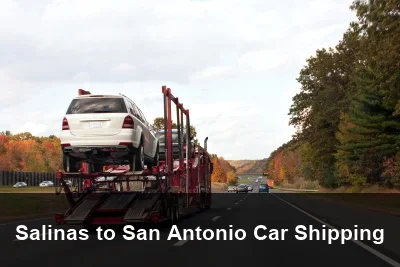
This corridor sees its highest demand and rates from May through August, driven by military PCS orders cycling out of Joint Base San Antonio and student moves tied to UTSA and regional universities. Winter volume is lower but not absent — snowbird traffic from California to Texas picks up October through December. Desert heat in summer can tighten enclosed trailer availability from the Central Coast. For winter-specific transit risks on this route, see https://california.auto-transport-shipping.com/articles/auto-transport-challenges-during-the-winter.html.
Spring PCS Season (March–May)
Military PCS orders for Joint Base San Antonio begin flowing in March and peak through May. Carrier demand from California to Texas rises sharply during this window. If you have orders, book 3-4 weeks ahead — open carrier space on I-10 fills quickly when the PCS cycle accelerates. Rates in April and May run noticeably higher than winter months. Flexibility on pickup dates of 2-3 days helps you avoid paying peak-day premiums.
Peak Summer Demand (June–August)
This is the highest-demand and highest-rate period on the Salinas-to-San Antonio corridor. Military relocations, student move-ins at UTSA, and general civilian relocation combine to drive carrier rates up 15-25% above the annual average. Book at minimum 4 weeks out. Summer monsoon weather in southern Arizona adds a transit variable in July and August — plan a buffer day on either end of your target delivery window.
Fall Snowbird Window (October–December)
Californians relocating to Texas before winter add consistent westbound volume in the fall, but eastbound demand from the Central Coast also stays steady. October and November offer a relative pricing sweet spot — demand is moderate, weather on I-10 is cooperative, and carrier availability is better than summer. If your move is flexible, this is one of the more cost-effective windows on this route.
Winter Transit Caution (December–February)
The Salinas-to-San Antonio route is generally passable in winter, but West Texas ice events on the Edwards Plateau can add 1-2 days of transit delay. The I-10 corridor near Ozona and Sonora sees occasional road closures during hard freezes. Carriers may reroute or hold loads. Rates are typically lowest in January and February, but budget additional buffer days if delivery timing is critical. See https://california.auto-transport-shipping.com/articles/auto-transport-challenges-during-the-winter.html.
Student Move Cycles (August & January)
UTSA enrolls over 34,000 students, and Trinity University, Our Lady of the Lake, and St. Mary's University all generate inbound vehicle demand in late July through mid-August and again in early January. If you're a student or parent shipping a vehicle to San Antonio for the semester, book at least 3 weeks before your target arrival date during these windows. Carrier slots to San Antonio tighten quickly when university move-in dates converge.
Military PCS Peak (May–July)
Joint Base San Antonio — encompassing Lackland AFB, Fort Sam Houston, and Randolph AFB — is one of the largest military training complexes in the country. PCS orders with summer report dates make May through July the single most competitive booking period on this route. Servicemembers should request quotes immediately upon receiving orders. Confirm gate delivery logistics and have your military ID and orders copy ready for the carrier before delivery day.
How to Choose a Salinas to San Antonio Car Shipping Company
Getting multiple quotes is step one — knowing what to look for in those quotes matters just as much. Our guide on how to select a car shipping company covers the full process. Here are the six things that matter most:
FMCSA Registration
Every carrier or broker must hold a valid MC number. Verify any company at FMCSA SAFER before you book.
Proof of Insurance
Ask for a current certificate of insurance. Open carriers typically carry $100,000–$250,000 per load; enclosed commonly $500,000 or more. Learn what auto transport insurance covers.
All-In Pricing
Your quote should be a final number with no fees added after booking. Know the difference between brokers and carriers and confirm what the quote covers before you agree.
Bill of Lading
A complete Bill of Lading is filled out at pickup and delivery. Our Bill of Lading guide explains what to check. Never sign an incomplete one.
Real Reviews
Check Google and the BBB. Look at how they handled complaints and damage claims — that tells you more than a five-star average from happy customers.
Route Experience
A carrier who runs the Salinas-to-San Antonio lane regularly knows that Salinas pickups work best when the driver is already running a Bay Area or Monterey load — trying to deadhead to Salinas just for one vehicle adds cost. Experienced operators stage loads in Gilroy or King City and consolidate before heading east on SR-46 through Bakersfield. They know the weigh station timing at Ft. Irwin Road on I-40 and the inspection patterns at the New Mexico-Texas state line near Anthony. They also know that summer monsoon windows between Tucson and Lordsburg are unpredictable before 3 PM — most seasoned drivers push that stretch in the morning. Delivery in San Antonio near JBSA-Lackland requires calling ahead for gate protocols, not assuming civilian access applies.
Salinas to San Antonio Car Shipping — FAQ
How much does it cost to ship a car from Salinas to San Antonio?
Rates on this 1,821-mile corridor typically range from $1,050 to $1,600 for open transport on a standard sedan or compact SUV, depending on the time of year and current fuel costs. Enclosed transport runs $1,700 to $2,400 for the same vehicle class. Rates are highest May through August due to military PCS demand and student relocations into San Antonio. January and February offer the lowest rates but require buffer days for potential West Texas weather delays. Your specific quote will depend on your vehicle's size, condition, and your preferred pickup window.
How long does Salinas to San Antonio car shipping take?
Standard transit on this route runs 7 to 10 days from confirmed pickup to delivery. The driving time for 1,821 miles is approximately 26-28 hours across multiple carrier shifts, but load consolidation in the Salinas-Monterey area and carrier scheduling add to that window. Salinas is not a primary carrier hub, so your vehicle may stage briefly in Gilroy or Bakersfield before the haul begins. If you have a firm delivery deadline, expedited shipping can compress transit to 5-7 days — see https://california.auto-transport-shipping.com/articles/california-expedited-car-shipping-fast-cost.html for current pricing on that option.
Is my car insured during transport from Salinas to San Antonio?
Yes. Every licensed carrier operating on this route is required by federal law to carry cargo insurance. Your vehicle is covered under the carrier's policy from the moment it's loaded in Salinas until it's unloaded in San Antonio. Coverage limits and deductibles vary by carrier, so confirm the specific policy details before you sign the contract. Document your vehicle's condition with timestamped photos before pickup and review the bill of lading carefully at both ends. For a full explanation of how coverage works, see https://california.auto-transport-shipping.com/articles/understanding-auto-transport-insurance.html. If you need to file a claim, the process is outlined at https://california.auto-transport-shipping.com/articles/how-to-file-a-claim-for-vehicle-damage-during-transport.html.
Should I choose open or enclosed transport for this route?
Open transport is adequate for the majority of vehicles shipped on this corridor. The I-10 route is paved freeway the entire way, and road debris exposure is comparable to any long-haul interstate lane. The primary weather variable is desert dust and occasional monsoon rain in southern Arizona between July and September — neither of which causes significant damage to standard vehicles. Enclosed transport is worth the premium for classic cars, exotics, or freshly painted vehicles where any exposure is unacceptable. Note that enclosed availability from Salinas is limited compared to Bay Area hubs. Full comparison at https://california.auto-transport-shipping.com/articles/open-vs-enclosed-auto-transport-pros-and-cons.html.
Do I have to be present at pickup in Salinas and delivery in San Antonio?
You don't have to be present in person, but someone you authorize must be available at both ends to sign the bill of lading, hand off the keys, and conduct the vehicle inspection. This can be a family member, friend, neighbor, or building manager — as long as they're 18 or older and understand they're signing a binding condition report. The bill of lading is the legal record that protects you if a damage dispute arises, so whoever signs it needs to actually inspect the vehicle, not just sign quickly. More on this at https://california.auto-transport-shipping.com/articles/california-auto-transport-bill-of-lading-information.html.
Does the military cover auto transport costs for PCS moves to Joint Base San Antonio?
The military reimburses a portion of PCS relocation costs, but direct carrier payment through the government is limited. Most servicemembers shipping a privately owned vehicle (POV) to JBSA-Lackland, Fort Sam Houston, or Randolph AFB use the Defense Personal Property System (DPS) for one government-arranged shipment, but many find it faster and more flexible to arrange a civilian transport broker and submit receipts for reimbursement. Confirm your entitlements with your unit's transportation officer before booking. When you book civilian transport, make sure the carrier knows the delivery is going to a military installation — gate access procedures apply, and not every driver is familiar with JBSA protocols.
What are the weather risks on the Salinas to San Antonio route?
The primary weather risks on this corridor fall into two categories: summer monsoons in southern Arizona and winter ice in West Texas. From July through September, the stretch of I-10 between Tucson and Lordsburg, NM sees flash flooding that can temporarily close lanes and delay carriers by 12-24 hours. Between December and February, elevated sections of I-10 on the Edwards Plateau near Ozona and Sonora, TX occasionally ice over during hard freezes, causing carrier holds or reroutes. Neither risk is frequent enough to avoid shipping in those months, but build a 1-2 day buffer into your delivery window if your timeline is fixed during those periods.
Can I ship a non-running vehicle from Salinas to San Antonio?
Yes, non-running vehicles can be shipped on this route, but you need to disclose the condition upfront when requesting your quote. Carriers need to know whether the vehicle rolls, steers, and brakes — even if it doesn't start — because loading it requires a winch if it can't be driven onto the truck. Non-running vehicle transport typically adds $150 to $300 to the base rate and may limit which carriers can accept the load, potentially extending your pickup window by a few days from Salinas. Make sure the carrier you book has the equipment to handle a non-operational vehicle before you confirm the order.
Ready to Ship Your Car from Salinas to San Antonio?
One form gets you up to 10 free quotes from licensed, insured carriers. Compare costs and transit times and book the best deal for your schedule.