
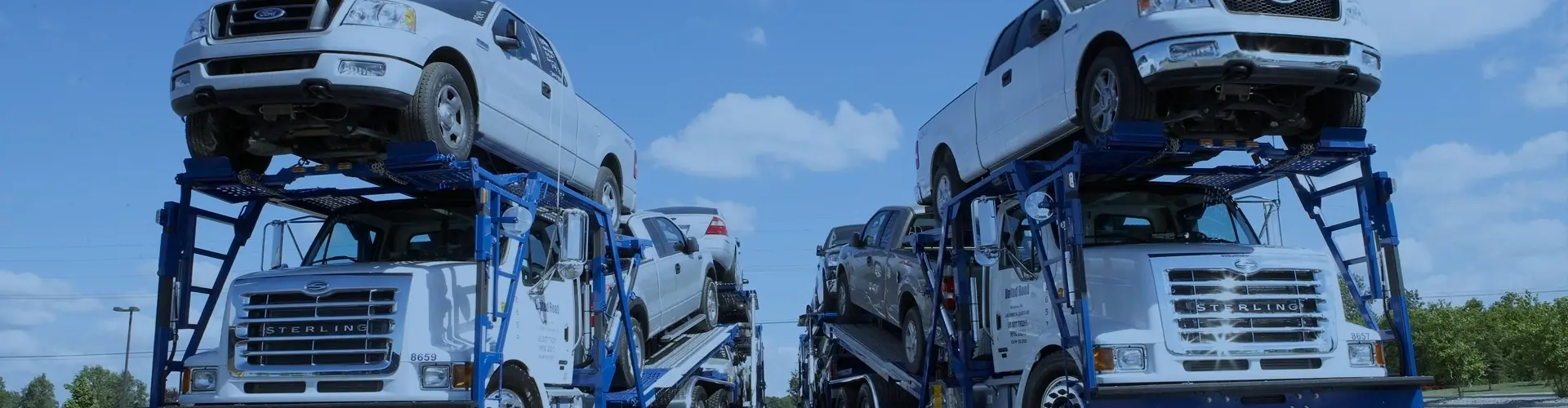
Salinas to Boston Car Shipping Route
Salinas sits at the northern end of the Salinas Valley, and carriers reach the main transport corridors via US-101 north toward Gilroy or south toward San Luis Obispo, or via SR-68 west into Monterey for vehicles staging there. From the junction at Gilroy, trucks typically merge onto I-5 south or cut east on I-152 to connect with I-99 and I-40. The full coast-to-coast run to Boston covers approximately 3,095 miles. Driving that yourself would take five to six days of hard travel. Auto transport spares you the mileage, the fuel cost, and the wear — details covered at https://california.auto-transport-shipping.com/articles/benefits-of-auto-transport-service-vs-driving-yourself.html.
Boston's demand drivers are layered. Massachusetts General Hospital, Brigham and Women's, Harvard Medical School, and dozens of biotech employers in Kendall Square generate a steady flow of professional relocations. Northeastern University, Boston College, and Tufts add student volume every August and May. Hanscom Air Force Base in Bedford, about 20 miles northwest of downtown, drives military PCS moves on both ends of the corridor. Winter on the I-90 stretch through upstate New York and western Massachusetts can produce snow delays from November through March. Book early for late-summer moves and plan buffer days for January through February transits. Avoid common planning errors at https://california.auto-transport-shipping.com/articles/auto-transport-mistakes-to-avoid.html.
Salinas to Boston Car Shipping Rates

At roughly 3,095 miles, this is a long-haul corridor, and base rates reflect that distance tier. Expect open transport quotes in the $1,200–$1,800 range depending on season, fuel prices, and vehicle size. Summer and early fall spike rates due to university and military demand. Diesel prices significantly affect what carriers charge on a run this long — see how that breaks down at https://california.auto-transport-shipping.com/articles/how-gas-prices-impact-california-auto-transport-fees.html. Enclosed transport adds roughly 40–60 percent to the base rate.
What affects the cost of Salinas to Boston car shipping:
- Vehicle type and size — larger vehicles take more carrier space; aftermarket additions like lift kits, oversized mirrors, or roof accessories can add fees
- Open vs. enclosed transport — open is lower cost with stronger carrier availability; enclosed protects against weather, debris, and road conditions
- Standard vs. expedited pickup — expedited prioritizes your vehicle for the next available dispatch, typically at a $100–$300 premium
- Time of year — peak demand seasons drive rates higher; off-peak windows offer the most competitive pricing
- Fuel costs — diesel prices affect carrier rates; longer routes are more sensitive to fuel price swings
- Vehicle condition — non-running vehicles require special loading equipment and cost more to ship
| Vehicle Type | Open Car Shipping (Est.) | Enclosed Car Shipping (Est.) |
|---|---|---|
| Sedan | $1,100 – $1,600 | $1,900 – $2,700 |
| SUV / Crossover | $1,300 – $1,900 | $2,200 – $3,100 |
| Pickup Truck | $1,300 – $1,950 | $2,200 – $3,150 |
| Minivan | $1,300 – $1,900 | $2,200 – $3,100 |
| Luxury / Classic Car | $1,550 – $2,200 | $2,600 – $3,600 |
| Non-Running Vehicle | Add $200–400 | Add $200–400 |
* Estimated ranges based on recent Salinas to Boston shipments. Actual rate depends on vehicle, locations, booking date, and current fuel costs. Use the form on this page to compare real quotes from licensed carriers.
Open vs. Enclosed: What This 3,000-Mile Run Demands
Most standard vehicles ship open on this corridor without issue. Carriers running I-40 and I-90 are experienced with long-haul open transport, and exposure risk on the highway is manageable for everyday cars, trucks, and SUVs. Choose enclosed if you're moving a luxury vehicle, classic car, or low-clearance performance car — the New England leg in winter adds road salt and debris exposure. If you're shipping between November and March, enclosed is worth the premium for anything with a paint job worth protecting.
How Long Does Salinas to Boston Car Shipping Take?
Salinas to Boston runs 10 to 14 days under normal conditions. Carrier frequency out of the Salinas area is moderate — US-101 trucks run regularly, but Salinas is not a primary pickup hub the way Los Angeles or San Jose are, so allow two to four days for carrier assignment. The drive itself is roughly 46 hours of moving time. High-demand windows compress that range; off-peak winter moves may push toward the longer end. For time-sensitive shipments, expedited options exist — see https://california.auto-transport-shipping.com/articles/california-expedited-car-shipping-fast-cost.html.
| Service Type | Typical Transit | Pickup Window | Best For |
|---|---|---|---|
| Open — Standard | 7–10 days | 2–5 business days | Best value; most common choice on this route |
| Open — Expedited | 5–7 days | 1–2 business days | Firm arrival date; faster dispatch window |
| Enclosed — Standard | 7–10 days | 4–8 business days | Luxury, classic, or modified vehicles |
| Enclosed — Expedited | 5–7 days | 2–4 business days | High-value vehicles on a firm delivery deadline |
** Winter weather on the I-90 corridor through western Massachusetts and upstate New York can add two to three days between November and March. Snow events, inspection delays, and reduced driving hours in icy conditions are the primary causes. If your delivery window is firm, build in a buffer and confirm your carrier's winter routing plan.
Salinas to Boston — Route & Logistics
Carriers access Salinas via US-101 from the north or south, or via SR-68 from Monterey. From Salinas, the typical route moves north on US-101 to Gilroy, east on I-152 to connect with I-5 or I-99, then transitions to I-40 or I-80 eastbound. The final segment enters Boston via I-90 east through Worcester and into the metro.
Key Corridor Waypoints
- Gilroy, CA First major staging junction after leaving Salinas on US-101 north. Carriers use Gilroy as a consolidation point where Salinas and Monterey vehicles are often combined with loads coming up from Salinas Valley. I-152 east connects here toward I-5 and the Central Valley interchange. Truck stops near US-101 and Leavesley Road provide fuel and overnight options.
- Barstow, CA Critical interchange city at the junction of I-15 and I-40 in the Mojave Desert, elevation approximately 2,100 feet. Carriers running the southern cross-country route transition to I-40 eastbound here. Barstow functions as a natural overnight and inspection stop. Summer temperatures regularly exceed 105°F, so carriers loading vehicles here in July and August factor in heat exposure.
- Albuquerque, NM Major mid-route hub at the intersection of I-40 and I-25, elevation 5,312 feet. Carriers often swap drivers or stage loads here. The elevation and dry climate at this point mean no weather issues most of the year, but early November snowstorms on the Tijeras Canyon approach east of town can cause brief delays. A common overnight stop on the 10-to-14-day run.
- Oklahoma City, OK Eastern edge of the plains stretch along I-40, where carriers pick up speed across flat terrain. OKC is a regular driver exchange and load consolidation point. Severe weather — tornadoes and ice storms — can affect I-40 east of here from March through May and November through January. Carriers monitor conditions carefully through this segment.
- Columbus, OH Carriers running I-70 eastbound from St. Louis pass through Columbus before transitioning north toward I-90 or continuing east on I-76 and I-80 toward Pennsylvania and New York. Columbus is a standard overnight stop on the eastern push. The I-270 beltway is used to avoid downtown congestion during peak hours. Distance to Boston from here is roughly 730 miles.
- Worcester, MA Final major waypoint before Boston, located 45 miles west of the city on I-90. Carriers assess traffic and delivery windows here. Trucks bound for suburban Boston destinations often stage in Worcester-area lots overnight to avoid downtown Boston morning congestion. The I-290 and I-395 interchanges at Worcester also serve carriers with South Shore and North Shore deliveries.
Pickup & Delivery Access
- Pickup Access in Salinas Salinas carrier access is solid along US-101 corridors near downtown and the agricultural district. Wide streets around the Salinas Sports Complex area and East Market Street corridor handle car-carrier trucks without issue. Rural properties west toward Spreckels or east of town on Alisal Road may require a meet point closer to US-101. Carriers will confirm a precise pickup location when they contact you after booking.
- Delivery Access in Boston Boston's narrow streets and dense neighborhoods create real constraints for car carriers. The South End, Beacon Hill, and the North End are largely inaccessible to full-length transporters. Carriers typically deliver to staging areas in South Boston near the seaport, Brighton, or Dedham and ask you to meet them there. Suburban Boston addresses in Newton, Brookline, or Cambridge are more accessible. Confirm your delivery area with the carrier ahead of time.
- Nearby Pickup Locations Carriers picking up in Salinas regularly extend service to Monterey, Seaside, and Gilroy. Call 1‑800‑590‑6492 to confirm door-to-door availability at your address.
Open vs. Enclosed Car Shipping: Salinas to Boston
Both options use licensed, insured carriers and deliver door to door. For a full breakdown, read the pros and cons of open vs. enclosed car shipping.
Open Car Shipping
Most Popular- Lower cost — the practical choice for most vehicles
- More carriers available on this corridor
- Faster dispatch from booking to pickup
- Works well for sedans, SUVs, trucks, and minivans
- Vehicle rides on an open multi-car carrier
- Cargo insurance required on all licensed carriers
Estimated cost: $1,100 – $1,950
Enclosed Car Shipping
Premium Protection- Full protection from weather, debris, and road grime
- Best for luxury, exotic, and classic vehicles
- Recommended for low-clearance and custom-built cars
- Wheel-net or soft-tie systems prevent contact damage
- Higher cargo coverage — commonly $500,000 per load
- White-glove handling by experienced operators
Estimated cost: $1,900 – $3,150
Not sure which is right for your vehicle? Call 1-800-590-6492 and we'll point you in the right direction. Also worth reading: the top 10 questions to ask any car shipping company before you commit.
How to Prepare Your Car for Shipping to Boston
A little prep before pickup protects you if there's ever a dispute about your vehicle's condition. This checklist is from our full guide on preparing your car for transport:
- Remove all personal belongings from the interior and trunk
- Leave only a quarter tank of fuel — enough to load and unload
- Take date-stamped photos of the full exterior and interior
- Remove or disable toll transponders (FasTrak, E-ZPass, etc.)
- Retract or remove roof racks, spoilers, antennas, and bike mounts
- Make sure the battery is charged and tires are properly inflated
- Tell the carrier about any existing leaks or mechanical issues
- Deactivate the car alarm before the carrier arrives
- Write down the mileage on the Bill of Lading at pickup
- Fold in side mirrors if the vehicle is wider than standard
Personal items: Most carriers won't cover belongings left in the car. Read the full rules on shipping personal items in your vehicle. Also review our Bill of Lading guide so you know exactly what to check at pickup and delivery.
When to Ship Your Car from Salinas to Boston
This route has clear demand peaks and weather windows that affect both pricing and transit time. Late summer — July through September — is the highest-demand period driven by university moves and military PCS orders. Rates climb and carrier slots fill faster. Winter months carry lower base rates but add transit risk on the New England leg. For winter shipping specifics, review https://california.auto-transport-shipping.com/articles/auto-transport-challenges-during-the-winter.html before booking a November through February move.

Spring PCS Season (March–May)
Military PCS orders from the Presidio of Monterey and Fort Hunter Liggett generate a consistent wave of vehicles moving east in spring. Hanscom AFB near Boston is a common receiving installation. Book at least two to three weeks ahead during this window. Rates are moderate but rising. Carriers are active and frequency out of the Salinas-Monterey corridor is at its best during this period.
Peak Summer (June–August)
The busiest window on this corridor. Harvard, MIT, Northeastern, Boston University, and Tufts all drive August move-in demand. Combined with continued PCS season and corporate relocations into the Boston biotech corridor, carriers fill quickly. Rates reach their annual high in late July and August. Book four to six weeks out if you need a specific pickup window. Flexibility on pickup date saves money.
Student Move-Out (May–June)
May generates a reverse flow — vehicles moving from Boston back west — but eastbound loads from California remain steady as incoming students replace outgoing ones. Biotech and hospital hiring cycles peak in June, adding professional relocation volume. Rates hold firm. This is one of the better windows for reliable carrier assignment from Salinas because trucks are running full in both directions.
Winter Shipping (November–February)
Rates drop in winter but transit time grows. I-90 through western Massachusetts sees regular snow events. Carriers adjust routing and slow through the Albany-to-Boston stretch. Budget 12 to 16 days rather than 10 to 12. Enclosed transport is worth serious consideration if you're shipping a luxury or classic vehicle during this window. Road salt exposure on the New England approach is real and damages paint and undercarriage.
Fall Academic Demand (September–October)
Graduate programs and mid-year academic appointments keep demand elevated into October. Boston-area hospital residency programs starting in September also push vehicle shipments. Rates begin softening by late October as the summer surge fades. This is a good window to ship — carrier frequency remains high, weather is still manageable on I-40 and I-90, and you often find better pricing than peak summer.
How to Choose a Salinas to Boston Car Shipping Company
Getting multiple quotes is step one — knowing what to look for in those quotes matters just as much. Our guide on how to select a car shipping company covers the full process. Here are the six things that matter most:
FMCSA Registration
Every carrier or broker must hold a valid MC number. Verify any company at FMCSA SAFER before you book.
Proof of Insurance
Ask for a current certificate of insurance. Open carriers typically carry $100,000–$250,000 per load; enclosed commonly $500,000 or more. Learn what auto transport insurance covers.
All-In Pricing
Your quote should be a final number with no fees added after booking. Know the difference between brokers and carriers and confirm what the quote covers before you agree.
Bill of Lading
A complete Bill of Lading is filled out at pickup and delivery. Our Bill of Lading guide explains what to check. Never sign an incomplete one.
Real Reviews
Check Google and the BBB. Look at how they handled complaints and damage claims — that tells you more than a five-star average from happy customers.
Route Experience
A carrier who runs the Salinas-to-Boston lane regularly knows that the Gilroy merge is the first bottleneck — loads from Monterey and Salinas sometimes need to stage in Gilroy while a truck fills before heading east. They know that the I-40 stretch through New Mexico and the Texas panhandle is fast and flat but that Albuquerque weather can shut down Tijeras Pass in November with almost no warning. They know to approach Boston delivery from the west on I-90 rather than trying surface streets, and they know that South Boston staging lots near the convention center are the practical handoff point for vehicles headed to the peninsula neighborhoods. That routing knowledge is what separates an experienced carrier from one guessing their way through a 3,000-mile run.
Salinas to Boston Car Shipping — FAQ
How much does it cost to ship a car from Salinas to Boston?
Expect open transport quotes in the range of $1,200 to $1,800 for a standard sedan or SUV on this 3,095-mile corridor. Larger vehicles — trucks, vans, full-size SUVs — add $100 to $300 to the base rate. Enclosed transport runs roughly 40 to 60 percent higher. Rates peak in July and August when university and military PCS demand spikes, and drop in the November through February off-peak window. Fuel prices are a significant variable on a run this long — that pricing dynamic is explained in detail at https://california.auto-transport-shipping.com/articles/how-gas-prices-impact-california-auto-transport-fees.html. Get a current quote using the form on this page for your specific dates and vehicle.
How long does Salinas to Boston car shipping take?
Standard transit time on this route is 10 to 14 days from carrier pickup to delivery. Factor in two to four days for carrier assignment after you book — Salinas is not a primary transport hub, so there's some lead time before a truck physically arrives. The driving distance of roughly 3,095 miles represents about 46 hours of moving time for a carrier, spread over multiple days with mandatory rest stops. Winter months push transit toward the longer end of that range due to snow conditions on I-90 east of Albany. If your timeline is firm, expedited options can help — see https://california.auto-transport-shipping.com/articles/california-expedited-car-shipping-fast-cost.html.
Is my car insured during transport from Salinas to Boston?
Yes. Every licensed carrier is required by federal law to carry cargo insurance covering your vehicle during transport. Before your vehicle is loaded, the carrier completes a Bill of Lading documenting the vehicle's existing condition with both you and the driver signing off. At delivery, you inspect again and note any new damage before signing. If damage occurs in transit, that documentation is your evidence for a claim. For a full explanation of how carrier insurance works and what it covers, read https://california.auto-transport-shipping.com/articles/understanding-auto-transport-insurance.html. If you ever need to file a claim, the process is outlined at https://california.auto-transport-shipping.com/articles/how-to-file-a-claim-for-vehicle-damage-during-transport.html.
Should I choose open or enclosed transport for the Salinas to Boston route?
Open transport is appropriate for most standard vehicles on this corridor. Carriers running I-40 and I-90 are experienced with long-haul open loads, and road exposure risk for everyday cars and SUVs is manageable. Choose enclosed if you're shipping a luxury vehicle, classic car, or low-clearance performance vehicle — particularly for winter moves from November through March, when the New England approach involves road salt, sand, and debris. The added cost is worth it for vehicles where paint and undercarriage protection matter. The full breakdown of open vs. enclosed tradeoffs is at https://california.auto-transport-shipping.com/articles/open-vs-enclosed-auto-transport-pros-and-cons.html.
Do I have to be present at pickup in Salinas and delivery in Boston?
You or an authorized representative must be present at both pickup and delivery to complete the Bill of Lading inspection. You don't have to be there personally — a trusted adult who can document vehicle condition and sign paperwork is sufficient. At pickup in Salinas, they'll walk the vehicle with the driver and sign the initial condition report. At delivery in Boston, they'll inspect again and note any discrepancies before signing. That documentation protects you in any damage dispute. For details on what the Bill of Lading covers and why it matters, see https://california.auto-transport-shipping.com/articles/california-auto-transport-bill-of-lading-information.html.
How does winter weather affect my Salinas to Boston shipment?
The California and Southwest portions of the route — through the Mojave, New Mexico, and Texas — are largely unaffected by winter weather. The risk window opens in the Midwest and intensifies on I-90 east of Cleveland and through upstate New York into western Massachusetts. Carriers encounter snow, ice, and reduced speed limits in this stretch from November through March. That can add two to three days to your transit time. Book with buffer days built in if you're shipping between November and February, and review the full picture of winter shipping challenges at https://california.auto-transport-shipping.com/articles/auto-transport-challenges-during-the-winter.html.
I'm on military orders from the Presidio of Monterey. How does that affect my booking?
PCS moves from the Presidio of Monterey or Fort Hunter Liggett to installations near Boston — Hanscom Air Force Base in Bedford is the most common receiving point — follow the same booking process as civilian shipments, but your timing may be tighter. Military PCS season peaks March through August, which is also peak demand on this corridor. Book as soon as your orders are confirmed. Carriers familiar with this lane know the Presidio area pickup logistics and the Hanscom delivery area. Bring your orders paperwork to pickup; some military members also use their government travel card for transport payments.
Can I ship personal items inside my car during transport?
Carriers generally allow a small amount of personal items in the trunk — typically up to 100 pounds — but this is not regulated cargo and is not covered by the carrier's cargo insurance if damaged or stolen. Do not pack anything in the passenger cabin or on seats; carriers can refuse the load or charge extra if items obstruct their view of vehicle condition during inspection. High-value items, electronics, and documents should travel with you, not in the vehicle. Check with your specific carrier before loading anything, as policies vary and some carriers on long-haul runs like this one prohibit personal items entirely.
Ready to Ship Your Car from Salinas to Boston?
One form gets you up to 10 free quotes from licensed, insured carriers. Compare costs and transit times and book the best deal for your schedule.