
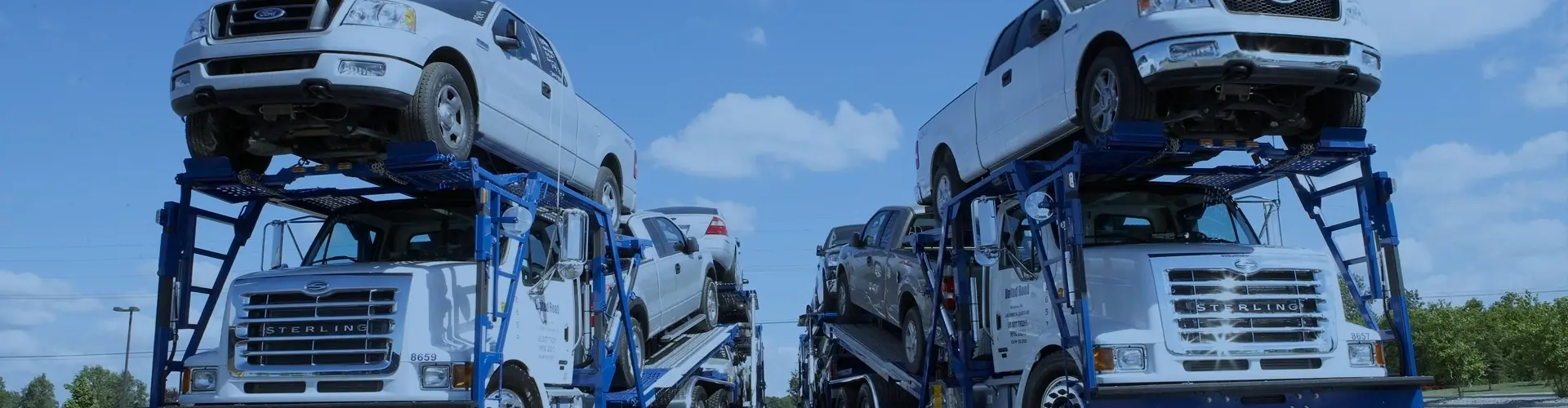
Los Angeles to Moreno Valley Car Shipping Route
Los Angeles to Moreno Valley covers approximately 68 miles via the I-10 East corridor, which is the primary carrier route for this run. From central Los Angeles, carriers access I-10 directly or connect via I-5, I-110, or I-405 depending on their pickup quadrant. The route transitions from dense urban freeway through the San Gabriel Valley before crossing into Riverside County. At roughly 60 minutes of drive time under light traffic, this is a short haul by transport standards, but having a carrier move your vehicle still saves significant wear, fuel, and risk versus driving yourself. Review the case for professional transport here: https://california.auto-transport-shipping.com/articles/benefits-of-auto-transport-service-vs-driving-yourself.html
Moreno Valley demand is anchored by March Air Reserve Base, which generates consistent military PCS moves throughout the year — servicemembers shipping privately owned vehicles as orders change. UC Riverside, located just west of Moreno Valley, adds student relocation demand in August and May. The city's logistics corridor along the 60 Freeway, home to Amazon's regional fulfillment center and the planned World Logistics Center development, draws a workforce relocating from Los Angeles County. Weather on this corridor is generally mild, though summer temperatures in the Inland Empire regularly exceed 100°F, which has implications for open-carrier transport timing. Before booking, review: https://california.auto-transport-shipping.com/articles/auto-transport-mistakes-to-avoid.html
Los Angeles to Moreno Valley Car Shipping Rates
At 68 miles, this route falls in the short-haul pricing tier, where per-mile rates are higher than long-distance shipments but total cost remains low. Rates typically range from $200 to $400 depending on vehicle size, transport type, and booking lead time. Summer demand from Inland Empire relocations can tighten carrier availability and push rates slightly higher. Diesel pricing directly affects what carriers quote on short corridors like this — understand the relationship at https://california.auto-transport-shipping.com/articles/how-gas-prices-impact-california-auto-transport-fees.html
What affects the cost of Los Angeles to Moreno Valley car shipping:
- Vehicle type and size — larger vehicles take more carrier space; aftermarket additions like lift kits, oversized mirrors, or roof accessories can add fees
- Open vs. enclosed transport — open is lower cost with stronger carrier availability; enclosed protects against weather, debris, and road conditions
- Standard vs. expedited pickup — expedited prioritizes your vehicle for the next available dispatch, typically at a $100–$300 premium
- Time of year — peak demand seasons drive rates higher; off-peak windows offer the most competitive pricing
- Fuel costs — diesel prices affect carrier rates; longer routes are more sensitive to fuel price swings
- Vehicle condition — non-running vehicles require special loading equipment and cost more to ship
| Vehicle Type | Open Car Shipping (Est.) | Enclosed Car Shipping (Est.) |
|---|---|---|
| Sedan | $350 – $500 | $700 – $950 |
| SUV / Crossover | $400 – $600 | $800 – $1,100 |
| Pickup Truck | $400 – $600 | $800 – $1,100 |
| Minivan | $400 – $600 | $800 – $1,100 |
| Luxury / Classic Car | $500 – $700 | $950 – $1,300 |
| Non-Running Vehicle | Add $100–200 | Add $100–200 |
* Estimated ranges based on recent Los Angeles to Moreno Valley shipments. Actual rate depends on vehicle, locations, booking date, and current fuel costs. Use the form on this page to compare real quotes from licensed carriers.
Open vs. Enclosed: What This Inland Empire Route Actually Needs
Open transport is the right call for most vehicles on this corridor. The I-10 route through the San Gabriel Valley and into Riverside County is a standard freight lane with predictable conditions. Summer heat in the Inland Empire is the main variable — temperatures regularly exceed 105°F in Moreno Valley from June through September. For daily drivers, open carriers handle this without issue. If you're moving a classic car, exotic, or freshly detailed vehicle and want protection from heat-driven dust and road debris in the desert-adjacent stretch near Riverside County, enclosed is worth the premium.
How Long Does Los Angeles to Moreno Valley Car Shipping Take?
Transit on the Los Angeles to Moreno Valley route is typically one day, often same-day or next-day depending on when the carrier loads. Because this is a short haul within an active Inland Empire carrier network, vehicles frequently move as part of a multi-stop regional run rather than a dedicated trip. Los Angeles dispatch coverage is daily, so scheduling windows are short. If you need guaranteed same-day movement, expedited service is available — details here: https://california.auto-transport-shipping.com/articles/california-expedited-car-shipping-fast-cost.html
| Service Type | Typical Transit | Pickup Window | Best For |
|---|---|---|---|
| Open — Standard | 1–2 days | 1–3 business days | Best value; most common choice on this route |
| Open — Expedited | Same–1 day | Next day–1 business day | Firm arrival date; faster dispatch window |
| Enclosed — Standard | 2–3 days | 2–5 business days | Luxury, classic, or modified vehicles |
| Enclosed — Expedited | 1–2 days | 1–2 business days | High-value vehicles on a firm delivery deadline |
** Summer traffic on the I-10 through the San Gabriel Valley is the most common delay factor — westbound congestion in the evening can push multi-stop carrier schedules into the following morning. Peak summer heat may also cause carriers to adjust delivery timing to avoid midday hours in the Inland Empire.
Los Angeles to Moreno Valley — Route & Logistics
Carriers serving this route use I-10 East as the primary spine, entering from downtown Los Angeles or connecting via I-5, I-110, or I-405 from surrounding quadrants. The route crosses through the San Gabriel Valley, passes through Pomona, and continues into Riverside County via the SR-60 or I-10 interchange near Ontario before reaching Moreno Valley — 68 miles total.
Key Corridor Waypoints
- Los Angeles, CA — Origin Staging Carriers pick up vehicles from across metro Los Angeles, accessing I-10 East from interchanges at I-5, I-110, I-405, and US-101. Pickups in dense West LA or Hollywood may use nearby commercial lots or street-accessible staging points. Burbank, Glendale, and Pasadena pickups typically feed directly onto I-210 or I-10 without added complexity.
- El Monte, CA — San Gabriel Valley Transition El Monte sits at the I-10 and I-605 interchange, a common carrier waypoint where multi-stop runs consolidate loads heading east. Traffic density drops noticeably east of this point, and carriers often make final route adjustments here. Elevation is approximately 290 feet — flat terrain continues into Pomona with no significant grade changes.
- Pomona, CA — I-10 / SR-60 Split Carriers heading to Moreno Valley choose between continuing on I-10 toward the I-15 junction or taking SR-60 directly into Riverside County. The SR-60 route is generally preferred for Moreno Valley delivery — it runs more directly and avoids the Ontario Mills interchange congestion common on I-10 during afternoon hours.
- Riverside, CA — County Boundary and UC Riverside Proximity Carriers cross into Riverside County before reaching the city of Riverside, where SR-60 and SR-91 intersect. This interchange serves as a navigation point for vehicles destined for UC Riverside versus Moreno Valley proper. Elevation remains low at roughly 850 feet. No significant weather or grade concerns at this stage.
- Moreno Valley, CA — Delivery Zone Delivery access in Moreno Valley is generally carrier-friendly along the main arterials including Alessandro Boulevard, Perris Boulevard, and Frederick Street. Residential subdivisions in the north and east sections of the city are accessible for standard 10-car open carriers. March Air Reserve Base deliveries require coordination with base access protocols in advance.
Pickup & Delivery Access
- Pickup Access in Los Angeles Los Angeles offers carrier access across all quadrants daily. I-10, I-5, I-110, and I-405 serve as primary on-ramps for carriers loading in different zones. Dense urban cores like Downtown LA, Koreatown, or Hollywood may require meet-point coordination at a nearby commercial parking area. Pasadena, El Monte, and Torrance pickups are straightforward — street access and carrier-sized vehicle movement are standard in those areas.
- Delivery Access in Moreno Valley Moreno Valley's main arterials — Alessandro Boulevard, Perris Boulevard, and Cactus Avenue — are accessible for standard open carriers without restriction. Newer residential subdivisions in the eastern and northern sections have wider street layouts that accommodate carrier trucks without staging. Deliveries to addresses within March Air Reserve Base require advance notice and coordination with base access; plan for this when booking if applicable.
- Nearby Pickup Locations Carriers picking up in Los Angeles regularly extend service to Burbank, Glendale, Pasadena, El Monte, and Torrance. Call 1‑800‑590‑6492 to confirm door-to-door availability at your address.
Open vs. Enclosed Car Shipping: Los Angeles to Moreno Valley
Both options use licensed, insured carriers and deliver door to door. For a full breakdown, read the pros and cons of open vs. enclosed car shipping.
Open Car Shipping
Most Popular- Lower cost — the practical choice for most vehicles
- More carriers available on this corridor
- Faster dispatch from booking to pickup
- Works well for sedans, SUVs, trucks, and minivans
- Vehicle rides on an open multi-car carrier
- Cargo insurance required on all licensed carriers
Estimated cost: $350 – $600
Enclosed Car Shipping
Premium Protection- Full protection from weather, debris, and road grime
- Best for luxury, exotic, and classic vehicles
- Recommended for low-clearance and custom-built cars
- Wheel-net or soft-tie systems prevent contact damage
- Higher cargo coverage — commonly $500,000 per load
- White-glove handling by experienced operators
Estimated cost: $700 – $1,100
Not sure which is right for your vehicle? Call 1-800-590-6492 and we'll point you in the right direction. Also worth reading: the top 10 questions to ask any car shipping company before you commit.
How to Prepare Your Car for Shipping to Moreno Valley
A little prep before pickup protects you if there's ever a dispute about your vehicle's condition. This checklist is from our full guide on preparing your car for transport:
- Remove all personal belongings from the interior and trunk
- Leave only a quarter tank of fuel — enough to load and unload
- Take date-stamped photos of the full exterior and interior
- Remove or disable toll transponders (FasTrak, E-ZPass, etc.)
- Retract or remove roof racks, spoilers, antennas, and bike mounts
- Make sure the battery is charged and tires are properly inflated
- Tell the carrier about any existing leaks or mechanical issues
- Deactivate the car alarm before the carrier arrives
- Write down the mileage on the Bill of Lading at pickup
- Fold in side mirrors if the vehicle is wider than standard
Personal items: Most carriers won't cover belongings left in the car. Read the full rules on shipping personal items in your vehicle. Also review our Bill of Lading guide so you know exactly what to check at pickup and delivery.
When to Ship Your Car from Los Angeles to Moreno Valley
This corridor runs smoothly year-round but does follow Inland Empire seasonal patterns. Summer brings the highest demand as Riverside County relocations peak and March ARB PCS orders move in volume. Heat can affect scheduling — carriers may avoid midday Moreno Valley delivery in July and August. Winter is mild and rarely affects transit, though broader California storm events occasionally slow the I-10 corridor. For winter-specific transport considerations, see: https://california.auto-transport-shipping.com/articles/auto-transport-challenges-during-the-winter.html
Summer Heat Peak (June–August)
Moreno Valley regularly hits 105–110°F in summer. Carriers adjust delivery timing to early morning or evening to avoid peak heat exposure for vehicles sitting on an open carrier deck. Book 5–7 days ahead during this window — capacity tightens as Inland Empire relocation demand peaks and fewer carriers want to sit in Riverside County midday heat. Enclosed transport requests also increase in this window.
Student Move Season (August and May)
UC Riverside, located immediately west of Moreno Valley, generates significant inbound vehicle demand in late August and outbound demand in May. If you're shipping a student vehicle, book at least one week ahead during these windows. Carriers servicing the UC Riverside area run through Moreno Valley on the same route, so availability is reasonable but pricing can move up slightly during peak move-in weekends.
Military PCS Cycles (Year-Round, Peak in PCS Season: May–August)
March Air Reserve Base drives consistent vehicle shipping demand in both directions. PCS orders peak between May and August, which aligns with the broader summer relocation season. If you're shipping a POV connected to a military move, confirm whether your orders qualify for partial reimbursement through your branch's travel office. Book early — military PCS demand competes directly with civilian summer relocation on this corridor.
Spring Shoulder Season (March–May)
Spring offers some of the best pricing on this route. Demand is building but hasn't peaked, temperatures are moderate across the Inland Empire, and carrier availability is strong as LA-to-Inland-Empire freight lanes stay active. If your move date is flexible and you can ship in March, April, or early May, you'll likely get better rates than waiting until summer without sacrificing any service quality.
Fall Transition (September–November)
Demand moderates after Labor Day and remains steady through October. Carriers continue running the I-10 and SR-60 corridor daily for Inland Empire freight and vehicle transport. Heat subsides, making open transport more comfortable for vehicle finishes. Rate pressure eases from summer highs. If you missed the summer window for a relocation, fall is a solid backup with predictable transit times and good carrier availability.
Winter (December–February)
Winter on this specific corridor is mild — Moreno Valley sits at about 1,600 feet elevation with dry, temperate conditions most years. Occasional cold snaps and rare frost are possible but rarely disrupt transport. The bigger winter risk is upstream: I-10 near the Arizona border or regional storm systems affecting the greater LA area can slow carrier dispatch. Monitor booking windows in January if heavy rain hits Southern California.
How to Choose a Los Angeles to Moreno Valley Car Shipping Company
Getting multiple quotes is step one — knowing what to look for in those quotes matters just as much. Our guide on how to select a car shipping company covers the full process. Here are the six things that matter most:
FMCSA Registration
Every carrier or broker must hold a valid MC number. Verify any company at FMCSA SAFER before you book.
Proof of Insurance
Ask for a current certificate of insurance. Open carriers typically carry $100,000–$250,000 per load; enclosed commonly $500,000 or more. Learn what auto transport insurance covers.
All-In Pricing
Your quote should be a final number with no fees added after booking. Know the difference between brokers and carriers and confirm what the quote covers before you agree.
Bill of Lading
A complete Bill of Lading is filled out at pickup and delivery. Our Bill of Lading guide explains what to check. Never sign an incomplete one.
Real Reviews
Check Google and the BBB. Look at how they handled complaints and damage claims — that tells you more than a five-star average from happy customers.
Route Experience
A carrier who runs Los Angeles to Moreno Valley regularly knows that the I-10 eastbound through the San Gabriel Valley is manageable before 7 AM and after 7 PM — midday and evening rush on this corridor can add 45 minutes to a 60-minute run. They stage out of El Monte or Ontario rather than fighting surface streets in Pomona. They know March ARB deliveries need to be called in 24 hours ahead and that the Alessandro Boulevard corridor handles their rig without a turn-around problem. They also know that SR-60 east of Pomona is consistently cleaner than I-10 through Ontario for afternoon runs, and they plan their multi-stop sequence so Moreno Valley isn't the last drop on a hot summer afternoon when the carrier deck has been baking since dawn.
Los Angeles to Moreno Valley Car Shipping — FAQ
How much does it cost to ship a car from Los Angeles to Moreno Valley?
Shipping a standard sedan from Los Angeles to Moreno Valley on an open carrier typically costs between $200 and $350. SUVs and trucks run $250 to $400. Enclosed transport adds roughly $150 to $250 to those figures. At 68 miles, this is a short-haul route, which means per-mile rates are higher than longer trips, but the total dollar amount stays low. Rates shift based on lead time, current diesel prices, and seasonal demand from Inland Empire relocations and March ARB PCS orders. Booking 5–7 days out generally secures the most competitive rate.
How long does Los Angeles to Moreno Valley car shipping take?
Most shipments on this route complete in one day — often same-day or next-day after carrier pickup. Los Angeles has active daily dispatch, and carriers running the I-10 and SR-60 corridor into Riverside County pass through Moreno Valley regularly. The driving distance is only 68 miles, so this typically slots into a regional multi-stop carrier run rather than requiring a dedicated trip. The main delay variable is I-10 congestion through the San Gabriel Valley during afternoon hours, which can push a scheduled delivery to the following morning. If timing is critical, expedited options are available: https://california.auto-transport-shipping.com/articles/california-expedited-car-shipping-fast-cost.html
Is my car insured during transport from Los Angeles to Moreno Valley?
Yes. Every licensed auto transport carrier operating in California is required to carry cargo insurance, and your vehicle is covered under that policy for the duration of transport. Before your vehicle loads, the driver conducts a condition inspection and records existing damage on a Bill of Lading — you sign this document and receive a copy. At delivery, compare the vehicle's condition against that report. If damage occurred in transit, that document supports your claim. For a full breakdown of how coverage works, see: https://california.auto-transport-shipping.com/articles/understanding-auto-transport-insurance.html — and if you need to file a claim: https://california.auto-transport-shipping.com/articles/how-to-file-a-claim-for-vehicle-damage-during-transport.html
Should I choose open or enclosed transport for the Los Angeles to Moreno Valley route?
Open transport is appropriate for most vehicles on this corridor. The I-10 and SR-60 route through the San Gabriel Valley and into Riverside County is a standard freight lane with predictable road conditions. The main variable worth noting is summer heat — Moreno Valley regularly reaches 105–110°F in July and August, which means vehicles on an open carrier deck are exposed to significant radiant heat and some road dust in the drier inland stretch. For daily drivers and standard vehicles, that's not a concern. For classics, exotics, or freshly restored vehicles, enclosed transport eliminates that exposure. Compare the options in detail here: https://california.auto-transport-shipping.com/articles/open-vs-enclosed-auto-transport-pros-and-cons.html
Do I have to be present at pickup and delivery?
You don't have to be personally present, but a designated adult must be available at each end to sign the Bill of Lading. At pickup, that person confirms the vehicle's pre-transport condition documented by the driver. At delivery, they inspect the vehicle against that same report before signing off. If you're unavailable, a trusted representative — family member, coworker, property manager — can fulfill this role. Don't skip the inspection at delivery, regardless of who is present. That signed document is your protection if any damage dispute arises. Full Bill of Lading guidance here: https://california.auto-transport-shipping.com/articles/california-auto-transport-bill-of-lading-information.html
I'm shipping a vehicle connected to a military PCS move to March Air Reserve Base — anything specific I should know?
March Air Reserve Base in Moreno Valley is a real demand driver on this corridor, and carriers who run it regularly know the access protocols. If your delivery address is on base, tell your broker at booking — not the day before. Base access requires advance coordination, and carriers need to plan for gate procedures, which can add time to the delivery window. Also confirm with your branch's transportation office whether your POV shipment qualifies for any cost reimbursement under your PCS orders. Book at least a week out during peak PCS season, which runs May through August and competes with civilian summer demand.
Does the Inland Empire heat affect my vehicle during open transport on this route?
It can be a factor in summer. Moreno Valley sits in the Inland Empire, where July and August temperatures frequently exceed 105°F. Vehicles transported on open carriers are exposed to direct sun and ambient heat during loading, transit, and any time the carrier stops. For most modern vehicles, this isn't a mechanical concern — interiors may be warm at delivery but cool down quickly. Where it matters more is for older vehicles with heat-sensitive components, freshly painted surfaces, or vinyl wraps. If that describes your vehicle and you're shipping in summer, enclosed transport is the more conservative choice.
Can I ship a vehicle from a nearby city like Pasadena or Torrance to Moreno Valley instead of central Los Angeles?
Yes. Carriers serving the Los Angeles to Moreno Valley corridor access the metro from multiple entry points. Pasadena connects directly to I-210, which links to I-10 heading east — a natural pickup for this route. Torrance and the South Bay area feed onto I-110 or I-405 before merging to I-10. Burbank and Glendale pickups are handled on the same carrier runs. You're not limited to a central Los Angeles pickup address — just confirm your specific city with the broker at booking and they'll assign a carrier whose route already covers your area.
Ready to Ship Your Car from Los Angeles to Moreno Valley?
One form gets you up to 10 free quotes from licensed, insured carriers. Compare costs and transit times and book the best deal for your schedule.