
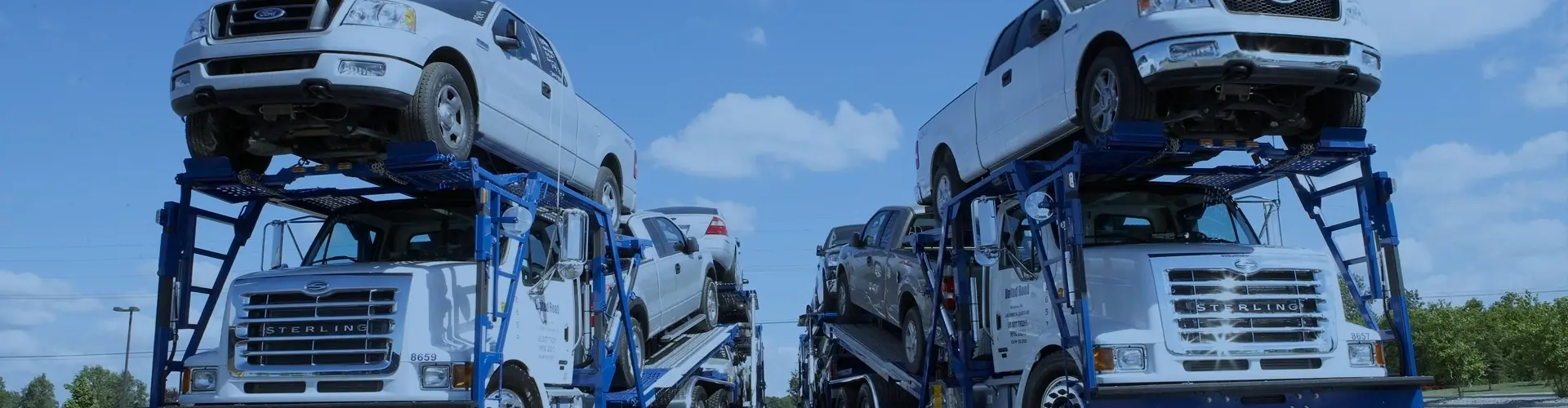
Los Angeles to Bakersfield Car Shipping Route
Los Angeles to Bakersfield covers approximately 112 miles, primarily via I-5 North through the San Fernando Valley and over the Tejon Pass before descending into the southern end of the San Joaquin Valley. Carriers operating out of the LA metro access I-5 from multiple points — I-405 from the Westside and South Bay, I-110 from downtown, and direct I-5 ramps from the San Fernando Valley corridor through Burbank and Glendale. The Tejon Pass section climbs to around 4,160 feet at Tejon Pass summit, a factor carriers account for in scheduling. Shipping rather than driving yourself eliminates mileage, wear, and fuel costs on a corridor that sees heavy commercial truck traffic. See the full breakdown of those savings at https://california.auto-transport-shipping.com/articles/benefits-of-auto-transport-service-vs-driving-yourself.html.
Bakersfield's economy drives steady inbound demand from Los Angeles. Kern County is one of the top oil-producing counties in the United States, and companies like Chevron and California Resources Corporation maintain large workforces that relocate regularly. Cal State Bakersfield generates semester-cycle shipping demand in August and January. Meadows Field Airport and nearby general aviation activity bring executive vehicle moves. The route through the Tejon Pass is subject to chain controls and occasional closures between November and March when winter storms hit the Tehachapi and Transverse Ranges. Carriers familiar with this corridor build in schedule flexibility during those months. Before you book, review common booking errors at https://california.auto-transport-shipping.com/articles/auto-transport-mistakes-to-avoid.html.
Los Angeles to Bakersfield Car Shipping Rates
At 112 miles, Los Angeles to Bakersfield sits in the short-haul tier, where per-mile rates are typically higher than long-distance routes but total cost remains low. Rates fluctuate with diesel prices on I-5, which is a primary trucking artery — when fuel costs rise regionally, this corridor reflects it quickly. Review how fuel pricing feeds into your quote at https://california.auto-transport-shipping.com/articles/how-gas-prices-impact-california-auto-transport-fees.html. Winter Tejon Pass weather and peak agricultural relocation periods in spring can push rates marginally higher.
What affects the cost of Los Angeles to Bakersfield car shipping:
- Vehicle type and size — larger vehicles take more carrier space; aftermarket additions like lift kits, oversized mirrors, or roof accessories can add fees
- Open vs. enclosed transport — open is lower cost with stronger carrier availability; enclosed protects against weather, debris, and road conditions
- Standard vs. expedited pickup — expedited prioritizes your vehicle for the next available dispatch, typically at a $100–$300 premium
- Time of year — peak demand seasons drive rates higher; off-peak windows offer the most competitive pricing
- Fuel costs — diesel prices affect carrier rates; longer routes are more sensitive to fuel price swings
- Vehicle condition — non-running vehicles require special loading equipment and cost more to ship
| Vehicle Type | Open Car Shipping (Est.) | Enclosed Car Shipping (Est.) |
|---|---|---|
| Sedan | $350 – $500 | $700 – $950 |
| SUV / Crossover | $400 – $600 | $800 – $1,100 |
| Pickup Truck | $400 – $600 | $800 – $1,100 |
| Minivan | $400 – $600 | $800 – $1,100 |
| Luxury / Classic Car | $500 – $700 | $950 – $1,300 |
| Non-Running Vehicle | Add $100–200 | Add $100–200 |
* Estimated ranges based on recent Los Angeles to Bakersfield shipments. Actual rate depends on vehicle, locations, booking date, and current fuel costs. Use the form on this page to compare real quotes from licensed carriers.
Open vs. Enclosed: What Makes Sense on This Corridor
Open transport is the practical choice for most vehicles on this route. The I-5 corridor is well-maintained, the distance is short, and road debris risk is comparable to any major California highway. Enclosed makes sense if you're shipping a collector car, a high-value luxury or exotic vehicle, or moving during a winter storm window when road spray and gravel through the Tejon Pass section is a real concern. If your vehicle's value is above $60,000 or it has custom paint, the enclosed premium on a 112-mile haul is worth it.
How Long Does Los Angeles to Bakersfield Car Shipping Take?
Los Angeles to Bakersfield typically completes in one to two days from confirmed carrier assignment. The drive time itself is under two hours in normal conditions, so once a carrier is dispatched, same-day delivery is operationally possible and does happen on this corridor. Carrier frequency out of Los Angeles is high — multiple carriers run this lane daily. Lead time from booking to pickup is usually one to three business days depending on your flexibility on pickup window. If your timeline is compressed, expedited dispatch is available; see options at https://california.auto-transport-shipping.com/articles/california-expedited-car-shipping-fast-cost.html.
| Service Type | Typical Transit | Pickup Window | Best For |
|---|---|---|---|
| Open — Standard | 1–2 days | 1–3 business days | Best value; most common choice on this route |
| Open — Expedited | Same–1 day | Next day–1 business day | Firm arrival date; faster dispatch window |
| Enclosed — Standard | 2–3 days | 2–5 business days | Luxury, classic, or modified vehicles |
| Enclosed — Expedited | 1–2 days | 1–2 business days | High-value vehicles on a firm delivery deadline |
** Tejon Pass on I-5 can close with little notice during winter storms, typically November through March. A closure adds one to two days as carriers wait for CHP to reopen the grade. Check Caltrans chain control status if you're shipping during that window, and build a buffer into your delivery expectation.
Los Angeles to Bakersfield — Route & Logistics
Carriers depart Los Angeles via I-5 North as the primary artery, with I-405 and I-110 used as feeder routes from the Westside, South Bay, and downtown sub-markets. The route runs north through the San Fernando Valley, climbs the Tejon Pass at roughly 4,160 feet, then descends into Bakersfield via CA-99 or continues directly on I-5 into the city. Total run is approximately 112 miles.
Key Corridor Waypoints
- Los Angeles, CA — I-5 / I-405 Junction Carriers from the Westside and South Bay enter via I-405 and merge onto I-5 North near the 405/5 interchange in the San Fernando Valley. This is the primary staging point where vehicles from multiple LA pickup zones consolidate onto the northbound I-5 mainline before beginning the corridor run toward Bakersfield.
- Sylmar / San Fernando, CA The last major Los Angeles metro interchange before the route transitions into open highway. Carriers making final pickups in the northern San Fernando Valley — including Burbank, Glendale, and Pasadena loads funneled via I-210 — complete vehicle loading here. I-5 traffic typically thins after this point, improving average carrier speed toward the pass.
- Gorman, CA — Tejon Pass Approach Gorman sits at approximately 3,800 feet and serves as the last fuel and inspection stop before the Tejon Pass summit. Carriers check tire pressure, load security, and consult Caltrans chain control status here during winter months. The grade from Gorman to the summit is steep enough that carriers with heavy multi-vehicle loads reduce speed significantly.
- Tejon Pass Summit, CA — 4,160 ft The highest point on I-5 in Southern California at 4,160 feet elevation. This is the primary weather delay point on the entire route. Caltrans can impose chain controls or full closures here between November and March. In clear conditions, carriers pass through without stopping; in winter weather, this becomes the critical go/no-go decision point for same-day delivery.
- Lebec / Fort Tejon, CA The descent from Tejon Pass toward the valley floor passes the historic Fort Tejon site. Carriers begin the long downgrade here and transition from mountain driving conditions back to flatland highway speeds. The Grapevine section through here is closely monitored by CHP, and truck brake inspections are enforced on this descent.
- Bakersfield, CA — CA-99 / I-5 Delivery Zone Carriers enter Bakersfield from the south via I-5 or transition to CA-99 for central and east Bakersfield delivery addresses. Most residential deliveries stage near wide surface streets or commercial lots. The downtown core has limited truck access on narrow older blocks, so carriers typically coordinate a nearby meet point for those addresses.
Pickup & Delivery Access
- Pickup Access in Los Angeles Los Angeles offers broad carrier access across all quadrants. I-5-adjacent neighborhoods in the Valley — Burbank, Glendale, and the San Fernando corridor — are the easiest pickup zones for this route since carriers are already routing northbound. Westside and South Bay pickups route via I-405 to I-5. Dense urban areas like downtown LA and Koreatown may require a nearby parking lot or side-street meet point to accommodate an 80-foot transport rig.
- Delivery Access in Bakersfield Bakersfield's suburban grid is generally carrier-friendly. Wide surface streets in the northwest, southwest, and east Bakersfield residential areas accommodate standard open transports without issue. Downtown Bakersfield near 18th and Chester has narrower commercial blocks where full truck turns are difficult — carriers often use a nearby parking lot or strip mall as a meet point. Industrial areas near the oil fields on the south side present no access issues.
- Nearby Pickup Locations Carriers picking up in Los Angeles regularly extend service to Burbank, Glendale, Pasadena, El Monte, and Torrance. Call 1‑800‑590‑6492 to confirm door-to-door availability at your address.
Open vs. Enclosed Car Shipping: Los Angeles to Bakersfield
Both options use licensed, insured carriers and deliver door to door. For a full breakdown, read the pros and cons of open vs. enclosed car shipping.
Open Car Shipping
Most Popular- Lower cost — the practical choice for most vehicles
- More carriers available on this corridor
- Faster dispatch from booking to pickup
- Works well for sedans, SUVs, trucks, and minivans
- Vehicle rides on an open multi-car carrier
- Cargo insurance required on all licensed carriers
Estimated cost: $350 – $600
Enclosed Car Shipping
Premium Protection- Full protection from weather, debris, and road grime
- Best for luxury, exotic, and classic vehicles
- Recommended for low-clearance and custom-built cars
- Wheel-net or soft-tie systems prevent contact damage
- Higher cargo coverage — commonly $500,000 per load
- White-glove handling by experienced operators
Estimated cost: $700 – $1,100
Not sure which is right for your vehicle? Call 1-800-590-6492 and we'll point you in the right direction. Also worth reading: the top 10 questions to ask any car shipping company before you commit.
How to Prepare Your Car for Shipping to Bakersfield
A little prep before pickup protects you if there's ever a dispute about your vehicle's condition. This checklist is from our full guide on preparing your car for transport:
- Remove all personal belongings from the interior and trunk
- Leave only a quarter tank of fuel — enough to load and unload
- Take date-stamped photos of the full exterior and interior
- Remove or disable toll transponders (FasTrak, E-ZPass, etc.)
- Retract or remove roof racks, spoilers, antennas, and bike mounts
- Make sure the battery is charged and tires are properly inflated
- Tell the carrier about any existing leaks or mechanical issues
- Deactivate the car alarm before the carrier arrives
- Write down the mileage on the Bill of Lading at pickup
- Fold in side mirrors if the vehicle is wider than standard
Personal items: Most carriers won't cover belongings left in the car. Read the full rules on shipping personal items in your vehicle. Also review our Bill of Lading guide so you know exactly what to check at pickup and delivery.
When to Ship Your Car from Los Angeles to Bakersfield
This corridor runs year-round with minimal disruption, but two seasonal factors matter. Winter storms at the Tejon Pass between November and March can delay transit one to two days and occasionally push rates slightly higher as carriers factor in wait time risk. Spring and late summer bring relocation surges tied to Cal State Bakersfield's academic calendar and oil-sector contract cycles. For winter-specific shipping guidance, see https://california.auto-transport-shipping.com/articles/auto-transport-challenges-during-the-winter.html.
Winter Pass Risk (November–March)
Tejon Pass on I-5 is subject to chain controls and full closures during winter storms. If you're shipping between November and March, build a one-to-two-day buffer into your delivery window. Carriers familiar with this corridor monitor Caltrans alerts and will hold at Gorman or Gorman-area truck stops rather than attempt the pass in unsafe conditions. Book early and communicate your flexibility to your broker.
Back-to-School Surge (Late July–August)
Cal State Bakersfield's fall semester creates a concentrated inbound shipping surge from the Los Angeles area in late July and throughout August. Students and faculty relocating from the LA metro fill carrier loads quickly during this window. Book at least one to two weeks in advance if your move aligns with late summer. Rates may run slightly above baseline due to elevated demand on the corridor.
Spring Relocation Season (March–May)
Spring brings higher overall auto transport volume statewide, and this corridor reflects it. Oil and gas workers rotating into Kern County on new contracts, combined with general residential relocation activity, keeps carrier loads full. Pricing is stable but availability tightens. Booking a week ahead is sufficient for most spring moves, though two weeks out gives you better rate leverage and pickup window flexibility.
Fall Oil Sector Rotations (September–October)
Kern County's petroleum industry runs on contract cycles that generate a secondary fall relocation wave. Workers and management transferring from LA-based corporate offices to Bakersfield field operations ship vehicles rather than drive during these transitions. This is a steady, predictable demand pattern carriers who run this lane regularly plan around. If you're moving for an energy-sector position, standard booking lead times apply.
Peak Shipping Season (May–September)
Summer is the highest-volume shipping period nationally, and Los Angeles to Bakersfield is no exception. Families relocating before the school year, along with consistent demand from Cal State and Kern County employers, keeps this corridor active June through August. Tejon Pass weather is a non-issue in summer. Rates reach their seasonal high in June and July — book as early as possible if your move falls in this window.
How to Choose a Los Angeles to Bakersfield Car Shipping Company
Getting multiple quotes is step one — knowing what to look for in those quotes matters just as much. Our guide on how to select a car shipping company covers the full process. Here are the six things that matter most:
FMCSA Registration
Every carrier or broker must hold a valid MC number. Verify any company at FMCSA SAFER before you book.
Proof of Insurance
Ask for a current certificate of insurance. Open carriers typically carry $100,000–$250,000 per load; enclosed commonly $500,000 or more. Learn what auto transport insurance covers.
All-In Pricing
Your quote should be a final number with no fees added after booking. Know the difference between brokers and carriers and confirm what the quote covers before you agree.
Bill of Lading
A complete Bill of Lading is filled out at pickup and delivery. Our Bill of Lading guide explains what to check. Never sign an incomplete one.
Real Reviews
Check Google and the BBB. Look at how they handled complaints and damage claims — that tells you more than a five-star average from happy customers.
Route Experience
A carrier who runs Los Angeles to Bakersfield regularly knows this lane in ways a generic California carrier doesn't. They know the Tejon Pass chain control schedule well enough to leave LA at 4 a.m. and clear the summit before CHP enforces controls later in the morning during marginal weather. They know that I-5 through the Grapevine has no truck bypass when closed — the only alternative is CA-58 from Mojave, which adds 45 miles and significant time. They know that Bakersfield delivery windows before 8 a.m. avoid the surface street congestion that builds on Rosedale Highway and Ming Avenue during commute hours. They've built relationships with staging lots on the north end of LA near Sylmar, where they can efficiently load multiple San Fernando Valley vehicles before heading north. That corridor knowledge translates directly to fewer delays for your vehicle.
Los Angeles to Bakersfield Car Shipping — FAQ
How much does it cost to ship a car from Los Angeles to Bakersfield?
Shipping a standard sedan from Los Angeles to Bakersfield on an open carrier typically runs between $200 and $375. The rate depends on your vehicle's size and running condition, current fuel prices on the I-5 corridor, and how flexible your pickup window is. Enclosed transport for this 112-mile route usually adds $100 to $200 to the base rate. Short-haul routes like this carry a higher per-mile rate than cross-country moves, but the total cost is low. Rates shift with diesel prices — for more on that relationship, see https://california.auto-transport-shipping.com/articles/how-gas-prices-impact-california-auto-transport-fees.html. Get a live quote by filling out the form on this page.
How long does Los Angeles to Bakersfield car shipping take?
Once a carrier is assigned and dispatched, Los Angeles to Bakersfield typically delivers in one to two days. The drive itself is under two hours, so same-day delivery is operationally possible and happens regularly on this corridor. The main variable is carrier assignment lead time — from booking confirmation to pickup, expect one to three business days depending on your flexibility. The only real transit delay factor on this route is a Tejon Pass closure in winter, which can add one to two days. If your timeline is urgent, expedited dispatch options are covered at https://california.auto-transport-shipping.com/articles/california-expedited-car-shipping-fast-cost.html.
Is my car insured during transport from Los Angeles to Bakersfield?
Yes. Every licensed carrier operating on this route is required by federal law to carry cargo insurance, which covers your vehicle while it's loaded on the transport truck. Coverage limits vary by carrier — ask for a copy of the carrier's certificate of insurance before you sign the order. Your personal auto insurance policy may provide supplemental coverage during transport, but this varies by insurer and policy type. At pickup and delivery, the bill of lading documents your vehicle's condition — note any pre-existing damage carefully. For a full breakdown of how transport insurance works, see https://california.auto-transport-shipping.com/articles/understanding-auto-transport-insurance.html. If damage occurs, follow the claims process at https://california.auto-transport-shipping.com/articles/how-to-file-a-claim-for-vehicle-damage-during-transport.html.
Should I choose open or enclosed transport for Los Angeles to Bakersfield?
Open transport is the right call for most vehicles on this route. The 112-mile I-5 corridor is a well-maintained highway, the run is short, and road exposure risk is comparable to any major California freeway. Choose enclosed if your vehicle is a collector car, an exotic, or a luxury vehicle valued above $60,000. Enclosed also makes sense if you're shipping during winter when road spray and gravel through the Tejon Pass section can affect paint and undercarriage. The per-mile cost difference on a short haul like this is smaller in dollar terms than on a cross-country run. Full comparison of both options: https://california.auto-transport-shipping.com/articles/open-vs-enclosed-auto-transport-pros-and-cons.html.
Do I have to be present at pickup and delivery?
You don't have to be physically present, but someone you authorize must be available at both ends to release and receive the vehicle and sign the bill of lading. The bill of lading is the condition report that documents your vehicle's state at pickup and confirms it at delivery — it's the document you rely on if a damage claim becomes necessary. If you can't be present, a trusted contact — family member, friend, or property manager — can handle this on your behalf with your written authorization. Review what the bill of lading covers and why it matters at https://california.auto-transport-shipping.com/articles/california-auto-transport-bill-of-lading-information.html.
Does the Tejon Pass affect my shipment in winter?
It can. The Tejon Pass on I-5 reaches 4,160 feet and is the only direct carrier route between Los Angeles and Bakersfield. Caltrans imposes chain controls and occasionally closes the pass entirely during winter storms, typically between November and March. When the pass closes, carriers wait at truck stops near Gorman or Lebec until CHP reopens it. There is no practical alternate route for a loaded auto transport truck — CA-58 via Mojave adds significant distance. If you're shipping between November and March, build a one-to-two-day buffer into your delivery window. For broader winter shipping guidance, see https://california.auto-transport-shipping.com/articles/auto-transport-challenges-during-the-winter.html.
Is this route good for Cal State Bakersfield student vehicle shipments?
Yes, and it's one of the more common use cases on this corridor. Students relocating from the Los Angeles metro to Cal State Bakersfield for the fall semester create a concentrated shipping surge in late July and August. Carriers run this lane daily, so availability is consistent, but booking two weeks ahead during the late summer peak is advisable. The cost is low relative to driving and the wear it puts on your vehicle over a semester and back. If you're shipping for the spring semester in January, availability is easier and rates are typically at or below the annual average for this route.
Can I ship a vehicle for an oil industry job relocation from LA to Bakersfield?
Yes, and this is a well-established demand pattern on the corridor. Kern County's oil and gas sector — including operations run by Chevron, California Resources Corporation, and related contractors — generates regular vehicle relocations from Los Angeles. These are standard point-to-point shipments; nothing about an oil industry relocation changes the process. If your employer is covering the cost, confirm whether they need a commercial invoice for reimbursement — we can provide one. Delivery to work-site adjacent addresses, including areas near the oil fields on Bakersfield's south and east sides, is accessible for standard open transport carriers without special equipment.
Ready to Ship Your Car from Los Angeles to Bakersfield?
One form gets you up to 10 free quotes from licensed, insured carriers. Compare costs and transit times and book the best deal for your schedule.