
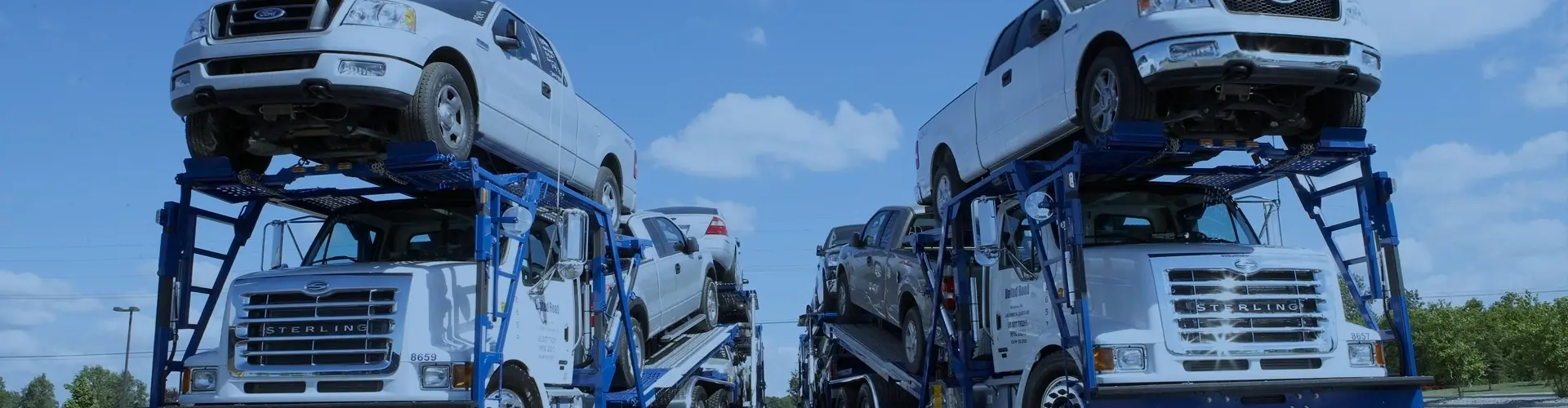
Long Beach to Fresno Car Shipping Route
The Long Beach to Fresno auto transport route covers approximately 225 miles. Carriers typically stage near the port-adjacent industrial zones off I-710, then connect to SR-91 eastbound or I-405 northbound before merging onto I-5 north toward the Tejon Pass. From there, most carriers continue on I-5 through Bakersfield and transition to SR-99 north, which is the primary artery into central Fresno. The route gains significant elevation through the Tejon Pass area before descending into the flat San Joaquin Valley. Compared to driving this yourself, professional transport saves wear, fuel costs, and two to three hours of driving time. See the full breakdown at https://california.auto-transport-shipping.com/articles/benefits-of-auto-transport-service-vs-driving-yourself.html.
Fresno's transport demand is driven by several anchors. California State University, Fresno enrolls over 25,000 students, generating student vehicle moves at the start and end of each semester. Fresno's healthcare corridor — anchored by Community Regional Medical Center and Saint Agnes Medical Center — draws healthcare workers relocating from Southern California. Agricultural employers including Wonderful Company, Sun-Maid, and E&J Gallo Winery bring professional staff into the region seasonally and annually. Weather is generally mild but Tejon Pass can experience fog and occasional winter delays in January and February. Plan your booking window carefully and review common booking errors at https://california.auto-transport-shipping.com/articles/auto-transport-mistakes-to-avoid.html.
Long Beach to Fresno Car Shipping Rates
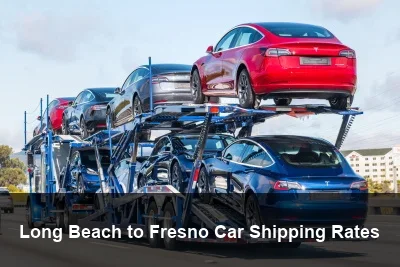
Rates on the Long Beach to Fresno corridor reflect a mid-range distance tier — long enough to require dedicated scheduling, short enough that carriers bundle it with other Central Valley stops. Expect mild upward pressure in late summer when student relocations peak and again in early spring during agricultural hiring cycles. Fuel costs matter on any SR-99 run; see how pump prices affect your quote at https://california.auto-transport-shipping.com/articles/how-gas-prices-impact-california-auto-transport-fees.html.
What affects the cost of Long Beach to Fresno car shipping:
- Vehicle type and size — larger vehicles take more carrier space; aftermarket additions like lift kits, oversized mirrors, or roof accessories can add fees
- Open vs. enclosed transport — open is lower cost with stronger carrier availability; enclosed protects against weather, debris, and road conditions
- Standard vs. expedited pickup — expedited prioritizes your vehicle for the next available dispatch, typically at a $100–$300 premium
- Time of year — peak demand seasons drive rates higher; off-peak windows offer the most competitive pricing
- Fuel costs — diesel prices affect carrier rates; longer routes are more sensitive to fuel price swings
- Vehicle condition — non-running vehicles require special loading equipment and cost more to ship
| Vehicle Type | Open Car Shipping (Est.) | Enclosed Car Shipping (Est.) |
|---|---|---|
| Sedan | $350 – $500 | $700 – $950 |
| SUV / Crossover | $400 – $600 | $800 – $1,100 |
| Pickup Truck | $400 – $600 | $800 – $1,100 |
| Minivan | $400 – $600 | $800 – $1,100 |
| Luxury / Classic Car | $500 – $700 | $950 – $1,300 |
| Non-Running Vehicle | Add $100–200 | Add $100–200 |
* Estimated ranges based on recent Long Beach to Fresno shipments. Actual rate depends on vehicle, locations, booking date, and current fuel costs. Use the form on this page to compare real quotes from licensed carriers.
Open vs. Enclosed: What This Route Actually Requires
Open transport is the practical choice for most vehicles on this corridor. SR-99 and I-5 are high-frequency freight routes with well-maintained pavement, and weather between Long Beach and Fresno rarely creates exposure risk severe enough to justify enclosed pricing. Choose enclosed if you're moving a classic car, a high-value exotic, or a vehicle with fresh paint or aftermarket bodywork. The Tejon Pass section generates minor road debris in high-wind conditions — not a dealbreaker for open, but worth noting if your vehicle has a low ground clearance or exposed front fascia.
How Long Does Long Beach to Fresno Car Shipping Take?
Most Long Beach to Fresno shipments complete in one to two business days once a carrier is assigned. The driving distance is roughly four hours, which means a carrier who loads in Long Beach in the morning can realistically deliver in Fresno the same afternoon or following morning, depending on how many other stops are on the load. Long Beach's port-adjacent carrier density means dispatch windows are typically shorter than for inland origins. If your timeline is tight, expedited options can reduce the assignment window — see https://california.auto-transport-shipping.com/articles/california-expedited-car-shipping-fast-cost.html.
| Service Type | Typical Transit | Pickup Window | Best For |
|---|---|---|---|
| Open — Standard | 1–2 days | 1–3 business days | Best value; most common choice on this route |
| Open — Expedited | Same–1 day | Next day–1 business day | Firm arrival date; faster dispatch window |
| Enclosed — Standard | 2–3 days | 2–5 business days | Luxury, classic, or modified vehicles |
| Enclosed — Expedited | 1–2 days | 1–2 business days | High-value vehicles on a firm delivery deadline |
** Tejon Pass on I-5 can close or slow significantly during heavy fog events in December through February, occasionally adding a day to Central Valley deliveries. SR-99 is generally unaffected by snow but dense tule fog in the San Joaquin Valley between December and January can delay carrier movement by several hours.
Long Beach to Fresno — Route & Logistics
Carriers access this corridor from Long Beach via I-710 north to SR-91 or I-405, then north on I-5 through the Tejon Pass and into Bakersfield, where most transition to SR-99 north for the final 110 miles into Fresno. The full carrier route runs approximately 225 miles, with the most operationally complex section being the initial exit from Long Beach's port-adjacent grid onto the interstate system.
Key Corridor Waypoints
- Long Beach, CA (Origin) Carriers stage near the I-710 industrial corridor south of downtown Long Beach. Port-adjacent streets near Terminal Island carry heavy truck traffic and are carrier-friendly, but narrow one-way streets in the Belmont Shore or downtown retail zones may require a meet point at a nearby parking facility or surface lot off Atlantic Avenue or Pacific Coast Highway.
- Norwalk / I-5 Interchange, CA After leaving Long Beach via SR-91 or I-405, carriers merge onto I-5 northbound near Norwalk. This interchange is a key transition point where multi-stop carriers consolidate loads heading toward the Inland Empire, Bakersfield, and the Central Valley. Traffic congestion at peak hours can add 20-40 minutes through this junction.
- Tejon Pass (Elevation ~4,144 ft), CA The highest point on I-5 between Los Angeles and the Central Valley. Carriers descend steeply into the San Joaquin Valley from here. In winter months, Caltrans intermittently requires chains or restricts oversized loads. Most auto transport carriers pass through without issue in dry conditions, but this segment warrants monitoring from November through February.
- Bakersfield, CA The primary junction city where most carriers leave I-5 and transition north onto SR-99. Bakersfield is a common overnight stop for multi-vehicle carriers working the Southern California to Central Valley run. Some carriers pick up or drop off vehicles here, making it a natural staging point for loads heading further into the valley toward Fresno.
- Fresno, CA (Destination) SR-99 enters Fresno from the south and provides direct access to most residential and commercial delivery zones. The downtown core around Fulton Street has some narrow blocks; carriers typically prefer staging in the Tower District, Fig Garden, or near California State University, Fresno for larger rigs that cannot navigate tight residential streets.
Pickup & Delivery Access
- Pickup Access in Long Beach Long Beach offers strong carrier access overall due to its port proximity and high truck traffic infrastructure. The I-710 corridor and surrounding industrial zones near the Port of Long Beach are the most carrier-friendly pickup areas. Residential streets in Alamitos Beach, Belmont Shore, or historic downtown may require you to meet the carrier at a nearby parking lot, shopping center, or surface lot on a main arterial like Anaheim Street or Long Beach Boulevard.
- Delivery Access in Fresno Fresno's suburban arterials — Shaw Avenue, Blackstone Avenue, and Shields Avenue — are fully accessible for standard car haulers. High-density blocks near downtown Fresno or the Chinatown district can be tight for longer rigs. Near California State University, Fresno, campus-adjacent streets may require parking coordination during peak move-in weekends. Your carrier will confirm a final delivery point during dispatch; have a secondary staging option ready if your address is on a narrow residential cul-de-sac.
- Nearby Pickup Locations Carriers picking up in Long Beach regularly extend service to Lakewood, Compton, and Carson. Call 1‑800‑590‑6492 to confirm door-to-door availability at your address.
Open vs. Enclosed Car Shipping: Long Beach to Fresno
Both options use licensed, insured carriers and deliver door to door. For a full breakdown, read the pros and cons of open vs. enclosed car shipping.
Open Car Shipping
Most Popular- Lower cost — the practical choice for most vehicles
- More carriers available on this corridor
- Faster dispatch from booking to pickup
- Works well for sedans, SUVs, trucks, and minivans
- Vehicle rides on an open multi-car carrier
- Cargo insurance required on all licensed carriers
Estimated cost: $350 – $600
Enclosed Car Shipping
Premium Protection- Full protection from weather, debris, and road grime
- Best for luxury, exotic, and classic vehicles
- Recommended for low-clearance and custom-built cars
- Wheel-net or soft-tie systems prevent contact damage
- Higher cargo coverage — commonly $500,000 per load
- White-glove handling by experienced operators
Estimated cost: $700 – $1,100
Not sure which is right for your vehicle? Call 1-800-590-6492 and we'll point you in the right direction. Also worth reading: the top 10 questions to ask any car shipping company before you commit.
How to Prepare Your Car for Shipping to Fresno
A little prep before pickup protects you if there's ever a dispute about your vehicle's condition. This checklist is from our full guide on preparing your car for transport:
- Remove all personal belongings from the interior and trunk
- Leave only a quarter tank of fuel — enough to load and unload
- Take date-stamped photos of the full exterior and interior
- Remove or disable toll transponders (FasTrak, E-ZPass, etc.)
- Retract or remove roof racks, spoilers, antennas, and bike mounts
- Make sure the battery is charged and tires are properly inflated
- Tell the carrier about any existing leaks or mechanical issues
- Deactivate the car alarm before the carrier arrives
- Write down the mileage on the Bill of Lading at pickup
- Fold in side mirrors if the vehicle is wider than standard
Personal items: Most carriers won't cover belongings left in the car. Read the full rules on shipping personal items in your vehicle. Also review our Bill of Lading guide so you know exactly what to check at pickup and delivery.
When to Ship Your Car from Long Beach to Fresno
This corridor does not experience extreme seasonal price swings, but two distinct demand periods push rates upward. Late July through early September sees student vehicle moves tied to California State University, Fresno's fall semester. Spring agricultural hiring in the San Joaquin Valley generates a secondary surge. Winter weather is a logistical rather than pricing factor, but Tejon Pass delays can affect scheduling. For more on winter-specific transport planning, see https://california.auto-transport-shipping.com/articles/auto-transport-challenges-during-the-winter.html.
Back-to-School Rush (Late July – September)
California State University, Fresno's fall semester start drives the single largest demand spike on this corridor. Students and families relocating from the Los Angeles basin — including Long Beach and surrounding cities — book vehicle transport in volume during this window. Carrier availability tightens and rates increase 10-20%. Book at least two to three weeks ahead if your move falls between late July and mid-August.
Spring Shoulder Season (March – May)
Spring brings moderate carrier volume as agricultural employers in the Central Valley ramp hiring and professionals relocate ahead of the summer season. Weather is consistently good on both ends of the route, and Tejon Pass poses no weather risk. This is typically the most competitively priced window to ship on this corridor — carrier supply meets demand without the summer premium.
Winter Logistics Window (December – February)
Rates do not spike significantly in winter on this route, but Tejon Pass tule fog and occasional chain control requirements can delay transit by a day. Book with a flexible delivery window if shipping between December and February. Southern San Joaquin Valley fog is the primary culprit for delays — it rarely closes SR-99 entirely but slows carrier movement considerably during early morning hours.
Summer Peak Demand (June – August)
Summer combines student moves, general PCS relocations, and families timing moves to school-year transitions. This is the highest-volume period on the corridor. Carriers fill quickly and open spots on southbound loads from Fresno back to Long Beach can be scarce. If you're shipping northbound to Fresno in June or July, locking in your booking two to four weeks early avoids last-minute rate pressure.
How to Choose a Long Beach to Fresno Car Shipping Company
Getting multiple quotes is step one — knowing what to look for in those quotes matters just as much. Our guide on how to select a car shipping company covers the full process. Here are the six things that matter most:
FMCSA Registration
Every carrier or broker must hold a valid MC number. Verify any company at FMCSA SAFER before you book.
Proof of Insurance
Ask for a current certificate of insurance. Open carriers typically carry $100,000–$250,000 per load; enclosed commonly $500,000 or more. Learn what auto transport insurance covers.
All-In Pricing
Your quote should be a final number with no fees added after booking. Know the difference between brokers and carriers and confirm what the quote covers before you agree.
Bill of Lading
A complete Bill of Lading is filled out at pickup and delivery. Our Bill of Lading guide explains what to check. Never sign an incomplete one.
Real Reviews
Check Google and the BBB. Look at how they handled complaints and damage claims — that tells you more than a five-star average from happy customers.
Route Experience
A carrier who regularly runs Long Beach to Fresno knows that the I-710 exit sequencing near the port can cost 30 minutes in morning traffic, making afternoon pickups from port-adjacent addresses considerably more efficient. They know that SR-99 through Tulare County runs dense with agricultural equipment transports during harvest season and that passing lanes between Visalia and Fresno can slow a loaded hauler noticeably. They stage overnight in Bakersfield on multi-vehicle loads rather than pushing through the San Joaquin Valley in pre-dawn fog. They know which Fresno delivery zones accept early-morning drops and which neighborhoods require waiting for business hours. That operational knowledge is the difference between a one-day delivery and an unexpected two-day hold.
Long Beach to Fresno Car Shipping — FAQ
How much does it cost to ship a car from Long Beach to Fresno?
Rates on the Long Beach to Fresno corridor typically range from $350 to $600 for open transport on a standard sedan or SUV, depending on the time of year and current carrier availability. Enclosed transport runs $150 to $250 higher. The primary variables are vehicle size, pickup and delivery flexibility, and seasonal demand — late summer sees rates push toward the higher end due to student relocation volume tied to California State University, Fresno. The most accurate way to get a current number is to fill out the quote form above, which reflects live carrier pricing on this specific lane.
How long does Long Beach to Fresno car shipping take?
Most shipments on this route complete in one to two business days after carrier pickup. The driving distance is approximately 225 miles, which a carrier can cover in four to five hours. The more relevant variable is dispatch time — how quickly a carrier is assigned after you book. Long Beach's port-adjacent carrier density typically means shorter assignment windows than inland California cities. Once loaded, same-day or next-morning delivery to Fresno is realistic. If your timeline is firm, expedited booking can guarantee faster assignment. See https://california.auto-transport-shipping.com/articles/california-expedited-car-shipping-fast-cost.html for how that process works.
Is my car insured during transport from Long Beach to Fresno?
Yes. Every licensed carrier operating in California is required to carry cargo insurance, which covers your vehicle while it is loaded on the transport truck. Before your car is loaded, the carrier completes a Bill of Lading — a written condition report that documents any pre-existing damage. At delivery, you inspect the vehicle against that same report. If new damage appears, you note it on the Bill of Lading and initiate a claim directly with the carrier's insurance. For a full explanation of how coverage works, see https://california.auto-transport-shipping.com/articles/understanding-auto-transport-insurance.html. If you need to file a claim, the step-by-step process is at https://california.auto-transport-shipping.com/articles/how-to-file-a-claim-for-vehicle-damage-during-transport.html.
Should I choose open or enclosed transport for this route?
Open transport is the right call for the vast majority of vehicles on this corridor. The Long Beach to Fresno route runs on well-maintained interstates and SR-99 with no significant weather exposure risk during most of the year. Enclosed transport makes sense if you're shipping a classic, exotic, or recently restored vehicle where any road debris or incidental exposure is unacceptable. The Tejon Pass section can generate minor debris in high-wind conditions, but this is not a routine concern. For a full comparison of open versus enclosed costs and conditions, see https://california.auto-transport-shipping.com/articles/open-vs-enclosed-auto-transport-pros-and-cons.html.
Do I have to be present at pickup and delivery?
You — or a designated adult representative — must be present at both pickup and delivery to sign the Bill of Lading. This document is your legal record of the vehicle's condition at loading and the carrier's acknowledgment of receipt at delivery. You can designate a family member, friend, or property manager to stand in for you at either end if you are not available. Just make sure that person understands they need to thoroughly inspect the vehicle before signing at delivery. For more on what the Bill of Lading covers, see https://california.auto-transport-shipping.com/articles/california-auto-transport-bill-of-lading-information.html.
Does tule fog in the San Joaquin Valley affect delivery timing?
It can. Tule fog is a dense ground fog that forms in the San Joaquin Valley, primarily from December through February. It reduces visibility on SR-99 to near zero during early morning hours and regularly slows or temporarily stops carrier movement between Bakersfield and Fresno. Most delays from tule fog add several hours rather than a full day, but in severe fog events, carriers may hold in Bakersfield overnight rather than drive blind. If you're shipping during winter months, build a one-day buffer into your expected delivery window and your plans won't be disrupted.
Is this route a good option for shipping a vehicle during a California State University, Fresno semester move?
Yes, but timing matters. Fresno State's fall semester typically starts in late August, and the two to three weeks before that date are the busiest period on this southbound-to-northbound corridor. Carrier slots fill quickly and rates move upward during peak move-in. If you're a student or parent shipping a vehicle for the school year, book three to four weeks before your target delivery date to lock in reasonable rates and your preferred pickup window. The same applies at semester end in May when vehicles move back toward Southern California in volume.
Can carriers access the Port of Long Beach area directly for pickup?
Port-adjacent streets near Terminal Island and the industrial zones along I-710 are fully accessible and carrier-friendly — Long Beach is one of the better origin cities in Southern California for carrier access precisely because of the port infrastructure. Standard car hauler trucks can stage and load without the complications found in denser residential neighborhoods. If your vehicle is located in a more residential part of Long Beach — downtown, Belmont Shore, or Alamitos Beach — your carrier may ask you to meet at a nearby surface lot or parking area on a main road to avoid narrow streets or one-way grid limitations.
Ready to Ship Your Car from Long Beach to Fresno?
One form gets you up to 10 free quotes from licensed, insured carriers. Compare costs and transit times and book the best deal for your schedule.