
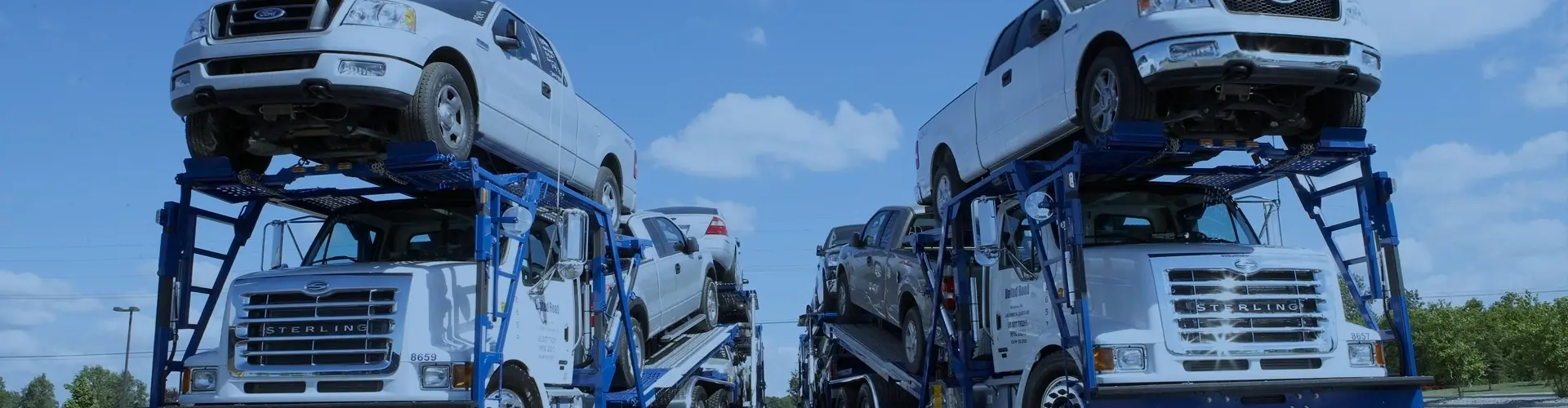
Huntington Beach to San Francisco Car Shipping Route
Huntington Beach to San Francisco covers approximately 415 miles by road. Carriers typically access the route via I-405 North from Huntington Beach, merging onto I-5 North near Los Angeles or connecting through SR-1 along the coast before picking up US-101 North, which serves as the primary carrier artery for most of this corridor. The route passes through the Los Angeles basin, Ventura County, Santa Barbara, San Luis Obispo, and the Central Coast before climbing into the Bay Area. Driving this yourself means roughly seven hours minimum under ideal conditions, plus fuel, wear, and return logistics. Shipping removes all of that. See a full breakdown at https://california.auto-transport-shipping.com/articles/benefits-of-auto-transport-service-vs-driving-yourself.html
Demand into San Francisco is driven by several large, stable institutions. UCSF Medical Center and UC San Francisco generate faculty and staff relocation shipments year-round. Major employers including Salesforce, Wells Fargo, Twitter (now X), and a deep field of Financial District firms produce regular corporate relocation volume. The Presidio of San Francisco, while no longer an active combat installation, still houses military-affiliated tenants and National Park Service operations that generate some transport demand. Seasonally, fog and rain along the Central Coast — particularly between Paso Robles and Gilroy — can slow carrier progress in winter months. Before you book, review common shipper errors at https://california.auto-transport-shipping.com/articles/auto-transport-mistakes-to-avoid.html
Huntington Beach to San Francisco Car Shipping Rates
Rates on the Huntington Beach to San Francisco corridor are shaped by the 415-mile distance, which places it in the mid-range tier where per-mile costs are moderate but total price reflects the full Central Coast run. Summer months see a modest demand spike as Bay Area-bound relocations peak. Fuel surcharges affect this route directly — US-101 carrier pricing moves with diesel costs. Current fuel pricing impacts are detailed at https://california.auto-transport-shipping.com/articles/how-gas-prices-impact-california-auto-transport-fees.html. Expect standard open carrier rates in the $550–$850 range depending on season and vehicle class.
What affects the cost of Huntington Beach to San Francisco car shipping:
- Vehicle type and size — larger vehicles take more carrier space; aftermarket additions like lift kits, oversized mirrors, or roof accessories can add fees
- Open vs. enclosed transport — open is lower cost with stronger carrier availability; enclosed protects against weather, debris, and road conditions
- Standard vs. expedited pickup — expedited prioritizes your vehicle for the next available dispatch, typically at a $100–$300 premium
- Time of year — peak demand seasons drive rates higher; off-peak windows offer the most competitive pricing
- Fuel costs — diesel prices affect carrier rates; longer routes are more sensitive to fuel price swings
- Vehicle condition — non-running vehicles require special loading equipment and cost more to ship
| Vehicle Type | Open Car Shipping (Est.) | Enclosed Car Shipping (Est.) |
|---|---|---|
| Sedan | $650 – $900 | $1,200 – $1,600 |
| SUV / Crossover | $800 – $1,050 | $1,400 – $1,850 |
| Pickup Truck | $800 – $1,050 | $1,400 – $1,850 |
| Minivan | $800 – $1,050 | $1,400 – $1,850 |
| Luxury / Classic Car | $900 – $1,200 | $1,500 – $2,000 |
| Non-Running Vehicle | Add $150–250 | Add $150–250 |
* Estimated ranges based on recent Huntington Beach to San Francisco shipments. Actual rate depends on vehicle, locations, booking date, and current fuel costs. Use the form on this page to compare real quotes from licensed carriers.
Open vs. Enclosed: What This Specific Route Actually Requires
For most standard vehicles on the Huntington Beach to San Francisco run, open transport is the practical choice. US-101 and I-5 are well-maintained, and carrier exposure on this route is not significantly higher than any other California corridor. If you're shipping a classic, exotic, or high-value vehicle — particularly one headed to storage or a collector in San Francisco's Pacific Heights or Sea Cliff neighborhoods — enclosed makes sense. The coastal leg between Ventura and San Luis Obispo does carry salt air and occasional road moisture, which is worth factoring in for freshly restored or low-clearance vehicles.
How Long Does Huntington Beach to San Francisco Car Shipping Take?
Most Huntington Beach to San Francisco shipments complete in two to three transit days once a carrier is assigned. The driving time for the 415-mile route runs seven to eight hours under normal traffic conditions, but carriers are managing multi-stop loads, hours-of-service regulations, and pickup sequencing, so direct point-to-point timing isn't realistic. Carrier assignment from Huntington Beach typically happens within one to three business days given the lane's frequency. If your timeline is compressed, expedited options exist — see https://california.auto-transport-shipping.com/articles/california-expedited-car-shipping-fast-cost.html for current expedited availability and pricing on California routes.
| Service Type | Typical Transit | Pickup Window | Best For |
|---|---|---|---|
| Open — Standard | 2–4 days | 2–4 business days | Best value; most common choice on this route |
| Open — Expedited | 1–2 days | 1–2 business days | Firm arrival date; faster dispatch window |
| Enclosed — Standard | 2–4 days | 3–6 business days | Luxury, classic, or modified vehicles |
| Enclosed — Expedited | 1–2 days | 1–3 business days | High-value vehicles on a firm delivery deadline |
** Winter rain and fog between Paso Robles and Gilroy, the Santa Cruz Mountains approach, and Bay Area congestion on US-101 through San Jose can each add half a day to transit. December through February is when weather-related delays are most likely. Plan for four days if shipping during peak winter weather windows.
Huntington Beach to San Francisco — Route & Logistics
Carriers access this route from Huntington Beach via I-405 North, connecting to either I-5 North through Los Angeles or transitioning to US-101 North near Ventura. US-101 serves as the primary carrier highway for the full Central Coast segment through Santa Barbara, San Luis Obispo, and Salinas before entering the Bay Area. Total carrier driving time runs approximately seven to nine hours depending on load stops.
Key Corridor Waypoints
- Los Angeles Basin, CA Carriers departing Huntington Beach via I-405 North merge into the LA metro freight network near the I-405/I-5 interchange in the San Fernando Valley. This is a common multi-vehicle pickup zone where carriers consolidate loads before committing to the northbound run. Traffic management through this segment directly affects departure timing and overall transit windows.
- Ventura, CA Ventura marks the transition from the urban LA corridor to the open Central Coast run. Carriers pick up US-101 North here, and the route opens considerably. This is a natural first-day staging area for carriers running split-day schedules, with truck-accessible fuel and rest facilities near the US-101/SR-33 interchange. Coastal marine layer can reduce visibility in early morning hours.
- Santa Barbara, CA Santa Barbara sits roughly 100 miles north of Huntington Beach and serves as a common checkpoint for carriers verifying load security. US-101 narrows through parts of the city, and local traffic enforcement monitors commercial vehicle compliance on coastal segments. Carriers familiar with this corridor time their pass-through to avoid midday congestion on State Street-adjacent surface roads.
- San Luis Obispo, CA At approximately 200 miles into the run, San Luis Obispo is a standard overnight stop for carriers on split-schedule loads. Elevation along this segment remains moderate, but the approach to Cuesta Grade — reaching roughly 1,522 feet — requires gear management for loaded multi-car haulers. Experienced carriers on this lane know the grade and time their approach to avoid peak-hour backups.
- Gilroy / US-101 & CA-25 Junction, CA Gilroy marks the southern end of Bay Area traffic influence and sits at approximately 190 feet elevation after the descent from the Diablo Range foothills. This junction is where northbound carriers make final route decisions — staying on US-101 through San Jose or routing via I-280 for a cleaner approach to San Francisco proper. Afternoon congestion through this corridor is significant on weekdays.
- San Francisco, CA Carriers entering San Francisco typically use US-101 across the Golden Gate approach or I-280 into the southern neighborhoods. The city's dense grid, steep grades in neighborhoods like Nob Hill and Twin Peaks, and parking enforcement near downtown require carriers to pre-arrange delivery meet points. Staging in South San Francisco or Daly City is common for urban deliveries requiring repositioning.
Pickup & Delivery Access
- Pickup Access in Huntington Beach Huntington Beach pickups are accessible via the city's inland grid. Carriers use Gothard Street, Bolsa Avenue, and Edinger Avenue corridors to stage without beach-zone parking restrictions. Neighborhoods like Huntington Harbour and Five Points are fully truck-accessible. If your vehicle is beachfront or near Pacific Coast Highway, plan a short drive to a parking lot inland — most carrier drivers will confirm a nearby meet point at booking.
- Delivery Access in San Francisco San Francisco delivery access varies sharply by neighborhood. SoMa, the Mission, and the Sunset District handle large carriers reasonably well. Nob Hill, Telegraph Hill, North Beach, and the Castro have grade and width constraints that require smaller trucks or staging. Carriers commonly use Daly City, South San Francisco, or the Caltrain station area on King Street as staging points for final delivery coordination in dense zones.
- Nearby Pickup Locations Carriers picking up in Huntington Beach regularly extend service to Fountain Valley, Costa Mesa, and Seal Beach. Call 1‑800‑590‑6492 to confirm door-to-door availability at your address.
Open vs. Enclosed Car Shipping: Huntington Beach to San Francisco
Both options use licensed, insured carriers and deliver door to door. For a full breakdown, read the pros and cons of open vs. enclosed car shipping.
Open Car Shipping
Most Popular- Lower cost — the practical choice for most vehicles
- More carriers available on this corridor
- Faster dispatch from booking to pickup
- Works well for sedans, SUVs, trucks, and minivans
- Vehicle rides on an open multi-car carrier
- Cargo insurance required on all licensed carriers
Estimated cost: $650 – $1,050
Enclosed Car Shipping
Premium Protection- Full protection from weather, debris, and road grime
- Best for luxury, exotic, and classic vehicles
- Recommended for low-clearance and custom-built cars
- Wheel-net or soft-tie systems prevent contact damage
- Higher cargo coverage — commonly $500,000 per load
- White-glove handling by experienced operators
Estimated cost: $1,200 – $1,850
Not sure which is right for your vehicle? Call 1-800-590-6492 and we'll point you in the right direction. Also worth reading: the top 10 questions to ask any car shipping company before you commit.
How to Prepare Your Car for Shipping to San Francisco
A little prep before pickup protects you if there's ever a dispute about your vehicle's condition. This checklist is from our full guide on preparing your car for transport:
- Remove all personal belongings from the interior and trunk
- Leave only a quarter tank of fuel — enough to load and unload
- Take date-stamped photos of the full exterior and interior
- Remove or disable toll transponders (FasTrak, E-ZPass, etc.)
- Retract or remove roof racks, spoilers, antennas, and bike mounts
- Make sure the battery is charged and tires are properly inflated
- Tell the carrier about any existing leaks or mechanical issues
- Deactivate the car alarm before the carrier arrives
- Write down the mileage on the Bill of Lading at pickup
- Fold in side mirrors if the vehicle is wider than standard
Personal items: Most carriers won't cover belongings left in the car. Read the full rules on shipping personal items in your vehicle. Also review our Bill of Lading guide so you know exactly what to check at pickup and delivery.
When to Ship Your Car from Huntington Beach to San Francisco
This corridor runs year-round with consistent carrier availability, but pricing and timing shift by season. Summer — June through August — sees the highest demand as Bay Area tech relocations peak and UCSF's academic calendar drives faculty moves. Winter months bring Central Coast weather that can extend transit times. Spring and fall offer the best combination of reasonable rates and predictable transit. For winter-specific shipping considerations, see https://california.auto-transport-shipping.com/articles/auto-transport-challenges-during-the-winter.html
Spring Relocation Season (March–May)
Spring brings early mover activity as Bay Area employers finalize Q2 transfers and UCSF posts new research appointments. Carrier availability is good and rates are moderate before summer peaks. This is an efficient window to book if your move date has flexibility. Central Coast weather stabilizes by April, reducing the likelihood of transit delays along the US-101 corridor between Ventura and Salinas.
Summer Peak Demand (June–August)
The highest-demand period on this corridor. Tech company relocation packages, academic year transitions at UC San Francisco, and general Southern California-to-Bay Area population movement all peak simultaneously. Carrier slots fill faster, rates climb 10–20% above annual averages, and booking lead time should extend to five to seven days ahead of your target pickup date. Book early and lock your rate before availability tightens.
Academic Move Season (August–September)
UCSF's incoming medical students, residents, and graduate researchers generate a concentrated vehicle shipment surge in late August and early September. This demand spike is specific to this corridor because of UCSF's scale as a medical institution. If you're shipping for an academic appointment, schedule pickup by mid-August to avoid competing with the full volume of incoming student and faculty shipments arriving simultaneously.
Fall Shoulder Season (October–November)
Fall is one of the better times to ship this route. Demand moderates after the academic rush, carrier availability opens up, and Central Coast weather remains stable through October. November can see early rain events south of San Luis Obispo. Rates generally ease in October before the holiday shipping slowdown. If your schedule allows, mid-October shipments often see the best combination of pricing and availability.
Winter Weather Window (December–February)
This corridor does not face mountain pass closures, but Central Coast rain between Paso Robles and Gilroy, fog in the Salinas Valley, and Bay Area storm systems can add one to two days to transit in December through February. Carriers plan for weather holds during active storm periods. Budget extra lead time in your planning if shipping mid-winter. Review details at https://california.auto-transport-shipping.com/articles/auto-transport-challenges-during-the-winter.html
Corporate Relocation Cycles (January & July)
San Francisco's major employers — Salesforce, Wells Fargo, and the broader Financial District corporate base — run relocation surges at fiscal year transitions in January and mid-year in July. These corporate shipments often come with tight delivery windows and compete for the same carrier slots as residential moves. If you're relocating on a corporate timeline, confirm carrier availability at least a week ahead of your required delivery date.
How to Choose a Huntington Beach to San Francisco Car Shipping Company
Getting multiple quotes is step one — knowing what to look for in those quotes matters just as much. Our guide on how to select a car shipping company covers the full process. Here are the six things that matter most:
FMCSA Registration
Every carrier or broker must hold a valid MC number. Verify any company at FMCSA SAFER before you book.
Proof of Insurance
Ask for a current certificate of insurance. Open carriers typically carry $100,000–$250,000 per load; enclosed commonly $500,000 or more. Learn what auto transport insurance covers.
All-In Pricing
Your quote should be a final number with no fees added after booking. Know the difference between brokers and carriers and confirm what the quote covers before you agree.
Bill of Lading
A complete Bill of Lading is filled out at pickup and delivery. Our Bill of Lading guide explains what to check. Never sign an incomplete one.
Real Reviews
Check Google and the BBB. Look at how they handled complaints and damage claims — that tells you more than a five-star average from happy customers.
Route Experience
A carrier who runs Huntington Beach to San Francisco regularly knows that the I-405 pickup window in Huntington Beach is cleaner mid-morning after commuter traffic clears the Costa Mesa interchange. They know Cuesta Grade north of San Luis Obispo requires downshifting with a full multi-car load and that the Grade backs up in both directions during holiday weekends. They know that US-101 through Salinas moves slowly during agricultural shift changes, and that I-280 into San Francisco runs cleaner than US-101 through San Jose in afternoon hours. They also know which South San Francisco staging lots accept large transporters for same-day San Francisco urban delivery coordination. That operational knowledge is what separates a fast, clean delivery from a two-day delay caused by a carrier learning the route on your shipment.
Huntington Beach to San Francisco Car Shipping — FAQ
How much does it cost to ship a car from Huntington Beach to San Francisco?
On the Huntington Beach to San Francisco corridor, open carrier rates typically fall between $550 and $850 for standard sedans and SUVs, depending on the season and current carrier availability. Enclosed transport runs $950 to $1,400 or higher for the same distance. Summer months and the August academic move surge push rates toward the upper end of those ranges. Oversized vehicles — trucks, SUVs with lift kits, or non-running cars — carry additional fees. Rates also shift with diesel prices, which directly affect carrier operating costs on this 415-mile run. Fill out the quote form for a current number specific to your vehicle and dates.
How long does Huntington Beach to San Francisco car shipping take?
Once a carrier is assigned, most Huntington Beach to San Francisco shipments complete in two to three transit days. The 415-mile route takes seven to nine hours of driving time, but carriers are running multi-stop loads under federal hours-of-service regulations, so direct timing isn't realistic. Carrier assignment from Huntington Beach typically takes one to three business days given how frequently this lane runs. Add winter Central Coast weather or Bay Area congestion and you should plan for up to four days total during December through February. If you need faster placement, expedited options are available — see https://california.auto-transport-shipping.com/articles/california-expedited-car-shipping-fast-cost.html
Is my car insured during transport from Huntington Beach to San Francisco?
Yes. Every licensed carrier operating on this route is required by federal law to carry cargo insurance covering your vehicle during transit. The carrier's policy is active from the moment your vehicle is loaded onto the truck until it is released to you at delivery. Before your vehicle is loaded, you and the driver complete a Bill of Lading documenting its pre-transport condition. Inspect your vehicle at delivery and note any discrepancies on that same document before signing. For a full explanation of how coverage works and what to do if damage occurs, see https://california.auto-transport-shipping.com/articles/understanding-auto-transport-insurance.html and https://california.auto-transport-shipping.com/articles/how-to-file-a-claim-for-vehicle-damage-during-transport.html
Should I choose open or enclosed transport for this route?
Open transport is the right call for most vehicles on the Huntington Beach to San Francisco run. The US-101 corridor is not unusually harsh, and open carriers are available multiple times per week in this lane. Enclosed transport is worth the additional cost if you're shipping a collector car, a new luxury vehicle, or a freshly restored classic — particularly given the coastal salt air exposure on the Ventura-to-Santa Barbara segment and the urban staging required for San Francisco delivery. For a detailed comparison of both options, including cost and risk tradeoffs, see https://california.auto-transport-shipping.com/articles/open-vs-enclosed-auto-transport-pros-and-cons.html
Do I have to be present at pickup in Huntington Beach and delivery in San Francisco?
You do not have to be present personally, but a designated adult must be available at both ends to release the vehicle at pickup and receive it at delivery. That person signs the Bill of Lading on your behalf, which is the legal record of your vehicle's condition before and after transport. If you cannot be present at either location — which is common in corporate relocation situations — arrange a trusted representative in advance and make sure they have your contact information if questions arise. For details on what the Bill of Lading covers and why it matters, see https://california.auto-transport-shipping.com/articles/california-auto-transport-bill-of-lading-information.html
Does Central Coast winter weather affect shipping timelines on this route?
Yes, in a meaningful but manageable way. This corridor does not cross Sierra Nevada passes or high-elevation mountain routes, so snow closures are not a factor. However, heavy rain and dense fog between Paso Robles and the Salinas Valley — which runs from December through February — can slow carrier progress significantly. Carriers will hold during active storm events rather than risk road safety with a loaded multi-car trailer. If you're shipping between December and February, build an extra one to two days of buffer into your timeline. Review the broader picture of winter shipping challenges at https://california.auto-transport-shipping.com/articles/auto-transport-challenges-during-the-winter.html
Can a carrier deliver directly to my address in San Francisco, or will I need to meet somewhere?
It depends on your San Francisco neighborhood. In areas like SoMa, the Mission District, the Sunset, or the Richmond, large multi-car transporters can typically access your street and complete a direct delivery. In neighborhoods with steep grades, narrow lanes, or limited truck turning radius — Nob Hill, Telegraph Hill, the Castro, North Beach — the carrier may need to stage in a nearby accessible area such as South San Francisco or a flat parking lot and have you meet them there. This is standard practice for urban San Francisco deliveries. Confirm your delivery address with the carrier at booking so they can plan the approach.
Is this a good route for snowbird vehicle shipments between Southern and Northern California?
This specific pairing — Huntington Beach to San Francisco — is not a traditional snowbird route in the way that California-to-Arizona or California-to-Florida lanes are. Both endpoints have mild year-round climates that don't drive seasonal population migration. That said, the lane does see consistent bidirectional movement driven by the Bay Area's tech and medical employment base and Southern California's lifestyle draw. If you're relocating seasonally or semi-permanently between these two regions, carrier availability is reliable year-round. Spring and fall offer the best rates outside of the summer peak, making those months efficient timing for a planned seasonal vehicle move.
Ready to Ship Your Car from Huntington Beach to San Francisco?
One form gets you up to 10 free quotes from licensed, insured carriers. Compare costs and transit times and book the best deal for your schedule.