
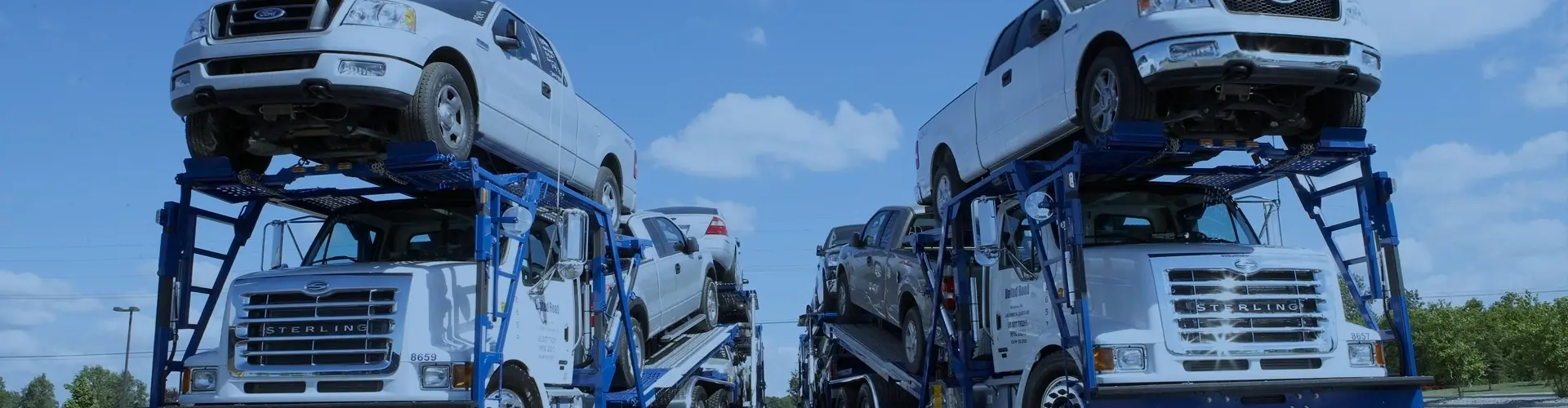
Huntington Beach to Boston Car Shipping Route
Huntington Beach sits at the edge of the Los Angeles metro grid, with SR-1 running along the coast and I-405 providing the main inland artery north to carrier consolidation points in Los Angeles and Ontario. From there, carriers typically route east on I-40 through the Mojave Desert and into New Mexico, or north on I-15 to connect with I-70 through Colorado and Missouri, eventually picking up I-90 east into Boston. The full driving distance is approximately 3,006 miles. Driving that yourself takes 40-plus hours behind the wheel — a significant cost in time, fuel, and vehicle wear. A detailed breakdown of those savings is available at https://california.auto-transport-shipping.com/articles/benefits-of-auto-transport-service-vs-driving-yourself.html.
Boston's inbound demand is anchored by a cluster of demand drivers that keep carriers prioritizing the lane. Harvard University, MIT, Boston University, Northeastern, and Tufts collectively move thousands of students and faculty annually. Hanscom Air Force Base in Bedford and Fort Devens in Ayer generate PCS orders that require predictable vehicle shipping throughout the year. Major employers including Raytheon Technologies, Mass General Brigham, and the financial firms concentrated in the Back Bay add corporate relocation volume. Weather is a real operational variable: winter storms along the I-70 and I-80 corridors through Ohio and Pennsylvania can delay transit by one to three days between December and March. Before you book, review https://california.auto-transport-shipping.com/articles/auto-transport-mistakes-to-avoid.html to avoid common booking errors on long-haul routes like this one.
Huntington Beach to Boston Car Shipping Rates
At roughly 3,006 miles, this route falls into the long-haul pricing tier where per-mile rates drop but total cost rises with distance. Rates on this corridor fluctuate seasonally: summer peaks in June and August reflect student relocation demand at Boston's universities, while January and February can add a small weather premium due to winter conditions across the Midwest and New England. Fuel surcharges are baked into carrier quotes and shift with diesel prices — see https://california.auto-transport-shipping.com/articles/how-gas-prices-impact-california-auto-transport-fees.html for context on how that affects your final number.
What affects the cost of Huntington Beach to Boston car shipping:
- Vehicle type and size — larger vehicles take more carrier space; aftermarket additions like lift kits, oversized mirrors, or roof accessories can add fees
- Open vs. enclosed transport — open is lower cost with stronger carrier availability; enclosed protects against weather, debris, and road conditions
- Standard vs. expedited pickup — expedited prioritizes your vehicle for the next available dispatch, typically at a $100–$300 premium
- Time of year — peak demand seasons drive rates higher; off-peak windows offer the most competitive pricing
- Fuel costs — diesel prices affect carrier rates; longer routes are more sensitive to fuel price swings
- Vehicle condition — non-running vehicles require special loading equipment and cost more to ship
| Vehicle Type | Open Car Shipping (Est.) | Enclosed Car Shipping (Est.) |
|---|---|---|
| Sedan | $1,100 – $1,600 | $1,900 – $2,700 |
| SUV / Crossover | $1,300 – $1,900 | $2,200 – $3,100 |
| Pickup Truck | $1,300 – $1,950 | $2,200 – $3,150 |
| Minivan | $1,300 – $1,900 | $2,200 – $3,100 |
| Luxury / Classic Car | $1,550 – $2,200 | $2,600 – $3,600 |
| Non-Running Vehicle | Add $200–400 | Add $200–400 |
* Estimated ranges based on recent Huntington Beach to Boston shipments. Actual rate depends on vehicle, locations, booking date, and current fuel costs. Use the form on this page to compare real quotes from licensed carriers.
Open or Enclosed: What This 3,000-Mile Route Actually Requires
Open transport is the practical choice for most standard vehicles on this route. Carriers run high-frequency open loads between Southern California and the Northeast, so availability is better and rates are meaningfully lower. Enclosed transport makes sense if you're shipping a classic, exotic, or high-value vehicle — the I-40 and I-70 corridor exposes vehicles to road debris and winter road salt spray east of the Mississippi between November and April. If your vehicle is worth more than $75,000 or is a collector car, the enclosed premium is money well spent on a run this long.
How Long Does Huntington Beach to Boston Car Shipping Take?
Standard transit on the Huntington Beach to Boston route runs 7 to 10 business days. Carriers departing the LA metro area cover roughly 500 miles per driving day with required rest stops, and the 3,006-mile route typically requires six to seven driving days plus time for pickup scheduling and load consolidation at origin. Huntington Beach benefits from proximity to the LA carrier pool, which shortens the dispatch window versus more remote California cities. If your timeline is tight, expedited options can compress delivery — details at https://california.auto-transport-shipping.com/articles/california-expedited-car-shipping-fast-cost.html.
| Service Type | Typical Transit | Pickup Window | Best For |
|---|---|---|---|
| Open — Standard | 7–10 days | 2–5 business days | Best value; most common choice on this route |
| Open — Expedited | 5–7 days | 1–2 business days | Firm arrival date; faster dispatch window |
| Enclosed — Standard | 7–10 days | 4–8 business days | Luxury, classic, or modified vehicles |
| Enclosed — Expedited | 5–7 days | 2–4 business days | High-value vehicles on a firm delivery deadline |
** Winter is the main delay variable on this corridor. Snow and ice events on I-70 through Colorado and Kansas or on I-90 through western New York can halt carrier movement for 24 to 72 hours. December through February shipments should carry a buffer of two to three extra days in your planning.
Huntington Beach to Boston — Route & Logistics
Carriers access Huntington Beach via I-405 or SR-1 through Fountain Valley and Costa Mesa, then stage at the LA or Ontario terminals before heading east. The primary long-haul route follows I-40 east through the Mojave, Arizona, and New Mexico, then picks up I-44 and I-70 northeast into Ohio, Pennsylvania, and finally I-90 into Massachusetts, terminating in the Boston metro.
Key Corridor Waypoints
- Ontario, CA The Inland Empire's Ontario area serves as the primary staging and consolidation point for loads departing the greater LA metro. Carriers picking up in Huntington Beach often drive north on I-405 to I-10 east, reaching Ontario within an hour. Here, multi-vehicle loads are consolidated before the carrier commits to the long-haul route east on I-40.
- Kingman, AZ Kingman sits at the junction of I-40 and US-93, roughly 325 miles east of Ontario. It functions as a common first overnight stop for eastbound carriers. Elevation here is about 3,330 feet — manageable year-round — and fuel and inspection stops are clustered at the I-40 exits serving the town center.
- Albuquerque, NM Albuquerque is the major mid-route checkpoint at the intersection of I-40 and I-25. Elevation reaches 5,312 feet, and winter weather can affect passage through Tijeras Canyon east of the city. Carriers often use Albuquerque for driver handoffs or second-day overnights on cross-country runs, and it's a key weigh station and inspection corridor.
- Oklahoma City, OK Oklahoma City marks the transition from the southwestern desert route to the midwestern plains. Carriers typically pick up I-44 northeast toward St. Louis after passing through OKC. This junction is roughly 1,500 miles from origin and often represents the halfway mark in terms of driving days. Weather in this zone can vary sharply in winter.
- Columbus, OH Columbus sits at the I-70 and I-71 interchange and is a critical staging city for Northeast-bound loads. Many carriers running California to Boston will hand off vehicles here to a regional driver who specializes in the final Northeast leg. Winter ice events on I-70 east of Columbus and on the Pennsylvania Turnpike are the most common delay point on this route.
- Boston, MA (I-90 terminus) The Massachusetts Turnpike (I-90) delivers carriers into the Boston metro from the west. Urban density in neighborhoods like South Boston, Fenway, and Cambridge creates access challenges for large multi-car carriers. Carriers typically stage in suburban areas like Dedham, Norwood, or Woburn and coordinate a final delivery meet-up with the customer.
Pickup & Delivery Access
- Pickup Access in Huntington Beach Carriers access Huntington Beach most efficiently from inland neighborhoods off I-405 and SR-39, including areas near Fountain Valley and the commercial corridors along Beach Boulevard and Goldenwest Street. Beach-adjacent streets near Pacific Coast Highway have parking restrictions that can limit large carrier access. For pickups near the coast, plan a meet point at a commercial parking lot or side street at least two blocks inland.
- Delivery Access in Boston Boston's urban street grid limits where a full multi-car carrier can maneuver, particularly in the North End, South Boston, Beacon Hill, and Cambridge. Carriers typically stage in suburban municipalities like Dedham, Quincy, or Watertown and coordinate a final handoff. If your delivery address is on a narrow one-way street, arrange a nearby parking lot or public staging area in advance.
- Nearby Pickup Locations Carriers picking up in Huntington Beach regularly extend service to Fountain Valley, Costa Mesa, and Seal Beach. Call 1‑800‑590‑6492 to confirm door-to-door availability at your address.
Open vs. Enclosed Car Shipping: Huntington Beach to Boston
Both options use licensed, insured carriers and deliver door to door. For a full breakdown, read the pros and cons of open vs. enclosed car shipping.
Open Car Shipping
Most Popular- Lower cost — the practical choice for most vehicles
- More carriers available on this corridor
- Faster dispatch from booking to pickup
- Works well for sedans, SUVs, trucks, and minivans
- Vehicle rides on an open multi-car carrier
- Cargo insurance required on all licensed carriers
Estimated cost: $1,100 – $1,950
Enclosed Car Shipping
Premium Protection- Full protection from weather, debris, and road grime
- Best for luxury, exotic, and classic vehicles
- Recommended for low-clearance and custom-built cars
- Wheel-net or soft-tie systems prevent contact damage
- Higher cargo coverage — commonly $500,000 per load
- White-glove handling by experienced operators
Estimated cost: $1,900 – $3,150
Not sure which is right for your vehicle? Call 1-800-590-6492 and we'll point you in the right direction. Also worth reading: the top 10 questions to ask any car shipping company before you commit.
How to Prepare Your Car for Shipping to Boston
A little prep before pickup protects you if there's ever a dispute about your vehicle's condition. This checklist is from our full guide on preparing your car for transport:
- Remove all personal belongings from the interior and trunk
- Leave only a quarter tank of fuel — enough to load and unload
- Take date-stamped photos of the full exterior and interior
- Remove or disable toll transponders (FasTrak, E-ZPass, etc.)
- Retract or remove roof racks, spoilers, antennas, and bike mounts
- Make sure the battery is charged and tires are properly inflated
- Tell the carrier about any existing leaks or mechanical issues
- Deactivate the car alarm before the carrier arrives
- Write down the mileage on the Bill of Lading at pickup
- Fold in side mirrors if the vehicle is wider than standard
Personal items: Most carriers won't cover belongings left in the car. Read the full rules on shipping personal items in your vehicle. Also review our Bill of Lading guide so you know exactly what to check at pickup and delivery.
When to Ship Your Car from Huntington Beach to Boston
This corridor has two distinct demand peaks: summer, driven by Boston's university student relocations in June and August, and spring, when military PCS orders around Hanscom AFB and Fort Devens accelerate. Winter months are operationally slower in terms of demand but carry weather-related rate premiums and extended transit windows due to Midwest and New England snowstorms. For a full breakdown of winter shipping risks on long-haul routes, see https://california.auto-transport-shipping.com/articles/auto-transport-challenges-during-the-winter.html.
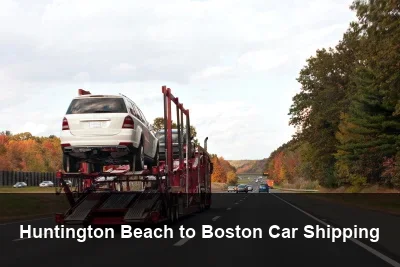
Spring PCS Season (March–May)
Military PCS orders around Hanscom Air Force Base in Bedford and Fort Devens in Ayer spike in March through May. This is when carrier capacity into the Boston metro tightens and lead times stretch. If you're on military orders, book four to six weeks out and confirm your delivery window aligns with your reporting date. Rates trend upward through April as demand outpaces available loads.
Summer University Rush (June–August)
Boston hosts one of the highest concentrations of university students in the country. Harvard, MIT, BU, Northeastern, and Tufts all generate heavy vehicle movement in late May through August as students relocate for summer programs or permanent moves. This is the peak pricing window on this corridor. Book at least three weeks early to secure your preferred pickup window and avoid rate spikes.
Fall Return Traffic (September–October)
Fall generates moderate reverse traffic as some students and seasonal residents shift vehicles back west. Carriers running the Boston to California return lane keep westbound loads full, which supports competitive eastbound pricing as brokers work to balance loads. This is often a cost-effective booking window if your move is flexible by a week or two in timing.
Winter Weather Window (November–February)
The I-70 corridor through Colorado and Kansas, and I-90 through western New York, are subject to winter closures and slowdowns. Expect transit times to run toward the upper end of the 7–10 day range, and occasionally beyond. Enclosed transport is worth considering for luxury or collector vehicles during this window due to road salt exposure in Ohio, Pennsylvania, and Massachusetts.
Late Summer Student Move-In (August–September)
Boston's September 1 lease turnover date is one of the most compressed moving periods of any U.S. city. Vehicle delivery requests in the last two weeks of August surge sharply. Carriers serving the Boston metro concentrate heavily in this window, and scheduling flexibility narrows. If you're targeting an August 15 to September 5 delivery, book a minimum of four weeks ahead.
How to Choose a Huntington Beach to Boston Car Shipping Company
Getting multiple quotes is step one — knowing what to look for in those quotes matters just as much. Our guide on how to select a car shipping company covers the full process. Here are the six things that matter most:
FMCSA Registration
Every carrier or broker must hold a valid MC number. Verify any company at FMCSA SAFER before you book.
Proof of Insurance
Ask for a current certificate of insurance. Open carriers typically carry $100,000–$250,000 per load; enclosed commonly $500,000 or more. Learn what auto transport insurance covers.
All-In Pricing
Your quote should be a final number with no fees added after booking. Know the difference between brokers and carriers and confirm what the quote covers before you agree.
Bill of Lading
A complete Bill of Lading is filled out at pickup and delivery. Our Bill of Lading guide explains what to check. Never sign an incomplete one.
Real Reviews
Check Google and the BBB. Look at how they handled complaints and damage claims — that tells you more than a five-star average from happy customers.
Route Experience
A carrier who regularly runs Southern California to Boston knows that the Ontario, CA consolidation point is the real departure anchor — not Huntington Beach itself. They know Kingman is the reliable first overnight, that Albuquerque's east canyon approach can be snowed in as early as October, and that the Pennsylvania Turnpike east of Pittsburgh is where winter delays accumulate unpredictably. They also know that Boston deliveries almost never happen curbside in the urban core — staging in Dedham or Quincy is standard, and calling the customer 24 hours ahead for a suburban meet is routine. That local knowledge separates a smooth 7-day delivery from a frustrating 12-day one on this specific run.
Huntington Beach to Boston Car Shipping — FAQ
How much does it cost to ship a car from Huntington Beach to Boston?
Rates on the Huntington Beach to Boston corridor typically range from $1,100 to $1,800 for open transport and $1,800 to $2,800 for enclosed, depending on vehicle size, the time of year, and current fuel prices. The summer university rush and spring PCS season push rates toward the higher end. A standard sedan ships for less than a full-size SUV or pickup truck. Diesel fuel surcharges are embedded in carrier quotes and fluctuate with market conditions. The most accurate number comes from filling out the quote form with your specific vehicle type, pickup date, and delivery zip code.
How long does Huntington Beach to Boston car shipping take?
Standard transit on this route runs 7 to 10 business days from the time your vehicle is picked up. The 3,006-mile route requires roughly six to seven driving days at a normal carrier pace, plus time for load consolidation at the origin staging point in the greater LA area. Huntington Beach's proximity to the active LA carrier pool shortens dispatch time compared to more remote locations. Winter shipments between December and February should budget for up to 12 days due to possible weather delays on I-70 through the Midwest and I-90 through New York. Expedited options are available if you need a tighter window — see https://california.auto-transport-shipping.com/articles/california-expedited-car-shipping-fast-cost.html.
Is my car insured during transport from Huntington Beach to Boston?
Yes. Every federally licensed carrier is required to carry cargo insurance that covers your vehicle while it's on the truck. However, the carrier's policy covers damage caused during transport — it does not extend to pre-existing damage or personal belongings left inside the vehicle. Before pickup, document your vehicle thoroughly with dated photos from all angles. At delivery, inspect the vehicle carefully before signing the bill of lading. If damage occurred during transport, note it on the delivery receipt immediately. For a full explanation of how coverage works, see https://california.auto-transport-shipping.com/articles/understanding-auto-transport-insurance.html, and if you need to file a claim, follow the steps at https://california.auto-transport-shipping.com/articles/how-to-file-a-claim-for-vehicle-damage-during-transport.html.
Should I choose open or enclosed transport for the Huntington Beach to Boston route?
Open transport is the right choice for most standard vehicles on this route. Carrier availability is much higher for open loads on this corridor, which means shorter dispatch windows and lower rates. Enclosed makes sense if you're shipping a classic car, exotic, or any vehicle valued above approximately $75,000. On a 3,000-mile run that passes through the Midwest and New England in winter, road salt spray east of Ohio is a real exposure risk for paint and undercarriage on high-value vehicles. If you're moving between November and March, enclosed adds meaningful protection. Read the full comparison at https://california.auto-transport-shipping.com/articles/open-vs-enclosed-auto-transport-pros-and-cons.html.
Do I have to be present at pickup and delivery?
You don't have to be present personally, but someone you authorize must be at both pickup and delivery to sign the bill of lading. At pickup, that person should inspect the vehicle with the carrier driver and confirm that all pre-existing damage is noted on the inspection report before signing. At delivery in Boston, the authorized person should do the same walk-around before signing off. This documentation protects you if a damage claim needs to be filed. You cannot waive this step remotely — a signed bill of lading at both ends is required. For details on what the bill of lading covers, see https://california.auto-transport-shipping.com/articles/california-auto-transport-bill-of-lading-information.html.
Will winter weather delay my shipment on this route?
Winter weather is the most common delay factor on the Huntington Beach to Boston corridor between November and February. The primary risk zones are I-70 through Colorado and Kansas, where snowstorms can shut down mountain passes, and I-90 through western New York and into Massachusetts, where ice accumulation slows carrier movement significantly. A 7-day standard transit can stretch to 10 to 12 days during a major weather event. There's no way to guarantee against weather delays — carriers are legally prohibited from driving in unsafe conditions. Book with a buffer in your schedule, and choose a broker who communicates proactively when delays occur. More detail at https://california.auto-transport-shipping.com/articles/auto-transport-challenges-during-the-winter.html.
Are there specific considerations for military PCS shipments from Huntington Beach to Boston?
Yes. If you're relocating on PCS orders to Hanscom Air Force Base in Bedford or Fort Devens in Ayer, the timing of your shipment matters more than it does for a standard move. Military PCS season peaks from March through June, and carrier capacity into the Boston metro tightens sharply during that window. Book four to six weeks ahead of your report date whenever possible. Make sure your broker knows you're on military orders so the bill of lading documentation can be structured correctly for reimbursement processing. Confirm the delivery area — Hanscom and Fort Devens both have vehicle access points for carrier drop-offs, but gate procedures vary.
Can I ship personal items inside my car during transport from Huntington Beach to Boston?
Technically you can leave some personal items in the vehicle, but there are real risks you should understand before doing so. Carriers are not licensed household goods movers, and their cargo insurance does not cover personal belongings inside the car. Items left in the vehicle add weight, which some carriers will charge for or refuse outright. Loose items can shift during transport and damage the interior. If you do leave anything inside, keep it below the window line, under 100 pounds total, and remove anything valuable or irreplaceable. Do not leave firearms, liquids, or hazardous materials in the vehicle under any circumstances.
Ready to Ship Your Car from Huntington Beach to Boston?
One form gets you up to 10 free quotes from licensed, insured carriers. Compare costs and transit times and book the best deal for your schedule.