
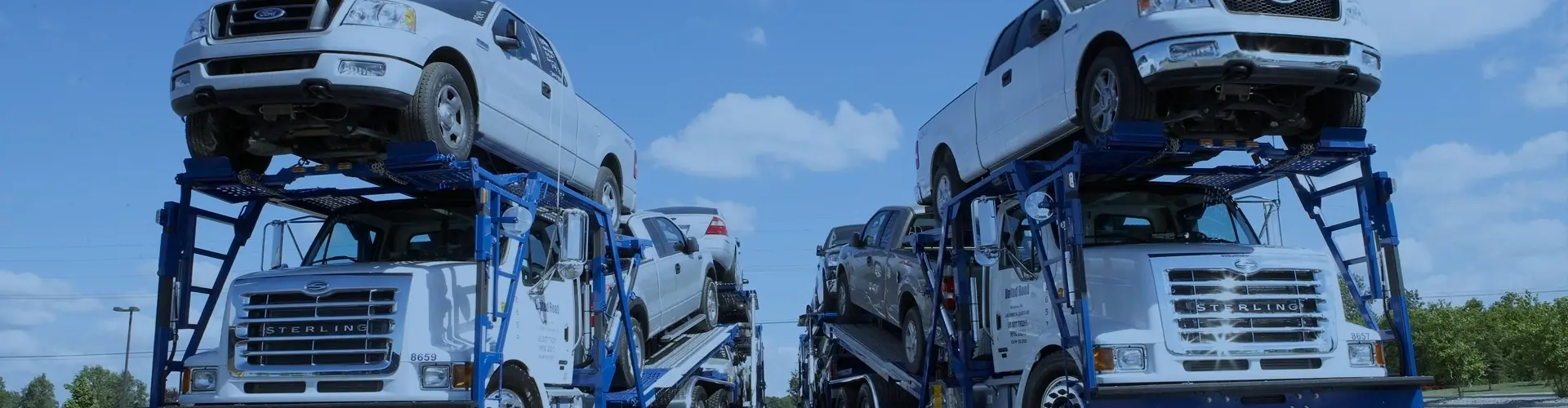
Santa Clarita to Seattle Car Shipping Route
Santa Clarita sits at the northern edge of Los Angeles County where I-5 and SR-14 converge, giving carriers immediate access to the primary northbound arterial without navigating surface streets through denser LA neighborhoods. From that interchange, the route follows I-5 continuously through the Central Valley, into the Sacramento metro, across the Oregon border, and straight into the Seattle metro — 1,137 miles of nearly uninterrupted interstate. Carriers cover that distance in two to four days depending on load configuration and hours-of-service requirements. Shipping saves you the equivalent of roughly 19 to 22 hours of driving time, fuel costs, and wear on your vehicle. For a full breakdown of what you avoid by shipping instead of driving, see https://california.auto-transport-shipping.com/articles/benefits-of-auto-transport-service-vs-driving-yourself.html.
Seattle's inbound demand is driven by several concrete forces. Joint Base Lewis-McChord, located roughly 47 miles south of Seattle near Tacoma, generates consistent PCS move volume on a military rotation cycle. The University of Washington enrolls over 47,000 students, producing August and September shipping spikes as students relocate from Southern California. Major employers including Amazon's South Lake Union headquarters, Boeing's Renton and Everett facilities, and Microsoft's Redmond campus drive corporate relocation shipments throughout the year. Weather is a real variable: the Siskiyou Pass on the Oregon-California border reaches 4,310 feet and can see snow and ice closures from November through March, occasionally adding a transit day. Before you book, review https://california.auto-transport-shipping.com/articles/auto-transport-mistakes-to-avoid.html to avoid the most common booking errors on long-haul routes.
Santa Clarita to Seattle Car Shipping Rates
At 1,137 miles, this route sits in the long-haul pricing tier where fuel costs are a significant component of your rate. Gas price fluctuations along the I-5 corridor directly affect carrier quotes — see https://california.auto-transport-shipping.com/articles/how-gas-prices-impact-california-auto-transport-fees.html for how that math works. Seasonal demand spikes in August and September push rates upward as student and PCS volume peaks. Winter months can bring slight premiums for Oregon and Washington segments due to weather-related risk and potential delay exposure.
What affects the cost of Santa Clarita to Seattle car shipping:
- Vehicle type and size — larger vehicles take more carrier space; aftermarket additions like lift kits, oversized mirrors, or roof accessories can add fees
- Open vs. enclosed transport — open is lower cost with stronger carrier availability; enclosed protects against weather, debris, and road conditions
- Standard vs. expedited pickup — expedited prioritizes your vehicle for the next available dispatch, typically at a $100–$300 premium
- Time of year — peak demand seasons drive rates higher; off-peak windows offer the most competitive pricing
- Fuel costs — diesel prices affect carrier rates; longer routes are more sensitive to fuel price swings
- Vehicle condition — non-running vehicles require special loading equipment and cost more to ship
| Vehicle Type | Open Car Shipping (Est.) | Enclosed Car Shipping (Est.) |
|---|---|---|
| Sedan | $750 – $1,000 | $1,350 – $1,750 |
| SUV / Crossover | $900 – $1,150 | $1,550 – $2,000 |
| Pickup Truck | $900 – $1,200 | $1,550 – $2,100 |
| Minivan | $900 – $1,150 | $1,550 – $2,000 |
| Luxury / Classic Car | $1,050 – $1,400 | $1,850 – $2,350 |
| Non-Running Vehicle | Add $150–300 | Add $150–300 |
* Estimated ranges based on recent Santa Clarita to Seattle shipments. Actual rate depends on vehicle, locations, booking date, and current fuel costs. Use the form on this page to compare real quotes from licensed carriers.
Open or Enclosed: What Makes Sense on the I-5 Northwest Run
Open transport is the right call for most standard vehicles on this corridor. The I-5 route is well-maintained, carrier coverage is dense, and the overwhelming majority of vehicles shipped on this lane arrive without incident on open trailers. Enclosed transport becomes worth the 40–60% cost premium if you're shipping a classic car, a high-value luxury vehicle, or a low-clearance sports car that's more exposed to road debris and weather. The Oregon and Washington segments see more rain and occasional winter road spray than the California portion — a practical consideration for vehicles with fresh paint or open convertible tops.
How Long Does Santa Clarita to Seattle Car Shipping Take?
Standard transit on the Santa Clarita to Seattle route runs three to five days from pickup. Carriers departing the LA basin on a full load typically stage overnight in the Central Valley or Redding area, cross the Oregon border the following day, and deliver into the Seattle metro on day three or four. Santa Clarita's strong carrier access — multiple dispatchers operate out of the broader LA basin daily — means pickup windows of one to three business days are realistic. If your move timeline is compressed, expedited options can tighten that window: see https://california.auto-transport-shipping.com/articles/california-expedited-car-shipping-fast-cost.html.
| Service Type | Typical Transit | Pickup Window | Best For |
|---|---|---|---|
| Open — Standard | 3–5 days | 2–5 business days | Best value; most common choice on this route |
| Open — Expedited | 2–3 days | 1–2 business days | Firm arrival date; faster dispatch window |
| Enclosed — Standard | 3–5 days | 3–7 business days | Luxury, classic, or modified vehicles |
| Enclosed — Expedited | 2–3 days | 1–3 business days | High-value vehicles on a firm delivery deadline |
** The Siskiyou Pass at 4,310 feet on the Oregon-California border is the primary transit wildcard. Winter weather closures or chain-control requirements between November and March can add one to two days to an otherwise clean run. Book with adequate lead time if your delivery window is fixed.
Santa Clarita to Seattle — Route & Logistics
Carriers access this route directly from the I-5/SR-14 interchange in Santa Clarita, heading northbound on I-5 through the Tejon Pass and into the Central Valley. The route stays on I-5 for the full 1,137 miles into Seattle, passing through Bakersfield, Fresno, Sacramento, Redding, Medford, Eugene, and Portland before reaching the Seattle metro.
Key Corridor Waypoints
- Tejon Pass, CA (Elevation 4,144 ft) The first significant elevation point, roughly 40 miles north of Santa Clarita on I-5. Carriers navigate the Grapevine grade here — a steep descent on the southbound side and a climb northbound. Chain controls are occasionally required in January and February. Carriers experienced on this corridor monitor Caltrans chain control advisories before departing the LA basin.
- Bakersfield, CA A common first-day staging and fuel stop for northbound carriers. Bakersfield sits at the southern end of the San Joaquin Valley and serves as an informal coordination point where multi-load carriers may consolidate or drop partial loads. Heavy agricultural truck traffic on this segment can affect carrier pacing during harvest months, particularly in September and October.
- Sacramento, CA The midpoint reference city and a natural overnight stop for carriers running the full corridor. Sacramento is also a secondary load consolidation point — carriers picking up additional vehicles here for Oregon and Washington delivery may add a few hours to scheduling. The I-5/I-80 interchange is a high-traffic merge point requiring careful timing during commute hours.
- Siskiyou Pass, OR (Elevation 4,310 ft) Located on the Oregon-California border, this is the highest and most weather-sensitive point on the entire route. Snow and ice from November through March can trigger chain requirements or temporary closures. Carriers who run this lane regularly monitor Oregon DOT conditions in advance. A closure here is the single most common cause of extended transit times on this corridor.
- Portland, OR A major interstate junction where I-5 intersects with I-84 and I-205. Portland is a common second overnight stop for carriers and a potential partial-unload point if the carrier is serving Portland-area customers before continuing north. Urban congestion through the I-5 corridor in Portland, particularly the Marquam Bridge segment, adds time during morning and afternoon peak hours.
- Seattle, WA (Tacoma/JBLM Approach) Carriers enter the Seattle metro from the south on I-5, passing through Tacoma and Joint Base Lewis-McChord before reaching the city core. The final 30 miles involve dense urban interstate traffic. Carriers typically schedule Seattle deliveries for mid-morning to avoid the I-5 corridor congestion that peaks between 7–9 AM and 4–6 PM on weekdays.
Pickup & Delivery Access
- Pickup Access in Santa Clarita Santa Clarita's suburban grid — including Valencia, Newhall, Saugus, and Canyon Country — is fully accessible to standard 75-foot transport trailers. Wide residential streets and commercial staging areas near the Town Center and Valencia Industrial Center make carrier coordination straightforward. The I-5/SR-14 interchange is less than five minutes from most Santa Clarita neighborhoods, so carriers can execute pickup and return to the interstate without navigating complex surface routes.
- Delivery Access in Seattle Seattle delivery access varies significantly by neighborhood. Carriers can deliver door-to-door in most suburban areas including Bellevue, Renton, Kirkland, and Tacoma without restriction. Denser Seattle neighborhoods — Capitol Hill, Queen Anne, First Hill, and parts of downtown — often have narrow streets and parking constraints that require staging at a nearby lot or wider street. Confirm your delivery address with the carrier in advance to avoid day-of rescheduling.
- Nearby Pickup Locations Carriers picking up in Santa Clarita regularly extend service to Newhall, Saugus, and Canyon Country. Call 1‑800‑590‑6492 to confirm door-to-door availability at your address.
Open vs. Enclosed Car Shipping: Santa Clarita to Seattle
Both options use licensed, insured carriers and deliver door to door. For a full breakdown, read the pros and cons of open vs. enclosed car shipping.
Open Car Shipping
Most Popular- Lower cost — the practical choice for most vehicles
- More carriers available on this corridor
- Faster dispatch from booking to pickup
- Works well for sedans, SUVs, trucks, and minivans
- Vehicle rides on an open multi-car carrier
- Cargo insurance required on all licensed carriers
Estimated cost: $750 – $1,200
Enclosed Car Shipping
Premium Protection- Full protection from weather, debris, and road grime
- Best for luxury, exotic, and classic vehicles
- Recommended for low-clearance and custom-built cars
- Wheel-net or soft-tie systems prevent contact damage
- Higher cargo coverage — commonly $500,000 per load
- White-glove handling by experienced operators
Estimated cost: $1,350 – $2,100
Not sure which is right for your vehicle? Call 1-800-590-6492 and we'll point you in the right direction. Also worth reading: the top 10 questions to ask any car shipping company before you commit.
How to Prepare Your Car for Shipping to Seattle
A little prep before pickup protects you if there's ever a dispute about your vehicle's condition. This checklist is from our full guide on preparing your car for transport:
- Remove all personal belongings from the interior and trunk
- Leave only a quarter tank of fuel — enough to load and unload
- Take date-stamped photos of the full exterior and interior
- Remove or disable toll transponders (FasTrak, E-ZPass, etc.)
- Retract or remove roof racks, spoilers, antennas, and bike mounts
- Make sure the battery is charged and tires are properly inflated
- Tell the carrier about any existing leaks or mechanical issues
- Deactivate the car alarm before the carrier arrives
- Write down the mileage on the Bill of Lading at pickup
- Fold in side mirrors if the vehicle is wider than standard
Personal items: Most carriers won't cover belongings left in the car. Read the full rules on shipping personal items in your vehicle. Also review our Bill of Lading guide so you know exactly what to check at pickup and delivery.
When to Ship Your Car from Santa Clarita to Seattle
This route has a clear seasonality pattern that affects both pricing and transit reliability. Summer — specifically July through September — is the peak demand window driven by University of Washington enrollment, Amazon and tech-sector relocation cycles, and military PCS transfers to Joint Base Lewis-McChord. Rates and pickup wait times rise during this period. Winter months bring lower demand but add weather risk through Oregon and Washington that can affect transit time. See https://california.auto-transport-shipping.com/articles/auto-transport-challenges-during-the-winter.html for a full breakdown of winter shipping considerations.
Spring Shoulder Season (March–May)
Demand begins increasing in April as spring corporate relocations pick up and University of Washington's academic calendar winds toward summer. Rates are moderate and carrier availability is good. Weather through the Siskiyou Pass has typically stabilized by late April, reducing chain-control risk. This is a favorable booking window if your move date has flexibility — you get reasonable rates before summer peak pricing kicks in.
Summer Peak (June–August)
The highest-demand period on this corridor. University of Washington student relocations from Southern California, Amazon and Microsoft new-hire start dates, and JBLM PCS cycle volume all converge. Expect rates 10–20% above annual average and pickup windows that stretch to five to seven days if you book late. Book four to six weeks ahead if your move falls in July or August to secure capacity at stable pricing.
Back-to-School Spike (Late August–September)
A secondary demand surge tied specifically to University of Washington fall enrollment and community college semester starts across the Seattle metro. Many students relocating from the Santa Clarita and greater LA area ship vehicles rather than drive. This spike typically runs three to four weeks and then eases. If you're shipping for a student, book no later than early August to avoid the crunch and to lock rate before the uptick.
Winter Risk Window (November–March)
Lower demand generally means lower base rates, but weather adds a real wildcard. The Siskiyou Pass and southern Oregon stretches of I-5 see snow and ice that can close the route or require chains, adding one to two transit days. If your delivery date is fixed, build in buffer time and consider expedited options. Review https://california.auto-transport-shipping.com/articles/auto-transport-challenges-during-the-winter.html before booking a winter shipment.
Military PCS Season (May–July)
Joint Base Lewis-McChord processes a significant volume of PCS orders with effective dates between May and August, the primary military move season. Soldiers and families transferring from Southern California bases — including Camp Pendleton and Edwards Air Force Base — frequently originate from or near Santa Clarita. This adds consistent shipping volume to the corridor and can tighten carrier availability in June and July if you're competing for capacity.
How to Choose a Santa Clarita to Seattle Car Shipping Company
Getting multiple quotes is step one — knowing what to look for in those quotes matters just as much. Our guide on how to select a car shipping company covers the full process. Here are the six things that matter most:
FMCSA Registration
Every carrier or broker must hold a valid MC number. Verify any company at FMCSA SAFER before you book.
Proof of Insurance
Ask for a current certificate of insurance. Open carriers typically carry $100,000–$250,000 per load; enclosed commonly $500,000 or more. Learn what auto transport insurance covers.
All-In Pricing
Your quote should be a final number with no fees added after booking. Know the difference between brokers and carriers and confirm what the quote covers before you agree.
Bill of Lading
A complete Bill of Lading is filled out at pickup and delivery. Our Bill of Lading guide explains what to check. Never sign an incomplete one.
Real Reviews
Check Google and the BBB. Look at how they handled complaints and damage claims — that tells you more than a five-star average from happy customers.
Route Experience
A carrier who runs the Santa Clarita to Seattle lane regularly knows things that matter to your shipment's timing and safety. They know to check Caltrans chain control on the Grapevine before leaving the LA basin in winter and to pull Oregon DOT advisories for the Siskiyou Pass the night before that crossing. They stage in Bakersfield or Redding rather than pushing through to Portland in one stretch, which keeps hours-of-service compliance clean and reduces fatigue-related handling errors. They know that Seattle delivery windows need to be scheduled for mid-morning to clear the I-5 Tacoma-to-Seattle congestion. They know which JBLM-area neighborhoods allow full trailer access and which ones require a two-car shuttle. That route-specific operational knowledge is what separates carriers who run this corridor regularly from those treating it as a one-off long haul.
Santa Clarita to Seattle Car Shipping — FAQ
How much does it cost to ship a car from Santa Clarita to Seattle?
Rates on the Santa Clarita to Seattle corridor typically range from $850 to $1,350 for standard open transport on a sedan or mid-size SUV, depending on season, fuel prices, and carrier availability at the time of booking. Enclosed transport runs $1,300 to $2,000 for the same vehicle class. Oversized vehicles — full-size trucks, lifted SUVs, long-wheelbase vans — carry a surcharge of $100 to $300 due to the space they occupy on the trailer. Summer months (June through August) and the September back-to-school window push rates toward the upper end of those ranges. Booking two to three weeks ahead typically locks a more competitive rate than last-minute requests.
How long does Santa Clarita to Seattle car shipping take?
Transit time from Santa Clarita to Seattle runs three to five days on standard open transport once your vehicle is picked up. Carriers departing the LA basin in the morning typically overnight in the Central Valley or Redding area, cross into Oregon on day two, and reach the Seattle metro on day three or four. Pickup itself generally takes one to three business days from your first available date, depending on carrier availability. If you have a hard delivery deadline — a lease start date, a PCS reporting date — look into expedited options at https://california.auto-transport-shipping.com/articles/california-expedited-car-shipping-fast-cost.html, which can compress the pickup window to 24 to 48 hours.
Is my car insured during transport from Santa Clarita to Seattle?
Every licensed carrier operating on this route is required by federal law to carry cargo liability insurance — the minimums are set by the FMCSA. That coverage applies to your vehicle while it's loaded on the trailer. What it does not always cover is pre-existing damage, acts of God, or damage caused by road debris on open transport. Before your pickup, document your vehicle's condition thoroughly with timestamped photos from all angles. Review your personal auto policy as well — some policies extend limited coverage during transport. For a full explanation of how transport insurance works, see https://california.auto-transport-shipping.com/articles/understanding-auto-transport-insurance.html. If you need to file a claim, the process is detailed at https://california.auto-transport-shipping.com/articles/how-to-file-a-claim-for-vehicle-damage-during-transport.html.
Should I choose open or enclosed transport for Santa Clarita to Seattle?
Open transport is the right choice for most standard vehicles on this route. The I-5 corridor is well-maintained, carrier coverage is consistent, and the vast majority of vehicles arrive in the same condition they were loaded. Enclosed transport is worth the premium — typically 40 to 60 percent more — if you're shipping a classic car, a high-value exotic, a low-clearance sports car, or a vehicle with a fresh paint job or custom finish. The Oregon and Washington segments of this route see more rain and road spray than the California portion, which is a legitimate consideration for vehicles that need full protection. A detailed comparison of both options is at https://california.auto-transport-shipping.com/articles/open-vs-enclosed-auto-transport-pros-and-cons.html.
Do I have to be present at pickup and delivery?
You or a designated representative must be present at both pickup and delivery to sign the Bill of Lading — the legally binding inspection document that records your vehicle's condition before loading and after delivery. You don't have to be there in person if logistics make that difficult; a trusted adult you designate can sign on your behalf. What matters is that someone does a thorough walkaround inspection at both ends and that any discrepancies between the pre-transport and post-transport condition are noted on the Bill of Lading before signing. Never sign a clean Bill of Lading if you observe new damage. For full details on how the Bill of Lading protects you, see https://california.auto-transport-shipping.com/articles/california-auto-transport-bill-of-lading-information.html.
How does winter weather affect shipping from Santa Clarita to Seattle?
The primary weather risk on this corridor is the Siskiyou Pass on the Oregon-California border, which sits at 4,310 feet and regularly sees snow and ice between November and March. Oregon DOT chain control requirements or temporary closures at this pass are the most common cause of transit delays on this route, typically adding one to two days when triggered. Southern Oregon and the I-5 corridor through the Willamette Valley also see freezing rain events in January and February. Carriers who run this lane regularly build Siskiyou Pass conditions into their scheduling and will hold at Redding or Ashland rather than attempt the pass in deteriorating conditions. Book with buffer time in winter if your delivery date is fixed. For a full picture of winter shipping considerations, see https://california.auto-transport-shipping.com/articles/auto-transport-challenges-during-the-winter.html.
Can I ship a car to Seattle for a military PCS move originating from the Santa Clarita area?
Yes, and this is one of the more common use cases on this corridor. Joint Base Lewis-McChord near Tacoma processes a large volume of incoming PCS orders from Southern California, and many service members originate from or near the Santa Clarita area due to proximity to Edwards Air Force Base and Camp Pendleton relocation flows. Military members with PCS orders should confirm whether their orders include a personally owned vehicle shipment allowance through the government transportation system (GTC/PPM) before booking privately, as some orders include reimbursable auto transport. If you're booking independently, mention your PCS timeline when requesting a quote — carriers familiar with military moves understand hard delivery windows and can advise on expedited options if your reporting date is fixed.
What should I do to prepare my car before it's picked up in Santa Clarita?
Remove all personal items from the interior — transport insurance does not cover personal belongings left in the vehicle, and loose items can shift and cause interior damage during transit. Leave roughly a quarter tank of fuel, which is enough for the carrier to load, maneuver, and unload the vehicle without adding unnecessary weight to the trailer. Disable any toll transponders or parking pass RFID tags to prevent inadvertent charges along the I-5 corridor. Document your vehicle's pre-transport condition with timestamped photos from every angle, including the roof and undercarriage if accessible. Note any existing damage on the Bill of Lading at pickup. These steps protect you if any dispute arises at delivery.
Ready to Ship Your Car from Santa Clarita to Seattle?
One form gets you up to 10 free quotes from licensed, insured carriers. Compare costs and transit times and book the best deal for your schedule.