
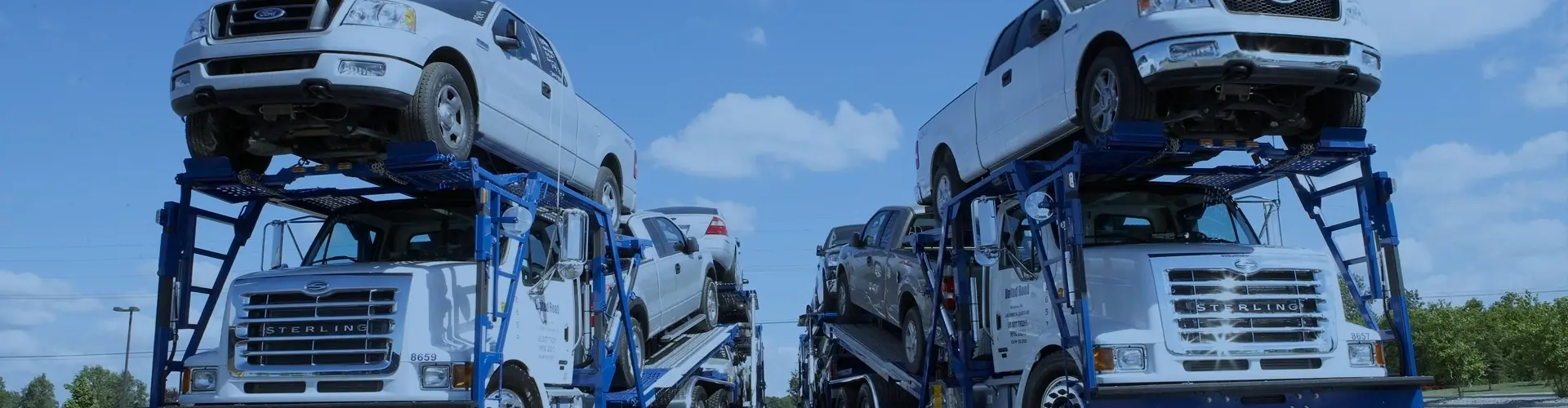
Santa Clarita to Austin Car Shipping Route
Santa Clarita to Austin covers approximately 1,480 miles by road. Carriers depart via I-5 south to I-10 east, or exit via SR-14 northeast toward Palmdale before connecting to I-40 or US-60 depending on the dispatch plan. The I-5/SR-14 interchange at the north end of the Santa Clarita Valley gives carriers a clean on-ramp without navigating central LA surface traffic. From there, the route crosses the Sonoran Desert, the Texas state line near El Paso, and the Edwards Plateau before arriving in Austin. Driving this yourself means two-plus days of high-desert and West Texas mileage; detailed comparisons of cost and wear are covered at https://california.auto-transport-shipping.com/articles/benefits-of-auto-transport-service-vs-driving-yourself.html.
Austin's demand is anchored by several identifiable institutions. Fort Cavazos, the Army's largest active-duty installation by area, sits roughly 60 miles north of Austin and generates a steady stream of PCS vehicle shipments. The University of Texas at Austin enrolls over 50,000 students, creating August and January shipping surges. Major employers including Apple, Tesla's Gigafactory Texas, Dell Technologies, and Amazon Web Services have pulled significant California-based workforces to Austin in recent years. On the route itself, summer heat across the Chihuahuan Desert and West Texas can affect open-carrier scheduling, so timing your booking matters. Before you finalize logistics, review https://california.auto-transport-shipping.com/articles/auto-transport-mistakes-to-avoid.html to avoid common errors.
Santa Clarita to Austin Car Shipping Rates
Rates on the Santa Clarita–Austin corridor are shaped by fuel costs across roughly 1,480 miles of highway, demand volume on the Southern California–to–Texas lane, and seasonal timing. Summer months drive rates up as relocation demand from UT Austin, tech sector moves, and military PCS orders converge. West Texas fuel surcharges can layer on top during high-price periods. See how pump prices directly affect your quote at https://california.auto-transport-shipping.com/articles/how-gas-prices-impact-california-auto-transport-fees.html before you book.
What affects the cost of Santa Clarita to Austin car shipping:
- Vehicle type and size — larger vehicles take more carrier space; aftermarket additions like lift kits, oversized mirrors, or roof accessories can add fees
- Open vs. enclosed transport — open is lower cost with stronger carrier availability; enclosed protects against weather, debris, and road conditions
- Standard vs. expedited pickup — expedited prioritizes your vehicle for the next available dispatch, typically at a $100–$300 premium
- Time of year — peak demand seasons drive rates higher; off-peak windows offer the most competitive pricing
- Fuel costs — diesel prices affect carrier rates; longer routes are more sensitive to fuel price swings
- Vehicle condition — non-running vehicles require special loading equipment and cost more to ship
| Vehicle Type | Open Car Shipping (Est.) | Enclosed Car Shipping (Est.) |
|---|---|---|
| Sedan | $950 – $1,350 | $1,700 – $2,300 |
| SUV / Crossover | $1,100 – $1,600 | $1,950 – $2,700 |
| Pickup Truck | $1,100 – $1,650 | $1,950 – $2,750 |
| Minivan | $1,100 – $1,600 | $1,950 – $2,700 |
| Luxury / Classic Car | $1,300 – $1,900 | $2,200 – $3,000 |
| Non-Running Vehicle | Add $200–350 | Add $200–350 |
* Estimated ranges based on recent Santa Clarita to Austin shipments. Actual rate depends on vehicle, locations, booking date, and current fuel costs. Use the form on this page to compare real quotes from licensed carriers.
Open vs. Enclosed: What This Specific Route Actually Requires
For most standard vehicles on this corridor, open transport is the practical choice. The Santa Clarita–Austin route avoids the northern mountain passes where winter road salt and ice debris create finish risk, and West Texas highways are typically dry and clear. Enclosed becomes worth the cost premium if you're shipping a classic, a luxury vehicle above $80,000, or a motorcycle during summer monsoon season in New Mexico and West Texas, when blowing debris is a real factor. Otherwise, the open carriers running this lane regularly are reliable and competitively priced.
How Long Does Santa Clarita to Austin Car Shipping Take?
Santa Clarita to Austin typically runs 4 to 6 days in transit once a carrier is assigned. The driving time for 1,480 miles — with federally mandated rest stops factored in — puts most carriers at 2.5 to 3 driving days, but dispatch coordination, co-loading stops, and delivery sequencing in Austin add time. Carrier frequency out of the Santa Clarita–LA basin is high enough that assignment usually happens within 1 to 3 business days of booking. If your timeline is compressed, expedited options exist — details at https://california.auto-transport-shipping.com/articles/california-expedited-car-shipping-fast-cost.html.
| Service Type | Typical Transit | Pickup Window | Best For |
|---|---|---|---|
| Open — Standard | 4–6 days | 2–5 business days | Best value; most common choice on this route |
| Open — Expedited | 2–4 days | 1–2 business days | Firm arrival date; faster dispatch window |
| Enclosed — Standard | 4–6 days | 3–7 business days | Luxury, classic, or modified vehicles |
| Enclosed — Expedited | 2–4 days | 1–3 business days | High-value vehicles on a firm delivery deadline |
** Summer monsoon activity in southern New Mexico and West Texas — typically July through September — can slow carriers by half a day to a full day due to flash flooding near I-10 and US-90. Winter fog in the San Joaquin Valley occasionally delays Southern California carrier departures by several hours as well.
Santa Clarita to Austin — Route & Logistics
Carriers access this route from the I-5/SR-14 interchange in Santa Clarita, moving south to I-10 east or northeast via SR-14 toward connections with I-40. The primary carrier corridor runs I-10 east through Los Angeles, Palm Springs, Phoenix, Tucson, El Paso, and onward to San Antonio before turning north on I-35 into Austin — approximately 1,480 miles total.
Key Corridor Waypoints
- Santa Clarita, CA (I-5/SR-14 Interchange) Carriers stage and load at Santa Clarita using the I-5/SR-14 interchange as the primary access point. The interchange sits at roughly 1,200 feet elevation and provides clean freeway access without the surface-street congestion of central Los Angeles. Multi-vehicle haulers can load here efficiently before committing to I-5 south toward I-10.
- Cajon Pass / San Bernardino, CA If a carrier routes via SR-138 or I-15, Cajon Pass at 4,260 feet is the first significant elevation point. Most I-10 routes bypass this, but carriers dispatching from Inland Empire staging yards may traverse it. Brake checks and trailer inspections are common on the descent before entering the Coachella Valley.
- Phoenix, AZ Phoenix is a standard overnight or co-load point for carriers on the Southern California–to–Texas corridor. Carriers may pick up or drop off additional vehicles here, adding a few hours to transit time. Summer temperatures exceed 110°F regularly, so enclosed carriers may adjust scheduling to avoid midday loading on blacktop.
- El Paso, TX / Las Cruces, NM The El Paso–Las Cruces corridor marks the Texas state line crossing and a natural carrier fuel and rest stop. US Customs infrastructure nearby means occasional traffic congestion on I-10 eastbound. This is also where summer monsoon risk begins — carriers monitor conditions on the stretch east toward Van Horn, TX.
- San Antonio, TX (I-10 / I-35 Junction) Carriers transition from I-10 east to I-35 north at San Antonio. This interchange is one of the busiest in Texas and can add 30 to 60 minutes during peak traffic windows. San Antonio is also a secondary delivery or co-load stop for carriers splitting Texas runs, so some vehicles may be offloaded here before final Austin delivery.
- Austin, TX (I-35 Delivery Zone) Austin delivery concentrates along I-35 corridor access points. Central Austin streets near UT campus and downtown have width and clearance constraints for multi-car haulers, often requiring staging in parking lots off Rundberg Lane, Ben White Boulevard, or near the Domain district. Carriers coordinate a specific meet point rather than door delivery in dense zones.
Pickup & Delivery Access
- Pickup Access in Santa Clarita Santa Clarita's suburban grid — Newhall, Saugus, and Canyon Country included — is fully navigable for standard multi-car haulers. Wide residential streets and accessible commercial lots near Valencia Town Center and Stevenson Ranch provide flexible meet points. The I-5/SR-14 interchange area near Lyons Avenue gives carriers a practical staging location when driveway access is limited.
- Delivery Access in Austin Most Austin neighborhoods accessible from I-35 and MoPac work fine for standard carrier delivery. Central Austin near UT Austin, South Congress, and the 6th Street corridor can require staging due to narrow lanes and parked-car density. Carriers typically designate a meet point in a commercial parking lot. The Domain, Round Rock, and Cedar Park areas on Austin's north side are straightforward for hauler access.
- Nearby Pickup Locations Carriers picking up in Santa Clarita regularly extend service to Newhall, Saugus, and Canyon Country. Call 1‑800‑590‑6492 to confirm door-to-door availability at your address.
Open vs. Enclosed Car Shipping: Santa Clarita to Austin
Both options use licensed, insured carriers and deliver door to door. For a full breakdown, read the pros and cons of open vs. enclosed car shipping.
Open Car Shipping
Most Popular- Lower cost — the practical choice for most vehicles
- More carriers available on this corridor
- Faster dispatch from booking to pickup
- Works well for sedans, SUVs, trucks, and minivans
- Vehicle rides on an open multi-car carrier
- Cargo insurance required on all licensed carriers
Estimated cost: $950 – $1,650
Enclosed Car Shipping
Premium Protection- Full protection from weather, debris, and road grime
- Best for luxury, exotic, and classic vehicles
- Recommended for low-clearance and custom-built cars
- Wheel-net or soft-tie systems prevent contact damage
- Higher cargo coverage — commonly $500,000 per load
- White-glove handling by experienced operators
Estimated cost: $1,700 – $2,750
Not sure which is right for your vehicle? Call 1-800-590-6492 and we'll point you in the right direction. Also worth reading: the top 10 questions to ask any car shipping company before you commit.
How to Prepare Your Car for Shipping to Austin
A little prep before pickup protects you if there's ever a dispute about your vehicle's condition. This checklist is from our full guide on preparing your car for transport:
- Remove all personal belongings from the interior and trunk
- Leave only a quarter tank of fuel — enough to load and unload
- Take date-stamped photos of the full exterior and interior
- Remove or disable toll transponders (FasTrak, E-ZPass, etc.)
- Retract or remove roof racks, spoilers, antennas, and bike mounts
- Make sure the battery is charged and tires are properly inflated
- Tell the carrier about any existing leaks or mechanical issues
- Deactivate the car alarm before the carrier arrives
- Write down the mileage on the Bill of Lading at pickup
- Fold in side mirrors if the vehicle is wider than standard
Personal items: Most carriers won't cover belongings left in the car. Read the full rules on shipping personal items in your vehicle. Also review our Bill of Lading guide so you know exactly what to check at pickup and delivery.
When to Ship Your Car from Santa Clarita to Austin
This corridor sees pricing peaks in late spring through August, driven by UT Austin's academic calendar, military PCS cycle timing, and tech-sector relocation activity from California. Winter months are generally lighter in demand and lower in price, though West Texas cold snaps can introduce minor delays. January sees a secondary uptick from spring semester arrivals. For winter-specific shipping considerations, see https://california.auto-transport-shipping.com/articles/auto-transport-challenges-during-the-winter.html.
UT Austin Move-In Season (July–August)
University of Texas at Austin's fall semester creates the highest demand concentration of the year on this corridor. Students and families shipping vehicles from Southern California spike volumes in July and August. Booking 2 to 3 weeks ahead of your target date is advisable. Rates run 10 to 20 percent above baseline during peak weeks, and carrier availability tightens as the semester start date approaches.
Summer Heat Window (June–September)
Sustained temperatures above 105°F across the Arizona and West Texas desert sections are routine from June through early September. Open carriers operate normally, but vehicles sitting on upper decks during midday desert transits absorb heat load. High-end vehicles with sensitive interiors or paint may warrant enclosed shipping during this window. Carriers also factor summer fuel demand surcharges into rates on this stretch.
Monsoon Season Risk (July–September)
The North American monsoon brings afternoon and evening thunderstorms to southern New Mexico and West Texas from July through mid-September. Flash flooding near I-10 between Deming, NM and Fort Stockton, TX is a documented hazard. Carriers typically route around closures but may hold overnight in El Paso during severe events. Build one buffer day into your expected delivery window if booking in this period.
Military PCS Season (March–June and September–November)
Fort Cavazos PCS orders cluster in spring and fall, pulling vehicle shipments from across California — including the greater Los Angeles area — into Central Texas. The Santa Clarita–Austin route benefits from this consistent volume, keeping carriers motivated to run it. If you have PCS orders, book as soon as your reporting date is confirmed. Government bill of lading eligibility may also apply to your shipment.
Spring Relocation Peak (March–May)
California-to-Texas relocation volume is highest in spring as tech and corporate transfers coordinate with fiscal-year start dates. Austin's major employers — Apple, Dell, Tesla Gigafactory Texas — tend to onboard new hires in Q1 and Q2. Demand on this corridor from Santa Clarita and the broader LA basin runs strong March through May. Earlier booking locks in better rates before carrier capacity tightens.
Winter Lull and Value Window (December–February)
December through February is the softest demand period on this route. Lower volumes translate to better negotiating position and faster carrier assignment for flexible shippers. West Texas can experience occasional cold snaps with ice on elevated highway sections near the Davis Mountains, which may add a half-day to transit time. Otherwise, winter is the most cost-effective window to ship on this corridor.
How to Choose a Santa Clarita to Austin Car Shipping Company
Getting multiple quotes is step one — knowing what to look for in those quotes matters just as much. Our guide on how to select a car shipping company covers the full process. Here are the six things that matter most:
FMCSA Registration
Every carrier or broker must hold a valid MC number. Verify any company at FMCSA SAFER before you book.
Proof of Insurance
Ask for a current certificate of insurance. Open carriers typically carry $100,000–$250,000 per load; enclosed commonly $500,000 or more. Learn what auto transport insurance covers.
All-In Pricing
Your quote should be a final number with no fees added after booking. Know the difference between brokers and carriers and confirm what the quote covers before you agree.
Bill of Lading
A complete Bill of Lading is filled out at pickup and delivery. Our Bill of Lading guide explains what to check. Never sign an incomplete one.
Real Reviews
Check Google and the BBB. Look at how they handled complaints and damage claims — that tells you more than a five-star average from happy customers.
Route Experience
A carrier who runs Santa Clarita to Austin regularly knows this route in specific, actionable ways. They know the I-10 corridor through Blythe, Phoenix, and Tucson runs better overnight in summer when temperatures drop and traffic thins. They know the I-35 approach into Austin tightens badly between Round Rock and downtown from 7 to 9 a.m. and 4 to 6 p.m., and they schedule Austin deliveries to avoid that window. They know co-loading stops in Phoenix and San Antonio are predictable and factor that time in honestly rather than surprising you with it. They know which Austin zip codes require a staging lot versus which permit direct residential delivery. That operational familiarity is what separates a carrier who runs this lane from one making it for the first time.
Santa Clarita to Austin Car Shipping — FAQ
How much does it cost to ship a car from Santa Clarita to Austin?
Rates on the Santa Clarita–Austin corridor typically range from $950 to $1,500 for standard open transport, depending on your vehicle's size, the time of year, and current fuel pricing. Enclosed transport runs $1,500 to $2,400 for the same distance. Summer months — particularly July and August — carry the highest rates due to UT Austin move-in demand and general relocation volume from Southern California. Military PCS periods in spring and fall also push rates up modestly. Booking 2 to 3 weeks ahead of your target pickup date gives you better access to competitive pricing before carrier capacity tightens on this lane.
How long does Santa Clarita to Austin car shipping take?
Transit time from Santa Clarita to Austin runs 4 to 6 days once a carrier is assigned and dispatched. The driving distance is approximately 1,480 miles, which a carrier covers in roughly 2.5 to 3 days of road time. The remaining time accounts for co-loading stops in Phoenix or San Antonio, federally mandated rest periods, and delivery sequencing in Austin. Carrier assignment after booking typically takes 1 to 3 business days. If your schedule is tight, expedited dispatch options can compress the assignment window — see https://california.auto-transport-shipping.com/articles/california-expedited-car-shipping-fast-cost.html for what that costs and how it works.
Is my car insured during transport from Santa Clarita to Austin?
Every licensed carrier operating on this route is required by federal law to carry cargo liability insurance, which covers your vehicle against damage caused during transit. Before your vehicle is loaded, the carrier completes a Bill of Lading documenting its pre-transport condition — this is the document you'll reference if you need to file a claim. Your personal auto insurance may or may not extend coverage during transport, so verify that with your insurer before shipping. For a thorough explanation of what carrier insurance covers and where gaps can exist, read https://california.auto-transport-shipping.com/articles/understanding-auto-transport-insurance.html. If damage does occur, the claims process is outlined at https://california.auto-transport-shipping.com/articles/how-to-file-a-claim-for-vehicle-damage-during-transport.html.
Should I choose open or enclosed transport for Santa Clarita to Austin?
For most vehicles on this corridor, open transport is the practical and cost-effective choice. The I-10 route through Arizona and West Texas is dry the majority of the year, and there are no northern mountain passes with road salt or ice debris to contend with. Enclosed shipping becomes worth the premium if you're moving a classic car, a vehicle valued above $80,000, or a motorcycle during summer monsoon season, when blowing debris in New Mexico and West Texas is an elevated concern from July through September. For a detailed breakdown of both options, see https://california.auto-transport-shipping.com/articles/open-vs-enclosed-auto-transport-pros-and-cons.html.
Do I have to be present at pickup in Santa Clarita and delivery in Austin?
You or a designated representative must be present at both pickup and delivery to sign the Bill of Lading, which records your vehicle's condition at each endpoint. You don't have to be the vehicle owner — a trusted adult you authorize can handle this on your behalf. The Bill of Lading is your legal record of any pre-existing damage and any new damage that occurs during transport, so make sure whoever signs it inspects the vehicle carefully before and after. Do not sign a blank or incomplete Bill of Lading. More on what this document contains and why it matters: https://california.auto-transport-shipping.com/articles/california-auto-transport-bill-of-lading-information.html.
How does the summer monsoon season in the Southwest affect my shipment?
The North American monsoon runs from roughly early July through mid-September, bringing afternoon and evening thunderstorms across southern New Mexico and West Texas — directly along the I-10 route between El Paso and Fort Stockton. Flash flooding is documented on this stretch and can force carriers to hold in El Paso for several hours or overnight during severe events. This doesn't make summer shipping unreliable, but it does make a 5 to 6 day transit estimate more realistic than 4 days during monsoon months. If your delivery window is firm, build in a buffer day or ask about expedited options.
I have military PCS orders to Fort Cavazos — what should I know about shipping from Santa Clarita?
Fort Cavazos, located near Killeen roughly 60 miles north of Austin, is one of the Army's highest-volume PCS destinations in the country. Carriers familiar with this corridor know how to route deliveries to the Killeen–Fort Cavazos area as well as Austin proper. PCS shipping volumes peak in spring (March through June) and fall (September through November), so booking as soon as your reporting date is confirmed is important. Confirm whether your orders include a government bill of lading or a personally procured move allowance, as that affects how you pay and what reimbursement you may be eligible for.
Can carriers deliver directly to my residence in Austin, or is a staging location required?
It depends on where in Austin your residence is. Most suburban and outer-ring neighborhoods — Round Rock, Cedar Park, Pflugerville, South Austin off Slaughter Lane — are accessible for standard multi-car haulers without any issues. Central Austin, the UT Austin campus area, Hyde Park, and downtown-adjacent neighborhoods present real constraints: narrow streets, low-hanging tree canopy, restricted loading zones, and parked vehicle density can prevent a full-size hauler from reaching your door. In those cases, the carrier will coordinate a nearby staging location — a commercial parking lot, a wide intersection, or an accessible side street — and you meet them there for delivery.
Ready to Ship Your Car from Santa Clarita to Austin?
One form gets you up to 10 free quotes from licensed, insured carriers. Compare costs and transit times and book the best deal for your schedule.