
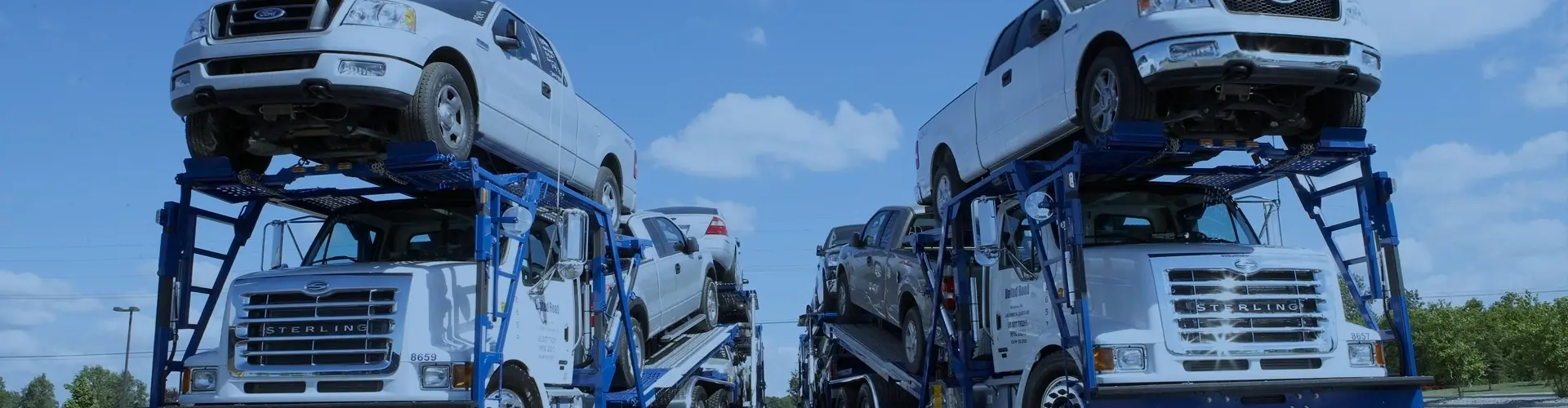
San Diego to Virginia Beach Car Shipping Route
The San Diego to Virginia Beach corridor covers approximately 2,680 miles. Carriers depart San Diego using I-8 east to connect with I-10 in Arizona, then follow I-10 through Phoenix and Tucson before transitioning to I-20 east through Texas, Louisiana, and Mississippi. From there, carriers move north on I-85 and I-95 through the Carolinas to reach the Hampton Roads area of Virginia. Departures from Chula Vista, El Cajon, La Mesa, and Escondido all feed into this same interstate network efficiently. Shipping your vehicle rather than driving saves you roughly four to five days behind the wheel and thousands in fuel, lodging, and wear. See why transport beats driving at https://california.auto-transport-shipping.com/articles/benefits-of-auto-transport-service-vs-driving-yourself.html
Virginia Beach demand is anchored by Naval Station Norfolk, NAS Oceana, Joint Expeditionary Base Little Creek, and Fort Story — collectively one of the heaviest concentrations of U.S. military assets on the East Coast. PCS transfer orders from these installations generate vehicle shipping demand every month, but volume peaks sharply between May and August. Old Dominion University and Regent University add student relocation cycles in August and January. Major employers including General Dynamics, Huntington Ingalls Industries, and the federal government's sizeable Hampton Roads footprint drive year-round civilian relocation. The Sun Belt routing through Texas and Georgia is generally mild, but winter ice events across the Appalachian foothills between North Carolina and Virginia can occasionally affect final delivery timing. Before booking, review https://california.auto-transport-shipping.com/articles/auto-transport-mistakes-to-avoid.html to avoid common errors.
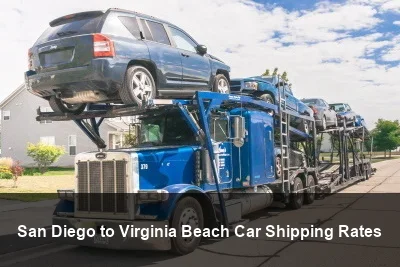
San Diego to Virginia Beach Car Shipping Rates
At 2,680 miles, this route falls into the long-haul pricing tier where base rates are typically lower per mile than shorter corridors, but total cost is substantial. Military PCS season — May through August — pushes demand high enough to tighten carrier availability and lift spot pricing on both endpoints simultaneously. Fuel costs across Texas and the Southeast directly affect carrier quotes; see how gas prices factor in at https://california.auto-transport-shipping.com/articles/how-gas-prices-impact-california-auto-transport-fees.html. Winter months bring modest rate softening, though weather-related delays can offset the savings.
What affects the cost of San Diego to Virginia Beach car shipping:
- Vehicle type and size — larger vehicles take more carrier space; aftermarket additions like lift kits, oversized mirrors, or roof accessories can add fees
- Open vs. enclosed transport — open is lower cost with stronger carrier availability; enclosed protects against weather, debris, and road conditions
- Standard vs. expedited pickup — expedited prioritizes your vehicle for the next available dispatch, typically at a $100–$300 premium
- Time of year — peak demand seasons drive rates higher; off-peak windows offer the most competitive pricing
- Fuel costs — diesel prices affect carrier rates; longer routes are more sensitive to fuel price swings
- Vehicle condition — non-running vehicles require special loading equipment and cost more to ship
| Vehicle Type | Open Car Shipping (Est.) | Enclosed Car Shipping (Est.) |
|---|---|---|
| Sedan | $1,100 – $1,600 | $1,900 – $2,700 |
| SUV / Crossover | $1,300 – $1,900 | $2,200 – $3,100 |
| Pickup Truck | $1,300 – $1,950 | $2,200 – $3,150 |
| Minivan | $1,300 – $1,900 | $2,200 – $3,100 |
| Luxury / Classic Car | $1,550 – $2,200 | $2,600 – $3,600 |
| Non-Running Vehicle | Add $200–400 | Add $200–400 |
* Estimated ranges based on recent San Diego to Virginia Beach shipments. Actual rate depends on vehicle, locations, booking date, and current fuel costs. Use the form on this page to compare real quotes from licensed carriers.
Open or Enclosed Transport for the San Diego–Virginia Beach Run
Open transport is the practical choice for most vehicles on this corridor. The Sun Belt routing through Arizona, Texas, and the Deep South keeps weather exposure manageable for standard cars, trucks, and SUVs. Enclosed makes sense if you're moving a classic, exotic, or high-value vehicle — the route's final stretch through the Carolinas and into Virginia introduces more weather variability, including rain and occasional late-season storms. If your vehicle's value exceeds $60,000 or it has low ground clearance that makes open loading risky, the enclosed premium is worth it. Otherwise, open is sufficient.
How Long Does San Diego to Virginia Beach Car Shipping Take?
Expect 7 to 10 days door-to-door on the San Diego to Virginia Beach route under normal conditions. The driving distance alone is roughly 40 hours at highway speeds, and carriers combine loads, make multiple stops, and operate within federal hours-of-service limits. San Diego's strong outbound carrier frequency — driven by the military base concentration — means vehicles typically dispatch within 1 to 3 days of the transport window opening. If your schedule is rigid, expedited options can reduce that buffer; see https://california.auto-transport-shipping.com/articles/california-expedited-car-shipping-fast-cost.html for what that costs on long-haul routes.
| Service Type | Typical Transit | Pickup Window | Best For |
|---|---|---|---|
| Open — Standard | 7–10 days | 2–5 business days | Best value; most common choice on this route |
| Open — Expedited | 5–7 days | 1–2 business days | Firm arrival date; faster dispatch window |
| Enclosed — Standard | 7–10 days | 4–8 business days | Luxury, classic, or modified vehicles |
| Enclosed — Expedited | 5–7 days | 2–4 business days | High-value vehicles on a firm delivery deadline |
** Winter ice events on I-81 and the Blue Ridge corridor in Virginia and North Carolina occasionally force carriers onto alternate routes, adding 1 to 2 days. Late-summer hurricane activity near the Gulf Coast and Carolinas — typically August through October — can similarly cause brief reroutes or staging delays at carriers' discretion.
San Diego to Virginia Beach — Route & Logistics
Carriers serving this corridor depart San Diego via I-8 east, connecting to I-10 at Casa Grande, Arizona. They follow I-10 through Phoenix, Tucson, El Paso, and San Antonio before transitioning to I-20 east through Dallas, Shreveport, and Jackson. The route then moves north on I-85 through Atlanta and the Carolinas before reaching I-64 into Virginia Beach — roughly 2,680 miles of primarily interstate travel.
Key Corridor Waypoints
- Phoenix, AZ Phoenix is the first major staging point after the California-Arizona state line. Carriers picking up vehicles in the East San Diego County area — El Cajon, Santee — often reach Phoenix within the first driving day. It serves as a common overnight stop and a secondary load consolidation point for carriers filling out eastbound capacity before the Texas stretch.
- El Paso, TX / Las Cruces, NM The I-10 corridor through El Paso marks the transition from the Desert Southwest into the Texas interior. Elevation here sits around 3,700 feet — not a major weather concern, but winter nights can produce ice on bridge decks. Carriers often perform a quick inspection check here and fuel up before the long Texas run through Midland and San Antonio.
- San Antonio, TX San Antonio is the primary route decision point. Carriers continue east on I-10 toward Houston or transition to I-20 northeast toward Dallas depending on load commitments and delivery order. The I-20 path through Dallas, Shreveport, and Jackson is the more common choice for Virginia-bound runs, as it avoids Gulf Coast weather exposure and shaves distance compared to the Houston loop.
- Atlanta, GA Atlanta is the last major metro before the final Southeastern push. Carriers generally reach Atlanta around day four or five depending on pickup load patterns. I-85 northeast out of Atlanta through Greenville and Charlotte is the primary path toward Virginia. Atlanta traffic can create hour-long delays during weekday afternoon peaks — experienced carriers time passage for early morning.
- Charlotte, NC Charlotte marks the transition into the final leg. Carriers move north on I-85 to I-95 or take I-77 north toward I-64 east into Virginia Beach. Winter weather becomes a real variable here — the Piedmont and Virginia foothills between Charlotte and Richmond historically see ice events from December through February that can pause movements for 12 to 24 hours.
- Virginia Beach / Hampton Roads, VA The Hampton Roads area includes multiple delivery zones: the Oceanfront resort district, military housing near NAS Oceana and Little Creek, and suburban neighborhoods in Chesapeake and Norfolk. Carriers familiar with this endpoint know which base access roads require civilian meet points and which residential areas have overhead clearance or cul-de-sac geometry that limits large transporter maneuverability.
Pickup & Delivery Access
- Pickup Access in San Diego San Diego supports door-to-door pickup across most of the city, including Mission Valley, North Park, Pacific Beach, and Clairemont. Military installations — Naval Base San Diego, NAS North Island, MCAS Miramar — require civilian meet points at or near base entry gates. SR-163 and I-15 give carriers efficient access to central and north San Diego. Nearby cities including Chula Vista, El Cajon, Escondido, and La Mesa are all serviceable for direct pickup without surcharges in most cases.
- Delivery Access in Virginia Beach Virginia Beach is carrier-accessible throughout most residential zones, including Kempsville, Great Neck, and the resort district near the oceanfront. Narrow access streets in some older neighborhoods between Norfolk and Virginia Beach occasionally require staging at a nearby parking lot or shopping center. Military housing areas near Little Creek and Oceana require civilian staging points. Carriers familiar with Hampton Roads generally know these limitations and will coordinate a nearby meet point when needed.
- Nearby Pickup Locations Carriers picking up in San Diego regularly extend service to Chula Vista, El Cajon, Escondido, and La Mesa. Call 1‑800‑590‑6492 to confirm door-to-door availability at your address.
Open vs. Enclosed Car Shipping: San Diego to Virginia Beach
Both options use licensed, insured carriers and deliver door to door. For a full breakdown, read the pros and cons of open vs. enclosed car shipping.
Open Car Shipping
Most Popular- Lower cost — the practical choice for most vehicles
- More carriers available on this corridor
- Faster dispatch from booking to pickup
- Works well for sedans, SUVs, trucks, and minivans
- Vehicle rides on an open multi-car carrier
- Cargo insurance required on all licensed carriers
Estimated cost: $1,100 – $1,950
Enclosed Car Shipping
Premium Protection- Full protection from weather, debris, and road grime
- Best for luxury, exotic, and classic vehicles
- Recommended for low-clearance and custom-built cars
- Wheel-net or soft-tie systems prevent contact damage
- Higher cargo coverage — commonly $500,000 per load
- White-glove handling by experienced operators
Estimated cost: $1,900 – $3,150
Not sure which is right for your vehicle? Call 1-800-590-6492 and we'll point you in the right direction. Also worth reading: the top 10 questions to ask any car shipping company before you commit.
How to Prepare Your Car for Shipping to Virginia Beach
A little prep before pickup protects you if there's ever a dispute about your vehicle's condition. This checklist is from our full guide on preparing your car for transport:
- Remove all personal belongings from the interior and trunk
- Leave only a quarter tank of fuel — enough to load and unload
- Take date-stamped photos of the full exterior and interior
- Remove or disable toll transponders (FasTrak, E-ZPass, etc.)
- Retract or remove roof racks, spoilers, antennas, and bike mounts
- Make sure the battery is charged and tires are properly inflated
- Tell the carrier about any existing leaks or mechanical issues
- Deactivate the car alarm before the carrier arrives
- Write down the mileage on the Bill of Lading at pickup
- Fold in side mirrors if the vehicle is wider than standard
Personal items: Most carriers won't cover belongings left in the car. Read the full rules on shipping personal items in your vehicle. Also review our Bill of Lading guide so you know exactly what to check at pickup and delivery.
When to Ship Your Car from San Diego to Virginia Beach
This corridor experiences two distinct demand peaks: military PCS season from May through August, when orders from San Diego and Virginia Beach bases generate simultaneous eastbound and westbound pressure, and a secondary spike in late December through January from post-holiday relocations and spring semester student moves. Summer pricing typically runs 10 to 20 percent above winter rates. Winter brings softer demand and lower pricing but introduces weather risk in the Carolinas and Virginia. See https://california.auto-transport-shipping.com/articles/auto-transport-challenges-during-the-winter.html for how winter conditions affect long-haul transit.
Spring PCS Season (March–May)
Military PCS orders begin processing in March for summer transfer dates, and carrier demand on the San Diego–Virginia Beach corridor rises sharply. Both endpoints are major Navy and Marine Corps hubs, so this route sees simultaneous pressure from departing and arriving service members. Book four to six weeks ahead if your move window falls in April or May. Pricing is rising but hasn't yet hit peak summer rates.
Peak Military PCS (June–August)
June, July, and August are the heaviest shipping months on this route. PCS transfer cycles from Naval Base San Diego, NAS North Island, and MCAS Miramar align with arrivals at NAS Oceana, Little Creek, and Norfolk. Carrier availability tightens significantly. Rates reach annual highs. Book six to eight weeks in advance during this window, provide flexible pickup dates, and confirm your transport window is realistic before paying for flights.
Student Move Season (August & January)
Old Dominion University and Regent University in the Virginia Beach–Norfolk area generate inbound vehicle shipping demand in late August and again in early January. This overlaps with the tail end of military PCS season in August, compressing availability further. January moves coincide with post-holiday carrier slowdowns, so lead time matters even when overall demand is moderate. Budget for a three to five day dispatch window in January.
Winter Shoulder Season (December–February)
Demand softens after mid-November, and carriers often reduce quotes on this corridor through February. That pricing advantage is real, but plan for potential transit delays. Ice events along I-85 and I-64 between Charlotte and Virginia Beach occur every winter and can hold carriers at staging points for 24 to 48 hours. If timing is flexible, winter can save money; if timing is firm, build buffer days into your delivery window.
Fall Relocation Window (September–November)
September and October bring a moderate demand bump as military personnel with fall transfer orders finalize moves, and civilian relocations tied to government contractor hiring cycles pick up in the Hampton Roads defense industry corridor. Carrier availability is better than summer, and rates have typically eased. Weather across the route is generally favorable, making this one of the better windows to ship if your schedule allows flexibility.
How to Choose a San Diego to Virginia Beach Car Shipping Company
Getting multiple quotes is step one — knowing what to look for in those quotes matters just as much. Our guide on how to select a car shipping company covers the full process. Here are the six things that matter most:
FMCSA Registration
Every carrier or broker must hold a valid MC number. Verify any company at FMCSA SAFER before you book.
Proof of Insurance
Ask for a current certificate of insurance. Open carriers typically carry $100,000–$250,000 per load; enclosed commonly $500,000 or more. Learn what auto transport insurance covers.
All-In Pricing
Your quote should be a final number with no fees added after booking. Know the difference between brokers and carriers and confirm what the quote covers before you agree.
Bill of Lading
A complete Bill of Lading is filled out at pickup and delivery. Our Bill of Lading guide explains what to check. Never sign an incomplete one.
Real Reviews
Check Google and the BBB. Look at how they handled complaints and damage claims — that tells you more than a five-star average from happy customers.
Route Experience
A carrier who runs San Diego to Virginia Beach regularly knows that the I-20 routing through Dallas and Jackson is faster and more reliable than the I-10 Gulf Coast path, particularly during hurricane season. They know that Atlanta passage needs to happen before 7 a.m. or after 8 p.m. to avoid losing two hours to I-285 and downtown congestion. They know that Charlotte to Virginia Beach can be a half-day drive or a full day depending on whether I-64 through Richmond is moving. They know that NAS Oceana and Little Creek both require civilian staging and that the resort district near Virginia Beach's oceanfront has parking geometry that doesn't work for 10-car transporters. That institutional knowledge shortens your transit time and reduces last-minute communication problems.
San Diego to Virginia Beach Car Shipping — FAQ
How much does it cost to ship a car from San Diego to Virginia Beach?
Most standard vehicles ship from San Diego to Virginia Beach in the range of $1,100 to $1,600 on an open carrier under normal conditions. Enclosed transport runs $1,800 to $2,500 depending on vehicle size and season. Rates climb 10 to 20 percent during peak military PCS season from June through August, when both endpoints see simultaneous demand pressure. Pickup location within San Diego — including Chula Vista, El Cajon, or Escondido — generally doesn't add cost since carriers access all of these areas through the same I-8 and I-15 interchange network. Get a current quote through the form on this page for a figure specific to your vehicle type and move dates.
How long does San Diego to Virginia Beach car shipping take?
Door-to-door transit typically runs 7 to 10 days from the time a carrier picks up your vehicle. That accounts for the approximately 2,680-mile driving distance, federal hours-of-service limits for truck drivers, and the carrier's multi-stop load structure. In peak PCS season, dispatch from San Diego can take 2 to 4 days after your window opens as carriers fill loads. In slower months, dispatch often happens within 1 to 2 days. If you need a faster timeline, expedited transport compresses dispatch to 24 to 48 hours for a premium; see https://california.auto-transport-shipping.com/articles/california-expedited-car-shipping-fast-cost.html for what that adds to the total cost on a long-haul route like this one.
Is my car insured during transport from San Diego to Virginia Beach?
Every licensed auto transport carrier is required to carry cargo liability insurance that covers your vehicle during transit. However, the coverage limits and deductible terms vary by carrier, and some policies include exclusions for pre-existing damage or specific vehicle components. Before your vehicle is loaded, the carrier will complete a Bill of Lading documenting the vehicle's current condition — review it carefully and note any existing scratches, dents, or damage before signing. For a full explanation of how coverage works on long-haul routes, see https://california.auto-transport-shipping.com/articles/understanding-auto-transport-insurance.html. If you need to file a claim after delivery, the process is covered at https://california.auto-transport-shipping.com/articles/how-to-file-a-claim-for-vehicle-damage-during-transport.html.
Should I choose open or enclosed transport for the San Diego to Virginia Beach route?
Open transport is sufficient for the majority of vehicles on this corridor. The primary routing through Arizona, Texas, and the Southeast is dry and predictable most of the year, and standard cars, trucks, and SUVs arrive without issue on open carriers regularly. Enclosed makes sense if you're moving a classic, exotic, or high-value vehicle — particularly because the final stretch through the Carolinas and Virginia introduces more weather variability, including rain, and the Hampton Roads area's coastal humidity during summer months. If your vehicle is valued above $60,000 or is a collector vehicle with low ground clearance, enclosed is worth the premium. For a side-by-side comparison, see https://california.auto-transport-shipping.com/articles/open-vs-enclosed-auto-transport-pros-and-cons.html.
Do I have to be present at pickup in San Diego and delivery in Virginia Beach?
You don't have to be present yourself, but an authorized adult must be available at both ends to inspect the vehicle and sign the Bill of Lading. At pickup, that person confirms the vehicle's pre-transport condition and receives a copy of the inspection report. At delivery in Virginia Beach, they conduct the same inspection and note any changes on the delivery Bill of Lading before signing off. If you can't be there personally, a trusted contact — family member, neighbor, or colleague — can handle it on your behalf. Understand what the Bill of Lading covers and why it matters before your vehicle is loaded: https://california.auto-transport-shipping.com/articles/california-auto-transport-bill-of-lading-information.html.
How does military PCS affect car shipping availability on this route?
Military PCS orders drive more demand on the San Diego to Virginia Beach corridor than on almost any other long-haul route in the country. Naval Base San Diego, NAS North Island, and MCAS Miramar generate consistent outbound volume, while NAS Oceana, Naval Station Norfolk, Joint Expeditionary Base Little Creek, and Fort Story create inbound demand at the Virginia Beach end. From June through August, that simultaneous pressure on both endpoints can reduce carrier availability and push rates to their annual high. If your PCS orders give you any flexibility on your pickup window, booking four to six weeks ahead and providing a five-day pickup window — rather than a specific date — meaningfully improves your chances of securing a carrier quickly.
Does winter weather affect San Diego to Virginia Beach shipments?
The San Diego and Arizona portions of the route are rarely affected by winter weather. The risk concentrates in the final 300 to 400 miles — from Charlotte, North Carolina through Richmond and into Virginia Beach. Ice storms on I-64 and I-85 between December and February can hold carriers at staging points for 24 to 48 hours and occasionally force rerouting through I-95 along the coast. If you're shipping in January or February, build at least two extra days into your expected delivery window. For a full breakdown of how winter conditions affect long-haul transport logistics and what you can do to prepare, see https://california.auto-transport-shipping.com/articles/auto-transport-challenges-during-the-winter.html.
Can carriers do door-to-door pickup near military bases in San Diego?
Most of San Diego supports genuine door-to-door service — neighborhoods like Linda Vista, Point Loma, Clairemont, Miramar, and National City are all accessible to standard 10-car transporters. The exception is on-base pickup. Naval Base San Diego, NAS North Island, and MCAS Miramar all restrict commercial vehicle access, which means the carrier cannot drive onto the installation to collect your vehicle. The standard solution is a civilian meet point: a large parking lot, a nearby shopping center, or a public street outside the gate. Carriers who regularly serve the San Diego military market know the practical staging spots near each installation and will coordinate the location with you during dispatch.
Ready to Ship Your Car from San Diego to Virginia Beach?
One form gets you up to 10 free quotes from licensed, insured carriers. Compare costs and transit times and book the best deal for your schedule.