
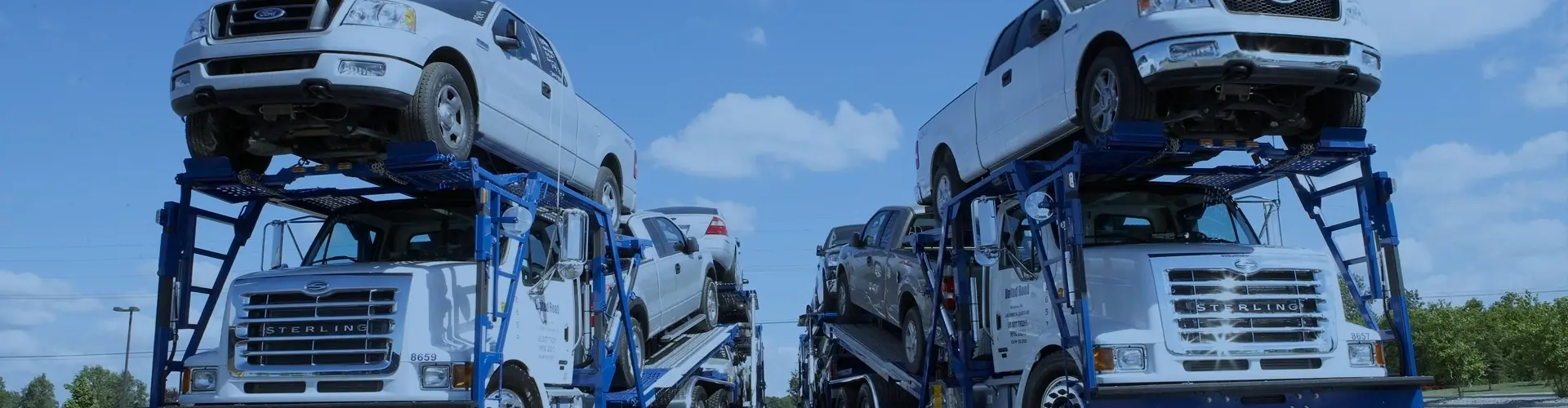
San Diego to Fort Worth Car Shipping Route
San Diego to Fort Worth covers approximately 1,357 miles. Carriers typically access the route via I-8 east out of San Diego, connecting through El Centro and across the Arizona border before picking up I-10 west of Tucson. From there the route continues east through El Paso, then northeast via I-20 into the Dallas–Fort Worth Metroplex. The Sonoran Desert crossing and the Trans-Pecos segment add geography worth understanding. Driving this yourself means two long days, fuel, lodging, and wear on your vehicle — costs that add up quickly. For a detailed breakdown of what you actually save, see https://california.auto-transport-shipping.com/articles/benefits-of-auto-transport-service-vs-driving-yourself.html
Fort Worth demand is anchored by Naval Air Station Fort Worth Joint Reserve Base, which generates PCS orders throughout the year and places military families on tight delivery timelines. Lockheed Martin's sprawling Aeronautics campus in west Fort Worth and American Airlines Group headquarters in nearby Fort Worth add corporate relocation volume. Texas Christian University and Texas Wesleyan University bring student shipments each August and May. Summer heat across West Texas and New Mexico can push carriers to run overnight legs, occasionally extending transit by a day. Before you book, review common booking errors at https://california.auto-transport-shipping.com/articles/auto-transport-mistakes-to-avoid.html
San Diego to Fort Worth Car Shipping Rates
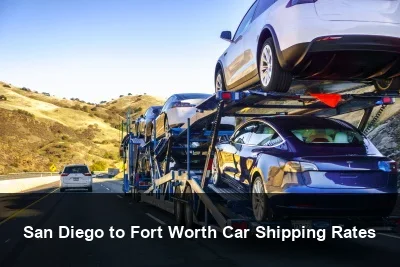
At 1,357 miles, this route sits in the upper mid-distance pricing band. Base rates typically range from $950 to $1,400 for standard open transport depending on vehicle size, season, and fuel costs. The I-8 and I-10 desert crossing means carriers watch diesel prices closely on this lane. Summer demand from military PCS cycles and student moves pushes rates up from June through August. For a direct explanation of how fuel pricing feeds into your quote, see https://california.auto-transport-shipping.com/articles/how-gas-prices-impact-california-auto-transport-fees.html
What affects the cost of San Diego to Fort Worth car shipping:
- Vehicle type and size — larger vehicles take more carrier space; aftermarket additions like lift kits, oversized mirrors, or roof accessories can add fees
- Open vs. enclosed transport — open is lower cost with stronger carrier availability; enclosed protects against weather, debris, and road conditions
- Standard vs. expedited pickup — expedited prioritizes your vehicle for the next available dispatch, typically at a $100–$300 premium
- Time of year — peak demand seasons drive rates higher; off-peak windows offer the most competitive pricing
- Fuel costs — diesel prices affect carrier rates; longer routes are more sensitive to fuel price swings
- Vehicle condition — non-running vehicles require special loading equipment and cost more to ship
| Vehicle Type | Open Car Shipping (Est.) | Enclosed Car Shipping (Est.) |
|---|---|---|
| Sedan | $950 – $1,350 | $1,700 – $2,300 |
| SUV / Crossover | $1,100 – $1,600 | $1,950 – $2,700 |
| Pickup Truck | $1,100 – $1,650 | $1,950 – $2,750 |
| Minivan | $1,100 – $1,600 | $1,950 – $2,700 |
| Luxury / Classic Car | $1,300 – $1,900 | $2,200 – $3,000 |
| Non-Running Vehicle | Add $200–350 | Add $200–350 |
* Estimated ranges based on recent San Diego to Fort Worth shipments. Actual rate depends on vehicle, locations, booking date, and current fuel costs. Use the form on this page to compare real quotes from licensed carriers.
Open vs. Enclosed: What This Desert Corridor Actually Needs
Open transport is the practical choice for most shipments on this route. The I-8 and I-10 corridor through the Sonoran Desert and West Texas is dry and largely free of road debris hazards that would justify enclosed pricing for a standard daily driver. Enclosed transport makes sense if you're moving a classic, a luxury vehicle over $70,000, or a low-clearance exotic that can't tolerate any road grit. The enclosed premium on this lane runs roughly 40–55% above open rates, so reserve it for vehicles that genuinely warrant it.
How Long Does San Diego to Fort Worth Car Shipping Take?
Standard transit on this corridor runs 3 to 5 days from carrier pickup to Fort Worth delivery. San Diego is a high-volume origin with carriers departing multiple times per week toward Texas, which keeps assignment wait times short — typically 1 to 2 business days after booking confirmation. The 1,357-mile driving distance translates to roughly two full driving days for a carrier, with mandatory rest stops factored in. If your timeline is urgent, expedited options exist — see https://california.auto-transport-shipping.com/articles/california-expedited-car-shipping-fast-cost.html for what that costs on a corridor like this.
| Service Type | Typical Transit | Pickup Window | Best For |
|---|---|---|---|
| Open — Standard | 4–6 days | 2–5 business days | Best value; most common choice on this route |
| Open — Expedited | 2–4 days | 1–2 business days | Firm arrival date; faster dispatch window |
| Enclosed — Standard | 4–6 days | 3–7 business days | Luxury, classic, or modified vehicles |
| Enclosed — Expedited | 2–4 days | 1–3 business days | High-value vehicles on a firm delivery deadline |
** Summer heat across West Texas between El Paso and Abilene can force carriers onto overnight schedules, adding 12 to 24 hours to delivery. Flash flooding in the El Paso area during July and August monsoon season occasionally causes I-10 closures. Book with at least 48 hours of flexibility on your delivery window during those months.
San Diego to Fort Worth — Route & Logistics
Carriers depart San Diego via I-8 east, the primary desert gateway to Arizona and New Mexico. From I-8 they connect to I-10 near Tucson, run east through El Paso, then northeast on I-20 through Midland-Odessa and Abilene before entering the Fort Worth metro. The full haul covers 1,357 miles across three states.
Key Corridor Waypoints
- El Centro, CA First major staging point after clearing the Laguna Mountains descent on I-8. Carriers often do a pre-desert inspection here, check tire pressure, and top off fuel before crossing into Arizona. Elevation drops to roughly 50 feet below sea level in the Imperial Valley. This is the last practical fuel and rest stop before Yuma.
- Yuma, AZ Arizona port of entry and a common overnight stop for carriers running tight hours-of-service windows. The I-8 and US-95 junction makes Yuma a natural split point for drivers heading north to Phoenix or continuing east. Carriers who stage here overnight typically reach El Paso by mid-afternoon the following day.
- El Paso, TX / Las Cruces, NM Junction Critical route junction where I-10 intersects I-25. Carriers shift from the southern desert run into the Trans-Pecos section of West Texas here. Border Patrol checkpoint activity near Sierra Blanca, roughly 90 miles east of El Paso, is routine on this corridor. Elevation near El Paso sits around 3,700 feet.
- Midland–Odessa, TX Midpoint staging area on I-20. Midland and Odessa are active oil-field service hubs, and carrier traffic here is dense with commercial freight. Drivers often refuel and swap logs around Midland. Crosswind exposure on the open Permian Basin stretches between here and Abilene can affect oversized or high-clearance loads.
- Abilene, TX Last significant stop before the DFW Metroplex on I-20. Abilene marks the transition from open West Texas ranch land to denser Central Texas infrastructure. Carriers cover the remaining 180 miles to Fort Worth from here, typically arriving without an additional overnight if they staged in Midland the prior evening.
- Fort Worth Metro Entry (I-20 / I-820) Carriers enter Fort Worth via I-20 west and merge onto I-820 to reach different quadrants of the city. The west side near Lockheed Martin and NAS Fort Worth JRB requires navigation around base access restrictions. Residential deliveries in Westover Hills and Aledo have standard street access; downtown and Near Southside areas may require staging at a wider street.
Pickup & Delivery Access
- Pickup Access in San Diego San Diego's grid layout supports door-to-door pickup across most neighborhoods including Mission Valley, Kearny Mesa, North Park, and Chula Vista. Narrow canyon-adjacent streets in areas like La Jolla Shores or parts of Point Loma may require the carrier to meet you on a nearby main road. Military personnel at MCAS Miramar or NAS North Island must arrange civilian meet points outside base access gates — the nearest accessible staging areas are typically within a half mile of each installation.
- Delivery Access in Fort Worth Fort Worth is generally carrier-accessible across suburban areas including Benbrook, Saginaw, Keller, and Burleson. The Cultural District and downtown core have narrower streets that can limit 75-foot trailer access, so delivery may shift to a nearby staging point like a shopping center lot on University Drive or Camp Bowie Boulevard. NAS Fort Worth JRB deliveries follow the same civilian meet-point protocol as military origin pickups.
- Nearby Pickup Locations Carriers picking up in San Diego regularly extend service to Chula Vista, El Cajon, Escondido, and La Mesa. Call 1‑800‑590‑6492 to confirm door-to-door availability at your address.
Open vs. Enclosed Car Shipping: San Diego to Fort Worth
Both options use licensed, insured carriers and deliver door to door. For a full breakdown, read the pros and cons of open vs. enclosed car shipping.
Open Car Shipping
Most Popular- Lower cost — the practical choice for most vehicles
- More carriers available on this corridor
- Faster dispatch from booking to pickup
- Works well for sedans, SUVs, trucks, and minivans
- Vehicle rides on an open multi-car carrier
- Cargo insurance required on all licensed carriers
Estimated cost: $950 – $1,650
Enclosed Car Shipping
Premium Protection- Full protection from weather, debris, and road grime
- Best for luxury, exotic, and classic vehicles
- Recommended for low-clearance and custom-built cars
- Wheel-net or soft-tie systems prevent contact damage
- Higher cargo coverage — commonly $500,000 per load
- White-glove handling by experienced operators
Estimated cost: $1,700 – $2,750
Not sure which is right for your vehicle? Call 1-800-590-6492 and we'll point you in the right direction. Also worth reading: the top 10 questions to ask any car shipping company before you commit.
How to Prepare Your Car for Shipping to Fort Worth
A little prep before pickup protects you if there's ever a dispute about your vehicle's condition. This checklist is from our full guide on preparing your car for transport:
- Remove all personal belongings from the interior and trunk
- Leave only a quarter tank of fuel — enough to load and unload
- Take date-stamped photos of the full exterior and interior
- Remove or disable toll transponders (FasTrak, E-ZPass, etc.)
- Retract or remove roof racks, spoilers, antennas, and bike mounts
- Make sure the battery is charged and tires are properly inflated
- Tell the carrier about any existing leaks or mechanical issues
- Deactivate the car alarm before the carrier arrives
- Write down the mileage on the Bill of Lading at pickup
- Fold in side mirrors if the vehicle is wider than standard
Personal items: Most carriers won't cover belongings left in the car. Read the full rules on shipping personal items in your vehicle. Also review our Bill of Lading guide so you know exactly what to check at pickup and delivery.
When to Ship Your Car from San Diego to Fort Worth
This corridor stays active year-round, but pricing and availability shift predictably by season. Summer brings the highest demand due to military PCS orders and university student moves, pushing rates up 10 to 20 percent from June through August. Winter is milder on this southern route than on northern corridors, but monsoon season in July and August adds transit risk through New Mexico and El Paso. For a detailed look at cold-weather transport considerations, see https://california.auto-transport-shipping.com/articles/auto-transport-challenges-during-the-winter.html
Spring (March–May)
One of the best windows to ship on this route. Rates are moderate, weather across the desert is mild, and carrier availability out of San Diego is strong before summer PCS demand peaks. If you have flexibility on your move date, booking in April gives you the cleanest combination of price and transit predictability. Wildflower season in the desert doesn't affect operations, but spring wind events near El Paso can add minor delays.
Summer PCS Season (June–August)
Military PCS orders peak between June and August as the Department of Defense fiscal year turns. NAS Fort Worth JRB and related installations generate significant inbound volume to Fort Worth, and MCAS Miramar and NAS North Island push outbound volume from San Diego simultaneously. This is the busiest and most expensive period on this lane. Book 2 to 3 weeks in advance if your orders fall in this window. Heat across West Texas also extends carrier transit times slightly.
Fall (September–November)
Demand moderates after Labor Day and rates soften compared to summer peaks. October and November are reliable months for this corridor — desert temps drop to comfortable levels for open transport, and carrier schedules normalize after the summer rush. Student return shipments in late August and early September create a brief spike, but by mid-September the lane is accessible at fair rates with short assignment windows.
Winter (December–February)
This southern route avoids most of the severe winter conditions that affect northern corridors. However, I-20 through West Texas occasionally sees ice events in January and February, and El Paso can receive freezing rain that temporarily closes I-10. Snow is rare but not impossible above 4,000 feet near the New Mexico border. Rates dip slightly in January, making it a cost-effective window if your timeline allows a potential one-day weather delay buffer.
Student Move Season (August & May)
Texas Christian University and Texas Wesleyan University drive vehicle shipments into Fort Worth each August and a return wave each May. San Diego State University and UC San Diego students returning to Texas add to outbound San Diego volume. If your move aligns with either of these windows, expect tighter carrier availability and slightly higher rates. Booking two weeks early gives you the best chance at your preferred pickup date.
How to Choose a San Diego to Fort Worth Car Shipping Company
Getting multiple quotes is step one — knowing what to look for in those quotes matters just as much. Our guide on how to select a car shipping company covers the full process. Here are the six things that matter most:
FMCSA Registration
Every carrier or broker must hold a valid MC number. Verify any company at FMCSA SAFER before you book.
Proof of Insurance
Ask for a current certificate of insurance. Open carriers typically carry $100,000–$250,000 per load; enclosed commonly $500,000 or more. Learn what auto transport insurance covers.
All-In Pricing
Your quote should be a final number with no fees added after booking. Know the difference between brokers and carriers and confirm what the quote covers before you agree.
Bill of Lading
A complete Bill of Lading is filled out at pickup and delivery. Our Bill of Lading guide explains what to check. Never sign an incomplete one.
Real Reviews
Check Google and the BBB. Look at how they handled complaints and damage claims — that tells you more than a five-star average from happy customers.
Route Experience
A carrier who runs San Diego to Fort Worth regularly knows that I-8 through the Laguna Mountains has a steep grade descent approaching El Centro that affects brake checks on loaded trailers. They know the Border Patrol checkpoint at Sierra Blanca, TX is unavoidable and to allow 20 to 30 minutes during peak hours. They time Midland fuel stops to avoid afternoon heat-of-day loading when pavement radiates heat onto lower-deck vehicles. They also know that Fort Worth deliveries to the western suburbs near Aledo and Hudson Oaks are straightforward, while anything close to the NAS JRB perimeter requires civilian coordination arranged in advance. That operational familiarity reduces surprises on your delivery day.
San Diego to Fort Worth Car Shipping — FAQ
How much does it cost to ship a car from San Diego to Fort Worth?
Rates on this 1,357-mile corridor typically run between $950 and $1,400 for open transport on a standard sedan or crossover. Pickup trucks, SUVs, and vans run higher due to size and weight. Enclosed transport adds roughly 40 to 55 percent to those base figures. Rates are highest from June through August when military PCS demand peaks out of San Diego and into Fort Worth. Booking in spring or early fall generally gets you the most competitive price. Your exact quote depends on vehicle dimensions, pickup date flexibility, and current fuel costs on the I-8 and I-10 corridor.
How long does San Diego to Fort Worth car shipping take?
Transit from carrier pickup to Fort Worth delivery runs 3 to 5 days in most cases. San Diego generates enough Texas-bound freight that carrier assignment after booking confirmation is typically 1 to 2 business days. The driving distance of 1,357 miles translates to two carrier driving days with required rest. Add one day buffer during peak summer months when West Texas heat pushes carriers to run overnight legs. If you need guaranteed delivery faster than the standard window, expedited service is available — see https://california.auto-transport-shipping.com/articles/california-expedited-car-shipping-fast-cost.html for current pricing on this corridor.
Is my car insured during transport from San Diego to Fort Worth?
Every licensed carrier operating on this route is required by federal law to carry cargo insurance, and your vehicle is covered while it's loaded on the truck. Coverage limits vary by carrier, typically ranging from $100,000 to $250,000 per load. Before your vehicle is picked up, inspect it thoroughly and note any existing damage on the bill of lading — that document is your baseline record if a claim becomes necessary. For a full explanation of how transport insurance works, see https://california.auto-transport-shipping.com/articles/understanding-auto-transport-insurance.html. If damage does occur, https://california.auto-transport-shipping.com/articles/how-to-file-a-claim-for-vehicle-damage-during-transport.html walks you through the claims process step by step.
Should I choose open or enclosed transport for the San Diego to Fort Worth route?
Open transport is the right call for most vehicles on this corridor. The I-8 and I-10 route through the Sonoran Desert and West Texas is dry, paved, and free of the debris hazards you'd encounter on mountain or forested routes. Road grit exposure is minimal. Enclosed transport is worth the premium if you're moving a classic car, a high-value luxury vehicle, or a low-clearance exotic where any exterior contact matters. For a side-by-side comparison of both service types, https://california.auto-transport-shipping.com/articles/open-vs-enclosed-auto-transport-pros-and-cons.html lays out the trade-offs clearly so you can make the call for your specific vehicle.
Do I have to be present at pickup in San Diego and delivery in Fort Worth?
You don't have to be present yourself, but someone over 18 who can sign the bill of lading must be at both ends. That person is responsible for inspecting the vehicle with the carrier before pickup and again at delivery, noting the condition on the inspection report both times. The bill of lading is a binding document — what's recorded there matters if a damage claim ever comes up. If you're a military member who won't be at either location personally, a spouse, parent, or authorized representative can handle it. See https://california.auto-transport-shipping.com/articles/california-auto-transport-bill-of-lading-information.html for what to look for during those inspections.
I'm a military member PCSing from San Diego to NAS Fort Worth JRB. What do I need to know?
NAS Fort Worth Joint Reserve Base does not allow commercial carriers onto the installation for vehicle pickup or delivery. You'll need to arrange a civilian meet point near the base — most carriers stage at a shopping center or wide parking area within a mile of the installation. Your command transportation office or TMO can provide guidance on approved civilian staging locations. Book 2 to 3 weeks ahead if your PCS orders fall between June and August, which is peak military moving season on this lane and carrier availability tightens. Communicate your report date clearly so the carrier prioritizes your delivery window.
How does the West Texas summer heat affect my vehicle during transport?
The stretch between El Paso and Abilene on I-20 can see surface temperatures well above 100°F from June through September. For open transport, this means your vehicle's exterior is exposed to direct sun and radiated heat off the pavement for several hours. That's generally not a problem for modern vehicles, but if your car has a known coolant or battery issue, address it before shipping — carriers are not responsible for mechanical failures caused by pre-existing conditions. For enclosed shipments, interior temperatures are moderated but still warm. Make sure you're not leaving anything heat-sensitive inside the vehicle before it's picked up.
Can I ship from nearby cities like Chula Vista, El Cajon, or Escondido instead of central San Diego?
Yes. Carriers serving this corridor regularly pick up throughout the greater San Diego area, including Chula Vista, El Cajon, Escondido, and La Mesa. Door-to-door service is available across most of these cities without any additional meet-point requirements. Escondido is the furthest north and may involve a small additional pickup fee depending on the carrier's route that week, but it's a standard pickup location for Texas-bound loads. When you fill out the quote form, enter your actual address — not a central San Diego zip — so the carrier can confirm access and give you an accurate pickup window.
Ready to Ship Your Car from San Diego to Fort Worth?
One form gets you up to 10 free quotes from licensed, insured carriers. Compare costs and transit times and book the best deal for your schedule.