
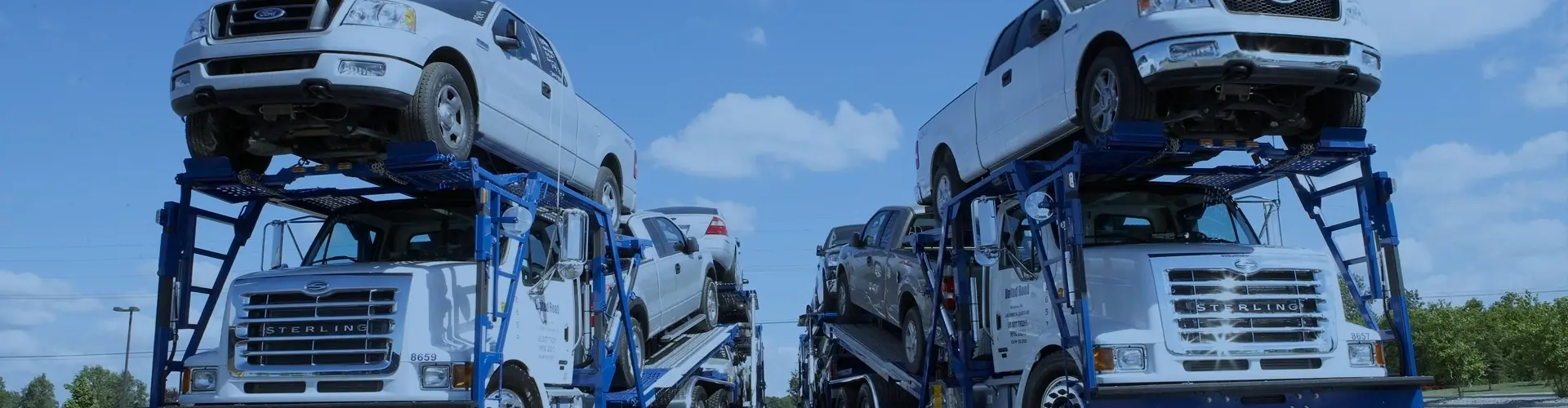
San Bernardino to San Jose Car Shipping Route
San Bernardino to San Jose covers approximately 390 miles. Carriers typically exit San Bernardino via I-10 west to I-15 north, or use I-215 north to connect with I-15 near Devore before continuing toward I-5. From I-5, the route runs through the Central Valley past Stockton and Tracy before cutting west on I-205 and I-580, then north on I-680 or I-101 into San Jose. The geography shifts from high desert to valley flatlands to coastal range foothills. Shipping rather than driving saves significant wear on your vehicle across a corridor that includes sustained grades and heavy commercial traffic. See why at https://california.auto-transport-shipping.com/articles/benefits-of-auto-transport-service-vs-driving-yourself.html
San Jose's demand drivers are specific and durable. The city is home to San Jose State University, which generates student relocations every August and January. Major employers including Cisco Systems, Adobe, and Western Digital pull corporate relocations consistently throughout the year. Nearby Mineta San Jose International Airport and the Port of Oakland influence freight patterns that carriers factor into their scheduling. Moffett Federal Airfield, located in adjacent Sunnyvale and historically tied to NASA Ames Research Center, draws government contractor relocations. Seasonally, Altamont Pass on I-580 can produce high-wind conditions affecting open-carrier scheduling in winter and spring. Before booking, review https://california.auto-transport-shipping.com/articles/auto-transport-mistakes-to-avoid.html to avoid common errors.
San Bernardino to San Jose Car Shipping Rates
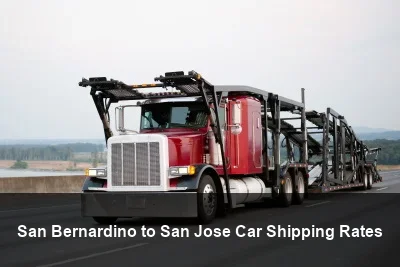
Rates on this corridor reflect a mid-distance tier — long enough that carriers price it seriously, short enough that load-board competition keeps costs from spiking the way longer hauls do. Summer demand from student moves and tech relocations can push rates up 10-15% between June and September. Fuel costs on I-5 through the Central Valley directly affect carrier pricing; see how at https://california.auto-transport-shipping.com/articles/how-gas-prices-impact-california-auto-transport-fees.html. Standard sedans typically run lower than trucks or SUVs due to carrier deck space constraints.
What affects the cost of San Bernardino to San Jose car shipping:
- Vehicle type and size — larger vehicles take more carrier space; aftermarket additions like lift kits, oversized mirrors, or roof accessories can add fees
- Open vs. enclosed transport — open is lower cost with stronger carrier availability; enclosed protects against weather, debris, and road conditions
- Standard vs. expedited pickup — expedited prioritizes your vehicle for the next available dispatch, typically at a $100–$300 premium
- Time of year — peak demand seasons drive rates higher; off-peak windows offer the most competitive pricing
- Fuel costs — diesel prices affect carrier rates; longer routes are more sensitive to fuel price swings
- Vehicle condition — non-running vehicles require special loading equipment and cost more to ship
| Vehicle Type | Open Car Shipping (Est.) | Enclosed Car Shipping (Est.) |
|---|---|---|
| Sedan | $350 – $500 | $700 – $950 |
| SUV / Crossover | $400 – $600 | $800 – $1,100 |
| Pickup Truck | $400 – $600 | $800 – $1,100 |
| Minivan | $400 – $600 | $800 – $1,100 |
| Luxury / Classic Car | $500 – $700 | $950 – $1,300 |
| Non-Running Vehicle | Add $100–200 | Add $100–200 |
* Estimated ranges based on recent San Bernardino to San Jose shipments. Actual rate depends on vehicle, locations, booking date, and current fuel costs. Use the form on this page to compare real quotes from licensed carriers.
Open or Enclosed: What This Route Actually Warrants
Open transport is the right call for the majority of vehicles on this route. I-5 through the Central Valley is flat, heavily traveled, and well-maintained — road debris risk is moderate but not exceptional. Altamont Pass on I-580 can kick up dust and wind, but that's a minor concern for standard vehicles. Enclosed shipping makes sense if you're moving a classic car, exotic, or low-clearance vehicle through this corridor, particularly in winter when road spray is heavier. For daily drivers and standard SUVs, open is sufficient and will save you meaningfully on the rate.
How Long Does San Bernardino to San Jose Car Shipping Take?
Standard transit on this route runs 2 to 4 days once a carrier is assigned. Driving time alone is roughly 6 to 7 hours, but carriers are running multi-vehicle loads with mandatory rest requirements and multi-stop routes. San Bernardino's position in the Inland Empire — a major logistics hub — means carrier assignment typically happens within 1 to 3 business days of booking. If your timeline is tight, expedited options can compress that window significantly. Details on expedited shipping are at https://california.auto-transport-shipping.com/articles/california-expedited-car-shipping-fast-cost.html
| Service Type | Typical Transit | Pickup Window | Best For |
|---|---|---|---|
| Open — Standard | 1–2 days | 1–3 business days | Best value; most common choice on this route |
| Open — Expedited | Same–1 day | Next day–1 business day | Firm arrival date; faster dispatch window |
| Enclosed — Standard | 2–3 days | 2–5 business days | Luxury, classic, or modified vehicles |
| Enclosed — Expedited | 1–2 days | 1–2 business days | High-value vehicles on a firm delivery deadline |
** High winds at Altamont Pass (elevation ~1,009 feet on I-580) can briefly delay open carriers in winter and spring. I-5 through the Tejon Pass area, while not on this primary route, can affect carriers repositioning from Southern California. Plan for the outer edge of the 4-day window during January through March.
San Bernardino to San Jose — Route & Logistics
Carriers access this route from San Bernardino using the I-10/I-215 interchange near Devore, connecting north to I-15 and then I-5 northbound through the Central Valley. I-5 carries the bulk of the route mileage to the I-205/I-580 junction near Tracy, then west through Livermore and Pleasanton before turning north on I-680 or I-101 into San Jose.
Key Corridor Waypoints
- San Bernardino, CA — Devore Interchange The I-10/I-215 interchange near Devore is the primary carrier staging and entry point leaving San Bernardino. Carriers loading in the Inland Empire consolidate here before heading north on I-15. The interchange handles heavy commercial volume and gives carriers flexibility to pick up additional loads from Colton, Rialto, or Highland before committing to the northbound run.
- Cajon Pass, CA — Elevation 4,190 ft Cajon Pass on I-15 is the first significant grade on the route, rising to 4,190 feet before descending into the Mojave high desert fringe. Open carriers note this grade for load balancing and brake checks. In winter, the pass occasionally sees snow or ice, which can slow multi-car haulers. Most carriers have run this segment enough times to time it outside peak congestion.
- Victorville, CA — I-15 Staging Victorville sits just north of Cajon Pass and is a common overnight or fuel stop for carriers working this corridor. Some carriers use Victorville as a secondary pickup point for High Desert customers, occasionally adding a stop here when load space permits. George Air Force Base's former footprint now operates as Southern California Logistics Airport, a carrier-familiar landmark in this area.
- Stockton, CA — I-5 / I-205 Junction At Stockton, carriers transition from the long Central Valley straightaway onto I-205 westbound toward Tracy. This junction is a decision point — carriers bound for multiple Bay Area destinations split here depending on their drop order. San Jose-bound loads typically continue west on I-205 and then pick up I-580 toward Livermore and Altamont Pass.
- Altamont Pass, CA — Elevation 1,009 ft Altamont Pass on I-580 is the final grade before dropping into the Tri-Valley and the Bay Area approach. Wind turbine farms mark this stretch, and the pass earns its reputation for gusting crosswinds that can affect open carriers hauling tall loads. Carriers experienced on this route typically check wind advisories before committing to passage during winter and spring storm windows.
- San Jose, CA — I-680 / US-101 Delivery Zone Carriers delivering in San Jose approach via I-680 south from Pleasanton or I-101 through Milpitas. Most residential deliveries work off surface streets once inside city limits. The North San Jose tech corridor near Cisco and Adobe campuses is carrier-accessible but has peak-hour congestion. Drivers delivering to downtown or SJSU typically schedule early morning drops to avoid midday traffic delays.
Pickup & Delivery Access
- Pickup Access in San Bernardino San Bernardino's grid is wide and accessible. Carriers can work most residential neighborhoods without issue. The I-10/I-215 corridor near Hospitality Lane and the Tri-City area provides easy on/off access for large rigs. Pickup near Highland Avenue or the Cal State San Bernardino campus is manageable. If your street has overhead utilities or tight turns, coordinate a nearby parking lot or commercial block for the carrier handoff.
- Delivery Access in San Jose San Jose delivery access varies by neighborhood. North San Jose, Blossom Hill, and Almaden Valley handle large carriers without issue. Downtown San Jose and areas near SJSU have narrower streets and meter-zone restrictions that limit where a multi-car hauler can stop. If you're in a dense zip code, identify a nearby parking structure or wide surface lot in advance so the carrier isn't circling. Willow Glen side streets may also require a meet-point arrangement.
- Nearby Pickup Locations Carriers picking up in San Bernardino regularly extend service to Colton, Rialto, and Highland. Call 1‑800‑590‑6492 to confirm door-to-door availability at your address.
Open vs. Enclosed Car Shipping: San Bernardino to San Jose
Both options use licensed, insured carriers and deliver door to door. For a full breakdown, read the pros and cons of open vs. enclosed car shipping.
Open Car Shipping
Most Popular- Lower cost — the practical choice for most vehicles
- More carriers available on this corridor
- Faster dispatch from booking to pickup
- Works well for sedans, SUVs, trucks, and minivans
- Vehicle rides on an open multi-car carrier
- Cargo insurance required on all licensed carriers
Estimated cost: $350 – $600
Enclosed Car Shipping
Premium Protection- Full protection from weather, debris, and road grime
- Best for luxury, exotic, and classic vehicles
- Recommended for low-clearance and custom-built cars
- Wheel-net or soft-tie systems prevent contact damage
- Higher cargo coverage — commonly $500,000 per load
- White-glove handling by experienced operators
Estimated cost: $700 – $1,100
Not sure which is right for your vehicle? Call 1-800-590-6492 and we'll point you in the right direction. Also worth reading: the top 10 questions to ask any car shipping company before you commit.
How to Prepare Your Car for Shipping to San Jose
A little prep before pickup protects you if there's ever a dispute about your vehicle's condition. This checklist is from our full guide on preparing your car for transport:
- Remove all personal belongings from the interior and trunk
- Leave only a quarter tank of fuel — enough to load and unload
- Take date-stamped photos of the full exterior and interior
- Remove or disable toll transponders (FasTrak, E-ZPass, etc.)
- Retract or remove roof racks, spoilers, antennas, and bike mounts
- Make sure the battery is charged and tires are properly inflated
- Tell the carrier about any existing leaks or mechanical issues
- Deactivate the car alarm before the carrier arrives
- Write down the mileage on the Bill of Lading at pickup
- Fold in side mirrors if the vehicle is wider than standard
Personal items: Most carriers won't cover belongings left in the car. Read the full rules on shipping personal items in your vehicle. Also review our Bill of Lading guide so you know exactly what to check at pickup and delivery.
When to Ship Your Car from San Bernardino to San Jose
This route doesn't have extreme seasonal swings, but summer demand from tech relocations and SJSU student moves pushes rates and lead times higher from June through early September. Winter is generally mild along this corridor, though Altamont Pass wind events and occasional Cajon Pass snow can add a day to transit. For a full look at winter shipping risks, see https://california.auto-transport-shipping.com/articles/auto-transport-challenges-during-the-winter.html. Booking 7 to 10 days ahead gives you the best rate window year-round.
Summer Student Moves (June–September)
SJSU's fall semester startup and the wave of tech company onboarding between June and August drive the highest booking volume on this corridor. Carriers fill fast during this window, and rates typically run 10 to 15 percent above off-peak. If you're a student or new hire relocating to San Jose, book at least 10 days ahead of your target pickup date to lock current pricing and avoid last-minute rate spikes.
Spring Corporate Relocation Season (March–May)
Silicon Valley's hiring cycles peak in Q1 and Q2, generating steady inbound vehicle shipments to San Jose from Southern California. This is a high carrier-availability period because loads balance well in both directions. Rates are moderate compared to summer. Altamont Pass wind advisories are most frequent in March and April, so build a one-day buffer into your delivery expectation if you're on a hard deadline.
Winter Shipping Considerations (December–February)
This route avoids the Sierra Nevada entirely, so true snow closures are rare. The primary winter risk is Cajon Pass, which occasionally sees ice and chain control requirements on I-15. Altamont Pass wind events can delay open carriers briefly. Rates are generally at their lowest from late November through January, making it the most cost-effective window for non-urgent shipments. Allow the full 4-day transit window during this period.
Fall Semester and Year-End Moves (October–November)
October and November see a secondary spike tied to SJSU's spring semester registration and year-end corporate transfers. This window is less intense than summer but more active than mid-winter. Carriers are plentiful, and lead times are reasonable at 2 to 4 days for assignment. If your company is relocating you before a January start date, booking in late October gets you ahead of the December holiday slowdown.
Tech Industry PCS and Relocation Cycles
Unlike military corridors with set PCS seasons, Silicon Valley relocations happen year-round tied to hiring cycles and quarterly onboarding. San Jose sees consistent inbound demand from engineers and technical staff moving from Southern California. This keeps carrier availability on this lane high even outside traditional peak windows. If you're on a company relocation package, confirm whether your employer covers enclosed or open transport before booking.
How to Choose a San Bernardino to San Jose Car Shipping Company
Getting multiple quotes is step one — knowing what to look for in those quotes matters just as much. Our guide on how to select a car shipping company covers the full process. Here are the six things that matter most:
FMCSA Registration
Every carrier or broker must hold a valid MC number. Verify any company at FMCSA SAFER before you book.
Proof of Insurance
Ask for a current certificate of insurance. Open carriers typically carry $100,000–$250,000 per load; enclosed commonly $500,000 or more. Learn what auto transport insurance covers.
All-In Pricing
Your quote should be a final number with no fees added after booking. Know the difference between brokers and carriers and confirm what the quote covers before you agree.
Bill of Lading
A complete Bill of Lading is filled out at pickup and delivery. Our Bill of Lading guide explains what to check. Never sign an incomplete one.
Real Reviews
Check Google and the BBB. Look at how they handled complaints and damage claims — that tells you more than a five-star average from happy customers.
Route Experience
A carrier who runs San Bernardino to San Jose regularly knows that Cajon Pass requires a brake check stop on the descent regardless of schedule, and that Victorville is the last reliable fuel point before committing to the I-5 Central Valley stretch. They know to check Altamont Pass wind advisories before pushing through to San Jose on delivery day, and that morning delivery windows in North San Jose avoid the midday tech campus shift traffic on Tasman Drive and Great America Parkway. They've learned that Hospitality Lane near the I-10/I-215 interchange in San Bernardino is the cleanest pickup staging area in the city, and that SJSU-area deliveries need a surface lot pre-arranged — the neighborhood streets won't accommodate a full multi-car hauler without a plan.
San Bernardino to San Jose Car Shipping — FAQ
How much does it cost to ship a car from San Bernardino to San Jose?
Rates on this 390-mile corridor typically range from $550 to $900 for a standard sedan on an open carrier, depending on the time of year and current fuel costs. SUVs and trucks run higher due to deck space requirements — expect $650 to $1,050. Enclosed transport adds a premium of roughly 40 to 60 percent over open rates. Summer months from June through August see the highest demand and pricing, driven by SJSU student moves and Silicon Valley corporate relocations. Booking 7 to 10 days ahead of your target date gives you the best access to competitive rates on this corridor. Use the quote form above for a current number.
How long does San Bernardino to San Jose car shipping take?
Once a carrier is assigned, transit on this route typically runs 2 to 4 days. The drive itself is 6 to 7 hours, but carriers are operating multi-vehicle loads with mandatory rest stops and multiple delivery points along the route. Carrier assignment from San Bernardino usually takes 1 to 3 business days after booking, given the Inland Empire's strong carrier network. Total door-to-door time from booking to delivery is commonly 3 to 6 days under normal conditions. If you need a faster turnaround, expedited shipping can compress both the assignment and transit window — see details at https://california.auto-transport-shipping.com/articles/california-expedited-car-shipping-fast-cost.html
Is my car insured during transport from San Bernardino to San Jose?
Yes. Every carrier operating legally on this route is required by federal law to carry cargo insurance. That coverage applies to your vehicle while it's loaded on the carrier's truck. However, there are important details to understand: carrier policies vary in their deductibles and exclusions, and your personal auto insurance may or may not extend to transport. Before your vehicle is loaded, the driver will complete a Bill of Lading documenting pre-existing condition. Review it carefully and note anything you disagree with before signing. For a full breakdown of how transport insurance works, see https://california.auto-transport-shipping.com/articles/understanding-auto-transport-insurance.html. If damage does occur, the process is explained at https://california.auto-transport-shipping.com/articles/how-to-file-a-claim-for-vehicle-damage-during-transport.html
Should I choose open or enclosed transport for this route?
For most vehicles making this trip, open transport is the appropriate and cost-effective choice. The I-5 Central Valley section is flat and well-maintained, and neither Cajon Pass nor Altamont Pass presents unusual hazard to a standard vehicle on an open deck. Enclosed transport is worth the premium if you're moving a classic car, a high-value exotic, or a vehicle with custom bodywork that you don't want exposed to road spray or wind-driven debris at Altamont. If you're unsure where your vehicle falls on that spectrum, the detailed comparison at https://california.auto-transport-shipping.com/articles/open-vs-enclosed-auto-transport-pros-and-cons.html will help you decide before you book.
Do I have to be present at pickup and delivery?
You don't have to be physically present, but someone with legal authority to release or accept the vehicle does. That can be a trusted contact — a family member, property manager, or employer representative — who can sign the Bill of Lading at each end. The Bill of Lading is the legally binding document that records your vehicle's condition at pickup and confirms its condition at delivery. It's your primary protection if a damage dispute arises. Whoever accepts the car in San Jose needs to inspect the vehicle thoroughly before signing. Details on what the Bill of Lading covers are at https://california.auto-transport-shipping.com/articles/california-auto-transport-bill-of-lading-information.html
Does the Altamont Pass cause delays for this route?
Altamont Pass on I-580 — sitting at roughly 1,009 feet between Livermore and the Tri-Valley — is the most likely weather-related delay point on this route. The pass is known for strong crosswinds, particularly from January through April. Open carriers hauling tall loads, including SUVs and trucks stacked on upper decks, may hold or slow through the pass during high-wind advisories. This rarely adds more than a half day to transit, but if you have a hard delivery deadline in San Jose, build a one-day buffer into your expectation window during winter and spring months.
Is this route affected by Cajon Pass weather in winter?
Cajon Pass on I-15, which carriers use leaving San Bernardino heading north, sits at approximately 4,190 feet elevation and does see periodic snow and ice events in winter — typically December through February. When chain control is required, open carriers slow considerably on the descent, and some carriers will stage in Victorville rather than risk the pass in marginal conditions. This is the most common weather-related delay on the San Bernardino end of this corridor. If you're shipping between December and February, allow for the full 4-day transit window rather than expecting the 2-day minimum.
Are there specific considerations for shipping a car to San Jose for a tech job relocation?
Silicon Valley corporate relocations are one of the primary demand drivers on this route, so carriers are well-acquainted with delivering to North San Jose zip codes near major tech campuses. If your employer is covering the shipment as part of a relocation package, confirm in advance whether they require open or enclosed transport documentation, and whether the receiving address is a corporate campus, apartment, or private residence. Campus deliveries in North San Jose near Cisco, Adobe, or the convention center area have access constraints during business hours. Scheduling an early morning delivery window and pre-identifying a staging lot near your destination address will prevent delays on the delivery end.
Ready to Ship Your Car from San Bernardino to San Jose?
One form gets you up to 10 free quotes from licensed, insured carriers. Compare costs and transit times and book the best deal for your schedule.