
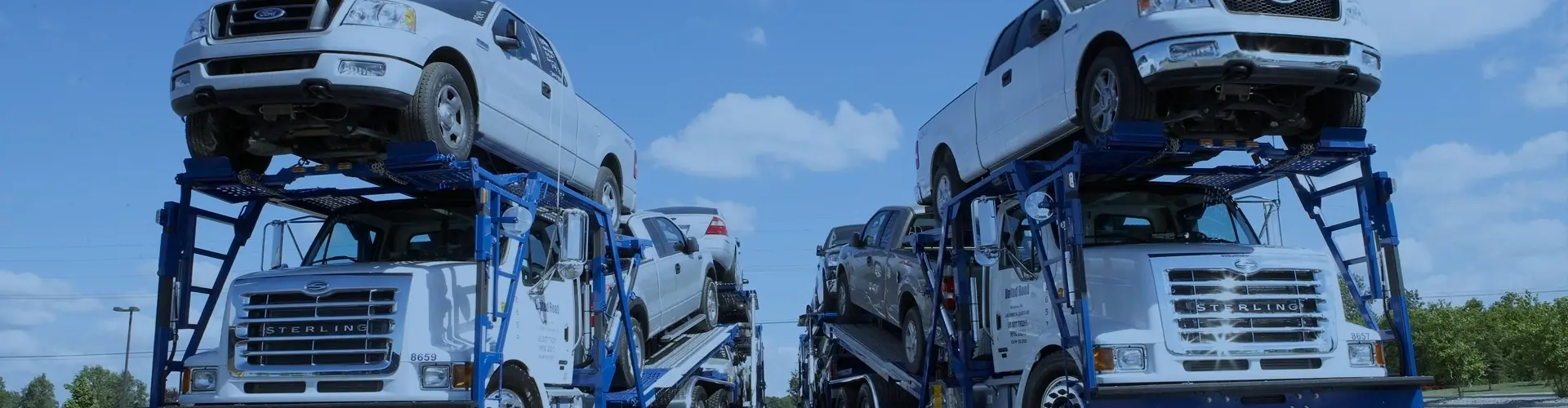
San Bernardino to Fresno Car Shipping Route
San Bernardino to Fresno covers approximately 225 miles through California's interior. Most carriers access this route via the I-10/I-215 interchange in the Inland Empire, heading north on I-215 through Colton and Rialto before connecting to SR-259 or transitioning onto the I-15 corridor toward the Valley. The primary northbound artery through this region feeds into Highway 99, the Central Valley's main spine, which carriers use to reach Fresno from the south. Elevation is manageable — you're not crossing mountain passes on this alignment — but the Tehachapi transition zone south of Bakersfield adds context. Shipping versus driving yourself on this route saves meaningful wear and mileage; see the full breakdown at https://california.auto-transport-shipping.com/articles/benefits-of-auto-transport-service-vs-driving-yourself.html
Fresno's demand drivers are specific and trackable. California State University Fresno (Fresno State) generates student and faculty vehicle moves each August and January. Valley Children's Hospital, Community Regional Medical Center, and Kaiser Permanente Fresno draw healthcare workers relocating from Southern California regularly. The agricultural sector — anchored by companies like Wonderful Company and Sun-Maid — moves equipment managers and administrative staff frequently. Militarily, the area is served by Fresno Air National Guard Base (144th Fighter Wing), which generates periodic PCS-related vehicle shipments. Summer heat in the Central Valley can push enclosed transport demand upward for luxury and classic vehicles. Before booking, review common mistakes at https://california.auto-transport-shipping.com/articles/auto-transport-mistakes-to-avoid.html
San Bernardino to Fresno Car Shipping Rates
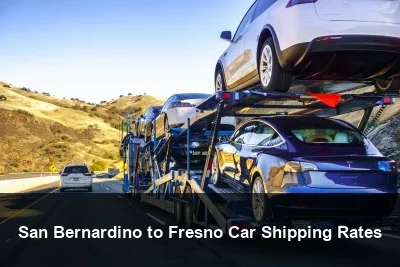
Rates on the San Bernardino to Fresno corridor reflect a mid-range distance tier — long enough to attract experienced carriers, short enough that pricing stays below major long-haul benchmarks. Typical open transport falls between $350 and $600 depending on season, vehicle size, and current diesel costs. Summer demand from Fresno State's enrollment cycle and agricultural sector relocations can tighten availability and push prices up. Fuel cost fluctuations on Highway 99 directly affect carrier quotes — understand that dynamic at https://california.auto-transport-shipping.com/articles/how-gas-prices-impact-california-auto-transport-fees.html
What affects the cost of San Bernardino to Fresno car shipping:
- Vehicle type and size — larger vehicles take more carrier space; aftermarket additions like lift kits, oversized mirrors, or roof accessories can add fees
- Open vs. enclosed transport — open is lower cost with stronger carrier availability; enclosed protects against weather, debris, and road conditions
- Standard vs. expedited pickup — expedited prioritizes your vehicle for the next available dispatch, typically at a $100–$300 premium
- Time of year — peak demand seasons drive rates higher; off-peak windows offer the most competitive pricing
- Fuel costs — diesel prices affect carrier rates; longer routes are more sensitive to fuel price swings
- Vehicle condition — non-running vehicles require special loading equipment and cost more to ship
| Vehicle Type | Open Car Shipping (Est.) | Enclosed Car Shipping (Est.) |
|---|---|---|
| Sedan | $350 – $500 | $700 – $950 |
| SUV / Crossover | $400 – $600 | $800 – $1,100 |
| Pickup Truck | $400 – $600 | $800 – $1,100 |
| Minivan | $400 – $600 | $800 – $1,100 |
| Luxury / Classic Car | $500 – $700 | $950 – $1,300 |
| Non-Running Vehicle | Add $100–200 | Add $100–200 |
* Estimated ranges based on recent San Bernardino to Fresno shipments. Actual rate depends on vehicle, locations, booking date, and current fuel costs. Use the form on this page to compare real quotes from licensed carriers.
Open vs. Enclosed: What Makes Sense on This Corridor
Open transport is the right call for the majority of vehicles moving San Bernardino to Fresno. The route doesn't cross high-elevation snowpack zones, and Highway 99 through the Central Valley is a well-maintained commercial corridor. Enclosed transport becomes worth the 40–60% price premium if you're moving a classic car, a luxury vehicle over $70,000, or a vehicle with existing cosmetic work you're protecting. Central Valley summer temperatures can exceed 105°F, which matters if your vehicle has a delicate finish or custom paint — in those cases, enclosed is reasonable.
How Long Does San Bernardino to Fresno Car Shipping Take?
Most San Bernardino to Fresno shipments complete in one to three business days once a carrier is assigned. The driving distance is roughly 225 miles, which a carrier can cover in under four hours of road time. San Bernardino's position in the Inland Empire — a major carrier staging hub — means assignment typically happens within 24 to 48 hours of booking for open transport. Fresno's central Valley location keeps it on active carrier loops. If your timeline is fixed, expedited scheduling is available — see options at https://california.auto-transport-shipping.com/articles/california-expedited-car-shipping-fast-cost.html
| Service Type | Typical Transit | Pickup Window | Best For |
|---|---|---|---|
| Open — Standard | 1–2 days | 1–3 business days | Best value; most common choice on this route |
| Open — Expedited | Same–1 day | Next day–1 business day | Firm arrival date; faster dispatch window |
| Enclosed — Standard | 2–3 days | 2–5 business days | Luxury, classic, or modified vehicles |
| Enclosed — Expedited | 1–2 days | 1–2 business days | High-value vehicles on a firm delivery deadline |
** Dense Inland Empire traffic near the I-10/I-215 interchange, particularly on weekday afternoons, can delay carrier pickup by several hours. Central Valley fog — tule fog specifically — runs from late November through February and occasionally forces carriers to hold position near Bakersfield or Tulare overnight, adding a day to delivery.
San Bernardino to Fresno — Route & Logistics
Carriers depart San Bernardino via I-215 northbound, transitioning through the Inland Empire grid before connecting south of the Tehachapi range. The primary delivery route runs north on Highway 99 through Bakersfield and into Fresno. Total carrier driving time is under four hours. The I-10/I-215 interchange provides strong eastbound and northbound access for carrier pickup.
Key Corridor Waypoints
- San Bernardino, CA (Origin) Carriers stage in or near the I-10/I-215 interchange zone. Colton and Rialto are common pickup staging areas given wide commercial streets and easy re-entry onto I-215 northbound. The Inland Empire's carrier density means vehicles here are typically picked up faster than in more remote origin cities.
- Cajon Pass / I-15 Junction, CA Carriers heading north from San Bernardino may briefly engage the I-15/SR-138 junction zone near the base of Cajon Pass. Elevation here reaches approximately 4,260 feet. This is a known wind and crosswind zone for high-profile transport rigs — some carriers adjust speed and scheduling through this segment in winter months.
- Bakersfield, CA Bakersfield is the primary midpoint staging city. Carriers running a full load may adjust here, dropping or picking up vehicles for the southern San Joaquin Valley. Highway 99 northbound from Bakersfield is the direct line to Fresno. Distance from San Bernardino to Bakersfield is approximately 130 miles.
- Tulare / Visalia Junction, CA The Tulare-Visalia zone along Highway 99 is a common carrier checkpoint for Central Valley loops. Some multi-stop carriers delivering to Visalia, Tulare, or Hanford will sequence Fresno last. If your carrier is running a Valley loop, this junction is where your delivery window gets determined relative to prior stops.
- Fresno, CA (Destination) Fresno delivery typically targets accessible commercial or residential areas near Highway 99 or SR-41. The downtown core has narrower streets that can limit large carrier access — Tower District and older residential blocks near Fresno State may require a staging point at a nearby lot or wide intersection for final handoff.
Pickup & Delivery Access
- Pickup Access in San Bernardino San Bernardino's Inland Empire grid gives carriers excellent access. The I-10/I-215 interchange area, commercial zones along Hospitality Lane, and wide arterials in Colton and Rialto are the most carrier-friendly pickup points. If your address is in a hillside neighborhood in Highland, plan to meet your carrier at a lower-elevation staging point with street clearance for a multi-car hauler.
- Delivery Access in Fresno Fresno's newer residential developments near Clovis and along Shaw Avenue handle large carriers easily. Older neighborhoods near Fresno State's campus or the Tower District have narrower streets — coordinate with your carrier in advance. Industrial and commercial zones near Highway 99 are reliable staging options if direct residential delivery isn't feasible. Confirm delivery window the day before.
- Nearby Pickup Locations Carriers picking up in San Bernardino regularly extend service to Colton, Rialto, and Highland. Call 1‑800‑590‑6492 to confirm door-to-door availability at your address.
Open vs. Enclosed Car Shipping: San Bernardino to Fresno
Both options use licensed, insured carriers and deliver door to door. For a full breakdown, read the pros and cons of open vs. enclosed car shipping.
Open Car Shipping
Most Popular- Lower cost — the practical choice for most vehicles
- More carriers available on this corridor
- Faster dispatch from booking to pickup
- Works well for sedans, SUVs, trucks, and minivans
- Vehicle rides on an open multi-car carrier
- Cargo insurance required on all licensed carriers
Estimated cost: $350 – $600
Enclosed Car Shipping
Premium Protection- Full protection from weather, debris, and road grime
- Best for luxury, exotic, and classic vehicles
- Recommended for low-clearance and custom-built cars
- Wheel-net or soft-tie systems prevent contact damage
- Higher cargo coverage — commonly $500,000 per load
- White-glove handling by experienced operators
Estimated cost: $700 – $1,100
Not sure which is right for your vehicle? Call 1-800-590-6492 and we'll point you in the right direction. Also worth reading: the top 10 questions to ask any car shipping company before you commit.
How to Prepare Your Car for Shipping to Fresno
A little prep before pickup protects you if there's ever a dispute about your vehicle's condition. This checklist is from our full guide on preparing your car for transport:
- Remove all personal belongings from the interior and trunk
- Leave only a quarter tank of fuel — enough to load and unload
- Take date-stamped photos of the full exterior and interior
- Remove or disable toll transponders (FasTrak, E-ZPass, etc.)
- Retract or remove roof racks, spoilers, antennas, and bike mounts
- Make sure the battery is charged and tires are properly inflated
- Tell the carrier about any existing leaks or mechanical issues
- Deactivate the car alarm before the carrier arrives
- Write down the mileage on the Bill of Lading at pickup
- Fold in side mirrors if the vehicle is wider than standard
Personal items: Most carriers won't cover belongings left in the car. Read the full rules on shipping personal items in your vehicle. Also review our Bill of Lading guide so you know exactly what to check at pickup and delivery.
When to Ship Your Car from San Bernardino to Fresno
This corridor follows predictable seasonal patterns tied to Fresno State's academic calendar, Central Valley agricultural hiring cycles, and snowbird movement. Summer is the highest-demand window — both for student moves and because northbound capacity tightens as carriers prioritize longer, more profitable hauls. Tule fog in winter is the primary logistics risk on this route. For winter-specific transport considerations, see https://california.auto-transport-shipping.com/articles/auto-transport-challenges-during-the-winter.html
Fresno State Move-In Season (July–August)
CSU Fresno's fall semester drives a concentrated spike in northbound vehicle demand from Southern California during late July and August. Carriers fill quickly during this window, and rates reflect the tighter availability. If you're shipping for a student move, book at least two weeks in advance. Lead times that are two to three days in other months can stretch to five or more if you wait until peak week.
Summer Heat Window (June–September)
Central Valley temperatures routinely exceed 105°F from June through September. For most standard vehicles on open transport, this isn't a concern. For vehicles with custom paint, vinyl wraps, or sensitive interiors, enclosed transport is worth considering during this period. Carrier availability is generally strong in summer, but book early — this is the corridor's highest-demand season overall.
Tule Fog Season (November–February)
Tule fog is the most significant weather variable on this route. Dense ground fog along Highway 99 between Bakersfield and Fresno can reduce visibility to near zero and force carriers to hold position, sometimes overnight. If you're shipping November through February, build an extra day or two into your expected delivery window. This is a normal, manageable delay — not a service failure.
Spring Agricultural Sector (March–May)
Spring brings a moderate uptick in vehicle movement tied to agricultural management and seasonal hiring in the Central Valley. Fresno-area employers like Wonderful Company and large farm operations bring managers and supervisors in from other California metros. Carrier supply is generally balanced during this period, and rates are typically at or near annual lows. Good window if you have schedule flexibility.
Military PCS Cycles (May–August)
Fresno Air National Guard Base (144th Fighter Wing) generates PCS-related vehicle shipments, particularly during the May through August military transition cycle. If you're shipping a vehicle on military orders, confirm whether your orders qualify for reimbursement before booking civilian transport. PCS volume on this corridor is moderate but consistent — it contributes to summer demand tightening alongside the student move season.
Fall Transition (September–October)
September and October represent a brief demand lull after summer peaks. Weather is cooperative — fog season hasn't started and temperatures begin moderating. This is one of the better windows for reliable, on-schedule transport at stable pricing. Carrier coverage remains strong as operators continue running the Central Valley loop before winter route adjustments take effect.
How to Choose a San Bernardino to Fresno Car Shipping Company
Getting multiple quotes is step one — knowing what to look for in those quotes matters just as much. Our guide on how to select a car shipping company covers the full process. Here are the six things that matter most:
FMCSA Registration
Every carrier or broker must hold a valid MC number. Verify any company at FMCSA SAFER before you book.
Proof of Insurance
Ask for a current certificate of insurance. Open carriers typically carry $100,000–$250,000 per load; enclosed commonly $500,000 or more. Learn what auto transport insurance covers.
All-In Pricing
Your quote should be a final number with no fees added after booking. Know the difference between brokers and carriers and confirm what the quote covers before you agree.
Bill of Lading
A complete Bill of Lading is filled out at pickup and delivery. Our Bill of Lading guide explains what to check. Never sign an incomplete one.
Real Reviews
Check Google and the BBB. Look at how they handled complaints and damage claims — that tells you more than a five-star average from happy customers.
Route Experience
A carrier who regularly runs the San Bernardino to Fresno corridor knows that tule fog on Highway 99 near Selma and Tulare can shut down operations for hours with no warning between December and February — and they account for that in their scheduling rather than promising unrealistic delivery windows. They know the I-10/I-215 interchange in the Inland Empire backs up hard on weekday afternoons and plan pickup timing accordingly. They know that Fresno's Tower District and the blocks immediately around CSU Fresno require a staging lot, not a direct doorstep delivery. Experienced carriers on this loop also know that Bakersfield is a reliable overnight hold point if a split delivery schedule requires it, and they have contacts there. That institutional knowledge — not just GPS routing — is what separates a smooth delivery from a frustrating one on this specific run.
San Bernardino to Fresno Car Shipping — FAQ
How much does it cost to ship a car from San Bernardino to Fresno?
Open transport on this corridor typically runs between $350 and $600 for a standard sedan or SUV. Enclosed transport adds 40–60% to that baseline. Several variables move the price: vehicle size (a pickup truck or large SUV costs more than a compact), current diesel prices, and seasonal demand. Summer — particularly late July and August when Fresno State students are moving — tightens carrier availability and pushes rates toward the higher end of the range. Booking two or more weeks out gives you access to better pricing and more carrier options than last-minute requests.
How long does San Bernardino to Fresno car shipping take?
Total transit time from booking to delivery is typically two to four business days. The actual driving time for the 225-mile route is under four hours for a carrier, so once your vehicle is loaded, delivery is fast. Most of the timeline is in carrier assignment — one to two business days for open transport under normal conditions. Tule fog between November and February is the main variable that can extend delivery by a day. If you're on a strict deadline, expedited scheduling can compress the assignment window significantly. See options at https://california.auto-transport-shipping.com/articles/california-expedited-car-shipping-fast-cost.html
Is my car insured during transport from San Bernardino to Fresno?
Yes. Every licensed carrier operating in California is required to carry cargo insurance that covers your vehicle while it's on the transport truck. Coverage amounts vary by carrier — federal minimums apply, but many carriers carry higher limits. Before your vehicle is loaded, a bill of lading is completed documenting its condition. If damage occurs during transit, that document is your baseline for filing a claim. Review what that coverage actually means for you at https://california.auto-transport-shipping.com/articles/understanding-auto-transport-insurance.html and understand the claims process before you need it at https://california.auto-transport-shipping.com/articles/how-to-file-a-claim-for-vehicle-damage-during-transport.html
Should I choose open or enclosed transport for this route?
Open transport is appropriate for the large majority of vehicles on this corridor. The San Bernardino to Fresno route doesn't cross high mountain passes with snow accumulation, and Highway 99 through the Central Valley is a standard commercial artery. Enclosed makes sense if you're moving a vehicle valued over $70,000, a classic or collector car, or a vehicle with a custom finish you're protecting from road debris and summer heat exposure. Central Valley temperatures exceeding 105°F in summer are a legitimate reason to consider enclosed for sensitive vehicles. Full comparison of both options: https://california.auto-transport-shipping.com/articles/open-vs-enclosed-auto-transport-pros-and-cons.html
Do I have to be present at pickup in San Bernardino and delivery in Fresno?
You or a designated representative needs to be present at both pickup and delivery. At pickup, someone must sign the bill of lading after inspecting the vehicle with the carrier and confirming its pre-transport condition is accurately documented. At delivery, the same process happens — you inspect the vehicle and sign off that it arrived as documented. If you can't be there personally, you can authorize someone else to act on your behalf. Understand what the bill of lading covers and why it matters at https://california.auto-transport-shipping.com/articles/california-auto-transport-bill-of-lading-information.html
How does tule fog affect my shipment in winter months?
Tule fog is the most significant weather variable on this specific corridor. It forms along Highway 99 in the San Joaquin Valley — typically between Bakersfield and Fresno — from late November through February. Visibility can drop to near zero for hours, and carriers are not permitted to drive in unsafe conditions. If your shipment is scheduled during this period, build an extra one to two days into your expected delivery window. This is a standard seasonal reality for this route, not a service problem. Booking with a carrier familiar with this corridor means they'll account for it rather than overpromise on timing.
I'm shipping a vehicle for a Fresno State student — when should I book?
CSU Fresno's fall semester creates a concentrated demand spike for northbound transport from Southern California in late July and August. Carrier capacity tightens during this window because student moves from the LA Basin, Inland Empire, and San Diego area all compete for the same slots. Book at least two weeks before your target pickup date — ideally three weeks if you're moving during peak move-in week. January enrollment adds a smaller secondary spike. Booking early doesn't lock you into a rigid schedule; it secures your position in carrier availability before the queue fills.
Are there any considerations for military PCS shipments on this route?
Fresno Air National Guard Base (144th Fighter Wing) generates PCS-related vehicle moves, particularly between May and August. If you're shipping a vehicle on military orders, confirm whether your orders qualify for government transportation entitlements before booking civilian auto transport — you may be eligible for partial or full reimbursement depending on your orders and branch policy. If civilian transport is the right option for your situation, the process is the same as any other shipment on this corridor. Carriers familiar with the Fresno area are accustomed to base-adjacent deliveries and can coordinate accordingly.
Ready to Ship Your Car from San Bernardino to Fresno?
One form gets you up to 10 free quotes from licensed, insured carriers. Compare costs and transit times and book the best deal for your schedule.