
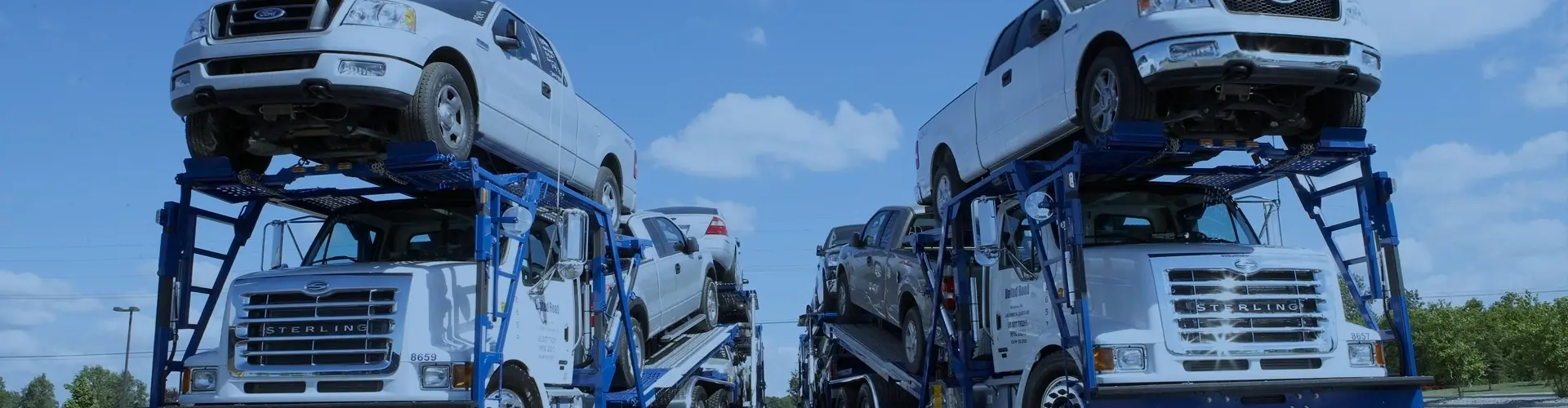
Lancaster to Washington DC Car Shipping Route
Lancaster to Washington DC covers approximately 2,672 miles. Carriers typically access the route via SR-14 south out of the Antelope Valley, connecting to I-5 or the I-210 interchange near Sylmar, then picking up I-40 east through the Mojave or I-10 east through the Inland Empire depending on load weight, height restrictions, and weather conditions. From there it's a long diagonal run through New Mexico, Texas, Oklahoma, Missouri, and into the mid-Atlantic via I-70 or I-81. Driving this yourself would take five to six days of hard travel and put roughly 2,700 miles on your odometer. Learn why shipping is the smarter financial move at https://california.auto-transport-shipping.com/articles/benefits-of-auto-transport-service-vs-driving-yourself.html
Washington DC demand is driven by a dense concentration of federal agencies, military installations, and universities that create continuous relocation activity. Joint Base Andrews in Prince George's County, Joint Base Myer-Henderson Hall adjacent to Arlington Cemetery, and Fort Belvoir in Fairfax County all generate PCS orders throughout the year. Georgetown University, George Washington University, American University, and Howard University drive student shipments in August and May. On the origin side, Edwards Air Force Base in the Mojave — roughly 25 miles northeast of Lancaster — is a significant source of military PCS moves on this corridor. Winter weather in the Appalachian stretch and the I-70 Kansas-Missouri corridor can introduce delays from November through March. Before you book, review https://california.auto-transport-shipping.com/articles/auto-transport-mistakes-to-avoid.html to make sure your paperwork and prep are correct.
Lancaster to Washington DC Car Shipping Rates
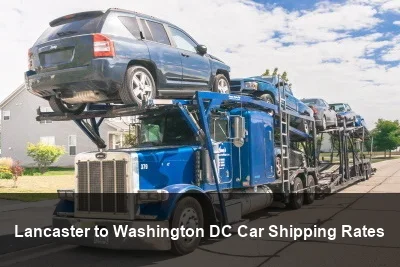
At 2,672 miles, this route falls firmly in the long-haul tier where base rates reflect fuel burn across four major climate zones. Gas price fluctuations hit this corridor harder than shorter runs — every cent per gallon matters over a multi-day cross-country haul. You can see exactly how fuel costs factor into your quote at https://california.auto-transport-shipping.com/articles/how-gas-prices-impact-california-auto-transport-fees.html. Summer demand spikes when government and military relocations peak, and winter weather premiums apply if your shipment crosses the Appalachians or the I-70 corridor in Kansas and Missouri between November and March.
What affects the cost of Lancaster to Washington DC car shipping:
- Vehicle type and size — larger vehicles take more carrier space; aftermarket additions like lift kits, oversized mirrors, or roof accessories can add fees
- Open vs. enclosed transport — open is lower cost with stronger carrier availability; enclosed protects against weather, debris, and road conditions
- Standard vs. expedited pickup — expedited prioritizes your vehicle for the next available dispatch, typically at a $100–$300 premium
- Time of year — peak demand seasons drive rates higher; off-peak windows offer the most competitive pricing
- Fuel costs — diesel prices affect carrier rates; longer routes are more sensitive to fuel price swings
- Vehicle condition — non-running vehicles require special loading equipment and cost more to ship
| Vehicle Type | Open Car Shipping (Est.) | Enclosed Car Shipping (Est.) |
|---|---|---|
| Sedan | $1,100 – $1,600 | $1,900 – $2,700 |
| SUV / Crossover | $1,300 – $1,900 | $2,200 – $3,100 |
| Pickup Truck | $1,300 – $1,950 | $2,200 – $3,150 |
| Minivan | $1,300 – $1,900 | $2,200 – $3,100 |
| Luxury / Classic Car | $1,550 – $2,200 | $2,600 – $3,600 |
| Non-Running Vehicle | Add $200–400 | Add $200–400 |
* Estimated ranges based on recent Lancaster to Washington DC shipments. Actual rate depends on vehicle, locations, booking date, and current fuel costs. Use the form on this page to compare real quotes from licensed carriers.
Open vs. Enclosed on the Lancaster to Washington DC Run
Open transport covers the vast majority of vehicles shipped on this corridor without issue. The Mojave segment is dusty but not damaging, and carriers running this lane are experienced with desert conditions. Enclosed shipping makes sense if you're moving a classic car, a high-value exotic, or a vehicle with a fresh paint job you want protected from road debris on the I-40 and I-70 stretches. Budget roughly 40 to 60 percent more for enclosed. For a daily driver, SUV, or standard sedan, open is the practical and cost-effective choice on this route.
How Long Does Lancaster to Washington DC Car Shipping Take?
Standard transit on the Lancaster to Washington DC corridor runs 7 to 10 days from the time a carrier picks up your vehicle. Carrier frequency from Lancaster is solid because Edwards AFB and the broader Antelope Valley generate consistent outbound volume. The 2,672-mile driving distance requires multiple driver legs and mandatory rest stops, which accounts for most of that window. If your move timeline is tight, expedited options can compress pickup to 24 to 48 hours — see https://california.auto-transport-shipping.com/articles/california-expedited-car-shipping-fast-cost.html for what that costs and what to realistically expect.
| Service Type | Typical Transit | Pickup Window | Best For |
|---|---|---|---|
| Open — Standard | 7–10 days | 2–5 business days | Best value; most common choice on this route |
| Open — Expedited | 5–7 days | 1–2 business days | Firm arrival date; faster dispatch window |
| Enclosed — Standard | 7–10 days | 4–8 business days | Luxury, classic, or modified vehicles |
| Enclosed — Expedited | 5–7 days | 2–4 business days | High-value vehicles on a firm delivery deadline |
** Winter weather between November and March can add two to three days to this route. The I-40 corridor through New Mexico and the Texas panhandle sees ice storms, and the I-70 crossing through Missouri and into the mid-Atlantic can encounter snowfall. Carriers will hold rather than run unsafe road conditions.
Lancaster to Washington DC — Route & Logistics
Carriers leave Lancaster via SR-14 south to the I-5 or SR-138 east toward Palmdale before connecting to the I-15 corridor. From the LA basin they pick up I-10 or I-40 east, tracking through Arizona, New Mexico, and Texas before heading northeast through Oklahoma and Missouri on I-44 and I-70, arriving in the DC metro via I-270 or I-66.
Key Corridor Waypoints
- Palmdale, CA The first staging reference point east of Lancaster on SR-138, Palmdale sits at about 2,657 feet and shares the Antelope Valley carrier pool. Carriers working this corridor sometimes consolidate loads here before dropping south to the I-15 interchange. Aerospace employers including Northrop Grumman's Plant 42 contribute to consistent outbound volume from this node.
- Barstow, CA At roughly 2,175 feet where I-15 and I-40 split, Barstow is the key decision point for cross-country carriers. Most long-haul trucks heading to the mid-Atlantic take I-40 east here through the Mojave rather than the I-15 Nevada route. Fuel stops, weight station checks, and a brief rest window typically occur in this corridor before the Arizona desert segment.
- Albuquerque, NM At 5,312 feet elevation, Albuquerque on I-40 is the first major overnight rest point on this corridor. The high desert crossing from Barstow to Albuquerque runs about 580 miles. Temperatures swing dramatically here in winter, and carriers watch for ice on the Tijeras Canyon approach into the city. Fuel, driver rest, and load inspection typically happen in the metro area.
- Oklahoma City, OK Where I-40 feeds into I-44 northeast, Oklahoma City marks the transition from the southern plains to the mid-continent corridor. Carriers often pick up additional loads or swap legs here. Severe weather — tornado watches and spring ice storms — can create holding patterns in this segment between March and May, so build buffer into your timeline if shipping then.
- St. Louis, MO The I-70 junction at St. Louis is the main funnel point for traffic heading to the mid-Atlantic. Carriers tracking from I-44 merge onto I-70 east here, joining heavy freight traffic toward Indianapolis or cutting straight east toward Columbus and beyond. Bridge traffic and urban congestion at the I-270 interchange can add two to three hours in peak weekday windows.
- Hagerstown, MD Where I-70 and I-81 intersect, Hagerstown sits about 65 miles northwest of Washington DC and acts as the final staging and dispatch point before urban delivery. Many carriers confirm delivery windows here, check DC permit requirements, and assess whether to run the I-270 south approach or come in via I-66 through Virginia depending on their delivery address in the metro.
Pickup & Delivery Access
- Pickup Access in Lancaster Lancaster's street grid is carrier-friendly. Wide residential streets and large commercial lots throughout the city mean standard 75-foot transport rigs can access most addresses without staging. The SR-14 corridor along Avenue I and the Lancaster Boulevard areas see regular carrier traffic. If your street has tight turns or overhead obstructions, a nearby shopping center or the Fox Field Industrial area works as a clean meet point.
- Delivery Access in Washington DC Washington DC proper requires care. Many residential neighborhoods in Capitol Hill, Georgetown, and Northwest DC have narrow streets that prevent a full carrier rig from completing a turnaround. Carriers typically stage in suburban lots in Hyattsville, MD, Tysons, VA, or Alexandria, VA, then use a smaller vehicle or request you meet at an accessible lot. Confirm your exact delivery zip code when booking so the carrier can plan the final mile.
- Nearby Pickup Locations Carriers picking up in Lancaster regularly extend service to Palmdale, Quartz Hill, and Rosamond. Call 1‑800‑590‑6492 to confirm door-to-door availability at your address.
Open vs. Enclosed Car Shipping: Lancaster to Washington DC
Both options use licensed, insured carriers and deliver door to door. For a full breakdown, read the pros and cons of open vs. enclosed car shipping.
Open Car Shipping
Most Popular- Lower cost — the practical choice for most vehicles
- More carriers available on this corridor
- Faster dispatch from booking to pickup
- Works well for sedans, SUVs, trucks, and minivans
- Vehicle rides on an open multi-car carrier
- Cargo insurance required on all licensed carriers
Estimated cost: $1,100 – $1,950
Enclosed Car Shipping
Premium Protection- Full protection from weather, debris, and road grime
- Best for luxury, exotic, and classic vehicles
- Recommended for low-clearance and custom-built cars
- Wheel-net or soft-tie systems prevent contact damage
- Higher cargo coverage — commonly $500,000 per load
- White-glove handling by experienced operators
Estimated cost: $1,900 – $3,150
Not sure which is right for your vehicle? Call 1-800-590-6492 and we'll point you in the right direction. Also worth reading: the top 10 questions to ask any car shipping company before you commit.
How to Prepare Your Car for Shipping to Washington DC
A little prep before pickup protects you if there's ever a dispute about your vehicle's condition. This checklist is from our full guide on preparing your car for transport:
- Remove all personal belongings from the interior and trunk
- Leave only a quarter tank of fuel — enough to load and unload
- Take date-stamped photos of the full exterior and interior
- Remove or disable toll transponders (FasTrak, E-ZPass, etc.)
- Retract or remove roof racks, spoilers, antennas, and bike mounts
- Make sure the battery is charged and tires are properly inflated
- Tell the carrier about any existing leaks or mechanical issues
- Deactivate the car alarm before the carrier arrives
- Write down the mileage on the Bill of Lading at pickup
- Fold in side mirrors if the vehicle is wider than standard
Personal items: Most carriers won't cover belongings left in the car. Read the full rules on shipping personal items in your vehicle. Also review our Bill of Lading guide so you know exactly what to check at pickup and delivery.
When to Ship Your Car from Lancaster to Washington DC
This route has two clear demand peaks and one significant weather risk window. Federal government and military relocation activity drives strong volume in June through August, pushing both prices and carrier lead times up. January sees another bump when new congressional and agency staff arrive in DC. Winter weather on the I-40 and I-70 segments from November through March is the primary transit risk on this corridor. See https://california.auto-transport-shipping.com/articles/auto-transport-challenges-during-the-winter.html for how winter conditions affect scheduling and rates.
Summer Peak (June–August)
Federal agency transfers, military PCS orders from Edwards AFB, and university moves to DC all converge in this window. Carrier demand on the California-to-mid-Atlantic corridor spikes, and rates typically run 10 to 18 percent above the annual baseline. Book three to four weeks ahead if you're moving between June 1 and August 31. Last-minute bookings in peak summer carry a real premium and longer pickup wait times.
Winter Transit Risk (November–March)
I-40 through the Texas panhandle and New Mexico and I-70 through Missouri both see snow and ice events in this window. Carriers hold loads rather than run in unsafe conditions, which can add two to four days to transit. Winter rates may include a weather surcharge. If your delivery deadline is firm, build extra days into your schedule and consider expedited booking options to secure a committed carrier.
Back-to-School (Late July–Late August)
Georgetown, George Washington, American, and Howard University all draw students who ship vehicles from California. Late July through late August is the single busiest student shipping window to DC. Coordinate your pickup date carefully — carriers running this lane during those six weeks are often fully loaded. Booking two to three weeks out gives you realistic pickup window options without paying a premium for urgency.
Spring Move Season (March–May)
Weather risk on I-40 and I-70 decreases by mid-March, and federal hiring cycles bring a moderate volume increase. Rates are typically below summer peak but above the January low. Spring is a practical shipping window — carrier availability is better than summer, weather is more predictable than winter, and pricing is near the annual midpoint. Booking one to two weeks ahead is usually sufficient.
Military PCS Season (May–July)
Edwards Air Force Base, roughly 25 miles northeast of Lancaster, generates PCS orders concentrated in the May through July window as the military fiscal and assignment cycle closes. Carriers who regularly run the Lancaster corridor know to price this volume in. If you're shipping on PCS orders, confirm your GTC or PPM authorization paperwork before booking — it affects how you document the shipment and what reimbursement records you'll need.
How to Choose a Lancaster to Washington DC Car Shipping Company
Getting multiple quotes is step one — knowing what to look for in those quotes matters just as much. Our guide on how to select a car shipping company covers the full process. Here are the six things that matter most:
FMCSA Registration
Every carrier or broker must hold a valid MC number. Verify any company at FMCSA SAFER before you book.
Proof of Insurance
Ask for a current certificate of insurance. Open carriers typically carry $100,000–$250,000 per load; enclosed commonly $500,000 or more. Learn what auto transport insurance covers.
All-In Pricing
Your quote should be a final number with no fees added after booking. Know the difference between brokers and carriers and confirm what the quote covers before you agree.
Bill of Lading
A complete Bill of Lading is filled out at pickup and delivery. Our Bill of Lading guide explains what to check. Never sign an incomplete one.
Real Reviews
Check Google and the BBB. Look at how they handled complaints and damage claims — that tells you more than a five-star average from happy customers.
Route Experience
A carrier who runs the Lancaster-to-DC corridor regularly knows a few things that matter. First, SR-14 south through the Newhall Pass can back up badly during LA morning rush, and experienced drivers stage in Palmdale or leave Lancaster before 5 a.m. to clear the pass before the I-5 merge gets congested. Second, the I-40 stretch through Winslow and Gallup sees wind advisories that aren't always reflected in generic weather apps — drivers running this lane watch NMDOT conditions daily in winter. Third, DC delivery requires knowing which zip codes allow full-rig access and which need a shuttle; a carrier who's never run this pair will figure that out at your expense. The I-270 and I-66 approach corridors into the metro run differently on weekdays versus weekends, and experienced carriers time their final approach accordingly.
Lancaster to Washington DC Car Shipping — FAQ
How much does it cost to ship a car from Lancaster to Washington DC?
On this 2,672-mile corridor, standard open transport for a sedan or standard SUV typically runs between $1,100 and $1,600 depending on the time of year, current fuel prices, and how quickly you need pickup. Summer months — June through August — and the January DC arrival window run toward the higher end of that range because of federal and military relocation demand. Enclosed transport adds roughly 40 to 60 percent. Oversized vehicles, trucks with lift kits, or non-running vehicles carry surcharges. Fuel price volatility directly affects this long-haul route; for more detail on how gas costs factor into your quote, see https://california.auto-transport-shipping.com/articles/how-gas-prices-impact-california-auto-transport-fees.html.
How long does Lancaster to Washington DC car shipping take?
Standard transit runs 7 to 10 days from pickup on this route. The 2,672-mile distance requires multiple driver legs and mandatory rest periods under federal hours-of-service rules. Carrier frequency from Lancaster is consistent because Edwards AFB and the Antelope Valley generate reliable outbound volume, so pickup windows are typically 2 to 5 business days after booking under standard service. If your timeline is tighter than that, expedited booking can compress pickup to 24 to 48 hours for an added fee. See https://california.auto-transport-shipping.com/articles/california-expedited-car-shipping-fast-cost.html for what expedited service costs on a run this long.
Is my car insured during transport from Lancaster to Washington DC?
Yes. Every carrier operating legally on this corridor is required by FMCSA regulations to carry cargo insurance, and that coverage applies to your vehicle while it's on the truck. The broker's job is to verify that coverage is active before assigning your shipment. That said, carrier policies vary — some have deductibles, and some have exclusions for pre-existing damage. Before pickup, document your vehicle thoroughly with timestamped photos from all angles. If damage occurs, you'll need those photos to support a claim. For a full explanation of how transport insurance works, see https://california.auto-transport-shipping.com/articles/understanding-auto-transport-insurance.html, and if you need to file a claim, follow the steps at https://california.auto-transport-shipping.com/articles/how-to-file-a-claim-for-vehicle-damage-during-transport.html.
Should I choose open or enclosed transport for this route?
For the vast majority of vehicles shipped from Lancaster to Washington DC, open transport is the right call. The Mojave and Arizona desert segments are dry and dusty but not damaging to standard paint finishes, and carriers running I-40 and I-70 are experienced with the conditions. Enclosed shipping makes sense if you're moving a collectible, a high-value exotic, a vehicle with custom bodywork, or anything where cosmetic condition is a primary concern. Expect to pay 40 to 60 percent more for enclosed. For a detailed breakdown of what each service actually provides and where the tradeoffs are, see https://california.auto-transport-shipping.com/articles/open-vs-enclosed-auto-transport-pros-and-cons.html.
Do I have to be present at pickup and delivery?
You or a designated adult representative must be present at both pickup and delivery to sign the bill of lading. This document records your vehicle's condition at origin and destination — it's your primary protection if any damage dispute arises. You cannot waive this in writing and leave a key somewhere. If you can't be present personally, designate someone you trust who can do a thorough walkaround and sign accurately. For a full explanation of what the bill of lading covers and how to read it correctly, see https://california.auto-transport-shipping.com/articles/california-auto-transport-bill-of-lading-information.html.
Does Edwards Air Force Base PCS volume affect my shipping options from Lancaster?
Yes, in a practical way that works in your favor. Edwards AFB generates consistent outbound PCS shipping volume from the Lancaster-Palmdale area, which means carriers who run this corridor have built the Antelope Valley into their regular pickup rotation. The flip side is that the May through July PCS peak — when military assignment orders cluster — tightens carrier availability and can push prices up. If you're shipping on PCS orders and need to coordinate with your TMO or using a PPM move, book early and have your authorization documentation ready before you request a quote. Carriers can provide the documentation you need for reimbursement if asked upfront.
What winter weather risks affect this specific route?
Two segments carry meaningful winter risk. The I-40 corridor through the Texas panhandle and eastern New Mexico sees ice storms and blowing snow from November through February, and the New Mexico Department of Transportation issues chain-control requirements that halt trucks for hours. The second segment is I-70 through Missouri and into the mid-Atlantic, which sees snowfall from December through March. Carriers will not run in unsafe conditions — they'll hold the load until roads clear rather than risk a wreck. This can add two to four days to your transit window. If you're shipping November through March, build buffer into your delivery expectation. Details on how winter conditions affect transport logistics are at https://california.auto-transport-shipping.com/articles/auto-transport-challenges-during-the-winter.html.
Can carriers deliver directly to my address in Washington DC?
It depends on your specific address. Many residential streets in DC — particularly in Capitol Hill, Georgetown, Columbia Heights, and parts of Northwest — are narrow enough that a full 75-foot transport rig cannot safely complete a turnaround or even enter the block. In those cases, carriers typically stage in an accessible suburban area: a large parking lot in Hyattsville or College Park in Maryland, or Tysons Corner or Alexandria in Virginia. You meet the carrier there for final delivery. When you book, give the carrier your exact delivery zip code so they can assess access and set the right delivery expectation upfront rather than sorting it out when the truck arrives.
Ready to Ship Your Car from Lancaster to Washington DC?
One form gets you up to 10 free quotes from licensed, insured carriers. Compare costs and transit times and book the best deal for your schedule.