
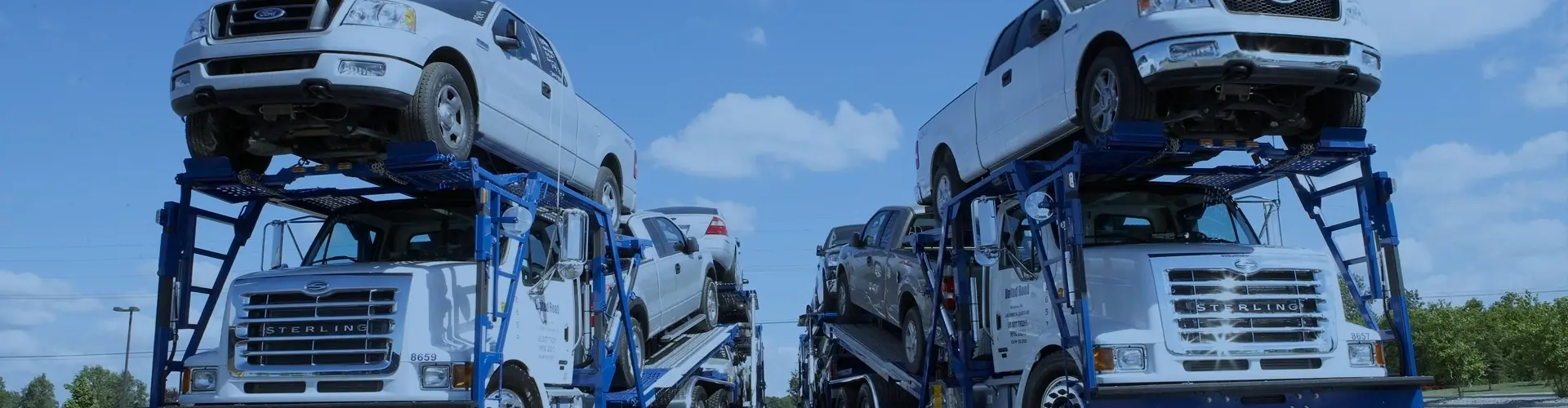
Irvine to Miami Car Shipping Route
The Irvine to Miami route spans approximately 2,745 miles by road. Carriers accessing this corridor from Irvine use SR-133 or SR-241 to reach I-5 north, then connect to I-10 east through the San Bernardino pass — the primary corridor for cross-country runs to Florida. From there it's a direct shot through Phoenix, El Paso, San Antonio, Houston, and across the Gulf Coast states into Miami. The route avoids the Rockies entirely, which matters for scheduling reliability. Driving this yourself would take five or more days of hard driving and thousands in fuel, meals, and lodging. Shipping is worth comparing: https://california.auto-transport-shipping.com/articles/benefits-of-auto-transport-service-vs-driving-yourself.html
Miami's demand side is specific and sustained. Homestead Air Reserve Base, about 25 miles southwest of downtown Miami, generates military PCS shipments throughout the year. The University of Miami in Coral Gables and Florida International University in Doral bring student vehicle moves at the start and end of academic terms. Major employers including Carnival Corporation, Baptist Health South Florida, and the Port of Miami's logistics operations drive professional relocations. Seasonally, the corridor sees a surge in late fall as snowbirds move vehicles east for the winter. Weather across I-10 through Texas and Louisiana can cause transit delays in summer storm season. Avoid common planning errors: https://california.auto-transport-shipping.com/articles/auto-transport-mistakes-to-avoid.html
Irvine to Miami Car Shipping Rates
At 2,745 miles, Irvine to Miami sits in the upper tier of cross-country distance pricing. Base rates on this corridor typically range from $1,100 to $1,600 for a standard open transport on a sedan, with enclosed running $400 to $700 higher depending on season. Fuel costs are the most direct variable on a run this long — see how pump prices affect your quote: https://california.auto-transport-shipping.com/articles/how-gas-prices-impact-california-auto-transport-fees.html. Demand spikes in October through December as snowbird moves peak, and again in May and August around military PCS cycles and university term changes.
What affects the cost of Irvine to Miami car shipping:
- Vehicle type and size — larger vehicles take more carrier space; aftermarket additions like lift kits, oversized mirrors, or roof accessories can add fees
- Open vs. enclosed transport — open is lower cost with stronger carrier availability; enclosed protects against weather, debris, and road conditions
- Standard vs. expedited pickup — expedited prioritizes your vehicle for the next available dispatch, typically at a $100–$300 premium
- Time of year — peak demand seasons drive rates higher; off-peak windows offer the most competitive pricing
- Fuel costs — diesel prices affect carrier rates; longer routes are more sensitive to fuel price swings
- Vehicle condition — non-running vehicles require special loading equipment and cost more to ship
| Vehicle Type | Open Car Shipping (Est.) | Enclosed Car Shipping (Est.) |
|---|---|---|
| Sedan | $1,100 – $1,600 | $1,900 – $2,700 |
| SUV / Crossover | $1,300 – $1,900 | $2,200 – $3,100 |
| Pickup Truck | $1,300 – $1,950 | $2,200 – $3,150 |
| Minivan | $1,300 – $1,900 | $2,200 – $3,100 |
| Luxury / Classic Car | $1,550 – $2,200 | $2,600 – $3,600 |
| Non-Running Vehicle | Add $200–400 | Add $200–400 |
* Estimated ranges based on recent Irvine to Miami shipments. Actual rate depends on vehicle, locations, booking date, and current fuel costs. Use the form on this page to compare real quotes from licensed carriers.
Open vs. Enclosed: What Makes Sense on the I-10 Corridor
Open transport is the right call for most vehicles on this route. The I-10 corridor through the desert Southwest is dry and predictable, and road debris exposure on a carrier deck is no greater here than any other major interstate. Enclosed transport makes sense if you're shipping a classic, exotic, or low-clearance vehicle — Miami's luxury market means enclosed carriers do run this lane regularly, so availability isn't a problem. If your vehicle is a daily driver valued under $60,000, the price premium for enclosed isn't justified by the route conditions.
How Long Does Irvine to Miami Car Shipping Take?
Irvine to Miami typically runs 7 to 10 transit days under normal conditions. Carrier frequency on I-10 east out of Orange County is high, so dispatch from Irvine usually happens within 1 to 3 business days of booking. The driving distance for a carrier team is roughly five days of road time, with mandatory rest stops adding days. Single-driver carriers extend that to 7 or 8 days of actual movement. If your window is tight, expedited options exist — review what that costs and involves here: https://california.auto-transport-shipping.com/articles/california-expedited-car-shipping-fast-cost.html
| Service Type | Typical Transit | Pickup Window | Best For |
|---|---|---|---|
| Open — Standard | 7–10 days | 2–5 business days | Best value; most common choice on this route |
| Open — Expedited | 5–7 days | 1–2 business days | Firm arrival date; faster dispatch window |
| Enclosed — Standard | 7–10 days | 4–8 business days | Luxury, classic, or modified vehicles |
| Enclosed — Expedited | 5–7 days | 2–4 business days | High-value vehicles on a firm delivery deadline |
** Summer hurricane season from June through November is the primary transit wildcard on this route. If a storm system moves into the Gulf Coast or South Florida, carriers may hold in Houston or Tallahassee for 24 to 72 hours. January through March is the most predictable transit window on this corridor.
Irvine to Miami — Route & Logistics
Carriers depart Irvine using SR-133 north or SR-241 north to reach I-5, then transition onto I-10 east at the downtown Los Angeles interchange. I-10 carries the load for the full 2,500-plus miles east through California, Arizona, New Mexico, Texas, Louisiana, Mississippi, Alabama, and Florida before terminating near Miami. Access from Irvine's business park grid is clean and carrier-friendly.
Key Corridor Waypoints
- Irvine, CA (Origin) Carriers stage in Irvine's business park districts near the Irvine Spectrum or along Sand Canyon Avenue, which provides wide-radius turns and no residential load restrictions. From here, SR-133 north or SR-241 north offers the fastest freeway on-ramp to I-5, avoiding local surface street congestion in Santa Ana and Costa Mesa.
- Cajon Pass, CA (Elevation 4,190 ft) After picking up I-10 east through Los Angeles, carriers climb through the Cajon Pass northeast of San Bernardino. At 4,190 feet, this is the highest point on the route. Grades here can slow heavy multi-car transporters. In rare winter events, CHP enforces chain controls, which can delay departure by several hours.
- Phoenix, AZ Phoenix is the first major staging city, roughly 370 miles from Irvine. Carriers frequently overnight here, swap drivers, or pick up additional loads on the eastbound run. The I-10 and I-17 interchange is a known logistics hub. Summer temperatures in Phoenix regularly exceed 110°F, which has no mechanical effect on transported vehicles but can slow tire checks.
- El Paso, TX / Las Cruces, NM The El Paso corridor marks the halfway point and sits at approximately 3,740 feet elevation. Carriers cross the Texas state line here and enter the longest single-state stretch of the run. U.S. Border Patrol operates a fixed checkpoint on I-10 east of Las Cruces at mile marker 116 — all carriers pass through; this adds 15 to 30 minutes.
- Houston, TX Houston is the second major carrier staging point, approximately 1,550 miles from Irvine. Carriers may overnight, refuel, or redistribute loads here. I-10 through central Houston is one of the widest freeways in the country but carries dense truck traffic. During hurricane season, this is the holding point if Florida weather causes a delay further east.
- Miami, FL (Destination) Carriers serving Miami typically deliver to staging areas in Doral, Medley, or along NW 36th Street — industrial zones with adequate turning radius for 75-foot transporters. Brickell, South Beach, and Coconut Grove involve narrow streets and parking enforcement; final-mile delivery often requires a shorter shuttle vehicle or a nearby meet point arranged with the driver.
Pickup & Delivery Access
- Pickup Access in Irvine Irvine's street grid accommodates car carriers without special routing. Business park areas near the Irvine Spectrum, Jamboree Road corridor, and Alton Parkway provide wide lanes and legal curb parking for loading. Residential neighborhoods in Woodbridge or Turtle Rock are accessible but carriers prefer staging on commercial streets. Flexible meet points near SR-241 on-ramps reduce carrier deadhead time.
- Delivery Access in Miami Miami proper varies significantly by neighborhood. Doral and Medley near the airport are the most carrier-accessible zones — wide streets, industrial zoning, and no residential permit restrictions. Brickell, South Beach, and Wynwood present challenges: narrow lanes, parking enforcement, and high foot traffic. If delivering to those areas, plan to meet the carrier at a nearby parking structure or staging lot and confirm the meet point with the driver 24 hours out.
- Nearby Pickup Locations Carriers picking up in Irvine regularly extend service to Santa Ana, Costa Mesa, and Lake Forest. Call 1‑800‑590‑6492 to confirm door-to-door availability at your address.
Open vs. Enclosed Car Shipping: Irvine to Miami
Both options use licensed, insured carriers and deliver door to door. For a full breakdown, read the pros and cons of open vs. enclosed car shipping.
Open Car Shipping
Most Popular- Lower cost — the practical choice for most vehicles
- More carriers available on this corridor
- Faster dispatch from booking to pickup
- Works well for sedans, SUVs, trucks, and minivans
- Vehicle rides on an open multi-car carrier
- Cargo insurance required on all licensed carriers
Estimated cost: $1,100 – $1,950
Enclosed Car Shipping
Premium Protection- Full protection from weather, debris, and road grime
- Best for luxury, exotic, and classic vehicles
- Recommended for low-clearance and custom-built cars
- Wheel-net or soft-tie systems prevent contact damage
- Higher cargo coverage — commonly $500,000 per load
- White-glove handling by experienced operators
Estimated cost: $1,900 – $3,150
Not sure which is right for your vehicle? Call 1-800-590-6492 and we'll point you in the right direction. Also worth reading: the top 10 questions to ask any car shipping company before you commit.
How to Prepare Your Car for Shipping to Miami
A little prep before pickup protects you if there's ever a dispute about your vehicle's condition. This checklist is from our full guide on preparing your car for transport:
- Remove all personal belongings from the interior and trunk
- Leave only a quarter tank of fuel — enough to load and unload
- Take date-stamped photos of the full exterior and interior
- Remove or disable toll transponders (FasTrak, E-ZPass, etc.)
- Retract or remove roof racks, spoilers, antennas, and bike mounts
- Make sure the battery is charged and tires are properly inflated
- Tell the carrier about any existing leaks or mechanical issues
- Deactivate the car alarm before the carrier arrives
- Write down the mileage on the Bill of Lading at pickup
- Fold in side mirrors if the vehicle is wider than standard
Personal items: Most carriers won't cover belongings left in the car. Read the full rules on shipping personal items in your vehicle. Also review our Bill of Lading guide so you know exactly what to check at pickup and delivery.
When to Ship Your Car from Irvine to Miami
This route has two distinct demand peaks. October through January is the snowbird surge — California residents moving vehicles to South Florida for the winter drive prices up and compress carrier availability. May through August is the second peak, driven by military PCS orders at Homestead and student moves tied to University of Miami and FIU. For winter shipping considerations specific to the I-10 corridor's eastern states, review: https://california.auto-transport-shipping.com/articles/auto-transport-challenges-during-the-winter.html

Snowbird Season (Oct–Jan)
The highest demand period on this route. Orange County residents and retirees moving vehicles to South Florida for winter create a capacity crunch on eastbound loads. Book 2 to 3 weeks ahead if your move date falls between October 15 and January 15. Rates during this window are 10 to 20 percent above the annual average. Carriers fill quickly and last-minute bookings may require a higher rate to secure dispatch.
Peak Shipping Window (Feb–Apr)
February through April offers the best combination of competitive pricing and reliable transit. Weather across I-10 through Texas and the Gulf Coast is stable, hurricane season hasn't started, and snowbird demand has eased. If you have flexibility in your timeline, this is the window where you'll see the most carrier availability and the most accurate transit estimates with fewest weather-related delays.
Student Move Season (May & Aug)
University of Miami and Florida International University drive two student move spikes — May at end of spring term and August before fall term starts. These moves generate inbound vehicle demand to the Miami area from California. If you're shipping for a student, book at least 10 days ahead during these months. Shared carrier loads mean pricing stays reasonable, but dispatch slots fill quickly in the first and last weeks of each month.
Military PCS Cycles (Jun–Aug)
Homestead Air Reserve Base south of Miami receives PCS orders concentrated in the summer months, consistent with the military's standard relocation cycle. This creates a reliable but capacity-constrained demand spike for eastbound transport from Southern California bases and their surrounding communities. If you're PCS-ing from Orange County or adjacent installations, submit your booking as soon as orders are received — waiting until 5 days out limits your carrier options significantly.
Hurricane Season Caution (Jun–Nov)
Active Atlantic hurricane seasons can pause carrier movement into South Florida for 48 to 96 hours when named storms approach. This doesn't affect most shipments, but if you're booking between June and November, build two extra buffer days into your expected delivery window. Carriers will not attempt delivery into an active evacuation zone. Transit holds typically occur in Houston or Tallahassee until the route clears.
Spring Return Window (Mar–Apr)
Snowbirds returning west in March and April generate strong westbound demand from Miami back to California. If you're shipping a vehicle from Irvine to Miami in this window, you benefit from carriers looking to reposition east after delivering westbound loads. This creates a brief period where eastbound pricing can dip slightly below the seasonal average. Timing your booking for mid-March through early April often captures this favorable rate window.
How to Choose a Irvine to Miami Car Shipping Company
Getting multiple quotes is step one — knowing what to look for in those quotes matters just as much. Our guide on how to select a car shipping company covers the full process. Here are the six things that matter most:
FMCSA Registration
Every carrier or broker must hold a valid MC number. Verify any company at FMCSA SAFER before you book.
Proof of Insurance
Ask for a current certificate of insurance. Open carriers typically carry $100,000–$250,000 per load; enclosed commonly $500,000 or more. Learn what auto transport insurance covers.
All-In Pricing
Your quote should be a final number with no fees added after booking. Know the difference between brokers and carriers and confirm what the quote covers before you agree.
Bill of Lading
A complete Bill of Lading is filled out at pickup and delivery. Our Bill of Lading guide explains what to check. Never sign an incomplete one.
Real Reviews
Check Google and the BBB. Look at how they handled complaints and damage claims — that tells you more than a five-star average from happy customers.
Route Experience
A carrier who regularly runs the Irvine-to-Miami lane knows to stage loads at the Irvine Spectrum commercial zone rather than attempting residential pickup during morning rush on Culver Drive or Harvard Avenue — surface streets back up badly between 7 and 9 a.m. They know the Border Patrol checkpoint at I-10 mile 116 east of Las Cruces runs faster if you're through before 10 a.m. They use the Petro truck stop in Odessa, TX as the standard overnight on day three. On the delivery side, they know that Brickell deliveries need a weekday appointment before noon — afternoon parking enforcement in that district is aggressive, and a transporter parked on Brickell Avenue past 2 p.m. will receive attention. Doral staging near NW 107th Avenue is their default Florida meet point for Miami-area drops.
Irvine to Miami Car Shipping — FAQ
How much does it cost to ship a car from Irvine to Miami?
On this 2,745-mile corridor, open transport for a standard sedan typically runs between $1,100 and $1,600 depending on season, fuel costs, and how quickly you need the vehicle moved. SUVs and trucks run $100 to $200 higher due to size and weight. Enclosed transport adds $400 to $700 to those figures. The highest rates occur during the October through January snowbird surge and June through August military PCS season. Booking 10 to 14 days out with flexible pickup dates of plus or minus two days gives carriers room to consolidate loads and typically produces a lower rate than same-week bookings.
How long does Irvine to Miami car shipping take?
Standard transit on this route runs 7 to 10 days from the point your vehicle is picked up in Irvine. Carrier dispatch from Irvine typically takes 1 to 3 business days after booking, so plan for a total booking-to-delivery window of 9 to 13 days under normal conditions. I-10 is a high-frequency carrier lane, which keeps dispatch times shorter than less-traveled routes. Weather delays — primarily summer thunderstorms along the Gulf Coast or, rarely, hurricane-related holds in Houston or Tallahassee — can add 1 to 3 days. If your timeline is fixed, expedited options can compress dispatch to 24 to 48 hours: https://california.auto-transport-shipping.com/articles/california-expedited-car-shipping-fast-cost.html
Is my car insured during transport from Irvine to Miami?
Every licensed carrier operating in the United States is required by federal law to carry cargo liability insurance, which covers your vehicle while it's on the truck. Before your vehicle is loaded in Irvine, the driver will complete a Bill of Lading documenting its pre-existing condition — photograph your vehicle thoroughly at pickup and keep a copy of that document. If damage occurs in transit, the claim is filed against the carrier's cargo policy. For a complete explanation of how coverage works and what it does and doesn't include, read this: https://california.auto-transport-shipping.com/articles/understanding-auto-transport-insurance.html. If you ever need to file a claim, this guide walks through the process: https://california.auto-transport-shipping.com/articles/how-to-file-a-claim-for-vehicle-damage-during-transport.html
Should I choose open or enclosed transport for this route?
Open transport is the practical choice for most vehicles on the Irvine to Miami run. The I-10 corridor through the desert Southwest is dry, and road debris exposure on an open carrier deck is no different here than any other major interstate. Enclosed transport is worth the added cost if you're moving a classic car, a vehicle valued over $70,000, or a low-clearance exotic — Miami's luxury vehicle market means enclosed carriers run this lane regularly, so availability isn't a concern. For a full breakdown of both options and when each makes financial sense, see: https://california.auto-transport-shipping.com/articles/open-vs-enclosed-auto-transport-pros-and-cons.html
Do I have to be present at pickup in Irvine and delivery in Miami?
You or a designated representative must be present at both pickup and delivery to sign the Bill of Lading. At pickup in Irvine, you and the driver jointly document your vehicle's condition — note every existing scratch, dent, or chip, and confirm those are recorded accurately before you sign. At delivery in Miami, you inspect the vehicle against that same document before signing the delivery receipt. If you cannot be present, authorize someone in writing to act on your behalf. Do not sign a delivery receipt if the vehicle has damage not present at pickup. Learn more about the Bill of Lading process: https://california.auto-transport-shipping.com/articles/california-auto-transport-bill-of-lading-information.html
How does hurricane season affect shipping from Irvine to Miami?
Atlantic hurricane season runs June 1 through November 30, with peak activity from August through October. Most shipments during this period complete without issue — the majority of named storms don't make landfall in South Florida, and carriers continue moving loads unless a direct threat develops. When a storm does approach Miami, carriers hold at their last safe point — typically Houston or Tallahassee — until roads are clear and evacuation orders lift. This can add 48 to 96 hours to your delivery window. If you're booking between August and October and your delivery date is firm, build a three-day buffer into your schedule to account for this possibility.
Is this route a good option for snowbird vehicle transport?
Yes, and it's one of the most common use cases on this corridor. Orange County and greater Southern California have a large seasonal population that winters in South Florida, and the Irvine to Miami route handles that demand reliably. The critical planning point is timing: October 15 through January 15 is the peak booking window, and carrier capacity tightens fast. If you're planning to move your vehicle to Miami for the winter, book a minimum of two to three weeks before your intended pickup date. Waiting until the week you want to leave significantly limits your carrier options and pushes rates higher. Return westbound moves in March and April tend to have better availability.
Can I ship a vehicle to Miami for a military PCS assignment?
Carriers on the Irvine to Miami lane handle military PCS shipments regularly, particularly for personnel assigned to Homestead Air Reserve Base south of Miami. The process is the same as a civilian shipment — you book, provide pickup and delivery locations, and the carrier handles transport. PCS orders are typically issued with limited lead time, so contact a broker as soon as you receive orders rather than waiting until your report date is close. Summer months — June through August — are peak PCS season on this route, and capacity fills quickly. If your orders include a specific report date, factor in the full 9 to 13 day booking-to-delivery window when scheduling your ship date.
Ready to Ship Your Car from Irvine to Miami?
One form gets you up to 10 free quotes from licensed, insured carriers. Compare costs and transit times and book the best deal for your schedule.