
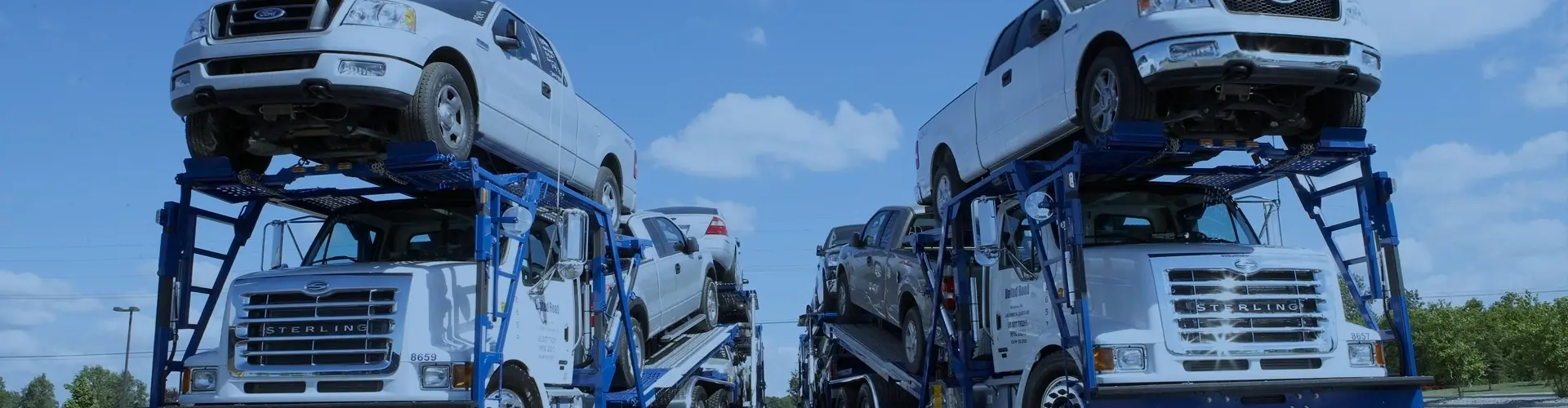
Garden Grove to Denver Car Shipping Route
Garden Grove to Denver covers approximately 1,017 miles by road. Carriers typically access I-15 North via SR-22 or SR-91 from the Garden Grove area, then transition to I-15 through the Cajon Pass before connecting to I-40 East or continuing to I-70 East through Utah and into Colorado. The route crosses the Mojave Desert, climbs into Utah's canyon country, and ascends the Colorado Rockies before descending into the Denver metro. That's a hard two-day drive for a private motorist. Shipping your vehicle instead of driving yourself saves significant wear, fuel cost, and personal time. See a full breakdown at https://california.auto-transport-shipping.com/articles/benefits-of-auto-transport-service-vs-driving-yourself.html
Denver's inbound vehicle demand is driven by several major employment centers. Buckley Space Force Base in Aurora employs thousands of active-duty personnel who PCS regularly from California installations. Lockheed Martin, Raytheon, and Boeing all operate significant facilities in the Denver metro. University of Denver and University of Colorado Denver draw student relocations from Southern California each fall. The I-70 mountain corridor introduces a meaningful seasonal variable: winter storm closures and chain controls through the Eisenhower Tunnel at 11,158 feet can delay eastbound loads from October through April. Booking ahead of winter windows matters on this route. Before you book, review https://california.auto-transport-shipping.com/articles/auto-transport-mistakes-to-avoid.html to avoid common errors.
Garden Grove to Denver Car Shipping Rates

At just over 1,000 miles, this route falls in the mid-distance pricing tier — far enough to require a multi-day haul, close enough that carriers run it regularly without premium positioning. Rates typically range from $900 to $1,400 for standard open transport, depending on season, fuel costs, and vehicle size. Winter months can push rates up 10–20% due to mountain weather risk on I-70 and reduced carrier willingness to run that corridor in poor conditions. Fuel costs are a direct input on this distance — see how they factor in at https://california.auto-transport-shipping.com/articles/how-gas-prices-impact-california-auto-transport-fees.html
What affects the cost of Garden Grove to Denver car shipping:
- Vehicle type and size — larger vehicles take more carrier space; aftermarket additions like lift kits, oversized mirrors, or roof accessories can add fees
- Open vs. enclosed transport — open is lower cost with stronger carrier availability; enclosed protects against weather, debris, and road conditions
- Standard vs. expedited pickup — expedited prioritizes your vehicle for the next available dispatch, typically at a $100–$300 premium
- Time of year — peak demand seasons drive rates higher; off-peak windows offer the most competitive pricing
- Fuel costs — diesel prices affect carrier rates; longer routes are more sensitive to fuel price swings
- Vehicle condition — non-running vehicles require special loading equipment and cost more to ship
| Vehicle Type | Open Car Shipping (Est.) | Enclosed Car Shipping (Est.) |
|---|---|---|
| Sedan | $750 – $1,000 | $1,350 – $1,750 |
| SUV / Crossover | $900 – $1,150 | $1,550 – $2,000 |
| Pickup Truck | $900 – $1,200 | $1,550 – $2,100 |
| Minivan | $900 – $1,150 | $1,550 – $2,000 |
| Luxury / Classic Car | $1,050 – $1,400 | $1,850 – $2,350 |
| Non-Running Vehicle | Add $150–300 | Add $150–300 |
* Estimated ranges based on recent Garden Grove to Denver shipments. Actual rate depends on vehicle, locations, booking date, and current fuel costs. Use the form on this page to compare real quotes from licensed carriers.
Open vs. Enclosed: What This Route's Conditions Actually Require
Open transport is the practical choice for most vehicles on this corridor during late spring through early fall. The route crosses desert and high-altitude terrain, but open carriers handle it routinely without issue. Enclosed transport makes sense if you're moving a luxury vehicle, classic car, or anything with a low ground clearance that could be affected by debris or weather exposure crossing the Rockies in winter. Enclosed adds $300–$600 to your cost on this distance. If you're shipping between November and March and the vehicle matters, that premium is worth it.
How Long Does Garden Grove to Denver Car Shipping Take?
Garden Grove to Denver typically runs 3 to 5 transit days once a carrier is assigned and dispatched. The high carrier frequency out of Southern California's eastbound pool means dispatch-to-pickup windows are often 1 to 2 business days. The actual driving time for the 1,017-mile haul is roughly 15 to 16 hours, spread across two driver days with required rest. I-70 through the Rockies is the one corridor-specific variable that can stretch transit — see what expedited options look like if timing is tight at https://california.auto-transport-shipping.com/articles/california-expedited-car-shipping-fast-cost.html
| Service Type | Typical Transit | Pickup Window | Best For |
|---|---|---|---|
| Open — Standard | 3–5 days | 2–5 business days | Best value; most common choice on this route |
| Open — Expedited | 2–3 days | 1–2 business days | Firm arrival date; faster dispatch window |
| Enclosed — Standard | 3–5 days | 3–7 business days | Luxury, classic, or modified vehicles |
| Enclosed — Expedited | 2–3 days | 1–3 business days | High-value vehicles on a firm delivery deadline |
** Between October and April, CDOT chain law enforcement and storm closures on I-70 through the Eisenhower Tunnel can hold carriers at the base of the mountains for 12 to 36 hours. A load that dispatches on schedule can still arrive a day late due entirely to Colorado weather. Plan for this window.
Garden Grove to Denver — Route & Logistics
Carriers access this corridor from Garden Grove via SR-22 East to SR-91 East, or via SR-405 North to I-605 East, then onward to I-10 East or I-15 North through the Inland Empire. From I-15, the route runs through Barstow and into Nevada, then northeast through Utah to I-70 East into Colorado. Total driving distance is approximately 1,017 miles.
Key Corridor Waypoints
- Garden Grove / Orange County, CA Carriers stage in the broad Orange County grid using SR-22, SR-405, and I-5 access points. Westminster and Anaheim serve as common pickup staging areas. The dense carrier pool here means eastbound loads are assembled quickly. Drivers typically fuel and do a pre-load inspection before heading east toward the I-15 corridor through the Inland Empire.
- Barstow, CA Barstow sits at the junction of I-15 and I-40 and functions as the primary rest and fuel stop for carriers leaving Southern California eastbound. Elevation here is roughly 2,100 feet. Many carriers make a driver change or overnight stop here before deciding which corridor to take east — I-40 through Needles or I-15 through Nevada.
- Las Vegas, NV Carriers routing via I-15 pass through the Las Vegas metro, elevation 2,001 feet. This is a common multi-load staging point where carriers may drop or pick up additional vehicles. The I-15 North to I-70 East connection through Utah adds mileage but avoids the Needles heat corridor in summer and is preferred by most carriers year-round.
- Green River, UT Green River marks the I-70 East entry point into Colorado from Utah, elevation approximately 4,078 feet. From here, carriers begin the long eastward climb toward the Rockies. This stretch through the canyon country of eastern Utah is remote — fuel and service access is limited, so carriers typically top off here before continuing.
- Eisenhower / Johnson Tunnel, CO The Eisenhower Tunnel at 11,158 feet is the highest vehicle tunnel in the world and the corridor's primary weather choke point. CDOT enforces chain laws and closes the tunnel during severe storms. Carriers regularly check road condition reports at the Silverthorne exit before committing to the summit. This is the most delay-prone single point on the route.
- Denver Metro, CO Carriers enter the Denver metro via I-70 West to I-270 or I-25, depending on delivery address. Aurora, Lakewood, and central Denver neighborhoods are all carrier-accessible. High-density areas near downtown and Capitol Hill may require coordinating a meet point at a nearby parking lot or side street. Elevation in Denver is exactly 5,280 feet.
Pickup & Delivery Access
- Pickup Access in Garden Grove Garden Grove streets are generally wide enough for standard 8-10 car haulers. The SR-22 and SR-405 corridors give carriers quick access to most residential and commercial areas without navigating tight residential cul-de-sacs. If your street has overhead obstructions or a tight turn, the carrier will coordinate a nearby meet point — a shopping center lot off Euclid or Harbor Boulevard works well.
- Delivery Access in Denver Most Denver metro addresses — Aurora, Lakewood, Englewood, and suburban neighborhoods along I-25 — accommodate full-size carriers without issue. Central Denver, particularly Capitol Hill and LoHi, has narrower streets and parking restrictions that can complicate carrier access. In those areas, carriers typically arrange a meet point at a nearby surface lot or wide commercial street. Confirm your delivery address access with your dispatcher in advance.
- Nearby Pickup Locations Carriers picking up in Garden Grove regularly extend service to Westminster, Stanton, and Anaheim. Call 1‑800‑590‑6492 to confirm door-to-door availability at your address.
Open vs. Enclosed Car Shipping: Garden Grove to Denver
Both options use licensed, insured carriers and deliver door to door. For a full breakdown, read the pros and cons of open vs. enclosed car shipping.
Open Car Shipping
Most Popular- Lower cost — the practical choice for most vehicles
- More carriers available on this corridor
- Faster dispatch from booking to pickup
- Works well for sedans, SUVs, trucks, and minivans
- Vehicle rides on an open multi-car carrier
- Cargo insurance required on all licensed carriers
Estimated cost: $750 – $1,200
Enclosed Car Shipping
Premium Protection- Full protection from weather, debris, and road grime
- Best for luxury, exotic, and classic vehicles
- Recommended for low-clearance and custom-built cars
- Wheel-net or soft-tie systems prevent contact damage
- Higher cargo coverage — commonly $500,000 per load
- White-glove handling by experienced operators
Estimated cost: $1,350 – $2,100
Not sure which is right for your vehicle? Call 1-800-590-6492 and we'll point you in the right direction. Also worth reading: the top 10 questions to ask any car shipping company before you commit.
How to Prepare Your Car for Shipping to Denver
A little prep before pickup protects you if there's ever a dispute about your vehicle's condition. This checklist is from our full guide on preparing your car for transport:
- Remove all personal belongings from the interior and trunk
- Leave only a quarter tank of fuel — enough to load and unload
- Take date-stamped photos of the full exterior and interior
- Remove or disable toll transponders (FasTrak, E-ZPass, etc.)
- Retract or remove roof racks, spoilers, antennas, and bike mounts
- Make sure the battery is charged and tires are properly inflated
- Tell the carrier about any existing leaks or mechanical issues
- Deactivate the car alarm before the carrier arrives
- Write down the mileage on the Bill of Lading at pickup
- Fold in side mirrors if the vehicle is wider than standard
Personal items: Most carriers won't cover belongings left in the car. Read the full rules on shipping personal items in your vehicle. Also review our Bill of Lading guide so you know exactly what to check at pickup and delivery.
When to Ship Your Car from Garden Grove to Denver
This route has a pronounced seasonal pricing and logistics pattern driven by two factors: California-to-Colorado relocation cycles and Rocky Mountain winter weather. Summer and early fall see peak demand as students, tech workers, and military transfers move east. Winter months introduce real weather risk on I-70, which suppresses carrier willingness and pushes rates up. Spring sees a mild rebound. For a detailed breakdown of winter transport challenges on mountain routes, see https://california.auto-transport-shipping.com/articles/auto-transport-challenges-during-the-winter.html

Spring (March–May)
Spring brings moderate carrier availability and pricing near annual lows as winter storm risk eases. I-70 chain law enforcement typically lifts by late April, making this a reliable window for timing a move. Early March can still produce mountain snowstorms, so verify road conditions with your dispatcher before confirming pickup. Rates begin rising in May as summer demand builds.
Summer (June–August)
Peak season on this corridor. Relocation volume from Southern California to Denver is highest in June through August, driven by PCS orders from Buckley Space Force Base, new hires at Denver's tech and aerospace employers, and University of Denver's fall semester setup. Carrier availability is good but so is competition for loads. Book 7 to 10 days ahead to lock a rate before pricing spikes further.
Fall Academic Push (August–September)
University of Denver, CU Denver, and Colorado State all begin fall terms in late August. Students relocating from Southern California generate a short but noticeable surge in vehicle shipping demand. This overlaps with the end of PCS season, compressing available carrier slots. If you're shipping for a student heading to Denver, book in mid-July to avoid the August crunch and higher rates.
Winter (November–February)
The I-70 mountain corridor is the defining factor in winter shipping on this route. CDOT chain laws, tunnel closures, and storm holds at the Eisenhower Tunnel can add 1 to 2 days to transit unpredictably. Carrier availability drops as fewer drivers want to run the Rockies in ice. Rates rise 10 to 20 percent. If you must ship in winter, build schedule flexibility in and consider enclosed transport for higher-value vehicles.
Ski Season Inbound (December–March)
Colorado's ski resorts — Vail, Breckenridge, and Keystone all sit along or near I-70 — generate a niche inbound vehicle flow from California. Some shippers send a second vehicle to Colorado for ski season. This creates light but real westbound backhaul demand from Colorado. If you're shipping eastbound during this window, carriers are running the route anyway, but winter weather premiums still apply.
Military PCS Season (May–July)
PCS orders for personnel transferring between California installations — Camp Pendleton, Naval Weapons Station Seal Beach — and Colorado's Buckley Space Force Base or Fort Carson concentrate heavily in May through July. These moves generate predictable, high-volume shipping demand on this exact corridor. Government-rate shipping is available for eligible personnel. If you have PCS orders, book as soon as they're confirmed — this window competes with civilian summer demand simultaneously.
How to Choose a Garden Grove to Denver Car Shipping Company
Getting multiple quotes is step one — knowing what to look for in those quotes matters just as much. Our guide on how to select a car shipping company covers the full process. Here are the six things that matter most:
FMCSA Registration
Every carrier or broker must hold a valid MC number. Verify any company at FMCSA SAFER before you book.
Proof of Insurance
Ask for a current certificate of insurance. Open carriers typically carry $100,000–$250,000 per load; enclosed commonly $500,000 or more. Learn what auto transport insurance covers.
All-In Pricing
Your quote should be a final number with no fees added after booking. Know the difference between brokers and carriers and confirm what the quote covers before you agree.
Bill of Lading
A complete Bill of Lading is filled out at pickup and delivery. Our Bill of Lading guide explains what to check. Never sign an incomplete one.
Real Reviews
Check Google and the BBB. Look at how they handled complaints and damage claims — that tells you more than a five-star average from happy customers.
Route Experience
A carrier who runs Garden Grove to Denver regularly knows that the I-15 Nevada routing is almost always faster than the I-40 Needles option in summer heat, and that the Eisenhower Tunnel corridor requires checking CDOT's real-time road conditions before committing past Silverthorne. Experienced drivers on this lane know to fuel in Green River before the remote I-70 Colorado stretch and to stage deliveries in Aurora or Lakewood before attempting any central Denver drop. They also know that Orange County eastbound loads consolidate quickly out of the Anaheim and Westminster staging zones, which means Garden Grove vehicles typically load faster than rural Southern California pickups. That local knowledge cuts transit time and reduces missed delivery windows.
Garden Grove to Denver Car Shipping — FAQ
How much does it cost to ship a car from Garden Grove to Denver?
Shipping a standard sedan from Garden Grove to Denver on an open carrier typically costs between $900 and $1,400. The range depends on the season, your vehicle's size, current fuel prices, and how quickly you need it picked up. SUVs and trucks run $50 to $150 more due to space and weight. Enclosed transport adds $300 to $600 on top of the open rate. Winter months — November through February — see rates at the higher end of the range due to I-70 mountain weather risk. Summer and early fall are the busiest windows, so book ahead to secure a competitive rate rather than paying rush-booking premiums.
How long does Garden Grove to Denver car shipping take?
Total door-to-door time is typically 4 to 7 days from when you book. Carrier assignment and pickup in Garden Grove usually happens within 1 to 3 business days given the dense Orange County carrier pool. Once your vehicle is loaded, the actual haul runs 3 to 5 transit days for the 1,017-mile route. The variable is the I-70 mountain corridor — winter storms and CDOT chain law enforcement at the Eisenhower Tunnel can hold carriers at the base of the Rockies for up to 36 hours. If your timeline is firm, ask about expedited options at https://california.auto-transport-shipping.com/articles/california-expedited-car-shipping-fast-cost.html
Is my car insured during transport from Garden Grove to Denver?
Every licensed carrier operating in the U.S. is required to carry cargo insurance under FMCSA regulations. That coverage applies to your vehicle while it's on the carrier's trailer from the moment it's loaded in Garden Grove until it's delivered in Denver. Before your vehicle is loaded, you and the driver will complete a Bill of Lading documenting the vehicle's pre-existing condition. At delivery, you inspect the vehicle against that document. If damage occurred in transit, that's your basis for a claim. For a full explanation of what coverage looks like and what it doesn't cover, read https://california.auto-transport-shipping.com/articles/understanding-auto-transport-insurance.html. If you need to file a claim, the process is outlined at https://california.auto-transport-shipping.com/articles/how-to-file-a-claim-for-vehicle-damage-during-transport.html
Should I choose open or enclosed transport for this route?
Open transport is appropriate for the majority of vehicles shipped on this corridor. The route is a well-traveled commercial lane and open carriers run it daily without issue in normal conditions. Enclosed transport makes practical sense when you're shipping a vehicle worth $75,000 or more, a classic or collector car, a modified vehicle with low ground clearance, or any vehicle during winter months when road salt, debris, and storm exposure on the I-70 mountain section are real concerns. The price difference — $300 to $600 more for enclosed — is a straightforward decision based on your vehicle's value and the season. For a detailed comparison, see https://california.auto-transport-shipping.com/articles/open-vs-enclosed-auto-transport-pros-and-cons.html
Do I have to be present at pickup and delivery?
You don't have to be present personally, but someone you authorize must be there to release the vehicle at pickup and receive it at delivery. That person signs the Bill of Lading on your behalf — a document that records the vehicle's condition before loading and after delivery. If you can't be present yourself, a neighbor, family member, or colleague you designate can handle it. What you cannot do is leave the vehicle unattended with keys in it and expect the carrier to self-manage. A responsible party on both ends is required. For more on what the Bill of Lading covers and why it matters, see https://california.auto-transport-shipping.com/articles/california-auto-transport-bill-of-lading-information.html
Can I ship a car to Denver in winter, and is it worth the risk?
Yes, carriers run this route year-round including winter. The practical reality is that I-70 through the Eisenhower Tunnel at 11,158 feet is subject to storm closures and chain law enforcement between October and April. Carriers may be held at Silverthorne or Dillon for 12 to 36 hours during major storm events, which extends your transit window unpredictably. Rates also run 10 to 20 percent higher in winter due to the added operational risk. If you're shipping in winter, build in buffer time, consider enclosed transport for any vehicle you care about protecting from road salt and debris, and communicate timeline flexibility to your dispatcher upfront.
I have military PCS orders from Southern California to Buckley Space Force Base or Fort Carson — how does the shipping process work?
This is a common move on this exact corridor and carriers who run it regularly are familiar with military timelines. PCS orders generate high shipping volume from Southern California — Camp Pendleton, Naval Weapons Station Seal Beach — to Colorado's Buckley Space Force Base in Aurora and Fort Carson near Colorado Springs between May and July. Book as soon as your orders are confirmed, because this window overlaps with civilian summer demand and carrier slots fill. Government reimbursement-eligible shipping is available — verify your entitlements with your transportation office and keep your Bill of Lading and any carrier documentation for your claim.
Are there any areas in Denver where carrier delivery gets complicated?
Most of the Denver metro — Aurora, Lakewood, Englewood, Thornton, Westminster — is carrier-accessible without issues. Full-size 8 to 10 car haulers navigate suburban Denver without difficulty. The complications arise in central Denver neighborhoods: Capitol Hill, LoHi, RiNo, and parts of the Highlands have narrow streets, parked cars on both sides, and some permit-only zones that restrict large vehicle access. If your delivery address is in one of these areas, your carrier will coordinate a nearby staging point — typically a surface lot or wide commercial street — and do a final short-distance delivery or ask you to meet them nearby. Confirm this with your dispatcher before the vehicle ships.
Ready to Ship Your Car from Garden Grove to Denver?
One form gets you up to 10 free quotes from licensed, insured carriers. Compare costs and transit times and book the best deal for your schedule.