
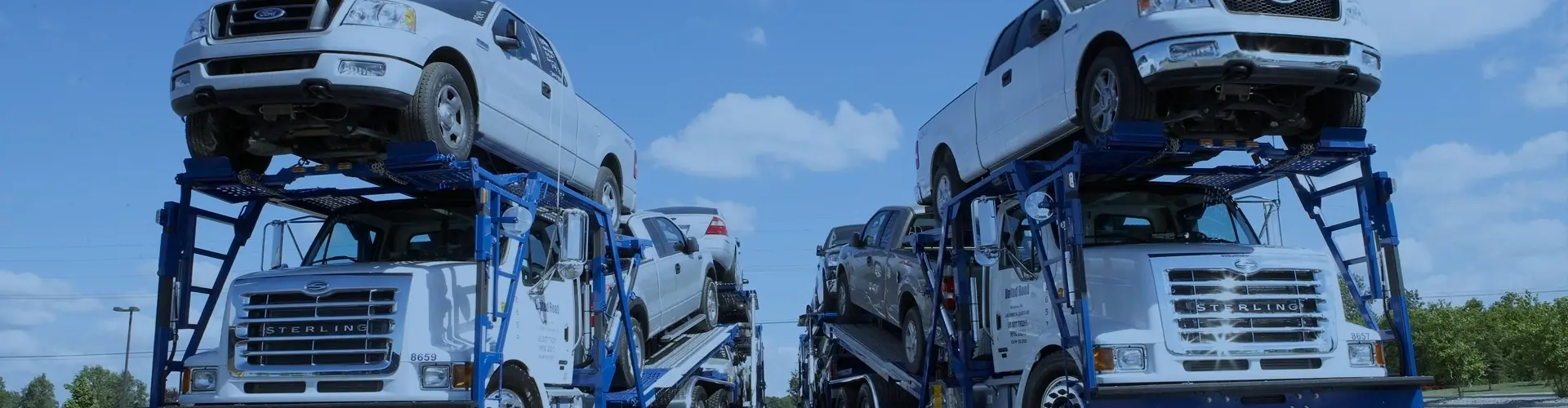
Fremont to Nashville Car Shipping Route
Fremont to Nashville covers approximately 2,107 miles. Carriers access the corridor via I-880 southbound to I-580 east, or I-680 north to I-580 east, connecting to I-205 and then I-5 or US-99 toward the Central Valley before picking up I-80 east through the Sierra Nevada. Many carriers run I-80 through Reno and Salt Lake City before dropping south to I-70 east into Missouri and then I-24 southeast into Nashville. The drive takes a solo driver four to five days. Shipping saves you that time, eliminates fuel and hotel costs, and removes mileage from your odometer. See why auto transport beats driving yourself: https://california.auto-transport-shipping.com/articles/benefits-of-auto-transport-service-vs-driving-yourself.html
Nashville's demand drivers are specific and trackable. Vanderbilt University, Belmont University, and Tennessee State University generate student vehicle moves in August and May. HCA Healthcare, Nissan North America's US headquarters, and Amazon's large fulfillment presence pull professional relocations from the Bay Area consistently. Fort Campbell, straddling the Kentucky-Tennessee border near Clarksville, generates military PCS orders that spike in late spring and early summer. Weather is a real factor: the I-80 Sierra Nevada segment can see snow closures from November through March, and I-70 through Kansas and Missouri carries ice risk in winter. Plan your booking window carefully and review common mistakes shippers make before you commit: https://california.auto-transport-shipping.com/articles/auto-transport-mistakes-to-avoid.html
Fremont to Nashville Car Shipping Rates
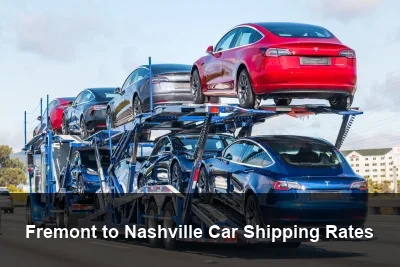
At 2,107 miles, this route falls into the long-haul pricing tier where cost-per-mile drops compared to shorter runs, but total price reflects the carrier's multi-day commitment. Rates on the California-to-Nashville lane climb in late spring when military PCS orders and student moves compress available carrier space. Fuel surcharges affect every quote on a corridor this long; when diesel prices spike, so does your estimate. Track how fuel costs feed into your final rate here: https://california.auto-transport-shipping.com/articles/how-gas-prices-impact-california-auto-transport-fees.html
What affects the cost of Fremont to Nashville car shipping:
- Vehicle type and size — larger vehicles take more carrier space; aftermarket additions like lift kits, oversized mirrors, or roof accessories can add fees
- Open vs. enclosed transport — open is lower cost with stronger carrier availability; enclosed protects against weather, debris, and road conditions
- Standard vs. expedited pickup — expedited prioritizes your vehicle for the next available dispatch, typically at a $100–$300 premium
- Time of year — peak demand seasons drive rates higher; off-peak windows offer the most competitive pricing
- Fuel costs — diesel prices affect carrier rates; longer routes are more sensitive to fuel price swings
- Vehicle condition — non-running vehicles require special loading equipment and cost more to ship
| Vehicle Type | Open Car Shipping (Est.) | Enclosed Car Shipping (Est.) |
|---|---|---|
| Sedan | $1,100 – $1,600 | $1,900 – $2,700 |
| SUV / Crossover | $1,300 – $1,900 | $2,200 – $3,100 |
| Pickup Truck | $1,300 – $1,950 | $2,200 – $3,150 |
| Minivan | $1,300 – $1,900 | $2,200 – $3,100 |
| Luxury / Classic Car | $1,550 – $2,200 | $2,600 – $3,600 |
| Non-Running Vehicle | Add $200–400 | Add $200–400 |
* Estimated ranges based on recent Fremont to Nashville shipments. Actual rate depends on vehicle, locations, booking date, and current fuel costs. Use the form on this page to compare real quotes from licensed carriers.
Open vs. Enclosed: What Makes Sense on This 2,100-Mile Run
Open transport covers the overwhelming majority of vehicles shipped on this corridor and is the practical choice for standard sedans, SUVs, and trucks. The route crosses the Sierra Nevada and the high plains of Utah and Kansas, where road debris and weather exposure are real but manageable risks for everyday vehicles. Enclosed shipping is worth the 30–40% premium if you're moving a classic car, a low-clearance exotic, or a vehicle with existing cosmetic work you don't want touched. For a daily driver relocating with you to Nashville, open is the right call.
How Long Does Fremont to Nashville Car Shipping Take?
Standard transit on the Fremont-to-Nashville lane runs 7 to 10 days from confirmed pickup. Carriers cover 500 to 600 miles per driving day under federal hours-of-service rules, and this route requires at least three to four driving days at the wheel plus loading and dispatch time on both ends. Fremont gets carrier attention regularly because of its East Bay grid position, so pickup windows are typically 1 to 3 business days after booking. If your timeline is compressed, expedited options exist: https://california.auto-transport-shipping.com/articles/california-expedited-car-shipping-fast-cost.html
| Service Type | Typical Transit | Pickup Window | Best For |
|---|---|---|---|
| Open — Standard | 7–10 days | 2–5 business days | Best value; most common choice on this route |
| Open — Expedited | 5–7 days | 1–2 business days | Firm arrival date; faster dispatch window |
| Enclosed — Standard | 7–10 days | 4–8 business days | Luxury, classic, or modified vehicles |
| Enclosed — Expedited | 5–7 days | 2–4 business days | High-value vehicles on a firm delivery deadline |
** The Sierra Nevada on I-80 is the primary delay risk between November and March. Chain controls or closures near Donner Pass can hold a carrier for 12 to 24 hours. Winter ice on I-70 through Kansas and Missouri adds secondary risk. Budget an extra 2 to 3 days in your timeline if you're shipping between December and February.
Fremont to Nashville — Route & Logistics
Carriers depart Fremont via I-880 or I-680 to reach I-580 east, then connect to I-80 east at Tracy. From there the route runs through the Sierra Nevada, across the Great Basin on I-80 through Reno and Salt Lake City, then transitions to I-70 east through Colorado and Kansas before picking up I-24 southeast into Nashville. Total driving distance is approximately 2,107 miles.
Key Corridor Waypoints
- Tracy, CA — I-580/I-205 Junction Carriers exiting the East Bay consolidate here where I-580 meets I-205 and feeds onto I-5 or continues east toward I-80. Tracy is a common staging and fuel stop for loads heading toward the Sierra Nevada. Dispatchers often finalize load assignments here before the mountain segment begins. Elevation is approximately 115 feet, flat and accessible for any trailer configuration.
- Donner Pass, CA — I-80 Sierra Nevada Crossing At 7,057 feet, Donner Pass is the most operationally significant point on this corridor. Chain controls are enforced by Caltrans from approximately November through April and can halt a carrier for hours or longer. Carriers experienced on this lane time their departures to cross the pass during daylight and check Caltrans road conditions before the ascent. This is where winter transit delays originate.
- Reno, NV — I-80 Overnight Staging Reno is the most common first overnight stop for carriers departing the Bay Area. The city has truck parking infrastructure, fuel availability, and is roughly 220 miles from Fremont — a practical half-day run after loading. Carriers also use Reno to pick up additional loads or swap drivers on team-driven runs. Elevation is 4,505 feet; weather here can mirror conditions at Donner Pass.
- Salt Lake City, UT — I-80/I-15 Interchange Salt Lake City marks the midpoint logistics junction where I-80 meets I-15. Carriers bound for Nashville continue east on I-80 toward Denver or split south on I-15 briefly before connecting to I-70 east. The city offers truck stops, inspection stations, and is a common second overnight. Elevation is 4,226 feet. Utah DOT agricultural inspection stops are routine near the Nevada-Utah border.
- Kansas City, MO — I-70/I-435 Interchange Kansas City is the primary eastern staging point before the final push into Tennessee. Carriers often stop here for fuel, federally mandated rest, and load confirmations. I-70 east from here runs flat through Missouri until I-24 splits southeast toward Nashville. Winter ice storms in this region between December and February are the second most common cause of transit delays after Sierra Nevada chain controls.
- Nashville, TN — I-24/I-40 Arrival Zone Carriers enter Nashville on I-24 from the northwest or I-40 from the west depending on their exact route. Downtown Nashville has narrow secondary streets and active construction zones that complicate last-mile delivery in some neighborhoods. Most carriers deliver to driveways, parking lots, or pre-arranged staging areas in outer neighborhoods like Antioch, Hermitage, or Madison to avoid urban core restrictions.
Pickup & Delivery Access
- Pickup Access in Fremont Fremont's street grid accommodates standard 75-foot car transport rigs without difficulty in most areas. The Warm Springs and Irvington districts offer wide residential streets with low overhead clearance concerns. The industrial zone near the Tesla factory on Kato Road and the areas around BART's Warm Springs station are practical carrier meet points. If your street has overhead lines or sharp turns, a nearby shopping center or park-and-ride lot works as an alternative.
- Delivery Access in Nashville Nashville's suburban neighborhoods — Antioch, Hermitage, Brentwood, and Franklin — are straightforward for carrier access with wide driveways and minimal restrictions. Downtown Nashville and the Gulch area have delivery complications: active construction, narrow one-way streets, and permit zones. If you're moving to a high-rise or urban condo, arrange a staging spot in an adjacent parking garage or surface lot. Carriers will not park illegally to complete delivery, so plan your meet point in advance.
- Nearby Pickup Locations Carriers picking up in Fremont regularly extend service to Newark, Union City, and Milpitas. Call 1‑800‑590‑6492 to confirm door-to-door availability at your address.
Open vs. Enclosed Car Shipping: Fremont to Nashville
Both options use licensed, insured carriers and deliver door to door. For a full breakdown, read the pros and cons of open vs. enclosed car shipping.
Open Car Shipping
Most Popular- Lower cost — the practical choice for most vehicles
- More carriers available on this corridor
- Faster dispatch from booking to pickup
- Works well for sedans, SUVs, trucks, and minivans
- Vehicle rides on an open multi-car carrier
- Cargo insurance required on all licensed carriers
Estimated cost: $1,100 – $1,950
Enclosed Car Shipping
Premium Protection- Full protection from weather, debris, and road grime
- Best for luxury, exotic, and classic vehicles
- Recommended for low-clearance and custom-built cars
- Wheel-net or soft-tie systems prevent contact damage
- Higher cargo coverage — commonly $500,000 per load
- White-glove handling by experienced operators
Estimated cost: $1,900 – $3,150
Not sure which is right for your vehicle? Call 1-800-590-6492 and we'll point you in the right direction. Also worth reading: the top 10 questions to ask any car shipping company before you commit.
How to Prepare Your Car for Shipping to Nashville
A little prep before pickup protects you if there's ever a dispute about your vehicle's condition. This checklist is from our full guide on preparing your car for transport:
- Remove all personal belongings from the interior and trunk
- Leave only a quarter tank of fuel — enough to load and unload
- Take date-stamped photos of the full exterior and interior
- Remove or disable toll transponders (FasTrak, E-ZPass, etc.)
- Retract or remove roof racks, spoilers, antennas, and bike mounts
- Make sure the battery is charged and tires are properly inflated
- Tell the carrier about any existing leaks or mechanical issues
- Deactivate the car alarm before the carrier arrives
- Write down the mileage on the Bill of Lading at pickup
- Fold in side mirrors if the vehicle is wider than standard
Personal items: Most carriers won't cover belongings left in the car. Read the full rules on shipping personal items in your vehicle. Also review our Bill of Lading guide so you know exactly what to check at pickup and delivery.
When to Ship Your Car from Fremont to Nashville
This corridor has distinct pricing and availability cycles. Spring is the highest-demand window because military PCS orders activate and college students move simultaneously, compressing available carrier space from April through June. Summer stays elevated through August. Fall is the most predictable window for pricing. Winter introduces Sierra Nevada and Midwest weather risk that extends transit times and occasionally increases rates as carriers price in delay exposure. For winter shipping specifics: https://california.auto-transport-shipping.com/articles/auto-transport-challenges-during-the-winter.html
Spring PCS & Student Rush (March–May)
Fort Campbell PCS orders and Vanderbilt, Belmont, and TSU enrollment changes drive simultaneous demand spikes on this lane. Carriers fill quickly from mid-March through late May. If you're moving for a military assignment or a student is returning home, book 2 to 3 weeks ahead. Rates run 10 to 15 percent above the annual average during this window. Flexibility on pickup date gives you the most leverage on price.
Summer Relocation Peak (June–August)
Bay Area tech workers relocating to Nashville's growing healthcare and entertainment economy keep summer volume high. Corporate relocation contracts move vehicles on this lane in volume through July and August. Rates stay elevated but carrier availability is good because demand is two-directional. Book at least 10 to 14 days out. Temperatures across Nevada, Utah, and Kansas can exceed 105°F, but this does not typically affect open-transport vehicles.
Fall Booking Window (September–November)
September through mid-November is the most cost-effective window to ship on this corridor. Demand from the summer peak has cleared, winter weather hasn't arrived yet in the Sierra or the Midwest, and carriers are running efficiently. If your move date is flexible and falls in this range, you'll find the best combination of pricing and transit predictability. The Sierra Nevada doesn't typically see serious snow until late November.
Winter Weather Risk (December–February)
Donner Pass on I-80 and I-70 through Kansas are both active winter hazards. Chain controls, closures, and ice storms can add 1 to 3 days to transit with no warning. Carriers price in this risk during peak winter, and some refuse certain routes entirely in severe conditions. If you're shipping in this window, build extra days into your planning and review winter transport considerations at https://california.auto-transport-shipping.com/articles/auto-transport-challenges-during-the-winter.html
Back-to-School Moves (Late July–August)
Nashville's university cluster generates a concentrated wave of student vehicle moves in late July and August. Parents shipping vehicles for students at Vanderbilt, Belmont, Lipscomb, or Tennessee State compete for the same carrier space as corporate relocations. Booking early in July for an August delivery is advisable. Campus-area delivery in Nashville can be congested; coordinate a staging lot near your student's residence hall rather than expecting street delivery.
How to Choose a Fremont to Nashville Car Shipping Company
Getting multiple quotes is step one — knowing what to look for in those quotes matters just as much. Our guide on how to select a car shipping company covers the full process. Here are the six things that matter most:
FMCSA Registration
Every carrier or broker must hold a valid MC number. Verify any company at FMCSA SAFER before you book.
Proof of Insurance
Ask for a current certificate of insurance. Open carriers typically carry $100,000–$250,000 per load; enclosed commonly $500,000 or more. Learn what auto transport insurance covers.
All-In Pricing
Your quote should be a final number with no fees added after booking. Know the difference between brokers and carriers and confirm what the quote covers before you agree.
Bill of Lading
A complete Bill of Lading is filled out at pickup and delivery. Our Bill of Lading guide explains what to check. Never sign an incomplete one.
Real Reviews
Check Google and the BBB. Look at how they handled complaints and damage claims — that tells you more than a five-star average from happy customers.
Route Experience
A carrier who regularly runs the Bay Area to Nashville lane knows that Donner Pass is the scheduling variable that determines everything east of Reno. They check Caltrans chain control status the night before and the morning of departure, and they don't push the Sierra in marginal conditions with a loaded trailer. They know that Kansas City is the logical second overnight, that I-24 into Nashville backs up during morning rush on weekdays, and that Fremont loads are worth building into a Bay Area sweep because Tesla-adjacent industrial zones make the truck turn easy. They also know the two-directional freight balance on this lane means they can often price competitively going east because they're confident about finding a load coming back west from Middle Tennessee.
Fremont to Nashville Car Shipping — FAQ
How much does it cost to ship a car from Fremont to Nashville?
On a 2,107-mile corridor like Fremont to Nashville, open transport for a standard sedan typically runs between $1,100 and $1,600 depending on the season, current fuel prices, and how quickly you need the vehicle picked up. SUVs and trucks run $100 to $200 more due to size. Enclosed transport adds roughly 30 to 40 percent. Rates peak in spring during the military PCS and student move window and are most competitive in fall. Fuel surcharges move with diesel prices, so get a quote that reflects current market conditions rather than relying on estimates from weeks ago.
How long does Fremont to Nashville car shipping take?
Standard transit on this route is 7 to 10 days from confirmed pickup. Carriers cover 500 to 600 miles per day under federal hours-of-service rules, and the 2,107-mile distance requires at least three to four driving days plus time for loading, dispatch, and delivery coordination. Pickup in Fremont typically happens within 1 to 3 business days of booking because the East Bay corridor sees regular carrier activity. Winter adds risk: Sierra Nevada chain controls and Midwest ice storms can each add 1 to 2 days. If you have a hard deadline, ask about expedited options at https://california.auto-transport-shipping.com/articles/california-expedited-car-shipping-fast-cost.html
Is my car insured during transport from Fremont to Nashville?
Every licensed carrier is required by federal law to carry cargo insurance that covers your vehicle while it's on the trailer. Before your vehicle loads, the carrier documents its condition on a Bill of Lading — that inspection record is your baseline for any damage claim. Your personal auto insurance policy may also provide supplemental coverage during transport, so it's worth a quick call to your insurer before shipping. Review what carrier insurance covers and what it doesn't at https://california.auto-transport-shipping.com/articles/understanding-auto-transport-insurance.html. If you ever need to file a claim, the process is documented at https://california.auto-transport-shipping.com/articles/how-to-file-a-claim-for-vehicle-damage-during-transport.html
Should I choose open or enclosed transport for the Fremont to Nashville route?
Open transport is the right choice for most vehicles on this corridor. The route crosses the Sierra Nevada and the high plains of Utah and Kansas, where road debris exposure is real but not exceptional. Standard sedans, SUVs, pickups, and minivans ship open every day on this lane without issue. Enclosed transport is worth the premium if you're moving a classic car, a low-slung exotic, or a vehicle with fresh paint or bodywork you want fully protected from the elements and road grit. For a full breakdown of the tradeoffs, see https://california.auto-transport-shipping.com/articles/open-vs-enclosed-auto-transport-pros-and-cons.html
Do I have to be present at pickup in Fremont and delivery in Nashville?
You or a designated adult you authorize must be present at both pickup and delivery to sign the Bill of Lading. At pickup, you and the carrier inspect your vehicle together and document its condition before it loads. At delivery, you inspect it again and note any discrepancies before signing. If you can't be there personally, you can designate someone else — a family member, friend, or property manager — as long as they're authorized and available at the scheduled time. The Bill of Lading is a legally binding document; understand what you're signing: https://california.auto-transport-shipping.com/articles/california-auto-transport-bill-of-lading-information.html
Does winter weather on the Sierra Nevada affect my Fremont to Nashville shipment?
Yes, and it's the most operationally significant variable on this route. I-80 crosses Donner Pass at 7,057 feet, and Caltrans enforces chain controls from roughly November through April when conditions warrant. A closure or mandatory chain stop can hold a carrier for 12 to 36 hours. Carriers experienced on this lane monitor conditions actively and won't push the pass in dangerous weather with a loaded trailer. If you're shipping between December and February, build extra days into your expected delivery window and don't schedule events around a firm delivery date. See winter transport considerations at https://california.auto-transport-shipping.com/articles/auto-transport-challenges-during-the-winter.html
Does Fort Campbell military PCS volume affect shipping availability and pricing on this route?
It does, and it's one of the demand drivers that makes this specific corridor behave differently from generic California-to-Southeast lanes. Fort Campbell, located near Clarksville, Tennessee — about 60 miles northwest of Nashville — generates a concentrated wave of PCS orders that typically activates between April and July. When military families are moving simultaneously, carrier capacity on the Fremont-to-Nashville lane tightens and prices reflect that pressure. If you have PCS orders with a report date in this window, book as early as your orders allow — ideally 3 weeks out — to secure space and avoid peak-demand pricing.
Can carriers access the Tesla Gigafactory area in Fremont for pickup?
Yes. The industrial zone around the Tesla factory on Kato Road near I-880 has well-established truck access because the facility runs heavy vehicle traffic daily. Car carriers picking up in Fremont regularly use this area as a meet point or can navigate the surrounding streets without difficulty. If your home address has limited access — narrow residential streets, overhead utility lines, or tight turns — the Kato Road corridor or the BART Warm Springs station parking area are both practical alternatives where a carrier can safely load your vehicle without maneuvering restrictions.
Ready to Ship Your Car from Fremont to Nashville?
One form gets you up to 10 free quotes from licensed, insured carriers. Compare costs and transit times and book the best deal for your schedule.