
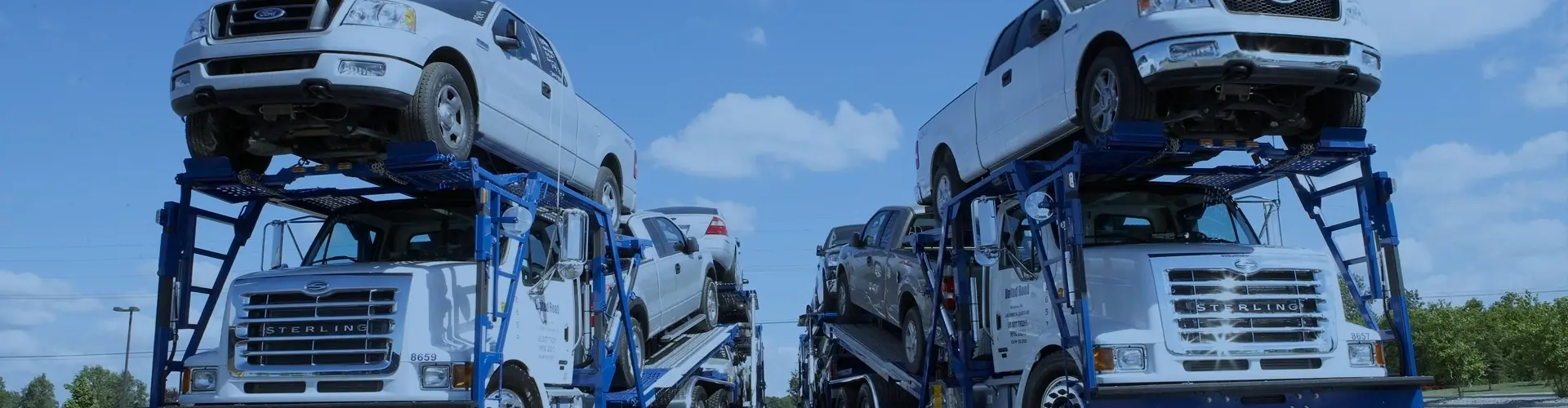
Elk Grove to Washington DC Car Shipping Route
Elk Grove sits roughly 15 miles south of Sacramento, with direct access to SR-99 northbound into Sacramento and I-5 running parallel — both major carrier arteries. From those on-ramps, eastbound carriers typically pick up I-80 through the Sierra Nevada, then transition onto I-76, I-70, and I-270 as they cross the Plains and Mid-Atlantic states into Washington DC. The total driving distance is approximately 2,835 miles. That's a 40-plus hour drive you won't need to take. Shipping instead spares your vehicle that mileage, eliminates fuel and lodging costs, and avoids wear on mountain and desert segments. See why transport beats driving yourself at https://california.auto-transport-shipping.com/articles/benefits-of-auto-transport-service-vs-driving-yourself.html.
Washington DC's demand engine is largely government-driven. Joint Base Anacostia-Bolling handles Air Force and Navy personnel rotations; Fort Myer serves Army leadership; the Pentagon draws thousands of contractors and reassigned officers annually. Georgetown University, American University, George Washington University, and Howard University generate student and faculty relocations each August and January. Major federal agencies — the Department of Defense, State Department, and Department of Justice — regularly relocate employees cross-country. Winter on I-70 through Kansas and Missouri and the I-76 corridor in Pennsylvania can add transit days; ice and snow closures are real factors November through March. Avoid common pitfalls by reading https://california.auto-transport-shipping.com/articles/auto-transport-mistakes-to-avoid.html before booking.
Elk Grove to Washington DC Car Shipping Rates
At 2,835 miles, this is a long-haul route, and fuel costs are the dominant rate variable. Diesel price swings across Nevada, Utah, and the Midwest directly affect carrier pricing on this corridor — see how that works at https://california.auto-transport-shipping.com/articles/how-gas-prices-impact-california-auto-transport-fees.html. Summer adds a demand premium as government relocations and student moves peak. Winter can add a weather surcharge when I-70 through Colorado and Kansas becomes hazardous. Expect open transport rates to range roughly $1,350–$1,900 and enclosed rates to run $2,200–$3,200 depending on season and vehicle size.
What affects the cost of Elk Grove to Washington DC car shipping:
- Vehicle type and size — larger vehicles take more carrier space; aftermarket additions like lift kits, oversized mirrors, or roof accessories can add fees
- Open vs. enclosed transport — open is lower cost with stronger carrier availability; enclosed protects against weather, debris, and road conditions
- Standard vs. expedited pickup — expedited prioritizes your vehicle for the next available dispatch, typically at a $100–$300 premium
- Time of year — peak demand seasons drive rates higher; off-peak windows offer the most competitive pricing
- Fuel costs — diesel prices affect carrier rates; longer routes are more sensitive to fuel price swings
- Vehicle condition — non-running vehicles require special loading equipment and cost more to ship
| Vehicle Type | Open Car Shipping (Est.) | Enclosed Car Shipping (Est.) |
|---|---|---|
| Sedan | $1,100 – $1,600 | $1,900 – $2,700 |
| SUV / Crossover | $1,300 – $1,900 | $2,200 – $3,100 |
| Pickup Truck | $1,300 – $1,950 | $2,200 – $3,150 |
| Minivan | $1,300 – $1,900 | $2,200 – $3,100 |
| Luxury / Classic Car | $1,550 – $2,200 | $2,600 – $3,600 |
| Non-Running Vehicle | Add $200–400 | Add $200–400 |
* Estimated ranges based on recent Elk Grove to Washington DC shipments. Actual rate depends on vehicle, locations, booking date, and current fuel costs. Use the form on this page to compare real quotes from licensed carriers.
Open vs. Enclosed: What Makes Sense on This Corridor
Open transport is the right call for most standard vehicles on this route. Carriers run open loads on I-80 and I-70 constantly, keeping availability high and rates competitive. Enclosed makes sense if you're shipping a luxury vehicle, a classic car, or anything where road debris from the high-desert and Plains stretches is a real concern. The I-70 corridor through Kansas and Missouri sees significant road grit and occasional hail in spring and early summer. If your vehicle's finish or value justifies the premium, enclosed removes that exposure entirely.
How Long Does Elk Grove to Washington DC Car Shipping Take?
Elk Grove to Washington DC typically takes 7 to 11 transit days once a carrier is assigned. The driving time for the route is 40-plus hours, which means a carrier team running legal hours-of-service needs roughly 5 to 7 driving days, plus loading, staging, and final delivery coordination time. Carrier frequency out of the Sacramento corridor is solid — Elk Grove doesn't require significant repositioning, which shortens your wait for assignment. If you're on a tight timeline, expedited options exist; see https://california.auto-transport-shipping.com/articles/california-expedited-car-shipping-fast-cost.html for how that pricing works.
| Service Type | Typical Transit | Pickup Window | Best For |
|---|---|---|---|
| Open — Standard | 7–10 days | 2–5 business days | Best value; most common choice on this route |
| Open — Expedited | 5–7 days | 1–2 business days | Firm arrival date; faster dispatch window |
| Enclosed — Standard | 7–10 days | 4–8 business days | Luxury, classic, or modified vehicles |
| Enclosed — Expedited | 5–7 days | 2–4 business days | High-value vehicles on a firm delivery deadline |
** Winter weather on I-70 through Colorado and Kansas is the most common cause of added transit days on this route. Carriers may hold or reroute at Salina, KS or Denver, CO during ice events. November through February, build in 1 to 3 extra days as a buffer when planning your window.
Elk Grove to Washington DC — Route & Logistics
Carriers pick up in Elk Grove via SR-99 or I-5, then typically connect to I-80 east through Sacramento. From I-80, the route crosses the Sierra Nevada at Donner Pass (elevation 7,239 ft), then transitions east through Nevada, Utah, and into the I-70 corridor across Colorado, Kansas, Missouri, and the Mid-Atlantic states into Washington DC.
Key Corridor Waypoints
- Donner Pass, CA (I-80, elevation 7,239 ft) First significant elevation challenge after leaving Elk Grove. Carriers check tire chains requirements here November through April. Winter closures on I-80 at the pass are not uncommon, and carriers may stage in Truckee or Auburn briefly during active storms before proceeding. This is the highest point on the route and the first real weather chokepoint.
- Salt Lake City, UT (I-80 / I-15 interchange) A major overnight and fuel staging point roughly 750 miles from Sacramento. Many carriers running this corridor swap drivers or reset hours-of-service here. The I-80 / I-15 interchange is a busy freight node, and multi-car carriers often consolidate loads for the eastbound leg. Expect this to be a natural pause in the transit schedule.
- Denver, CO (I-70 / I-25 interchange, elevation 5,280 ft) Denver is where the route transitions from the high-desert West to the Plains. It's also a weather decision point in winter — carriers assess I-70 east through the Eisenhower Tunnel and Vail Pass conditions before proceeding. At elevation, late-season snow can persist into April. Carriers frequently stage overnight in the Denver metro before the Kansas stretch.
- Salina, KS (I-70 midpoint) Salina sits near the geographic midpoint of the I-70 Plains crossing and serves as a common overnight stop for long-haul carriers. Fuel is competitively priced here, and the flat terrain allows carriers to make up time lost in mountain segments. Spring tornado and severe storm watches can occasionally affect scheduling across central Kansas.
- Columbus, OH (I-70 / I-270 junction) Columbus marks the transition into the Mid-Atlantic push. Carriers pick up I-270 south or continue on I-70 toward Wheeling, WV depending on load sequencing. This interchange is a common coordination point for carriers managing multi-stop DC-area deliveries, including northern Virginia and suburban Maryland drops before the final DC delivery.
- Washington DC Metro (I-270 / Beltway I-495) Final approach via I-270 south onto the Capital Beltway. Large multi-car carriers typically stage in suburban Maryland or northern Virginia — areas like Rockville, Silver Spring, or Alexandria — before coordinating the final-mile delivery. Urban DC streets, permit zones, and restricted truck routes mean many deliveries are completed at agreed staging points rather than door-to-door.
Pickup & Delivery Access
- Pickup Access in Elk Grove Elk Grove's suburban street grid is carrier-friendly. Most residential areas are accessible to standard multi-car haulers without requiring special equipment. Carriers operating on SR-99 and I-5 serve this area routinely. If your street has low-clearance power lines or a tight cul-de-sac, plan a nearby meet point on a main arterial — Elk Grove Boulevard, Laguna Boulevard, or a commercial parking area near SR-99 works well.
- Delivery Access in Washington DC Washington DC itself has truck restrictions on many surface streets, permit requirements in certain zones, and dense urban traffic that limits where large car haulers can maneuver. Most carriers will stage in northern Virginia (Alexandria, Arlington) or suburban Maryland (Rockville, Silver Spring) and coordinate a final-mile handoff. Confirm your delivery ZIP early so the carrier can plan the staging point accordingly. Narrow Capitol Hill blocks require smaller vehicles for door delivery.
- Nearby Pickup Locations Carriers picking up in Elk Grove regularly extend service to Sacramento, Laguna, and Galt. Call 1‑800‑590‑6492 to confirm door-to-door availability at your address.
Open vs. Enclosed Car Shipping: Elk Grove to Washington DC
Both options use licensed, insured carriers and deliver door to door. For a full breakdown, read the pros and cons of open vs. enclosed car shipping.
Open Car Shipping
Most Popular- Lower cost — the practical choice for most vehicles
- More carriers available on this corridor
- Faster dispatch from booking to pickup
- Works well for sedans, SUVs, trucks, and minivans
- Vehicle rides on an open multi-car carrier
- Cargo insurance required on all licensed carriers
Estimated cost: $1,100 – $1,950
Enclosed Car Shipping
Premium Protection- Full protection from weather, debris, and road grime
- Best for luxury, exotic, and classic vehicles
- Recommended for low-clearance and custom-built cars
- Wheel-net or soft-tie systems prevent contact damage
- Higher cargo coverage — commonly $500,000 per load
- White-glove handling by experienced operators
Estimated cost: $1,900 – $3,150
Not sure which is right for your vehicle? Call 1-800-590-6492 and we'll point you in the right direction. Also worth reading: the top 10 questions to ask any car shipping company before you commit.
How to Prepare Your Car for Shipping to Washington DC
A little prep before pickup protects you if there's ever a dispute about your vehicle's condition. This checklist is from our full guide on preparing your car for transport:
- Remove all personal belongings from the interior and trunk
- Leave only a quarter tank of fuel — enough to load and unload
- Take date-stamped photos of the full exterior and interior
- Remove or disable toll transponders (FasTrak, E-ZPass, etc.)
- Retract or remove roof racks, spoilers, antennas, and bike mounts
- Make sure the battery is charged and tires are properly inflated
- Tell the carrier about any existing leaks or mechanical issues
- Deactivate the car alarm before the carrier arrives
- Write down the mileage on the Bill of Lading at pickup
- Fold in side mirrors if the vehicle is wider than standard
Personal items: Most carriers won't cover belongings left in the car. Read the full rules on shipping personal items in your vehicle. Also review our Bill of Lading guide so you know exactly what to check at pickup and delivery.
When to Ship Your Car from Elk Grove to Washington DC
This route has a clear demand cycle. Summer — June through August — is peak season driven by federal government relocations, military PCS orders, and university moves into the DC area. Rates and carrier lead times rise accordingly. Winter introduces weather risk on I-70 through Colorado and Kansas, which can extend transit and add surcharges. For a full picture of winter transport risks on long-haul routes, see https://california.auto-transport-shipping.com/articles/auto-transport-challenges-during-the-winter.html. Spring and fall offer the best balance of availability and pricing.

Spring (March–May)
Demand begins climbing in March as military PCS orders issue for summer rotation dates. Booking 3 to 4 weeks out is advisable by April. I-70 through Kansas can see severe thunderstorms and occasional tornado watches in April and May, which may affect scheduling. Rates are moderate early in the season and start rising toward late May as summer demand accelerates. Spring is one of the better windows to lock in pricing before peak hits.
Summer Peak (June–August)
The heaviest demand period on this corridor. Military PCS orders execute June through August, government employees relocate, and students arrive at Georgetown, GWU, Howard, and American University. Carrier capacity tightens and rates reach seasonal highs. Book 3 to 5 weeks in advance during this window. If you're moving on federal relocation orders, confirm reimbursement documentation before booking to avoid scrambling at the last minute.
Fall (September–November)
Demand eases after Labor Day, and rates drop noticeably through September and October. This is one of the best pricing windows on the Elk Grove–DC corridor. Carrier availability improves and transit times stabilize. By November, weather risk on I-70 starts building through Colorado and Kansas. If your move is flexible, aim for September or early October to get the strongest combination of pricing and weather conditions.
Winter (December–February)
Winter is the slowest demand season but the highest-risk for transit delays. I-70 through Colorado, particularly the Eisenhower Tunnel and Vail Pass area, sees regular closures and chain requirements. Kansas and Missouri ice events are common in January and February. Carriers may add weather surcharges or hold loads during active storm systems. Budget extra transit days and review winter shipping considerations at https://california.auto-transport-shipping.com/articles/auto-transport-challenges-during-the-winter.html before scheduling.
University Move-In (July–August)
Georgetown University, George Washington University, Howard University, and American University all begin fall orientation late July through late August. Student vehicle shipments from California to DC spike during this window, particularly from the Sacramento and Bay Area markets. If you're shipping a student's vehicle, book at least 4 weeks ahead. Delivery coordination matters here — campus-area DC streets are congested during move-in week and carriers will stage nearby.
Military PCS Season (April–July)
Joint Base Anacostia-Bolling, Fort Myer, and Pentagon-assigned personnel receive PCS orders largely in the April-through-July window for summer execution. This is a significant driver of eastbound California-to-DC vehicle shipments. If you're PCS-ing to the DC area, confirm your reporting date and book transport early — military move season competes directly with general summer demand, and carrier slots fill faster than most people expect.
How to Choose a Elk Grove to Washington DC Car Shipping Company
Getting multiple quotes is step one — knowing what to look for in those quotes matters just as much. Our guide on how to select a car shipping company covers the full process. Here are the six things that matter most:
FMCSA Registration
Every carrier or broker must hold a valid MC number. Verify any company at FMCSA SAFER before you book.
Proof of Insurance
Ask for a current certificate of insurance. Open carriers typically carry $100,000–$250,000 per load; enclosed commonly $500,000 or more. Learn what auto transport insurance covers.
All-In Pricing
Your quote should be a final number with no fees added after booking. Know the difference between brokers and carriers and confirm what the quote covers before you agree.
Bill of Lading
A complete Bill of Lading is filled out at pickup and delivery. Our Bill of Lading guide explains what to check. Never sign an incomplete one.
Real Reviews
Check Google and the BBB. Look at how they handled complaints and damage claims — that tells you more than a five-star average from happy customers.
Route Experience
A carrier who regularly runs the California-to-DC lane knows things a one-off driver doesn't. They know I-80 at Donner Pass can close with two hours' notice in December, and that staging in Truckee is preferable to getting caught in a chain control delay. They know Denver is a weather decision point in winter and that holding overnight in Aurora beats getting trapped on I-70 in Glenwood Canyon. They know Salina, KS fuel pricing and which truck stops on I-70 through Missouri turn efficiently. And they know DC delivery means staging in Rockville or Alexandria first — not trying to navigate a 75-foot rig down Pennsylvania Avenue. That route-specific knowledge is what keeps your vehicle moving efficiently and arriving without surprises.
Elk Grove to Washington DC Car Shipping — FAQ
How much does it cost to ship a car from Elk Grove to Washington DC?
On this 2,835-mile corridor, open transport typically runs between $1,350 and $1,900 for a standard sedan or SUV. Enclosed transport ranges from $2,200 to $3,200 depending on vehicle size and season. Summer — June through August — is peak season for DC-bound shipments, driven by military PCS orders and university move-ins, so rates are at their highest then. Fall and early spring offer better pricing with good carrier availability. Fuel surcharges based on diesel prices along I-80 and I-70 can also shift your final rate. Get a firm quote through the form for current pricing on your specific vehicle and dates.
How long does Elk Grove to Washington DC car shipping take?
Transit time on this route is typically 7 to 11 days from carrier pickup to delivery in the DC metro area. The driving distance is approximately 2,835 miles — about 40-plus hours of actual driving — which means a carrier running legal hours-of-service needs 5 to 7 days of driving time, plus loading, staging, and delivery coordination. Elk Grove's access to SR-99 and I-5 makes carrier assignment relatively efficient; you're not in a remote area. Winter weather on I-70 through Colorado and Kansas is the most common reason transit runs toward the longer end of that range. If you need faster delivery, expedited options are available — see https://california.auto-transport-shipping.com/articles/california-expedited-car-shipping-fast-cost.html.
Is my car insured during transport from Elk Grove to Washington DC?
Yes. Every licensed carrier is federally required to carry cargo insurance covering your vehicle during transport. That coverage is active from the moment the carrier loads your vehicle in Elk Grove through delivery in the DC metro area. Before pickup, you should document your vehicle's existing condition with timestamped photos — this protects you if a claim ever becomes necessary. At delivery, review the Bill of Lading carefully before signing and note any new damage immediately. For a full explanation of how transport insurance works, see https://california.auto-transport-shipping.com/articles/understanding-auto-transport-insurance.html. If you ever need to file a claim, the process is outlined at https://california.auto-transport-shipping.com/articles/how-to-file-a-claim-for-vehicle-damage-during-transport.html.
Should I choose open or enclosed transport for this route?
Open transport is the practical choice for most standard vehicles on this corridor. Carriers run open loads on I-80 and I-70 regularly, so availability is good and rates are lower. That said, this route does expose vehicles to road debris on the desert and Plains segments, and spring hail is a real risk on I-70 through Kansas. If you're shipping a luxury vehicle, a classic car, or anything where paint condition matters, enclosed transport removes that exposure entirely. For a detailed comparison of both options, see https://california.auto-transport-shipping.com/articles/open-vs-enclosed-auto-transport-pros-and-cons.html. Your vehicle's value and your risk tolerance are the deciding factors.
Do I have to be present at pickup and delivery?
You don't have to be there personally, but someone you authorize needs to be present at both ends. At pickup, that person signs the Bill of Lading, which documents your vehicle's pre-transport condition. At delivery, they inspect the vehicle and sign off confirming receipt and condition. This document is your legal record if any damage claim arises, so don't skip the inspection — even if everything looks fine. Make sure whoever is present on your behalf is someone you trust to be thorough. Learn more about the Bill of Lading process at https://california.auto-transport-shipping.com/articles/california-auto-transport-bill-of-lading-information.html.
Does winter weather cause problems on the Elk Grove to Washington DC route?
Yes, and it's the most predictable risk on this corridor. I-80 at Donner Pass can close for chain control or complete closure with short notice from November through April. Further east, I-70 through Colorado's Eisenhower Tunnel and Vail Pass sees regular closures and slowdowns. Kansas and Missouri can add ice events in January and February. In practice, winter transits on this route should be planned with an extra 2 to 3 days of buffer. Carriers may hold loads during active storm systems rather than risk the mountain segments. If your move is time-sensitive and falls in the December–February window, discuss timing expectations explicitly with your broker before booking.
I'm PCS-ing to the DC area. What should I know about shipping my car from Elk Grove?
Military PCS moves to Joint Base Anacostia-Bolling, Fort Myer, and Pentagon-assigned billets are a significant portion of the westbound and eastbound traffic on this lane. If you're PCS-ing, book transport as early as your orders allow — the April-through-July window is when carrier capacity tightens most. Confirm your reporting date and build in a delivery window that accounts for the 7-to-11-day transit and any potential weather delay on I-70. Your orders may qualify for travel reimbursement; make sure your documentation is in order before booking. If the base area has restricted truck access, coordinate a staging point in Alexandria or the Maryland suburbs for final delivery.
Can carriers reach my address in Elk Grove directly, or do I need to meet them somewhere?
Most addresses in Elk Grove are accessible to standard multi-car haulers. The city's suburban street layout — wide arterials and newer residential development — doesn't present the access problems you'd see in older urban areas. Carriers operating on SR-99 and I-5 serve the Elk Grove area regularly, so your pickup isn't a detour for them. If your specific street has a tight turn radius, low-hanging power lines, or a cul-de-sac that limits maneuverability, the simplest fix is to arrange a meet point on a nearby commercial street or parking lot — Elk Grove Boulevard and Laguna Boulevard both work well for this.
Ready to Ship Your Car from Elk Grove to Washington DC?
One form gets you up to 10 free quotes from licensed, insured carriers. Compare costs and transit times and book the best deal for your schedule.