
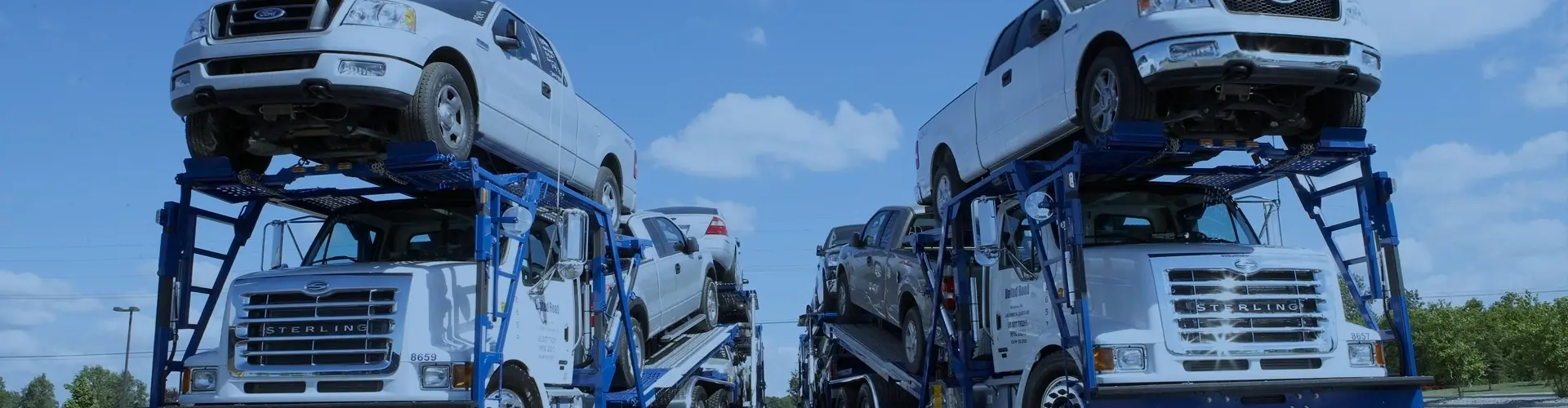
Anaheim to Milwaukee Car Shipping Route
Anaheim to Milwaukee covers approximately 2,084 miles of driving distance. Carriers depart Anaheim via SR-91 east or I-5 north to connect with I-15 north through the Cajon Pass, then transition to I-40 east or I-70 east depending on load routing and seasonal conditions. The route crosses the Mojave Desert, climbs through the Rockies, and descends into the Great Plains before reaching the upper Midwest. Driving this yourself would mean three to four days behind the wheel, fuel costs, lodging, and wear on the vehicle. Shipping instead keeps your mileage clean and your schedule open. Review the full comparison at https://california.auto-transport-shipping.com/articles/benefits-of-auto-transport-service-vs-driving-yourself.html before deciding.
Milwaukee's inbound demand is anchored by several large institutions. Marquette University and UW-Milwaukee generate student vehicle moves each August and January. Froedtert Health and the Medical College of Wisconsin bring in medical residents and staff relocating from across the country. Harley-Davidson's headquarters and manufacturing presence in the metro area creates ongoing corporate relocation traffic. Fort McCoy, located roughly 200 miles northwest in Sparta, Wisconsin, drives military PCS moves that often stage through Milwaukee. On the weather side, Wisconsin winters are severe — lake-effect snow from Lake Michigan can impact delivery windows between November and March. Understand what that means for scheduling before you book: https://california.auto-transport-shipping.com/articles/auto-transport-mistakes-to-avoid.html
Anaheim to Milwaukee Car Shipping Rates

At 2,084 miles, this route falls in the long-haul tier where per-mile rates decrease but base costs still run higher than mid-range corridors. Rates are sensitive to diesel prices because the run crosses multiple fuel-cost regions from California through the Rockies into the Midwest. Demand peaks in late summer with university and PCS moves, and again in spring as Wisconsin residents retrieve vehicles stored in warmer climates. Review how fuel pricing affects your quote at https://california.auto-transport-shipping.com/articles/how-gas-prices-impact-california-auto-transport-fees.html before locking in a rate.
What affects the cost of Anaheim to Milwaukee car shipping:
- Vehicle type and size — larger vehicles take more carrier space; aftermarket additions like lift kits, oversized mirrors, or roof accessories can add fees
- Open vs. enclosed transport — open is lower cost with stronger carrier availability; enclosed protects against weather, debris, and road conditions
- Standard vs. expedited pickup — expedited prioritizes your vehicle for the next available dispatch, typically at a $100–$300 premium
- Time of year — peak demand seasons drive rates higher; off-peak windows offer the most competitive pricing
- Fuel costs — diesel prices affect carrier rates; longer routes are more sensitive to fuel price swings
- Vehicle condition — non-running vehicles require special loading equipment and cost more to ship
| Vehicle Type | Open Car Shipping (Est.) | Enclosed Car Shipping (Est.) |
|---|---|---|
| Sedan | $1,100 – $1,600 | $1,900 – $2,700 |
| SUV / Crossover | $1,300 – $1,900 | $2,200 – $3,100 |
| Pickup Truck | $1,300 – $1,950 | $2,200 – $3,150 |
| Minivan | $1,300 – $1,900 | $2,200 – $3,100 |
| Luxury / Classic Car | $1,550 – $2,200 | $2,600 – $3,600 |
| Non-Running Vehicle | Add $200–400 | Add $200–400 |
* Estimated ranges based on recent Anaheim to Milwaukee shipments. Actual rate depends on vehicle, locations, booking date, and current fuel costs. Use the form on this page to compare real quotes from licensed carriers.
Open vs. Enclosed: What Makes Sense on This Corridor
Open transport is the right call for most standard vehicles on this route. The majority of carriers running Anaheim to Milwaukee use open 8- or 10-car haulers, which keeps rates lower and capacity easier to find. Enclosed becomes worth the 30-50% premium if you're moving a classic, exotic, or low-clearance vehicle — the route passes through areas with significant road salt residue in winter and potential grit through the Nevada and Utah deserts. If your vehicle is a daily driver in good condition, open is fine. If it's a collector car or has significant value tied to cosmetic condition, book enclosed.
How Long Does Anaheim to Milwaukee Car Shipping Take?
Standard transit on this lane runs 7 to 10 days from pickup to delivery. Carriers typically drive 500 to 600 miles per day on long-haul runs, and the 2,084-mile distance means roughly four driving days at the wheel — but carriers are not running point-to-point. They're managing multi-vehicle loads, coordinating other pickups and deliveries along the route, and complying with federal hours-of-service limits. Anaheim's position in the high-volume Southern California market helps with dispatch speed; carriers fill here quickly. If your timeline is tight, expedited options exist: https://california.auto-transport-shipping.com/articles/california-expedited-car-shipping-fast-cost.html
| Service Type | Typical Transit | Pickup Window | Best For |
|---|---|---|---|
| Open — Standard | 7–10 days | 2–5 business days | Best value; most common choice on this route |
| Open — Expedited | 5–7 days | 1–2 business days | Firm arrival date; faster dispatch window |
| Enclosed — Standard | 7–10 days | 4–8 business days | Luxury, classic, or modified vehicles |
| Enclosed — Expedited | 5–7 days | 2–4 business days | High-value vehicles on a firm delivery deadline |
** Winter weather between November and March is the most common cause of delays on this corridor. I-70 through Colorado and I-80 through Wyoming can close or slow significantly during snowstorms. Milwaukee itself can receive lake-effect snow that complicates final delivery. Build in a two-day buffer if shipping between December and February.
Anaheim to Milwaukee — Route & Logistics
Carriers leaving Anaheim access the interstate system via SR-91 east to I-15 north, or I-5 north to the I-15 interchange near Ontario. From I-15, the primary routing follows I-15 north to I-70 east through Utah and Colorado, continuing east through Kansas City and into the upper Midwest via I-55 or I-94 north to Milwaukee. Total interstate distance is approximately 2,084 miles.
Key Corridor Waypoints
- Cajon Pass, CA Carriers climbing out of the LA Basin hit Cajon Pass at approximately 4,260 feet on I-15 north. This is a frequent inspection and brake-check point for heavy truck loads. In winter, chain controls can slow movement through the pass. Most carriers plan this segment early morning to avoid afternoon heat stress on loaded trailers and to clear any freight inspection stations before the desert stretch begins.
- Las Vegas, NV Las Vegas sits roughly 270 miles from Anaheim and serves as the first logical overnight or driver swap point on this corridor. The I-15 interchange at Las Vegas is well-served with large truck stops, fuel, and staging areas. Carriers sometimes pick up or drop off additional vehicles in the metro area here, which can adjust your load's configuration slightly before continuing northeast toward Utah.
- Salt Lake City, UT At approximately 620 miles from Anaheim, Salt Lake City is where most carriers on this lane transition from I-15 to I-70 east or continue north to I-80 east depending on final routing. The I-15/I-80 interchange is a major decision point. Winter conditions in the Wasatch Range require attention; the elevation through this stretch reaches over 7,000 feet and weather-related slowdowns are common between November and April.
- Denver, CO Denver marks the approximate midpoint of the run at just under 1,100 miles from Anaheim. Carriers using I-70 descend from the Rockies through the Eisenhower Tunnel at 11,013 feet before reaching the Denver metro. This is the most elevation-intensive segment of the entire route. Most carriers running Milwaukee loads will stage overnight in or near Denver, refuel, and inspect the load before continuing east on I-70 through Kansas.
- Kansas City, MO Kansas City sits at roughly 1,600 miles from Anaheim and is a major carrier hub where loads bound for Milwaukee often consolidate or swap drivers. The I-70/I-35 interchange here is one of the busiest freight junctions in the country. Carriers may pick up a Midwest-destined vehicle here, adjusting the load before continuing northeast on I-35 north toward Des Moines or cutting across I-90 east toward Milwaukee.
- Milwaukee, WI Milwaukee delivery typically comes via I-94 east from the Illinois state line. The I-94/I-43 interchange serves as the main arterial entry into the city. Downtown Milwaukee and the Historic Third Ward have narrower streets that can restrict large carrier access; most final deliveries in dense neighborhoods use staging areas near Miller Park or the airport corridor off I-894 as neutral meet points before last-mile handoff.
Pickup & Delivery Access
- Pickup Access in Anaheim Anaheim's grid-based street layout gives carriers clean access to most residential neighborhoods. Larger carrier rigs can typically navigate surface streets near the Anaheim Hills area and flatlands west of SR-57. The I-5/SR-91 interchange zone near the Anaheim Regional Transportation Intermodal Center offers large commercial parking areas suitable as neutral meet points if your street is tight or permit-restricted.
- Delivery Access in Milwaukee Milwaukee's older neighborhoods — Bay View, Riverwest, and parts of the East Side — have narrower streets and tight parking that can limit full-size carrier access. Staging near I-94 at the airport corridor or the Miller Park lot complex off I-894 works well for final handoff. The suburbs of Wauwatosa, Brookfield, and Greenfield are generally carrier-accessible without staging. Confirm your exact delivery address with the carrier on dispatch confirmation.
- Nearby Pickup Locations Carriers picking up in Anaheim regularly extend service to Fullerton, Orange, Garden Grove, and Yorba Linda. Call 1‑800‑590‑6492 to confirm door-to-door availability at your address.
Open vs. Enclosed Car Shipping: Anaheim to Milwaukee
Both options use licensed, insured carriers and deliver door to door. For a full breakdown, read the pros and cons of open vs. enclosed car shipping.
Open Car Shipping
Most Popular- Lower cost — the practical choice for most vehicles
- More carriers available on this corridor
- Faster dispatch from booking to pickup
- Works well for sedans, SUVs, trucks, and minivans
- Vehicle rides on an open multi-car carrier
- Cargo insurance required on all licensed carriers
Estimated cost: $1,100 – $1,950
Enclosed Car Shipping
Premium Protection- Full protection from weather, debris, and road grime
- Best for luxury, exotic, and classic vehicles
- Recommended for low-clearance and custom-built cars
- Wheel-net or soft-tie systems prevent contact damage
- Higher cargo coverage — commonly $500,000 per load
- White-glove handling by experienced operators
Estimated cost: $1,900 – $3,150
Not sure which is right for your vehicle? Call 1-800-590-6492 and we'll point you in the right direction. Also worth reading: the top 10 questions to ask any car shipping company before you commit.
How to Prepare Your Car for Shipping to Milwaukee
A little prep before pickup protects you if there's ever a dispute about your vehicle's condition. This checklist is from our full guide on preparing your car for transport:
- Remove all personal belongings from the interior and trunk
- Leave only a quarter tank of fuel — enough to load and unload
- Take date-stamped photos of the full exterior and interior
- Remove or disable toll transponders (FasTrak, E-ZPass, etc.)
- Retract or remove roof racks, spoilers, antennas, and bike mounts
- Make sure the battery is charged and tires are properly inflated
- Tell the carrier about any existing leaks or mechanical issues
- Deactivate the car alarm before the carrier arrives
- Write down the mileage on the Bill of Lading at pickup
- Fold in side mirrors if the vehicle is wider than standard
Personal items: Most carriers won't cover belongings left in the car. Read the full rules on shipping personal items in your vehicle. Also review our Bill of Lading guide so you know exactly what to check at pickup and delivery.
When to Ship Your Car from Anaheim to Milwaukee
This route has two distinct demand surges: late summer university and PCS moves, and spring snowbird vehicle returns from warmer climates. Winter months bring lower demand but higher operational risk due to Rocky Mountain and Great Lakes weather. Pricing is most competitive in October through November and again in February when carrier volume dips. Summer and early September command premium rates. For winter-specific logistics, review https://california.auto-transport-shipping.com/articles/auto-transport-challenges-during-the-winter.html before booking a January or February move.

Back-to-School Season (July–September)
The highest-demand window on this corridor. Students moving between Southern California schools — Cal State Fullerton, UC Irvine — and Milwaukee destinations like Marquette University and UW-Milwaukee drive a volume spike that tightens carrier availability and pushes rates up 10 to 20 percent. Book at least three weeks in advance if you're targeting an August or early September pickup. Waiting until the last week of August makes finding competitive capacity significantly harder.
Winter Weather Window (November–March)
Wisconsin winters are severe, and the Rocky Mountain segment of this route adds additional risk. Lake-effect snow off Lake Michigan can disrupt Milwaukee delivery windows even after the vehicle clears the mountains without incident. Expect transit time estimates to run toward the longer end of the 7-to-10-day range. Request an enclosed carrier if your vehicle has cosmetic value, as road salt from pre-treated Wisconsin highways can reach open-loaded vehicles at delivery.
Spring Return Season (March–May)
Wisconsin residents who parked vehicles in California or Arizona during winter begin moving them back as temperatures improve in March and April. This creates a solid inbound demand spike into Milwaukee that carriers anticipate and plan for. Rates during this window are moderate — better than summer peaks but above the winter lows. If you have flexibility, the second half of March and early April often represent a reliable combination of fair pricing and stable weather.
Summer Corporate Relocation Season (June–August)
Major Milwaukee employers — Harley-Davidson, Johnson Controls, Rockwell Automation, and the Froedtert/Medical College of Wisconsin complex — run their heaviest relocation activity between June and August. This overlaps with student moves to create the corridor's peak demand period. Corporate relocation bookings often come with tight timelines. If you're moving on a company-directed relocation, book the vehicle transport as soon as your start date is confirmed to avoid paying expedited rates.
Military PCS Window (May–August)
Fort McCoy in Sparta, Wisconsin is the closest major military installation to Milwaukee and generates PCS move volume that routes through the city. Military families moving from Southern California bases — Camp Pendleton, MCAS Miramar, or Naval Base San Diego — frequently use Anaheim or nearby Orange County as a staging origin. PCS shipments often qualify for government-rate programs. Confirm whether your orders include vehicle transport entitlement before booking through a commercial broker at standard rates.
Fall Off-Peak Window (October–November)
October and early November represent the best pricing window on this corridor before winter weather risk enters the equation. University moves are complete, summer PCS activity has wound down, and snowbird departures haven't yet created demand pressure. Carriers are looking to fill loads heading both directions, which gives you leverage on rate negotiation. If you're flexible on a day or two for pickup, this window consistently produces the most competitive quotes.
How to Choose a Anaheim to Milwaukee Car Shipping Company
Getting multiple quotes is step one — knowing what to look for in those quotes matters just as much. Our guide on how to select a car shipping company covers the full process. Here are the six things that matter most:
FMCSA Registration
Every carrier or broker must hold a valid MC number. Verify any company at FMCSA SAFER before you book.
Proof of Insurance
Ask for a current certificate of insurance. Open carriers typically carry $100,000–$250,000 per load; enclosed commonly $500,000 or more. Learn what auto transport insurance covers.
All-In Pricing
Your quote should be a final number with no fees added after booking. Know the difference between brokers and carriers and confirm what the quote covers before you agree.
Bill of Lading
A complete Bill of Lading is filled out at pickup and delivery. Our Bill of Lading guide explains what to check. Never sign an incomplete one.
Real Reviews
Check Google and the BBB. Look at how they handled complaints and damage claims — that tells you more than a five-star average from happy customers.
Route Experience
A carrier who runs the Anaheim-to-Milwaukee lane regularly knows that the Cajon Pass segment is best handled before 9 a.m. to avoid both the inspection backup and afternoon heat load on the trailer. They know that Las Vegas is the logical first fuel and driver log stop, not a delivery complication. They know that I-70 through Colorado requires a weather check the morning before ascending — not after loading in Anaheim. They stage in Denver knowing that the Kansas City stretch is straight and fast. On the Milwaukee end, they know Bay View needs a phone call ahead to confirm street access and that Miller Park is the default staging lot when the delivery block is tight. Generic long-haul experience doesn't give you that. A carrier who knows this lane delivers faster and with fewer surprises.
Anaheim to Milwaukee Car Shipping — FAQ
How much does it cost to ship a car from Anaheim to Milwaukee?
Most standard sedan or small SUV shipments on this corridor run between $1,050 and $1,450 for open transport, depending on vehicle size, current fuel prices, and seasonal demand. Enclosed transport typically adds 30 to 50 percent to that range. Rates are highest in July through September due to student and corporate relocation volume, and lowest in October through November before winter weather risk increases operational costs. Oversized vehicles — trucks, large SUVs, or non-running cars — carry surcharges. Get a quote with your specific vehicle details to see a current rate for your pickup window.
How long does Anaheim to Milwaukee car shipping take?
Standard transit runs 7 to 10 days from pickup to delivery on this 2,084-mile route. Dispatch — the time between booking and a carrier picking up your vehicle — typically runs 1 to 5 business days depending on how competitive your rate is and current carrier availability in Southern California. Total time from booking to delivery is usually 9 to 15 days under normal conditions. Winter months, particularly December through February, can push transit toward the longer end due to mountain pass closures and Great Lakes weather. If you need faster movement, expedited options are available: https://california.auto-transport-shipping.com/articles/california-expedited-car-shipping-fast-cost.html
Is my car insured during transport from Anaheim to Milwaukee?
Yes. Every licensed carrier is required by federal law to carry cargo insurance that covers your vehicle while it's on their truck. Coverage limits vary by carrier — most policies run between $100,000 and $250,000 per load. Before your vehicle is loaded, you and the driver complete a Bill of Lading documenting existing condition. At delivery, you inspect the vehicle against that document before signing. Any new damage is noted and forms the basis of a claim. Your personal auto policy may offer supplemental coverage as well. Read the full breakdown at https://california.auto-transport-shipping.com/articles/understanding-auto-transport-insurance.html and understand the claims process at https://california.auto-transport-shipping.com/articles/how-to-file-a-claim-for-vehicle-damage-during-transport.html before your shipment moves.
Should I choose open or enclosed transport for this route?
Open transport is appropriate for most standard vehicles on the Anaheim-to-Milwaukee corridor. The route does cross some exposure points — desert grit through Nevada and Utah, potential road salt residue in Wisconsin during winter, and Rocky Mountain weather variability — but these are normal open-transport conditions that most everyday vehicles handle without issue. Enclosed makes sense if you're moving a classic car, exotic, low-clearance performance vehicle, or anything where cosmetic condition is directly tied to value. The 30 to 50 percent cost premium for enclosed is justified by the protection those vehicles need. For a detailed comparison of both options, see https://california.auto-transport-shipping.com/articles/open-vs-enclosed-auto-transport-pros-and-cons.html
Do I have to be present at pickup and delivery?
You don't have to be physically present, but an authorized adult must be available at both ends to inspect the vehicle and sign the Bill of Lading. At pickup, that person confirms the vehicle's pre-transport condition is accurately documented. At delivery, they compare the vehicle against that same document before signing. If damage occurred in transit and you sign the delivery receipt without noting it, the claim becomes significantly harder to pursue. You can designate a trusted adult — family member, neighbor, or colleague — to handle either end on your behalf. Review what the Bill of Lading covers at https://california.auto-transport-shipping.com/articles/california-auto-transport-bill-of-lading-information.html
How does winter weather affect shipping from Anaheim to Milwaukee?
Winter is the most operationally complex window on this corridor. I-70 through Colorado crosses the Eisenhower Tunnel at over 11,000 feet and can close or slow significantly during snowstorms between November and March. I-80 through Wyoming, an alternate routing, is similarly exposed. On the Milwaukee end, lake-effect snow off Lake Michigan can create delivery delays even after the vehicle clears mountain routes without incident. Carriers build buffer time into winter estimates, so expect 8 to 11 days rather than 7 to 9. Plan your booking with extra lead time and avoid scheduling delivery on a tight deadline during these months.
I'm a military member PCSing from Southern California to the Fort McCoy area — does that affect how I should book?
Fort McCoy in Sparta, Wisconsin is approximately two hours northwest of Milwaukee, and most carriers on this lane deliver to the greater Milwaukee metro rather than continuing to Sparta directly. You have two options: arrange delivery to a Milwaukee-area staging point and coordinate your own final transport to the base, or book a carrier willing to extend the route to Sparta for an additional fee. If your PCS orders include vehicle transport entitlement, verify the government rate authorization before booking commercially — in some cases, your branch covers transport costs directly and booking through a third-party broker without confirming that first means paying out of pocket unnecessarily.
Are there any neighborhoods in Milwaukee where large carrier trucks can't deliver directly?
Yes. Milwaukee's older residential neighborhoods — Bay View, Riverwest, the East Side near UW-Milwaukee, and parts of the Historic Third Ward — have narrower streets, parked cars reducing lane width, and in some cases permit-only zones that make it difficult or impossible for a full-size 10-car hauler to complete a door-to-door delivery. In these cases, your driver will contact you to arrange a meet point at a nearby location with commercial parking — typically along the I-94 corridor, near Mitchell International Airport, or at large-lot retail areas in Wauwatosa or West Allis. This is standard practice, not a service failure, and adds no cost to your shipment.
Ready to Ship Your Car from Anaheim to Milwaukee?
One form gets you up to 10 free quotes from licensed, insured carriers. Compare costs and transit times and book the best deal for your schedule.