
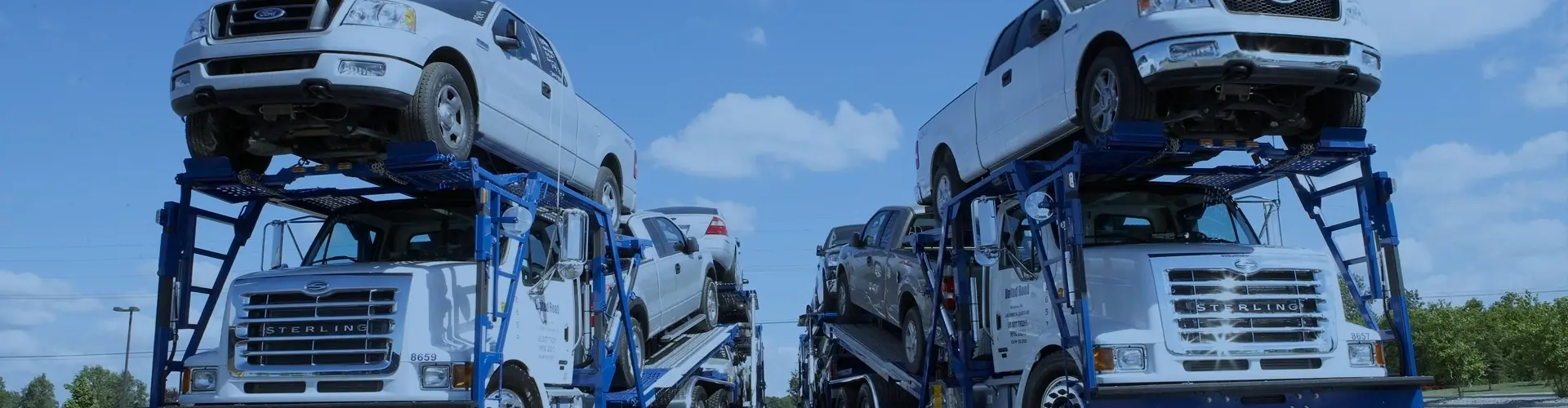
Anaheim to Long Beach Car Shipping Route
Anaheim to Long Beach covers approximately 26 miles, primarily via I-405 south or SR-91 west connecting to I-710 south. Carriers picking up in Anaheim typically access SR-91 from the I-5/SR-91 interchange near the Disneyland Resort area or from SR-57 southbound into the SR-91 corridor. From there, the route transitions through Cerritos, Lakewood, and into Long Beach along I-710 or I-405. The terrain is flat and entirely urban, with no mountain passes or grade restrictions. For context on why transport beats driving on even short in-state moves, review https://california.auto-transport-shipping.com/articles/benefits-of-auto-transport-service-vs-driving-yourself.html before you decide.
Long Beach demand is anchored by several specific institutions. Naval Weapons Station Seal Beach sits just northwest of the city and generates consistent PCS move traffic. California State University Long Beach enrolls over 37,000 students and creates August and January demand spikes. Boeing's Long Beach operations and the Port of Long Beach — handling roughly 9 million TEUs annually — draw a large transient workforce requiring vehicle transport. Weather on this corridor is mild year-round; marine layer fog in June and July can slow carrier operations slightly but rarely causes delays beyond a few hours. Before you book, review common booking errors at https://california.auto-transport-shipping.com/articles/auto-transport-mistakes-to-avoid.html.
Anaheim to Long Beach Car Shipping Rates
At 26 miles, this route falls into the short-haul tier, which means per-mile rates are higher than long-distance shipments — typically $2.00 to $4.50 per mile depending on vehicle type, trailer availability, and timing. Fuel costs on this corridor track closely with Southern California retail diesel prices. For a detailed breakdown of how fuel pricing feeds into your quote, see https://california.auto-transport-shipping.com/articles/how-gas-prices-impact-california-auto-transport-fees.html. Summer and January see modest rate increases tied to student and military move cycles.
What affects the cost of Anaheim to Long Beach car shipping:
- Vehicle type and size — larger vehicles take more carrier space; aftermarket additions like lift kits, oversized mirrors, or roof accessories can add fees
- Open vs. enclosed transport — open is lower cost with stronger carrier availability; enclosed protects against weather, debris, and road conditions
- Standard vs. expedited pickup — expedited prioritizes your vehicle for the next available dispatch, typically at a $100–$300 premium
- Time of year — peak demand seasons drive rates higher; off-peak windows offer the most competitive pricing
- Fuel costs — diesel prices affect carrier rates; longer routes are more sensitive to fuel price swings
- Vehicle condition — non-running vehicles require special loading equipment and cost more to ship
| Vehicle Type | Open Car Shipping (Est.) | Enclosed Car Shipping (Est.) |
|---|---|---|
| Sedan | $350 – $500 | $700 – $950 |
| SUV / Crossover | $400 – $600 | $800 – $1,100 |
| Pickup Truck | $400 – $600 | $800 – $1,100 |
| Minivan | $400 – $600 | $800 – $1,100 |
| Luxury / Classic Car | $500 – $700 | $950 – $1,300 |
| Non-Running Vehicle | Add $100–200 | Add $100–200 |
* Estimated ranges based on recent Anaheim to Long Beach shipments. Actual rate depends on vehicle, locations, booking date, and current fuel costs. Use the form on this page to compare real quotes from licensed carriers.
Open vs. Enclosed on This Short Urban Corridor
Open transport is the practical default for this route. The 26-mile run is entirely urban freeway — no mountain exposure, no salt air from extended coastal driving, and no weather risk that warrants the enclosed premium. Open carriers serve this corridor daily and keep rates competitive. Enclosed makes sense if you're moving a high-value collector car, a low-clearance exotic, or a vehicle you've just purchased and want zero road debris exposure during the pickup-to-delivery window. For most daily drivers and standard vehicles, open is the right call here.
How Long Does Anaheim to Long Beach Car Shipping Take?
Most Anaheim to Long Beach shipments complete within one to two days from confirmed pickup. Driving time is under 45 minutes in off-peak conditions, but carrier scheduling — not road time — controls transit. Carriers consolidate loads, and a truck already running the I-405 or SR-91 corridor may slot your vehicle the same day. Next-day delivery is the realistic standard. If your timeline is urgent, expedited single-vehicle transport is available at a premium. Details on that option are at https://california.auto-transport-shipping.com/articles/california-expedited-car-shipping-fast-cost.html.
| Service Type | Typical Transit | Pickup Window | Best For |
|---|---|---|---|
| Open — Standard | 1–2 days | 1–3 business days | Best value; most common choice on this route |
| Open — Expedited | Same–1 day | Next day–1 business day | Firm arrival date; faster dispatch window |
| Enclosed — Standard | 2–3 days | 2–5 business days | Luxury, classic, or modified vehicles |
| Enclosed — Expedited | 1–2 days | 1–2 business days | High-value vehicles on a firm delivery deadline |
** June through August marine layer fog along the I-405 and I-710 approach into Long Beach can reduce carrier operating windows in early morning hours. Heavy port-area truck traffic on I-710 during weekday peak periods can also add time to final delivery. Neither factor typically adds more than a few hours.
Anaheim to Long Beach — Route & Logistics
Carriers serving this route operate primarily on SR-91 west to I-405 south, or SR-91 to I-710 south into Long Beach. From Anaheim, SR-57 south connects to SR-91 west as an alternate approach. The full run is 26 miles of flat, urban interstate with no weight or height restrictions that affect standard auto transport equipment.
Key Corridor Waypoints
- Anaheim, CA — Origin Staging Pickup typically occurs in residential areas near Ball Road, Lincoln Avenue, or the broader grid east of I-5. The large parking areas around the I-5/SR-91 interchange serve as practical neutral meet points for customers without driveway access. Carriers loading here have direct on-ramp access to SR-91 westbound within minutes of pickup.
- Buena Park, CA — SR-91 / I-5 Junction The SR-91 and I-5 interchange in Buena Park is a key routing decision point. Carriers continue west on SR-91 toward Cerritos or drop south on I-5 toward I-605 depending on load sequencing. This interchange sees heavy freight traffic and is a known congestion point during weekday AM and PM peaks — experienced carriers time through it accordingly.
- Cerritos, CA — SR-91 / I-605 / I-405 Convergence The convergence of SR-91, I-605, and I-405 near Cerritos is the corridor's most complex interchange cluster. Carriers heading to Long Beach typically transition to I-405 southbound here. This junction also provides access to the 91 Freeway Express Lanes, which some carrier operators use to avoid stop-and-go merging traffic during peak hours.
- Lakewood, CA — I-405 South Approach Lakewood sits mid-route on the I-405 southbound approach into Long Beach. Carriers with multiple delivery stops in the South Bay may stage briefly here. The surrounding street grid is accessible for standard auto transport rigs, and the proximity to Long Beach makes this a practical hold point if the destination requires appointment coordination.
- Long Beach, CA — I-710 / I-405 Delivery Zone Final delivery in Long Beach routes through either I-710 south toward downtown and the port district or I-405 south into the west Long Beach residential grid. The I-710 corridor carries significant port truck traffic; carriers typically time final-mile delivery outside the 6–9 AM and 3–6 PM peak windows to avoid congestion near the terminal gates.
Pickup & Delivery Access
- Pickup Access in Anaheim Anaheim's grid-based street layout gives carriers clean access to most residential neighborhoods. Wide arterials like Katella Avenue, Ball Road, and Harbor Boulevard accommodate standard 75-foot auto transport rigs. The large surface parking areas near the I-5/SR-91 interchange — including lots adjacent to the Anaheim Convention Center area — serve as practical neutral meet points for tight residential streets.
- Delivery Access in Long Beach Long Beach delivery access varies significantly by neighborhood. The Belmont Shore and Naples Island areas have narrow streets that may require a smaller carrier or a street-end staging meet. Downtown Long Beach and the port-adjacent industrial zones are carrier-accessible but subject to port truck traffic. North Long Beach residential streets accommodate standard rigs. Confirm street access with your carrier at booking.
- Nearby Pickup Locations Carriers picking up in Anaheim regularly extend service to Fullerton, Orange, Garden Grove, and Yorba Linda. Call 1‑800‑590‑6492 to confirm door-to-door availability at your address.
Open vs. Enclosed Car Shipping: Anaheim to Long Beach
Both options use licensed, insured carriers and deliver door to door. For a full breakdown, read the pros and cons of open vs. enclosed car shipping.
Open Car Shipping
Most Popular- Lower cost — the practical choice for most vehicles
- More carriers available on this corridor
- Faster dispatch from booking to pickup
- Works well for sedans, SUVs, trucks, and minivans
- Vehicle rides on an open multi-car carrier
- Cargo insurance required on all licensed carriers
Estimated cost: $350 – $600
Enclosed Car Shipping
Premium Protection- Full protection from weather, debris, and road grime
- Best for luxury, exotic, and classic vehicles
- Recommended for low-clearance and custom-built cars
- Wheel-net or soft-tie systems prevent contact damage
- Higher cargo coverage — commonly $500,000 per load
- White-glove handling by experienced operators
Estimated cost: $700 – $1,100
Not sure which is right for your vehicle? Call 1-800-590-6492 and we'll point you in the right direction. Also worth reading: the top 10 questions to ask any car shipping company before you commit.
How to Prepare Your Car for Shipping to Long Beach
A little prep before pickup protects you if there's ever a dispute about your vehicle's condition. This checklist is from our full guide on preparing your car for transport:
- Remove all personal belongings from the interior and trunk
- Leave only a quarter tank of fuel — enough to load and unload
- Take date-stamped photos of the full exterior and interior
- Remove or disable toll transponders (FasTrak, E-ZPass, etc.)
- Retract or remove roof racks, spoilers, antennas, and bike mounts
- Make sure the battery is charged and tires are properly inflated
- Tell the carrier about any existing leaks or mechanical issues
- Deactivate the car alarm before the carrier arrives
- Write down the mileage on the Bill of Lading at pickup
- Fold in side mirrors if the vehicle is wider than standard
Personal items: Most carriers won't cover belongings left in the car. Read the full rules on shipping personal items in your vehicle. Also review our Bill of Lading guide so you know exactly what to check at pickup and delivery.
When to Ship Your Car from Anaheim to Long Beach
This corridor runs at steady demand year-round due to port activity, military rotation cycles, and university schedules. Rate spikes are modest but real in late July through August and again in January, driven by CSULB semester starts and military PCS orders. Mild Southern California weather eliminates the hard winter weather risk that affects other California corridors. For context on how winter conditions affect transport statewide, see https://california.auto-transport-shipping.com/articles/auto-transport-challenges-during-the-winter.html.
Back-to-School Rush (Late July–August)
California State University Long Beach's fall semester start drives a concentrated inbound vehicle surge in late July and through August. Students relocating from Northern California, Arizona, and Nevada account for a meaningful share of short-haul moves into Long Beach during this window. Book at least two weeks ahead if your delivery window falls between July 20 and August 25. Rates typically run 10–15% above the annual baseline during peak weeks.
Year-Round Port Demand (All Months)
The Port of Long Beach operates continuously, and vehicle transport demand tied to port workers, logistics contractors, and maritime industry employees does not follow a seasonal pattern. This steady baseline keeps carrier availability on the Anaheim–Long Beach lane consistently high throughout the year. It also means you rarely face the 'no carriers available' problem common on lower-volume corridors, even in off-peak months.
Military PCS Cycles (February–April, June–August)
Naval Weapons Station Seal Beach, located just northwest of Long Beach, generates inbound and outbound vehicle transport demand during the primary PCS windows — late winter through spring and again midsummer. If you're moving on military orders, confirm whether your orders qualify for government-rate transport. These cycles add load volume to the corridor and can tighten carrier availability in March, April, June, and July specifically.
Spring Mild Window (March–May)
March through May is the most logistically clean window on this corridor. Weather is stable, the January semester surge has settled, and the summer PCS and student cycle hasn't started. Carrier availability is good, rates are at their seasonal floor, and scheduling lead times are shortest. If your move is flexible, targeting this window will give you the most options and the most competitive pricing on the Anaheim–Long Beach lane.
Marine Layer Season (June–July)
June gloom brings dense morning fog to the I-405 and I-710 coastal approaches into Long Beach, occasionally delaying early carrier operations by a few hours. This is rarely a full-day disruption, but if your delivery requires a tight morning window, communicate that to your broker. Afternoon pickups and deliveries are generally unaffected. This is a minor operational note, not a reason to delay booking or adjust your timeline significantly.
How to Choose a Anaheim to Long Beach Car Shipping Company
Getting multiple quotes is step one — knowing what to look for in those quotes matters just as much. Our guide on how to select a car shipping company covers the full process. Here are the six things that matter most:
FMCSA Registration
Every carrier or broker must hold a valid MC number. Verify any company at FMCSA SAFER before you book.
Proof of Insurance
Ask for a current certificate of insurance. Open carriers typically carry $100,000–$250,000 per load; enclosed commonly $500,000 or more. Learn what auto transport insurance covers.
All-In Pricing
Your quote should be a final number with no fees added after booking. Know the difference between brokers and carriers and confirm what the quote covers before you agree.
Bill of Lading
A complete Bill of Lading is filled out at pickup and delivery. Our Bill of Lading guide explains what to check. Never sign an incomplete one.
Real Reviews
Check Google and the BBB. Look at how they handled complaints and damage claims — that tells you more than a five-star average from happy customers.
Route Experience
A carrier who runs the Anaheim–Long Beach lane regularly knows that the I-5/SR-91 interchange near Anaheim backs up significantly between 7 and 9 AM on weekdays, and that staging a pickup before 6:30 AM or after 10 AM saves meaningful time. On the Long Beach end, they know that I-710 near the port gates is essentially impassable during container truck peak hours and that residential delivery in Belmont Shore requires a shorter rig or a meet at Shoreline Drive. They also know that the Cerritos tri-interchange — where SR-91, I-605, and I-405 converge — requires lane discipline and advance positioning that an unfamiliar driver will fumble. Regular corridor experience translates directly into on-time pickup and delivery on this short but operationally dense run.
Anaheim to Long Beach Car Shipping — FAQ
How much does it cost to ship a car from Anaheim to Long Beach?
Shipping a standard sedan from Anaheim to Long Beach on an open carrier typically runs between $150 and $300 depending on vehicle size, trailer availability, and timing. Because this is a short-haul route at 26 miles, the per-mile rate is higher than long-distance shipments — short hauls require the same carrier mobilization cost spread over fewer miles. Enclosed transport adds a premium, usually $100–$200 above open rates on this corridor. Rates tick up modestly in late July and August due to student move demand tied to CSULB's fall semester. Fuel price fluctuations also feed into final pricing.
How long does Anaheim to Long Beach car shipping take?
Most shipments on this corridor complete within one to two days from confirmed pickup. The drive itself is under 45 minutes, but transit time is driven by carrier scheduling, not road time. A carrier already running the I-405 or SR-91 corridor may pick up and deliver the same day. Next-day delivery is the standard realistic expectation. If you need guaranteed same-day service, expedited single-vehicle transport is available at a higher rate — details at https://california.auto-transport-shipping.com/articles/california-expedited-car-shipping-fast-cost.html. Provide flexible pickup and delivery windows to avoid premium scheduling fees.
Is my car insured during transport from Anaheim to Long Beach?
Yes. Every licensed carrier operating on this corridor is required by federal law to carry cargo insurance covering your vehicle during transport. Before your car is loaded, both you and the driver complete a Bill of Lading documenting existing condition — this is your baseline for any damage claim. If damage occurs in transit, the carrier's cargo policy is the primary coverage. Your personal auto policy may provide secondary coverage depending on your insurer. For a full explanation of how transport insurance works, see https://california.auto-transport-shipping.com/articles/understanding-auto-transport-insurance.html. If you need to file a claim, the process is outlined at https://california.auto-transport-shipping.com/articles/how-to-file-a-claim-for-vehicle-damage-during-transport.html.
Should I choose open or enclosed transport for this route?
Open transport is the right call for most vehicles on this corridor. The 26-mile run is entirely urban freeway with no mountain passes, no extended coastal exposure, and no weather risk that justifies an enclosed premium. Open carriers run this lane daily and keep pricing competitive. Enclosed makes sense for high-value collector cars, low-clearance exotics, or vehicles you want zero road debris exposure on regardless of distance. If you're moving a standard daily driver or a recently purchased used vehicle, open is sufficient. More detail on the tradeoffs is at https://california.auto-transport-shipping.com/articles/open-vs-enclosed-auto-transport-pros-and-cons.html.
Do I have to be present at pickup and delivery?
You or an authorized representative must be present at both pickup and delivery to sign the Bill of Lading. This document records your vehicle's condition before loading and after delivery — it's essential for protecting yourself if a damage claim becomes necessary. You don't have to be the owner; a trusted adult can stand in for you at either end. What you cannot do is leave a vehicle unattended for pickup without documented authorization and a signed release. For a full breakdown of what the Bill of Lading covers and what to inspect, see https://california.auto-transport-shipping.com/articles/california-auto-transport-bill-of-lading-information.html.
Are there any street access issues for carriers in Long Beach?
Yes, and they vary significantly by neighborhood. Belmont Shore and Naples Island have some of the narrowest residential streets in Long Beach — standard 75-foot auto transport rigs cannot navigate them safely. If your delivery address is in these areas, your carrier will typically stage at a nearby wide street or parking area and request a short meet. Downtown Long Beach and port-adjacent zones are accessible but subject to heavy port truck traffic on I-710. Confirm your exact delivery address with your broker at booking so the right equipment or staging plan is arranged in advance.
Does military PCS affect transport availability or pricing on this route?
Naval Weapons Station Seal Beach, located just northwest of Long Beach, generates consistent military PCS transport demand during the primary move windows — roughly February through April and again June through August. During these cycles, inbound carrier capacity to Long Beach tightens modestly, and lead times can stretch by one to two days compared to off-peak months. If you're moving on military orders, book as early as your orders allow. Confirm whether your relocation entitlement covers auto transport costs — many active-duty moves qualify for partial or full reimbursement depending on your orders and branch policy.
Can I ship a vehicle purchased from a dealership in Anaheim directly to Long Beach?
Yes, this is one of the more common use cases on this corridor. Dealerships in Anaheim — particularly those along Harbor Boulevard and the Auto Center Drive cluster near Angel Stadium — regularly coordinate outbound transport for buyers who don't want to drive a purchase home. The dealership typically serves as the pickup point and can hand off keys directly to the carrier without your presence if you've arranged authorization in advance. Confirm the dealership's lot hours and any after-hours key arrangements with your broker before scheduling, as carrier pickup windows don't always align with dealership operating hours.
Ready to Ship Your Car from Anaheim to Long Beach?
One form gets you up to 10 free quotes from licensed, insured carriers. Compare costs and transit times and book the best deal for your schedule.